



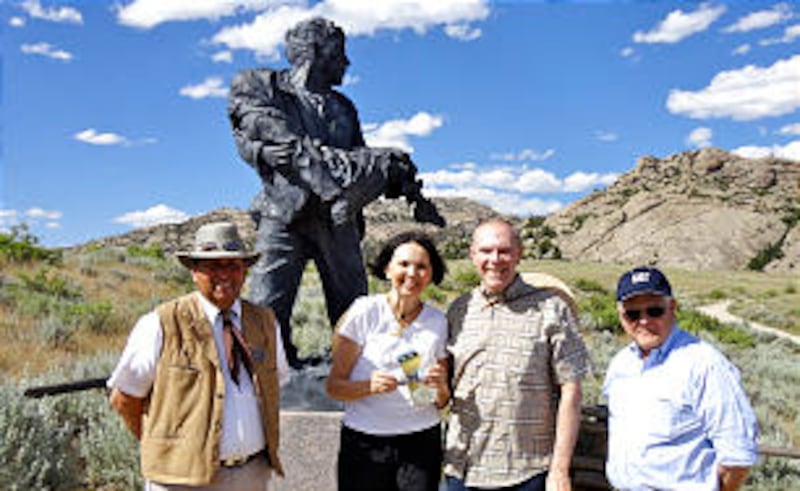
All mission presidents hope to see the Church expand in their missions. They envision small branches becoming large wards. They dream of stakes dividing. They hope for constant growth. My wife and I were no exception. And so, when the assignment came to return to the South Dakota Rapid City Mission to conduct Sunday School auxiliary training, we were eager to see the good members we came to love while serving as mission president and companion (2003-2006). What we did not realize, however, was that we would see more Church growth over these past five years than we had expected.
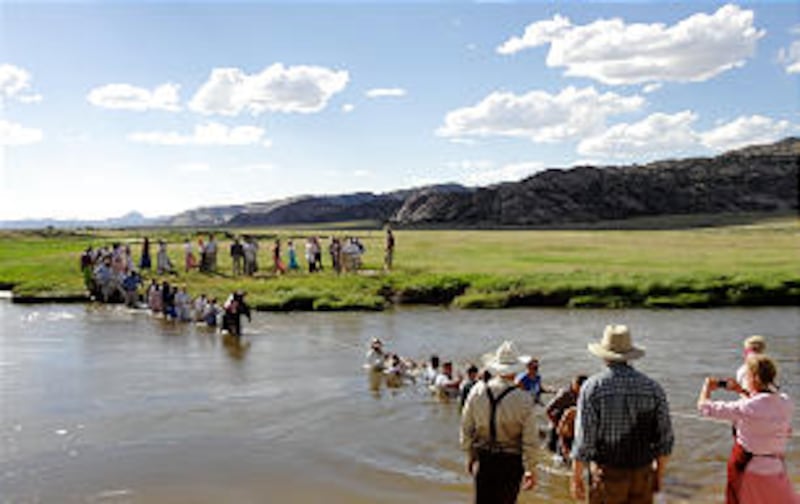
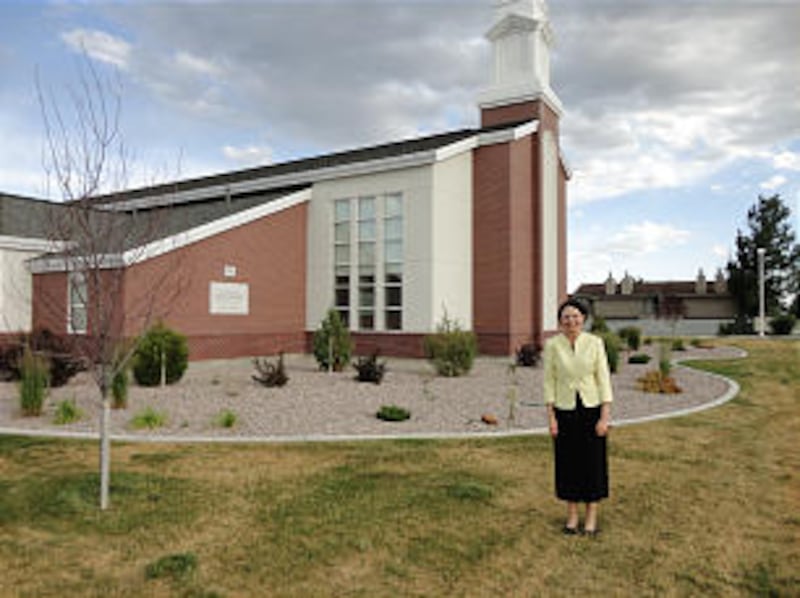
Upon arriving in Casper, Wyo., we found that a new ward had been created and that the existing wards had grown in size. In the Gillette Wyoming Stake a new ward had been created in Sheridan, Wyo., as well as in Gillette. To keep up with the growth, Gillette recently constructed a new chapel. Then in Rapid City, S.D., we found that at the same time Gillette was building its new building, Rapid City South Dakota Stake also added a similar building to accommodate membership. In Bismarck, N.D., a new ward was formed to accommodate growth. The Williston Ward also doubled in size during the past few years. In the Sioux Falls South Dakota Stake, membership doubled in three units and their are plans to construct a new building soon for one of the branches. Finally, the Fargo North Dakota Stake had seen similar growth.
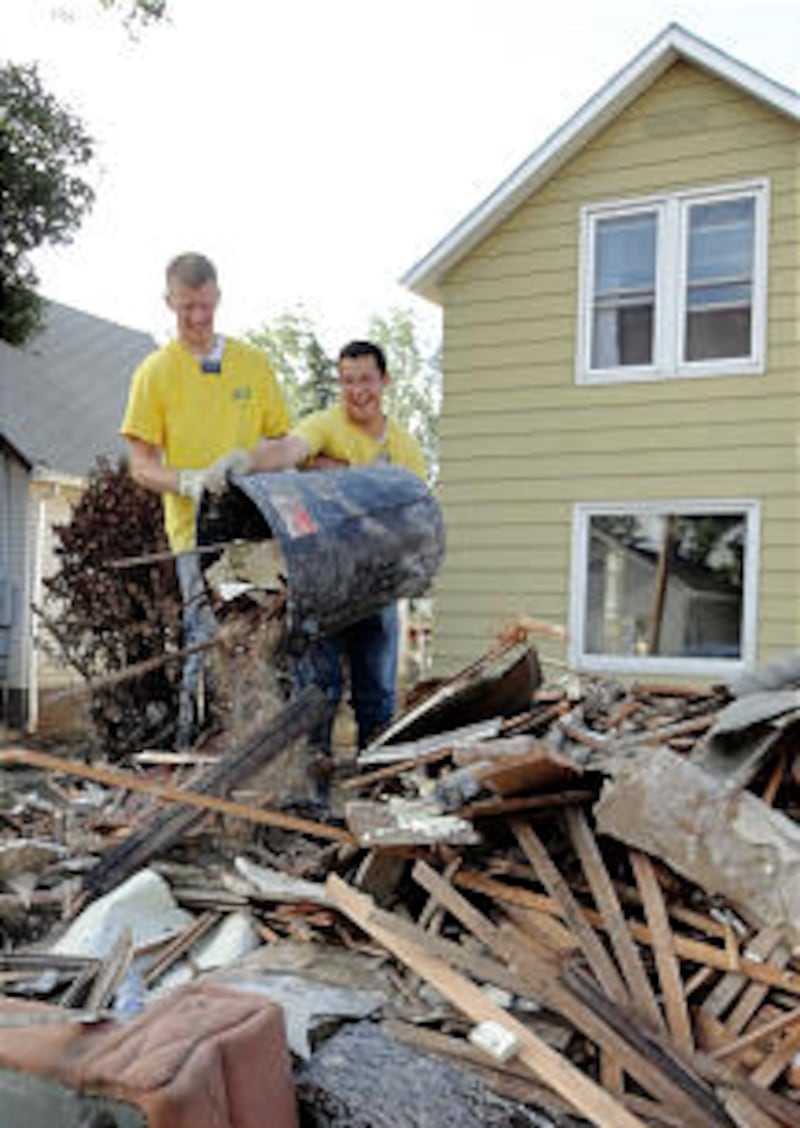
Both the Fargo and Sioux Falls stakes were planning to send young single adults and others from their stakes to help those in Minot, N.D., who have recently experienced the devastating effects of flooding from the Souris River (or as they call it in Minot, "The Mouse"). In late June the river flooded over 4,100 homes, only 375 of which had flood insurance, leaving 1,200 people without housing. After helping disaster victims of the tornado in Joplin, Mo., Neils and Marti Ludlow came to Minot at the request of the Church Disaster Response Team. Working with local leaders, such as Michael Kelly, the Ludlows direct the work of helping flood victims in Minot. Brother Ludlow said, "We just need more volunteers to come to Minot. The phone rings on average every five minutes with someone asking for help."
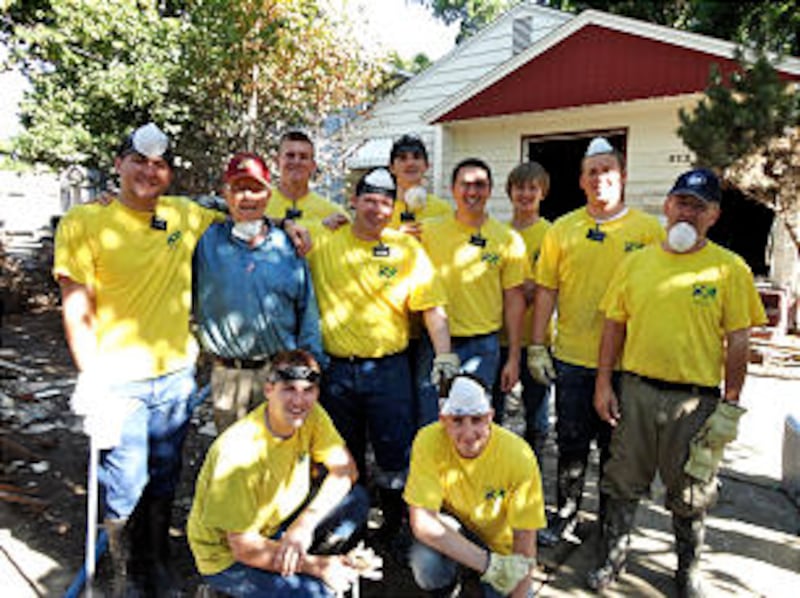
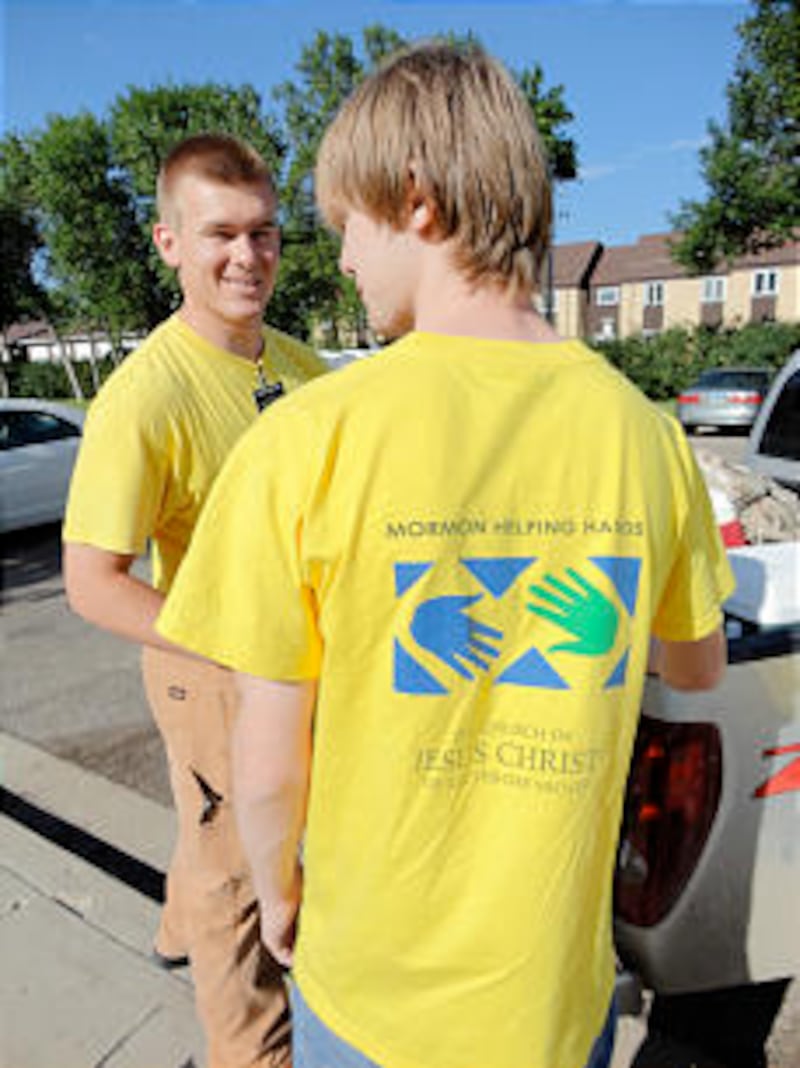
Fliers are distributed throughout the city notifying victims of the flood that they might be able to receive help through "Mormon Helping Hands." During our brief stay in Minot, my wife and I saw three victims who were receiving help from Church members and missionaries. None of the three victims was a member of our Church. The first home we visited was that of Bob Miller. He had grown up in the home that was flooded and had then returned to care for his aging mother. After we greeted him, he said:
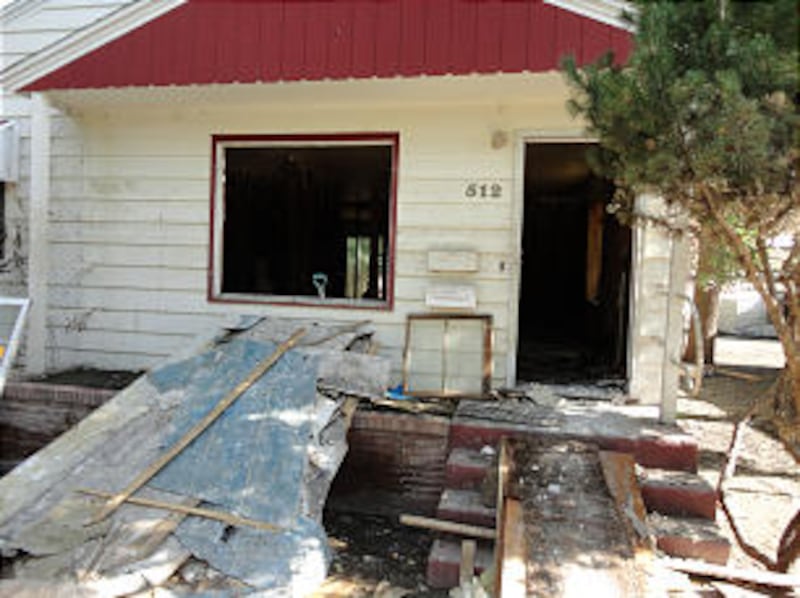
"You know, I could not have done anything without these great young men you've sent to help me. They work miracles. I saw your flier and called the number, and they appeared. And then, just minutes before you arrived, I was looking for my mother's diamond ring, and these boys of yours led me right to it. I can't thank you enough for the help they've given me."
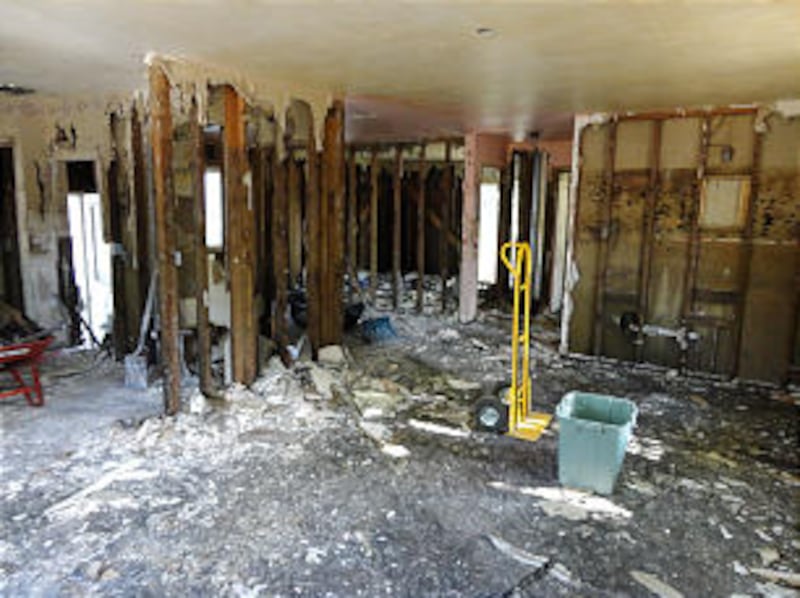
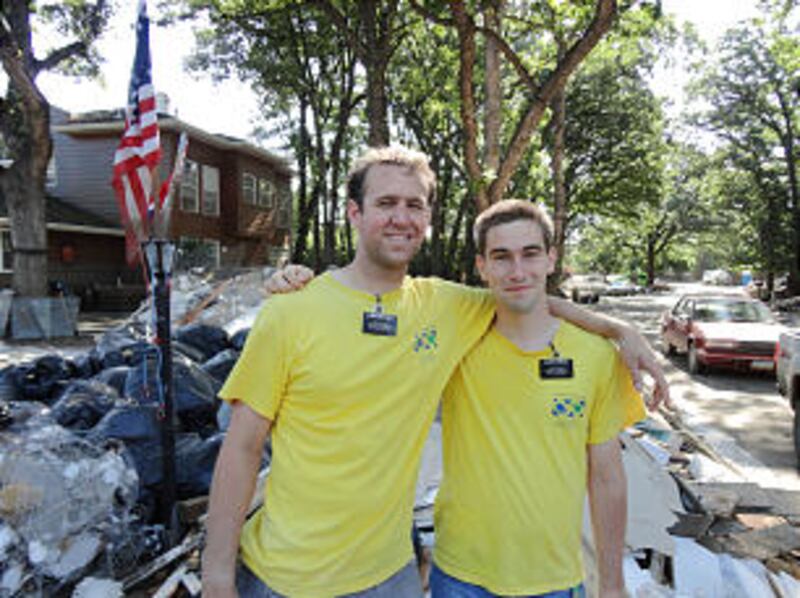
The second home we visited belonged to a 90-year-old woman. We met the missionaries and young single adults, as well as the Bismarck North Dakota Stake president who were all helping to clean out her home and prepare it to be refurbished. One young man even drove from Sheridan, Wyo., to give service. They anticipated that they would complete the demolition work by the end of the day. The work was obviously not easy, especially given the weather conditions. It was hot and muggy. The previous day the heat index had been 116 degrees (Fahrenheit).
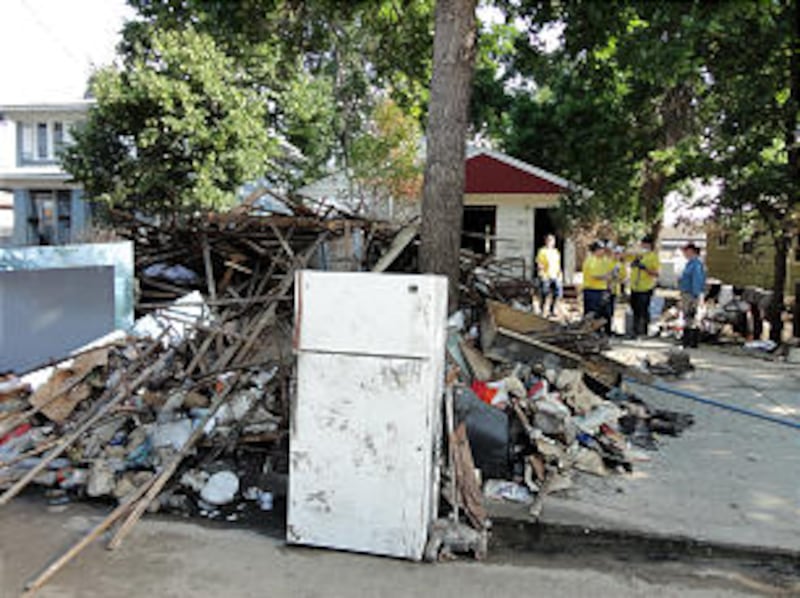
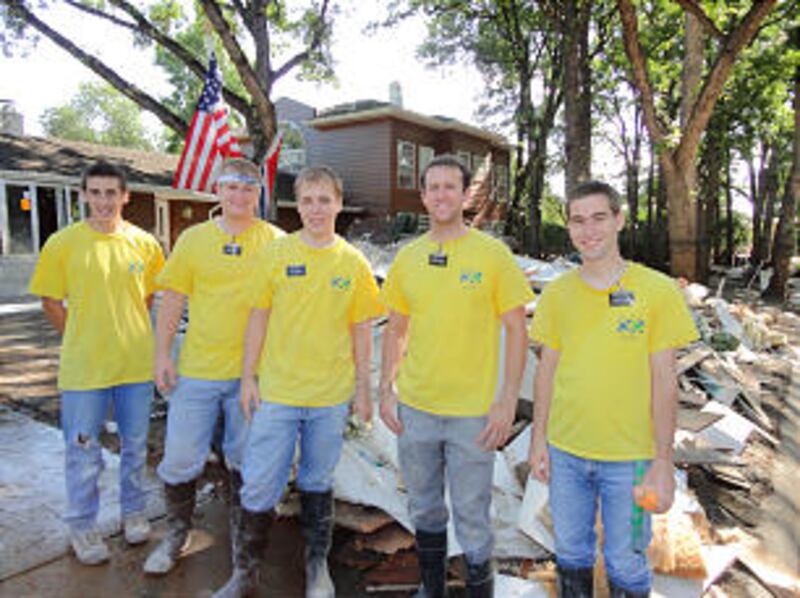
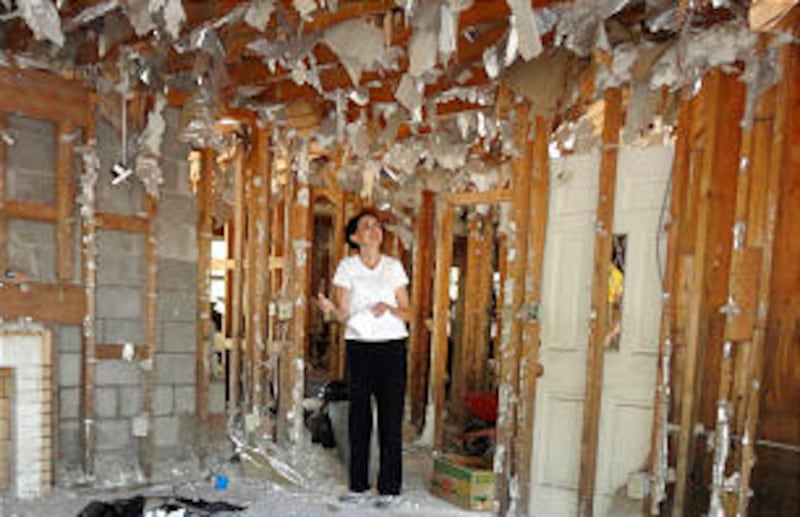
When we arrived at the third home we saw the Church crew of young men ripping out insulation, sheet rock and any other materials that had been damaged by the flood. We saw the owner, Joy Mattson, working on an upper deck of her home as the Church members worked on the lower floor. We were amazed at her buoyant spirit. She was surrounded by devastation. Her yard had been completely destroyed by the flood, her home mostly destroyed, and yet she smiled through the railings of the deck and energetically exclaimed:
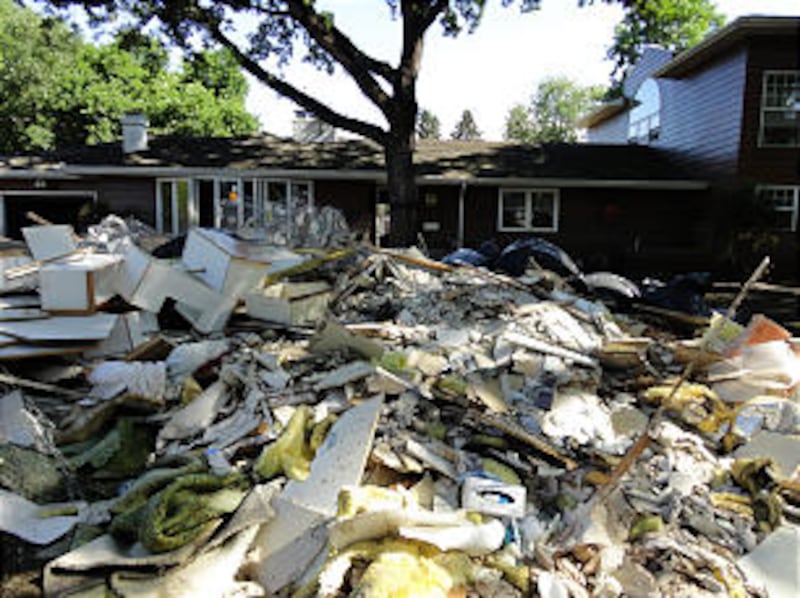
"We just go on! That's all we can do. And I can't tell you how grateful I am for the help your Church has given me. These guys are amazing! You can see by the size of that pile of debris in our front yard just how much they've done. I will be thanking you and your Church forever. Please tell those in your Church in Salt Lake how much this means to us here. Please promise to tell them!"
We were moved by the strength and the gratitude of those who were receiving help from the Church. We were expecting to see discouragement, and instead we found indomitable determination. After all, these are North Dakotans, a strong and hearty people who even have a town in their state named "Cando, North Dakota." With the help of generous Church members, they are digging their way out of a disaster the scope of which most of us cannot imagine.
Speaking of the Church as a great caravan that keeps moving, no matter how many challenges it must face, Elder Bruce R. McConkie once said, "The Church is like a great caravan — organized, prepared, following an appointed course, with its captains of tens and captains of hundreds all in place. ... Are there storms that rage along the way, floods that wash away the bridges, deserts to cross, and rivers to ford? Such is life in this fallen sphere. The caravan moves on."
So the Church continues to grow even in places where natural disasters hit. In fact, because the Church is so well organized, we are able to extend a helping hand to those who need us, whether members of our Church or not. Seeing the growth that we saw and then observing the power of "pure religion" in action, reminded us that the Church is not something we join out of convenience because we want more social contact. It is the Kingdom of God on the earth.
