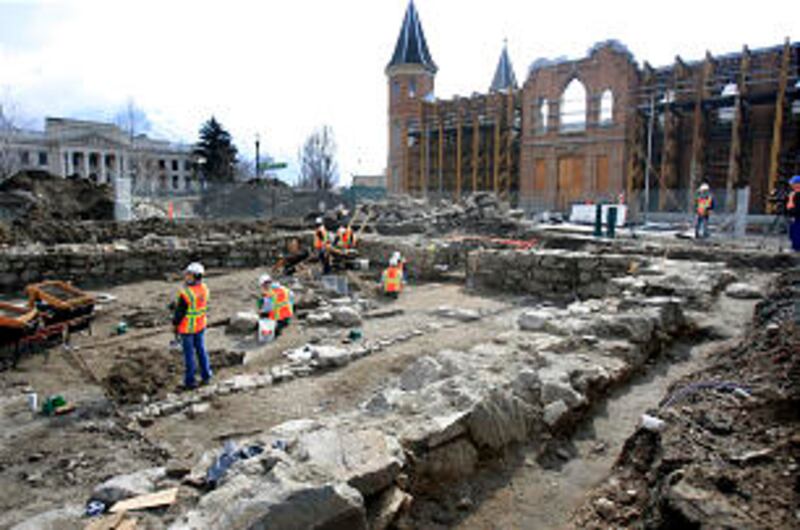
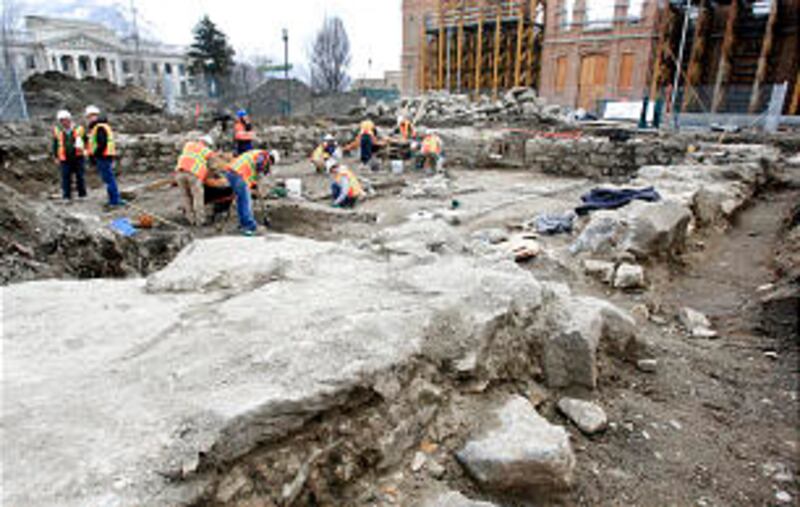
There's a mystery being uncovered in Provo, Utah, near the site of the new construction for the Provo Tabernacle that burned down in December of 2010 and is being rebuilt as a temple. About five feet down in the earth, just north of the new construction, lay the basement and foundation of a much older building. A building that's been buried and forgotten for almost a hundred years. It's here where a team of BYU-sponsored archaeologists is quite literally digging up the past.
In the early 1850s, early settlers to Provo petitioned Brigham Young for a meetinghouse; work began on a tabernacle in the late 1850s. Construction continued even after the building began seeing some use until it was completed and dedicated by John Taylor in 1867. Richard Talbot, director of public archaeology at BYU, said, "The growth of the population in Provo was so fast at that time, Brigham Young told the Saints at the dedication of the original tabernacle that they had already outgrown the building."
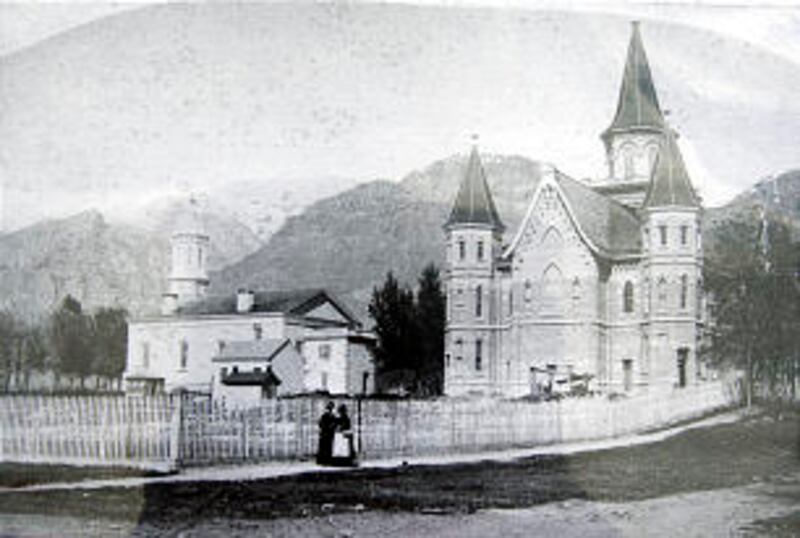
It wasn't until the late 1800s that a second Provo Tabernacle (the one that burned down in December 2010) was built, and the two buildings were used side by side for 30 years. Prior to being torn down in 1919, the first tabernacle or "old meetinghouse" was used as a gymnasium and then abandoned. The foundation was covered over and remained that way until BYU archaeologists started to excavate the site.
In late 2011, using sophisticated technology known as Ground Penetrating Radar (GPR), Benjamin Pykles of the Church History Department and John McBride of the BYU geology department worked together to find the foundation of the old meetinghouse. To substantiate the results of the radar findings, Brother Pykles contacted the Office of Public Archaeology at BYU and had them excavate a small area to make sure the foundation was there. The results came back positive: the foundation existed.
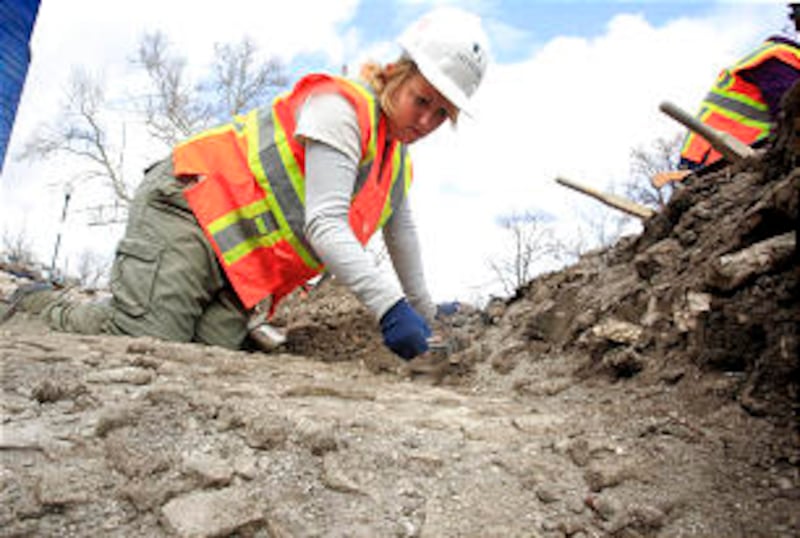
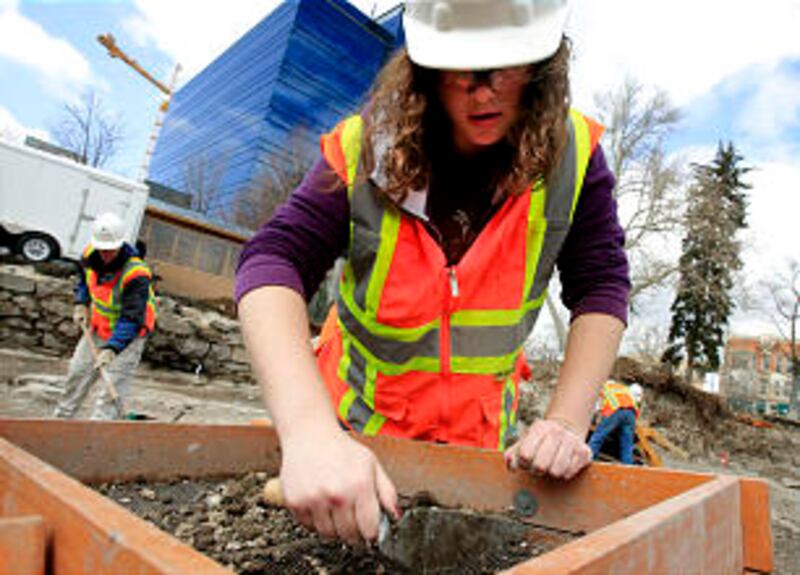
Excavation of the old meetinghouse began officially in January 2012 with machinery and hand excavation tools such as shovels and trowels. The hope was to learn architectural details about the tabernacle, such as the manner of construction of the walls, floors, ceilings and foundation. Another hope was to document details about the actual tabernacle use as a meetinghouse and what types of activities were carried out. Brother Talbot explained three reasons why the excavation project is important.
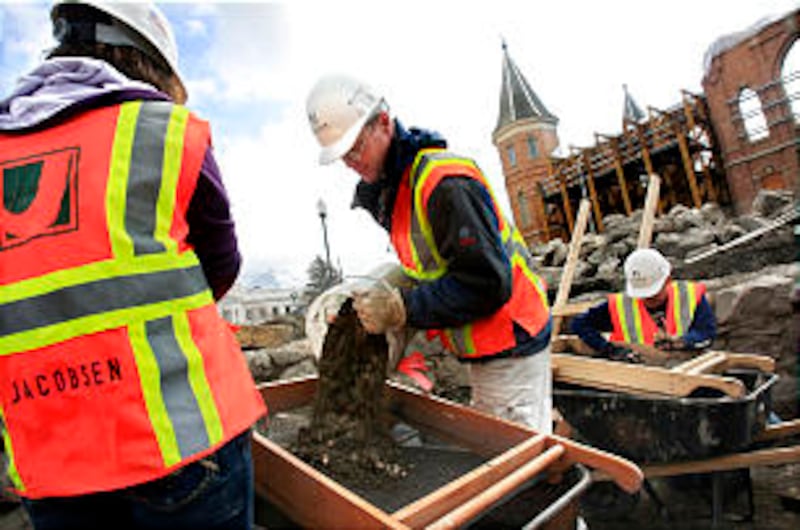
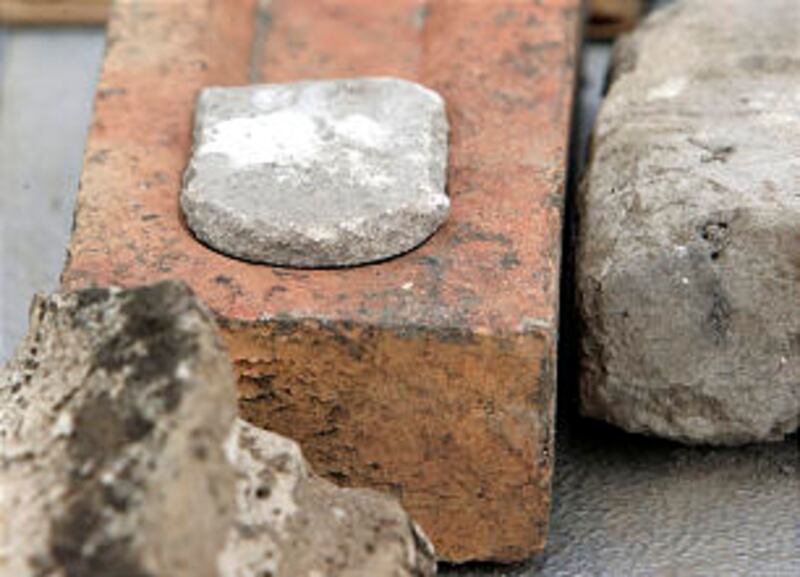
"First, it gives us the opportunity to document one of the earliest tabernacles in Utah, and what was likely the center of both religious and social life for the first settlers of Provo. We are meticulous in recording every detail about the building and the artifacts that remain, so that we can reconstruct, as much as possible, that early life.
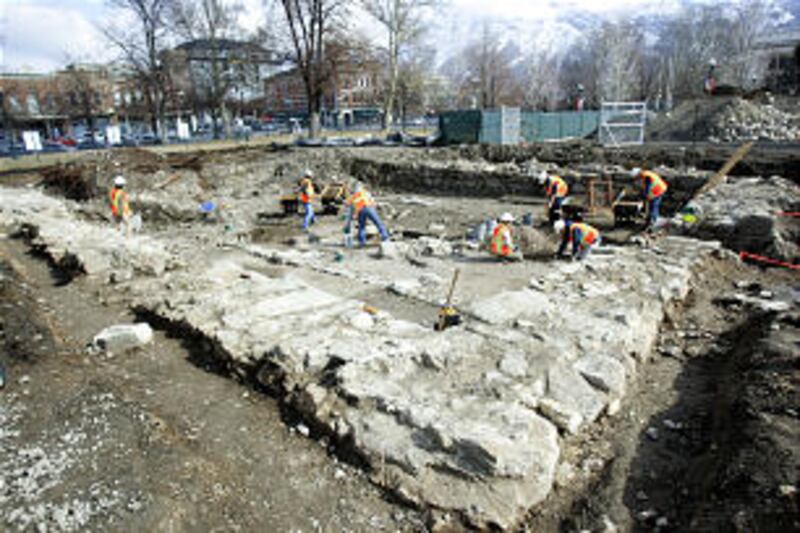
"Second, it provides an absolutely ideal mentoring environment for BYU archaeology students. They can be in class at 10 a.m. learning about archaeology and then at 11 a.m., they are at the tabernacle, actually doing archaeology. These students will come away with experience that will put them well ahead of others after graduation. There are very few universities in the country that can provide that type of hands-on experience.
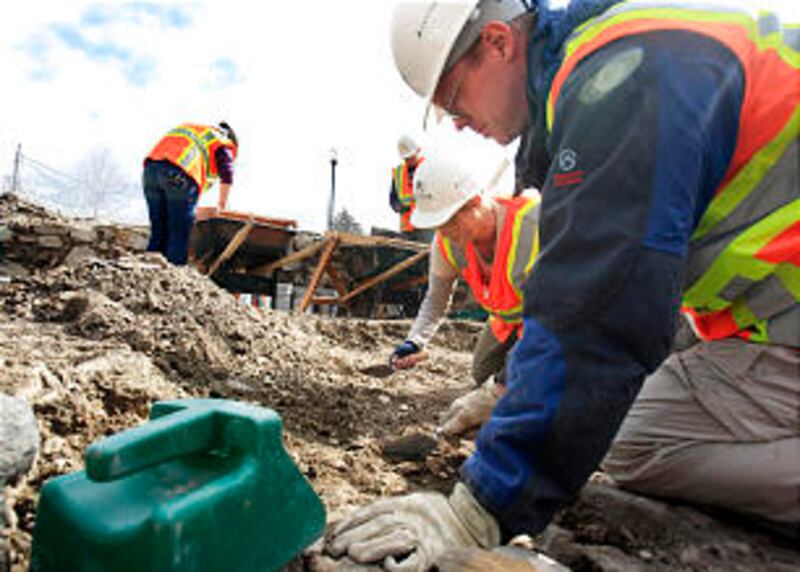
"Third, it connects people with the past and with their individual, family, and cultural heritage — in a very literal sense it helps to 'turn the heart of the children to their fathers' (Malachi 4:6). There is nothing more exciting than to be able to actually see the past through the things that people leave behind, as small as a button and as big as the foundation of the tabernacle itself."
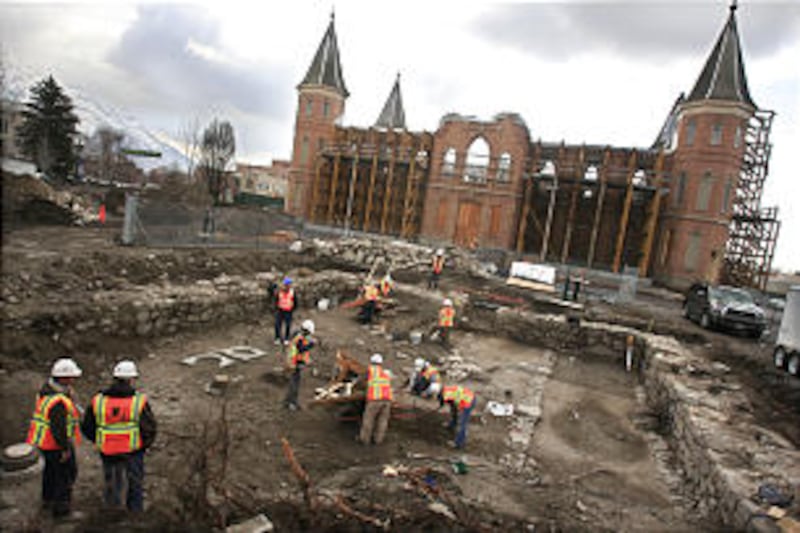
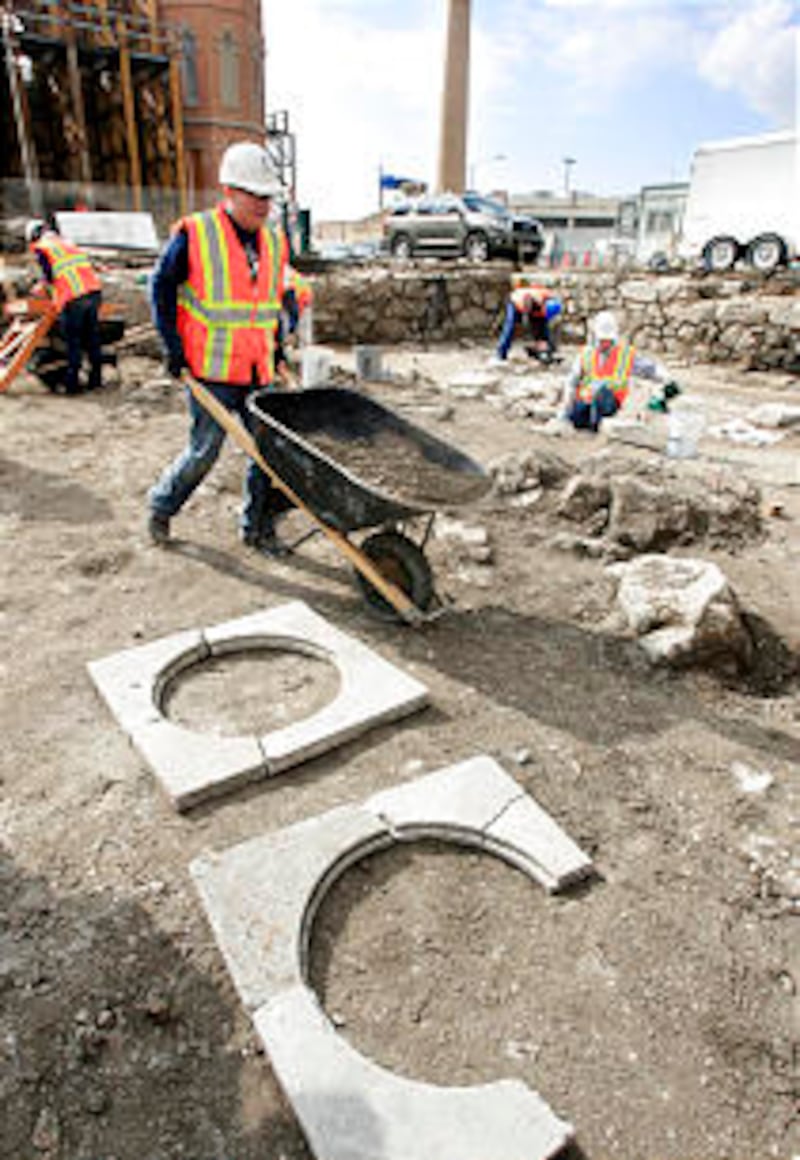
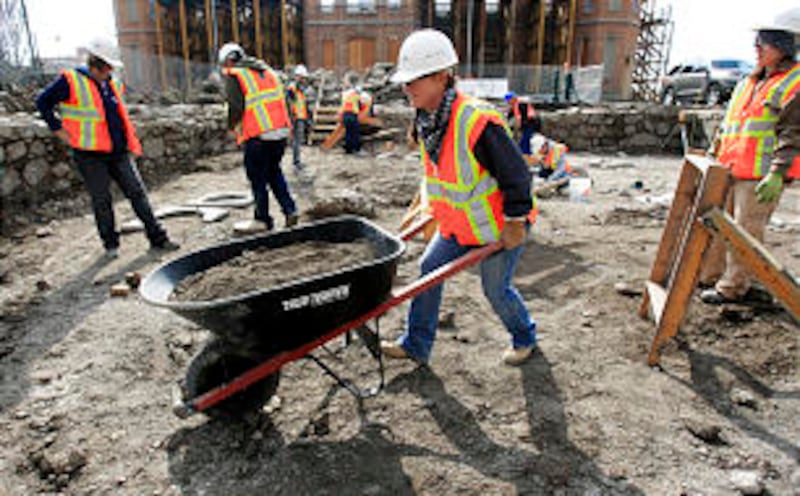
The excavation team providing the labor on the project consists of three professional archeologists, 10 graduate students and more than 40 undergraduate volunteers. The students have expressed how exciting it has been to work on the site and what it has meant to them.
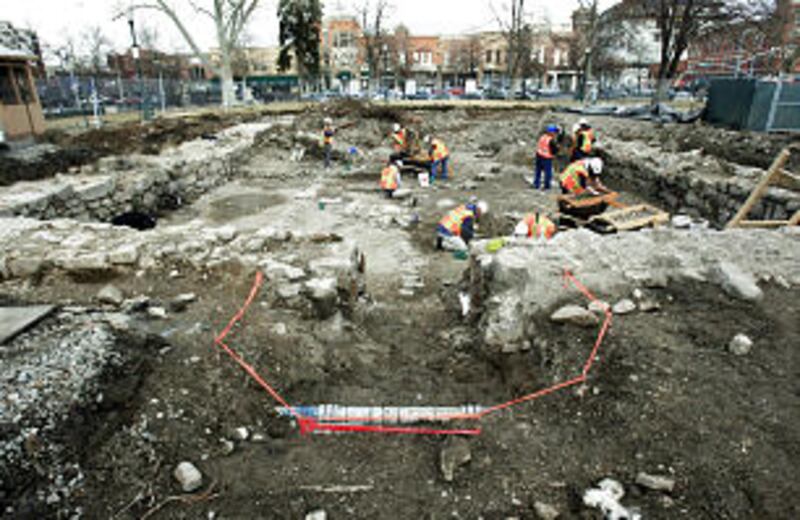
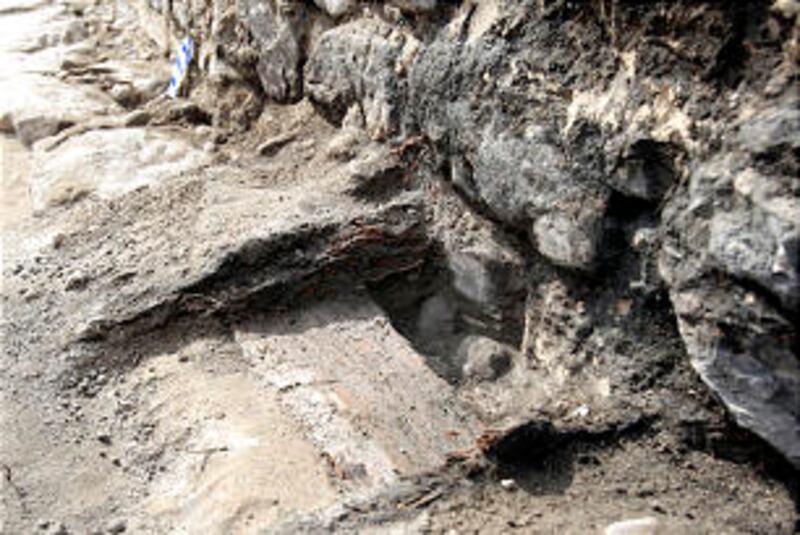
Deborah Harris, a historic archeologist working on the project, said, "Currently the excavation is about 40 percent complete. We discovered two floor joists and footings for a wooden floor in the basement. We also found two sandstone pedestal foundations and four carved column bases that supported wooden columns that held up the upper main floor and balcony."
Workers also found two places where pot-bellied stoves or wood/coal fireplaces were located. These correspond to historic photos showing chimneys in these locations. Shards from light bulbs have been found indicating electricity use in the old meetinghouse.
The first tabernacle was constructed with a solid, stone foundation and the upper floors were made out of adobe brick. Brother Talbot said, "The foundation is completely solid, so much so that it would easily accommodate a modern structure on it even today, with little modification."
Those who helped construct the tabernacle were the same people who built houses and church buildings in Kirtland and Nauvoo. They used tools carried with them from across the plains or those made locally. Pioneers used materials available nearby, including stone quarried from the nearby canyons and accessible timber.
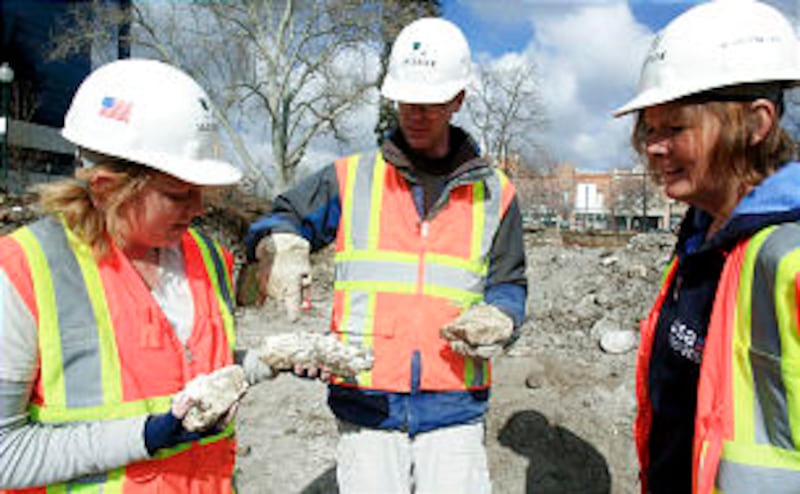
There has been tremendous support and encouragement from Provo and Utah County residents. "It's a beautiful building with a rich history. Many older people have come by to watch what is being done, tell us family stories about the building and see what is still there," Sister Harris said.
In addition to unearthing physical objects from history, a sacred connection has been uncovered. This connection binds the pioneers of a bygone era with friends, relatives and Church members of the future. These first pioneers sacrificed their time and meager resources to build a house of worship for their posterity. The opportunity to explore this relationship is available through the excavation project. A general invitation exists to see the ongoing work at the site by scheduling a personal tour. Call 801-380-4585 to make an appointment.
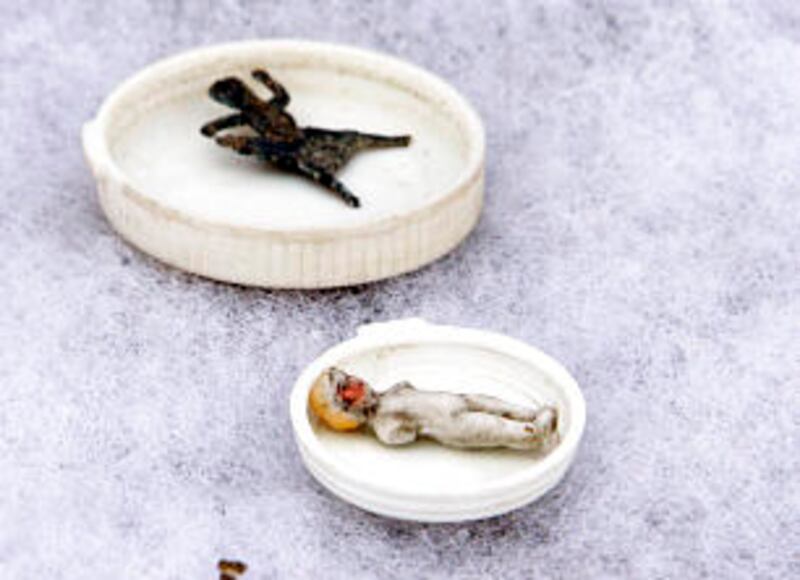
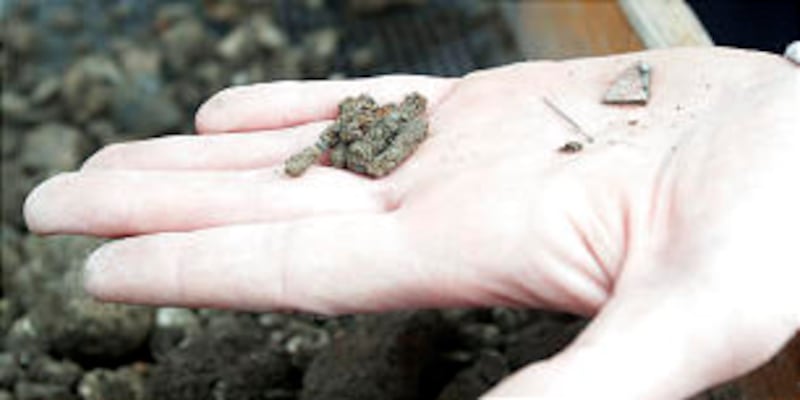
Personal items that have been found in the excavation: