



PROVO, UTAH
Three years after the Church was organized, the Lord decreed that "every man shall hear the fulness of the gospel in his own tongue, and in his own language, through those who are ordained unto this power" (Doctrine and Covenants 90:11).
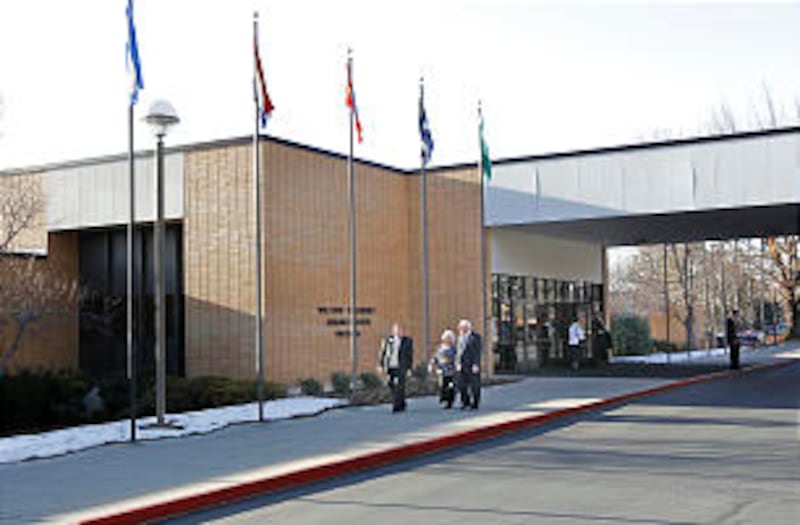
Today's missionary training centers — including the first one established 37 years ago in Provo, Utah — help fulfill that prophecy and are the culmination of a modest effort that began 50 years ago this past December.
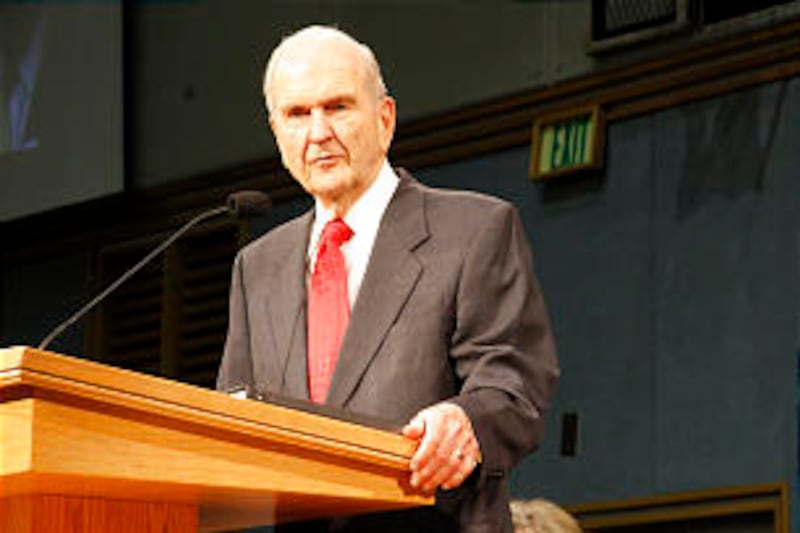
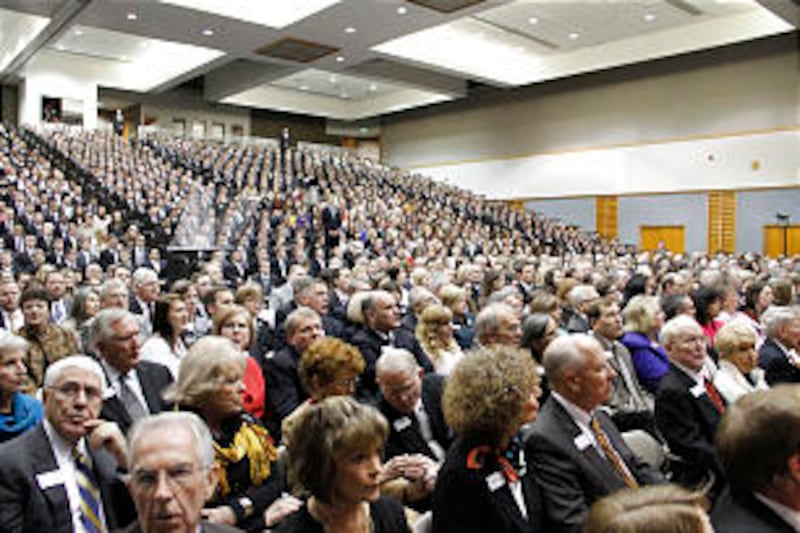
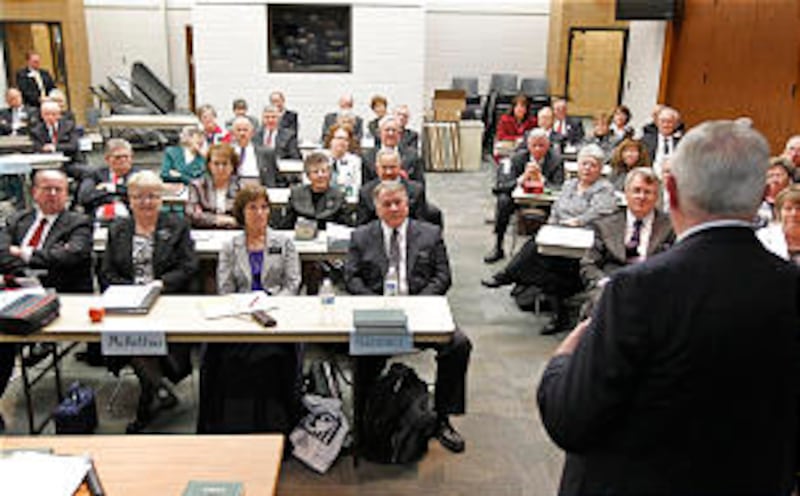
"Tonight we join in joyous jubilee to commemorate 50 years of missionary training here," said Elder Russell M. Nelson of the Quorum of the Twelve Jan. 31 as he spoke at the weekly devotional of the Provo Missionary Training Center.
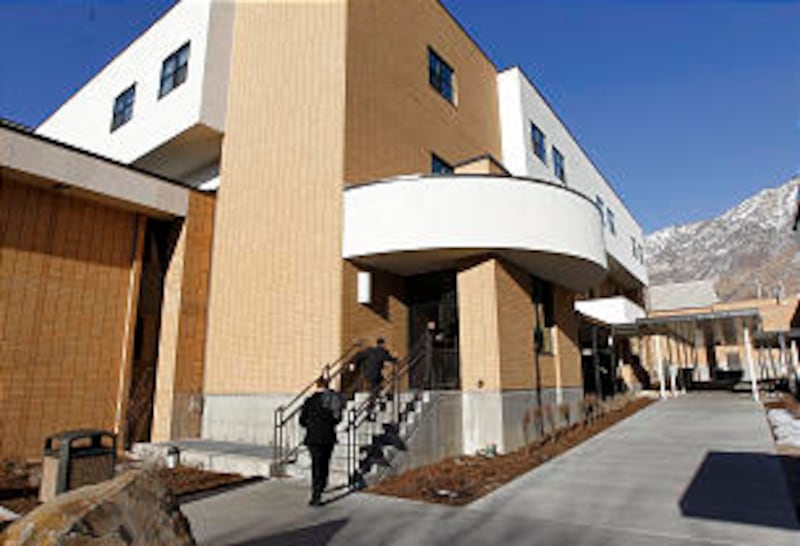
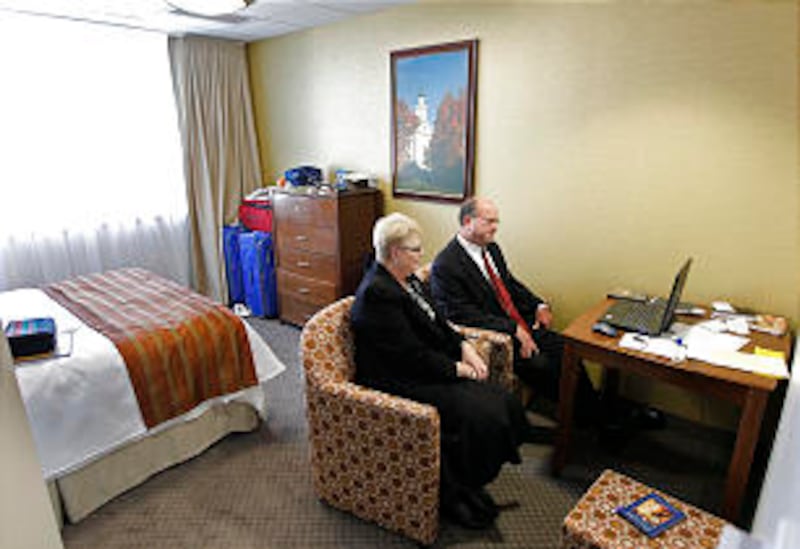
Elder Nelson also gave a dedicatory prayer for five buildings at the Provo facility that have been renovated this past year. In attendance with their wives were several General Authorities who serve with Elder Nelson on the Missionary Executive Council and 11 past presidents of the Provo MTC, which was dedicated in 1976 by President Spencer W. Kimball.
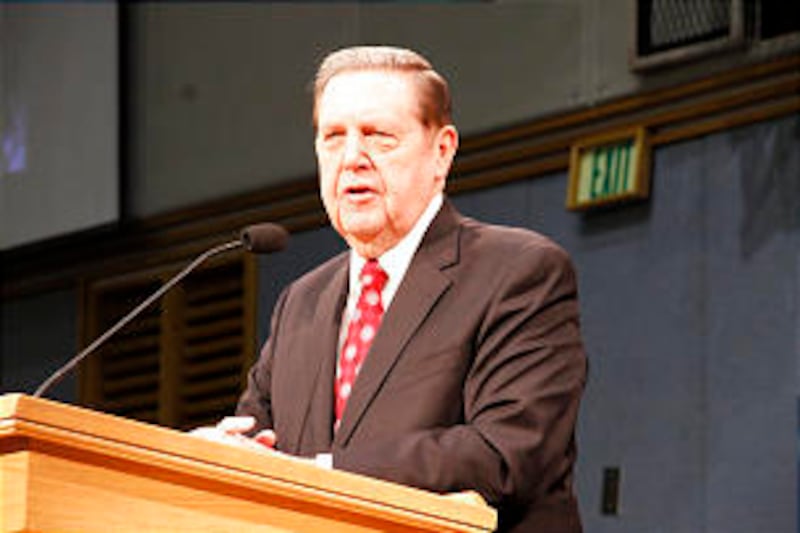
Elder Jeffrey R. Holland of the Quorum of the Twelve also spoke briefly.
"For many years in the 20th century, newly called missionaries had received some preparatory instruction at the Missionary Home in Salt Lake City," Elder Nelson recounted.

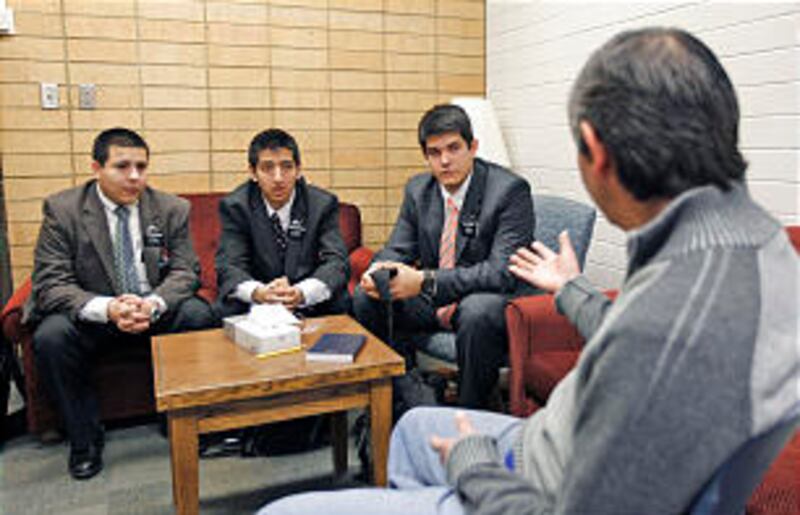
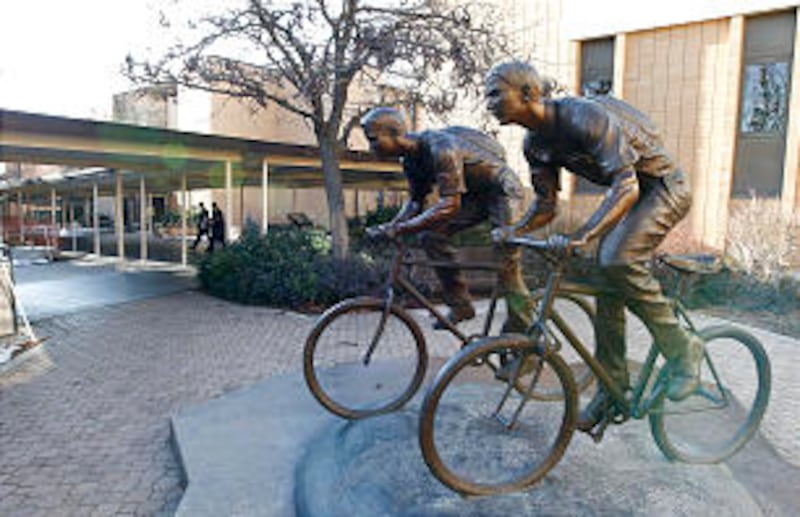
"On Dec. 4, 1961, 14 elders assigned to Argentina and 15 elders assigned to Mexico moved from the Missionary Home to the newly created Missionary Language Institute on the Brigham Young University campus in Provo. These missionaries walked from the Hotel Roberts to the BYU Alumni House for class instruction. The distance was four miles each way!"
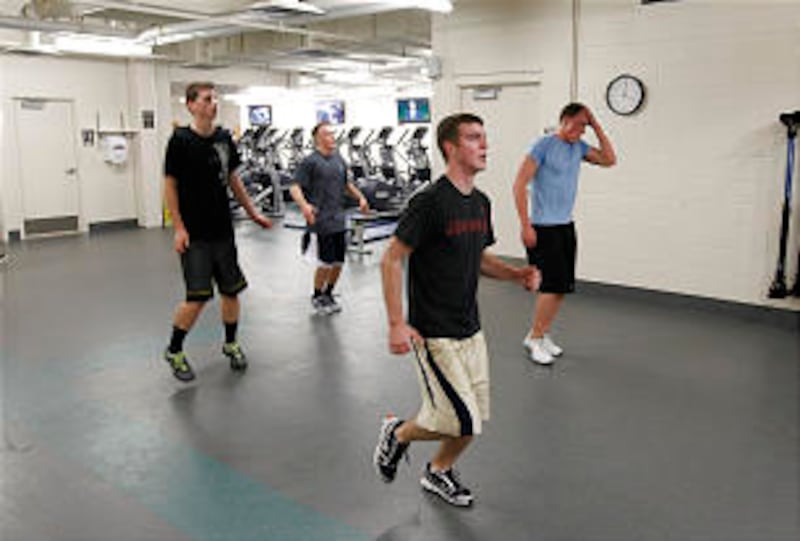
Following much progress and many changes, the MTC was dedicated in Provo. Elder Nelson quoted from the dedicatory prayer given by President Kimball: "Now we dedicate all these buildings ... for the rich program which has been established ... that the work may go forward and that the ultimate hope of the first prophet of this dispensation may be realized that the nations may finally be proselyted and every nation, kindred, tongue and people may hear the word of the Lord in their own language."
Elder Nelson added, "That prayer is being fulfilled, and the work continues to move forward in remarkable ways.
"One of the ways is the establishment of other missionary training centers. In 1978, missionary training centers were opened in Sao Paulo, Brazil, and in Hamilton, New Zealand. Today there are 15 missionary training centers in operation around the world to accommodate the growth and training of newly called missionaries."
These days, it isn't just missionaries needing foreign-language instruction who go to the centers, but the centers give preparatory instruction to all missionaries.
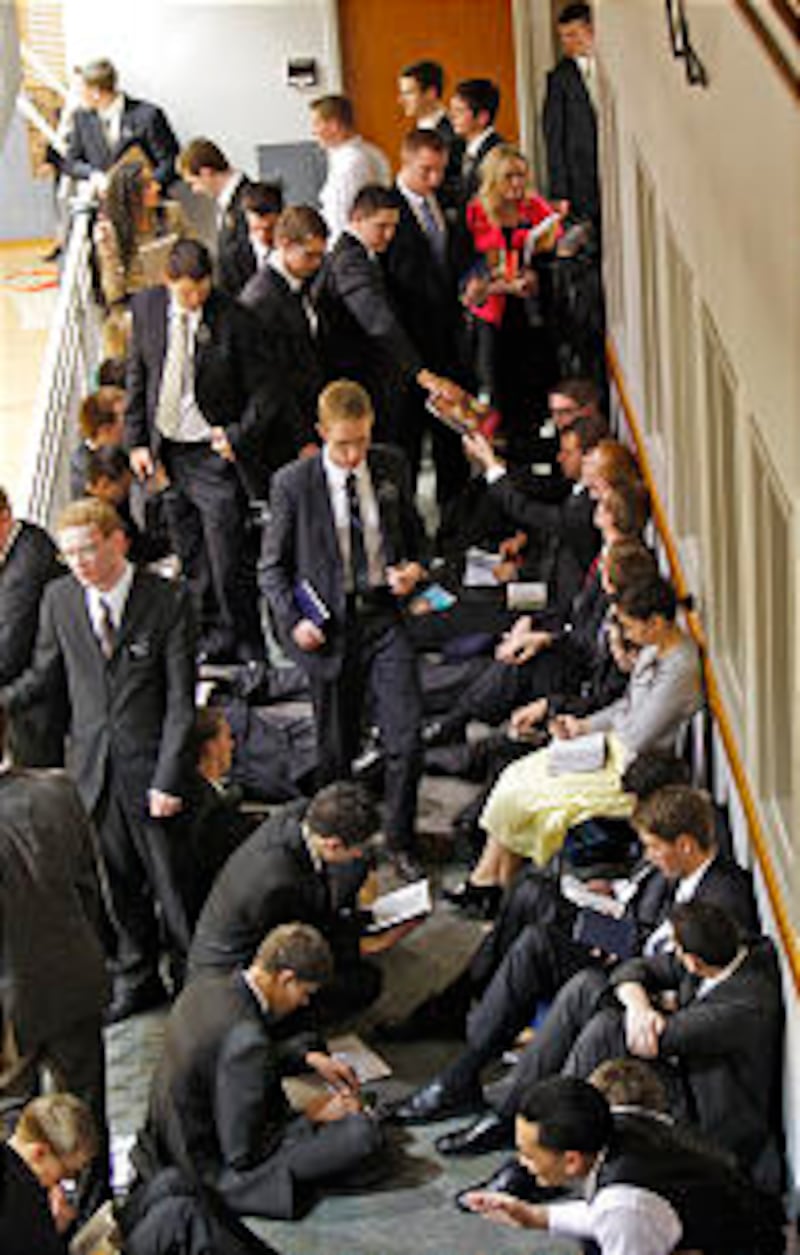
"In the 50 years that have elapsed since 1961, more than 680,000 missionaries have received their training here in Provo, Utah," Elder Nelson said. "Elders and sisters, you now are part of this vast army of missionaries. You, like those who have served before, have been called to invite others to come unto Christ."
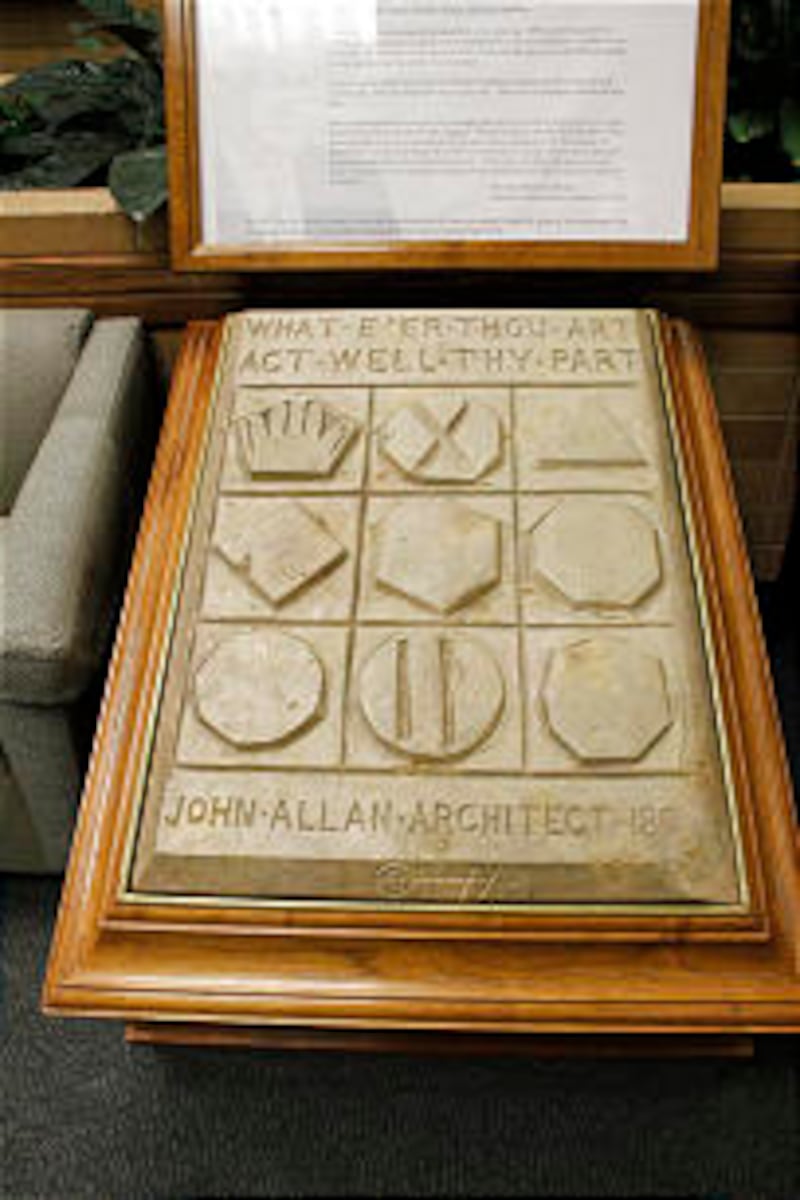
He noted that those entering the Provo MTC are apt to see in its lobby a replica of a large stone bearing the words "What E'er Thou Art Act Well Thy Part."

"When you see that stone, I suggest that you reflect on the following experience from Elder David O. McKay's life," he said. He related that in 1897, the future Church president began serving a mission in Scotland. The first few months were difficult, as he suffered from homesickness and discouragement.

Coming back into town from visiting Stirling Castle, he and his companion saw the stone with that motto.
"I said to myself, or the Spirit within me, 'You are a member of The Church of Jesus Christ of Latter-day Saints,' " President McKay later related. "More than that, you are here as a representative of the Lord Jesus Christ."
He accepted that message given to him on the stone, and "from that moment we tried to do our part as missionaries in Scotland."
Elder Nelson commented, "I invite each of you to visit the replica of that stone in the front lobby and reflect on the part you play and your personal commitment to the Lord and His work."

Earlier in his address, Elder Nelson said the Provo MTC "is hallowed by the sacred cause for which it is built and is hallowed by the sacred buildings on its campus. Each edifice awakens a memory of the sacrifice and service of the missionary for whom the building is named."


One of the buildings, he noted, is named for Samuel H. Smith, the younger brother of the Prophet Joseph Smith who, as the first missionary called in this dispensation, brought the Book of Mormon to two future Church leaders: Brigham Young and Heber C. Kimball.
Elder Kimball is the namesake of another building on the MTC campus, Elder Nelson noted, who helped convert more than 1,500 people in just nine months in England.
Elder Nelson also spoke of Dan Jones, a Welsh convert to the Church in 1843 in Nauvoo, Ill. He was with the Prophet Joseph Smith at Carthage Jail the night before the Prophet was martyred and lived to fulfill Joseph's prophecy that he would be a missionary in his native land of Wales, where he helped convert more than 6,600 people.
Another building, Elder Nelson said, is named for Harriet Nye, who, in 1898, became the first sister missionary to be called. She was a companion to her husband, who presided over three missions.
Elder Nelson said six of his own daughters "have had or are now enjoying missionary service."

In his prayer, Elder Nelson said, "Missionaries enter these premises with a burning desire to declare those truths that have been revealed to Thy servant and prophet, Joseph Smith Jr. They seek training in how to comprehend the doctrine of Christ and to preach His gospel. They desire to reap in the field that is white and ready to harvest."
In the prayer, he individually dedicated renovations to five buildings, the first four of which were dedicated by President Kimball in 1976 and the fifth by President Ezra Taft Benson in 1979. The buildings bear the names of missionaries Jacob Hamblin, Erastus Snow, Ray L. Pratt, Harriet Nye and Wilford Booth.
In his brief remarks prior to Elder Nelson's address, Elder Holland told the missionaries, "You are under solemn obligation to honor the history of missionary work in this Church."
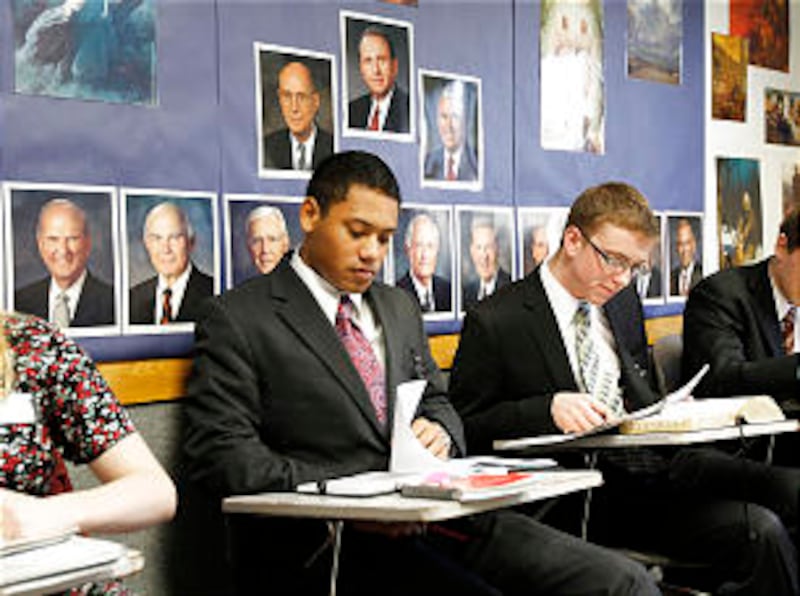

Though missionaries cannot control how receptive people will be to their message, they can control one thing, Elder Holland said, and that is how valiantly they serve in and honor the role of a missionary.
