MANAUS, BRAZIL
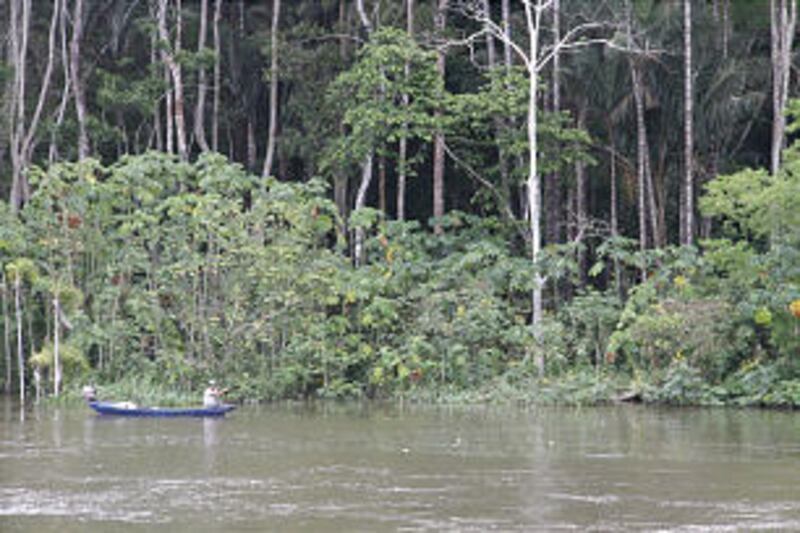
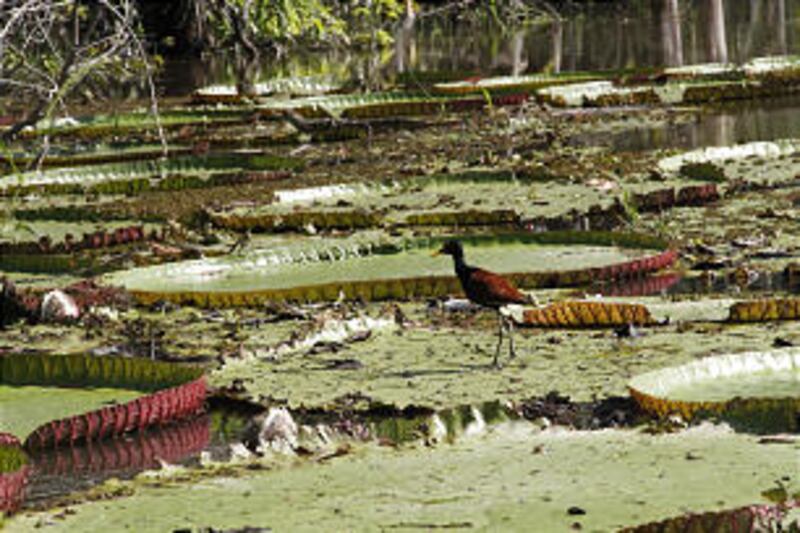
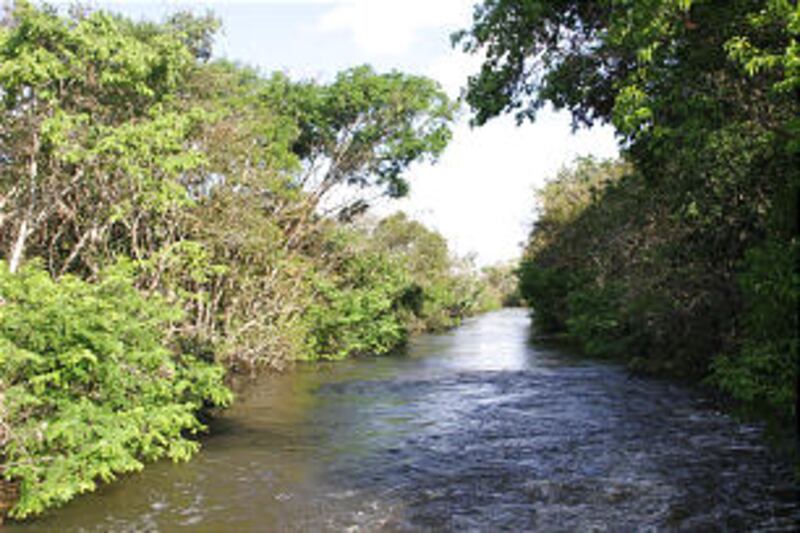
Visitors to the Amazon rain forest glimpse the region's beauty and serenity. Rich, green foliage lines the banks of the massive Amazon River — home to unique birds, fish and other native creatures.
Silence is the area's song.
It is almost like the Lord reached down and touched the region, but instead of pulling His hand away, let His influence remain, said Sister Margareth Costa, wife of Elder Claudio R.M. Costa of the Seventy and president of the Church's Brazil Area.
Elder Costa served as the first president of the Brazil Manaus Mission 22 years ago.
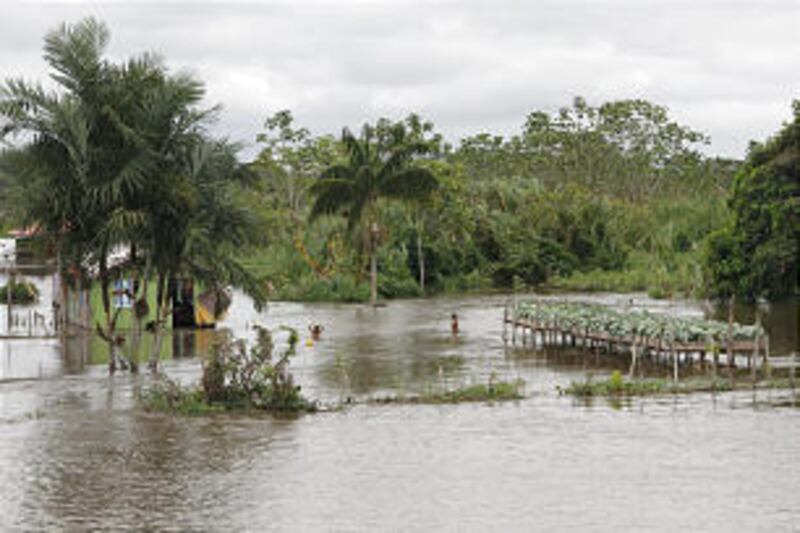
The work quickly took hold in Manaus — an isolated city of 1.7 million people surrounded by water and accessible only by boat or plane.
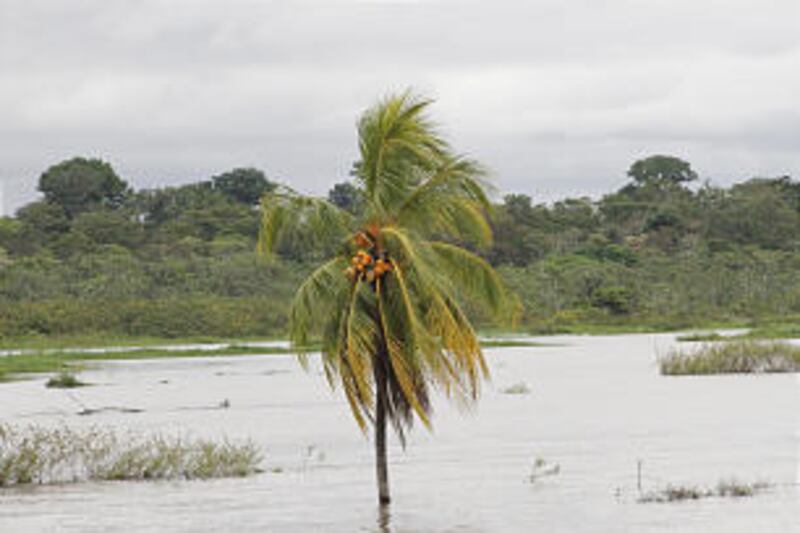
During his service as president of the Manaus mission, Elder Costa made more than 300 flights over the rain forest. Often he would look out the window of the plane to the forest below and pray that the people would be able to receive the Gospel of Jesus Christ.
And his prayers were answered; the Church grew quickly in the Amazon region, said Elder Costa. "The people are very kind. They believe in Christ."
On July 1, 1990, when the mission opened, Manaus had just one stake — created two years earlier in 1988.
"We used to baptize 120 people a month," recalled Elder Costa.
Paulo Renato Grahl, president of the Brazil Brasilia Mission from 1988 to 1991, remembers visiting Manaus in the late 1980s; he was present when the first stake was created in the city. "The Church was in its beginnings," he said. "This was always a blessed place."
Brother Grahl, also a former Area Seventy, said people in Manaus were always friendly and open to the gospel. As a result, he explained, the Church grew fast in the area.
Church work began in Manaus in 1967; the first Latter-day Saint congregation was organized in 1978. Members asked the Area Presidency to send them missionaries, paid to fly elders from southern cities to Manaus, gave the missionaries free board and room and found people for them to teach. Missionaries from the Rio de Janeiro Mission and then the Brazil Brasilia Mission found success in Manaus. "The missionaries always wanted to come here" even though it was a long way to travel, said Brother Grahl.
"From then on it just kept growing and growing."
Today there are approximately 30,000 members and eight stakes in Manaus; the Church owns 30 meetinghouses in the city.
One reason for the success of the Church in the Amazon River Basin has been the willingness of the people to sacrifice for the gospel, said Elder Costa.
On Nov. 25, 1992, a small group of pioneer members left the Amazon River Basin and traveled to the Sao Paulo Brazil Temple.
They arrived at the temple on Dec. 10, 1992, after a long and difficult journey by boat and bus.
"It was very expensive for these pioneers to travel," recalled Elder Costa. "They sold many things they had. Many sold pieces of land. Many sold their cars or motorcycles or furniture. Everything they had that was possible to sell, they sold to pay for the trip."
Francisco Reghin, an earlier pioneer member in Manaus, was serving as a counselor in the stake presidency in 1992. His wife, Suely Reghin, was a member of the first temple caravan.
Brother Reghin reported that when the first group reached the temple in Sao Paulo, they were sick from traveling for a long time in a confined space but "very happy."
For almost 20 years, since that first group of Latter-day Saints from Manaus sacrificed to visit the temple, members have been traveling by caravan to attend the temple in Sao Paulo, Brazil — a 15-day roundtrip journey by boat and bus — and then Caracas, Venezuela — an eight-day journey by bus. Often buses broke down, and on one occasion, a bus was assaulted by robbers; later a bus wrecked traveling home from Caracas.
Manoel U. Trindade, patriarch in the Manaus Brazil Ponta Negra Stake, first met missionaries in 1982. In April of 1986 he flew with his family to the temple in Sao Paulo; they were the third family in the region to receive the blessings of the temple.
The former branch president and bishop remembers the members gathering together for activities and picnics during the early years of the Church in Manaus.
He said Latter-day Saints in the region never looked at traveling to the temple as a sacrifice, but as a blessing.
Leonardo and Fabiola Rodrigues, who both grew up in Manaus, said the Lord saw the sacrifice and obedience of the people in the city.
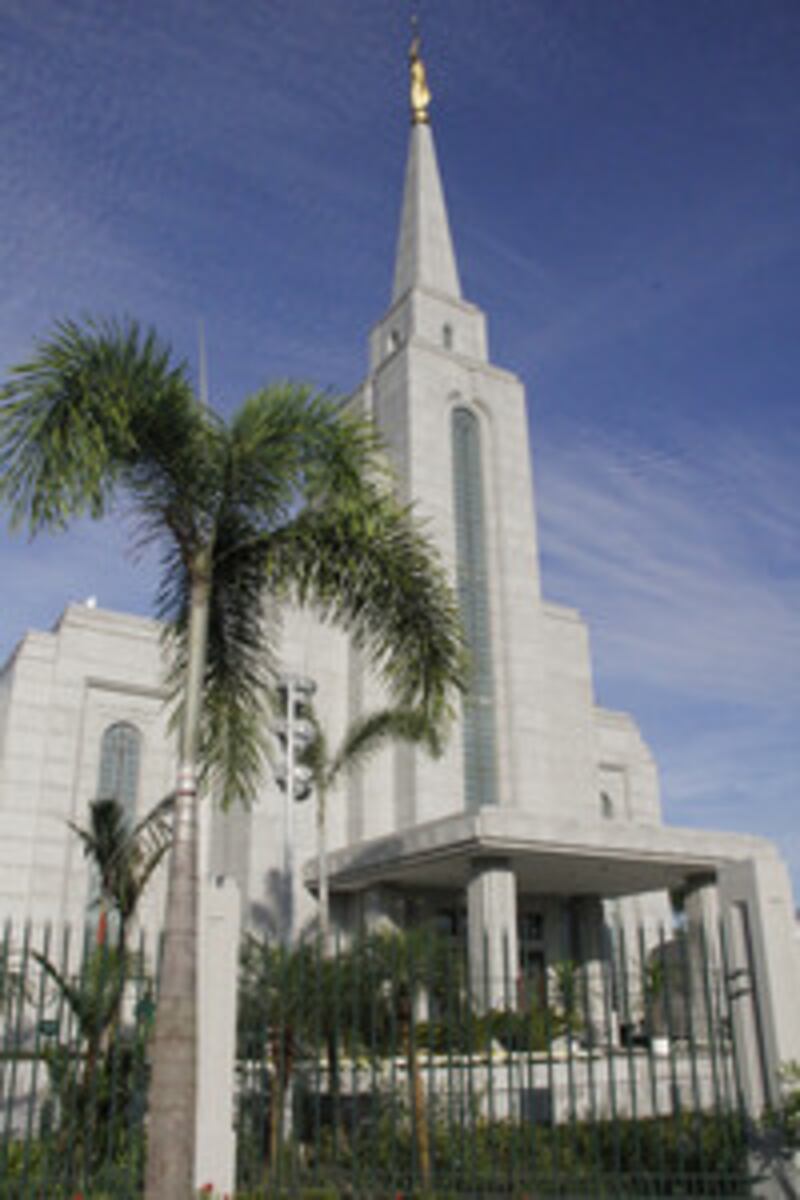
President Dieter F. Uchtdorf, second counselor in the First Presidency, dedicated the Manaus Brazil Temple on June 10.
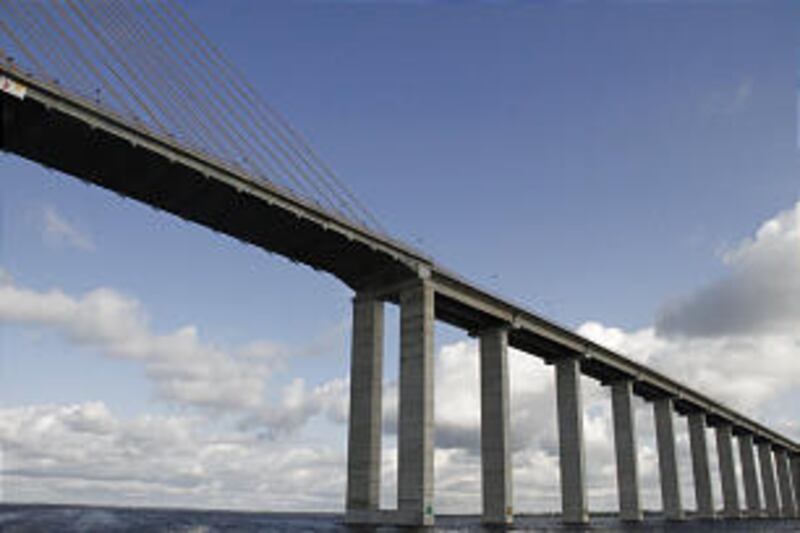
"It is like a dream," said Sister Rodrigues of the Manaus Brazil Ponta Negra Stake. "We can feel the love the people have for the temple and their sacrifice. Every sacrifice was seen by God."
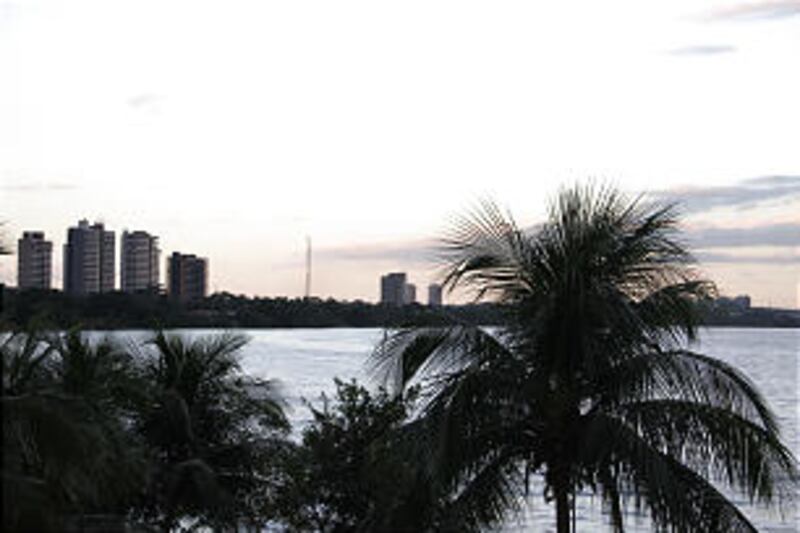
Elder Costa said the people in the Amazon River Basin are an example of faith.
"I really believe, I have a trust, the Manaus temple will be very busy, every single day because these people love the temple," he said. "They teach their children to love the temple. The temple is very precious to them."