



PORT VILA, Vanuatu — Early converts to the Church in this South Pacific nation of islands faced constant cultural obstacles but remained steadfast as rocks in the pounding surf.
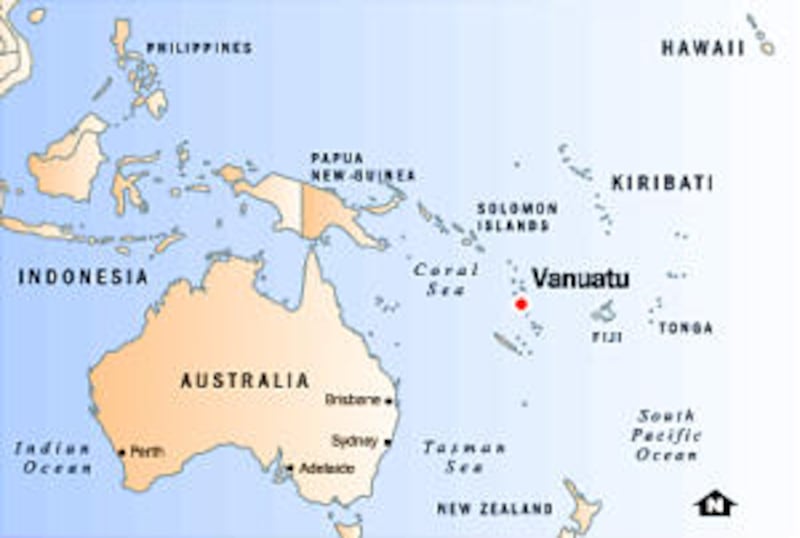
Vanuatu, formerly New Hebrides, is a chain of 83 mountainous, volcanic islands located in the South Pacific, some 500 miles northwest of Fiji. The Ni-Vanuatu people are Melanesians who speak Bislama, a pidgin English-French language, the result of 72 years of being co-governed by England and France. In 1980, Vanuatu became independent, and once divested of this exclusive condominium government, changed its name.
Before the first Europeans arrived in 1800, an estimated 1 million residents lived in the archipelago, a number that dwindled to 45,000 in 1935 because of imported diseases. In 2003, an estimated 200,000 people live in Vanuatu, some 2,050 of them members.
The LDS presence here began on the main island of Efate with the arrival of Elders Asaeli Mokofisi and Peni Malohifo'ou in early 1975, missionaries who met in the home of Tongan member Lanipoto Fehoko.
"We wore our Tongan clothes, lava-lavas," said Brother Mokofisi, who now resides in West Jordan, Utah. "Most people were surprised to see us because they never heard about the Church." He said they were treated well during their yearlong stay in what was then New Hebrides.
"We had to learn Bislama. We didn't have any written things to go by except the gospels and the Book of Acts. We compared English and Tongan with that." He said they held meetings in the Fehoko home, and "we had to do everything, prayers, teaching, blessing the sacrament, passing the sacrament. Our first baptism, a widow. It was a very special experience to have a native baptized."
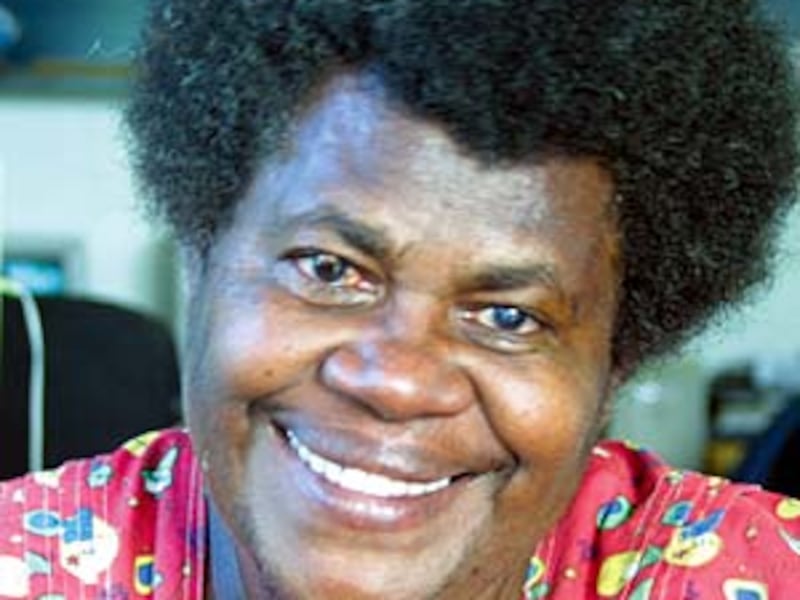
One of the earliest surviving active members is Leirey Willie of the Port Vila 1st Branch, who was baptized with her husband, Henry, in a lagoon near Port Vila on March 8, 1976.
She remembers that Canadian missionaries, who were also serving in Vanuatu later in 1975, met her husband, Henry, but they looked strange with their North American ways and white shirts. Her husband talked with them on the street about religion while his family watched from where they were hiding. She and her husband were interested, but in a couple of weeks, the Canadians were transferred from the islands.
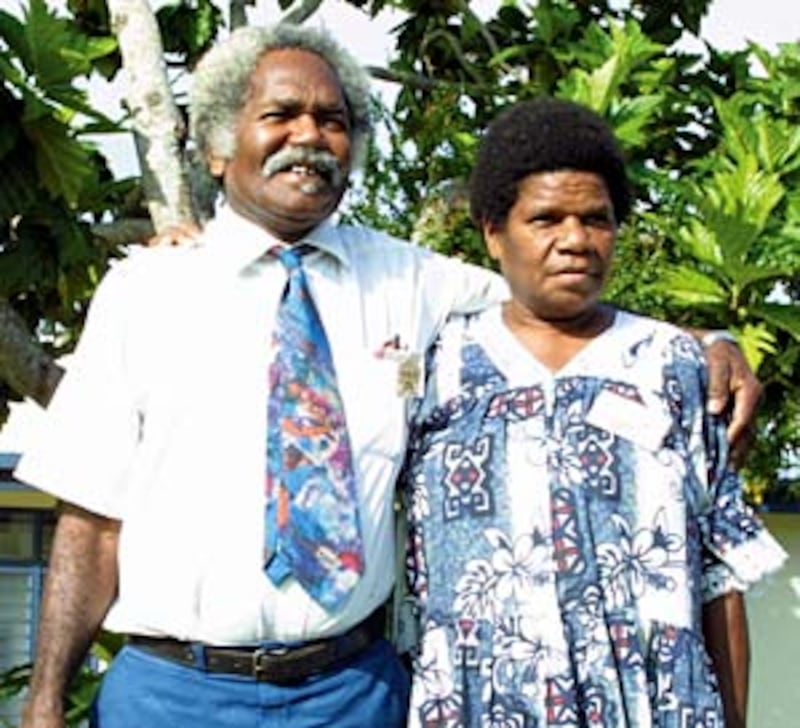
A short time later, Elders Mokofisi and Malohifo'ou walked past the Willie home and saw her husband cutting bushes in the front yard. They offered to help, but he declined because their clothing was too nice, she recalled. However, the family began taking missionary lessons.
"During that year, from 1975-76, we had many family problems," she said, explaining that her husband drank too much and didn't provide for his family. "I prayed for Heavenly Father to show me the way, and to change my husband's feelings."
After the discussions, she realized that her prayers had been answered. "I was very excited about the gospel and how the Lord changes lives," she said. "These [gospel principles] were the answers to prayers asked for so long."
She and a daughter and son were baptized, and her husband came into the Church later. Brother Willie was a faithful leader for many years; he died Jan. 15, 2003.
Among the converts on the neighboring island of Malekula was the family of Heribert and Mary Justine Tiasinmal of the Pinalum-Wala Malakula Branch. Their son, Honore, met missionaries in 1996, and, after becoming engaged, he invited his parents to his marriage and baptism.
His parents were furious and refused both. His father began shouting. Honore responded quietly and his father stopped shouting. But they remained at an impasse and the young man left the home determined to be baptized. His mother relented and accepted the invitations. She flew to Santo alone, but an older son followed. He warned his mother, "If you attend the baptismal service, you will be like him."
His words came true. She went to the baptismal service and there was touched by Honore's testimony. "I felt the Spirit tell me the Church is true," she said. "I wanted to follow the promptings of the Spirit."
After the service she remained in Santo and learned more about the Church. When she returned to Malekula, it was with an understanding of the Restoration. She shared this with her husband, who accepted her testimony. He called Honore and requested missionaries come to his village. They were baptized, but a local clergyman objected to the missionaries in the village and started a shouting match with Brother Tiasinmal. Brother Tiasinmal responded quietly and goodwill returned when the Tiasinmals invited the clergyman to dinner where they talked and laughed together. However, the missionary presence sparked a meeting of the chiefs of all the villages. They all spoke against the missionaries. Honore paid a fine of 1,000 vatu for having the missionaries come to the village; missionaries paid another 1,000 vatu for coming without permission and Brother Tiasinmal was fined 10,000 vatu and a pig. The missionaries were asked to leave.
After the edict, the missionaries and the Tiasinmals answered with great humility and gratitude for the kindness people had shown them. Eventually the missionaries returned and a branch has been established in a nearby village called Pinalum, where the Tiasinmals have ever since been long-time stalwart members and where Brother Tiasinmal is now serving as first counselor in the branch presidency.
E-mail: jhart@desnews.com
