



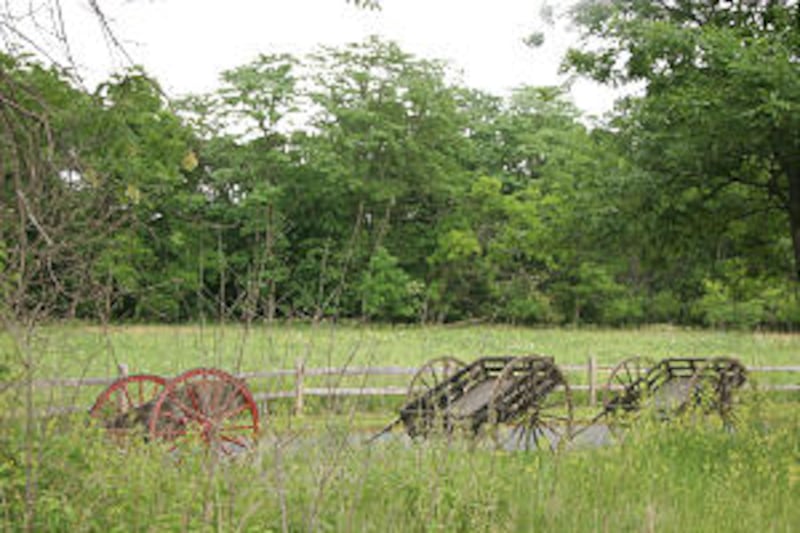
IOWA CITY, Iowa — By virtue of being the farthest railroad stop to the west in 1856, Iowa City gained the distinction in Church — and American — history as being the birthplace of the Mormon handcart venture.
While that is unlikely to have meant much to townspeople of the time, today it is very much a part of Iowa City's self-identity.
A major north-south street connecting the city with the adjoining suburb Coralville is named Mormon Trek Boulevard.
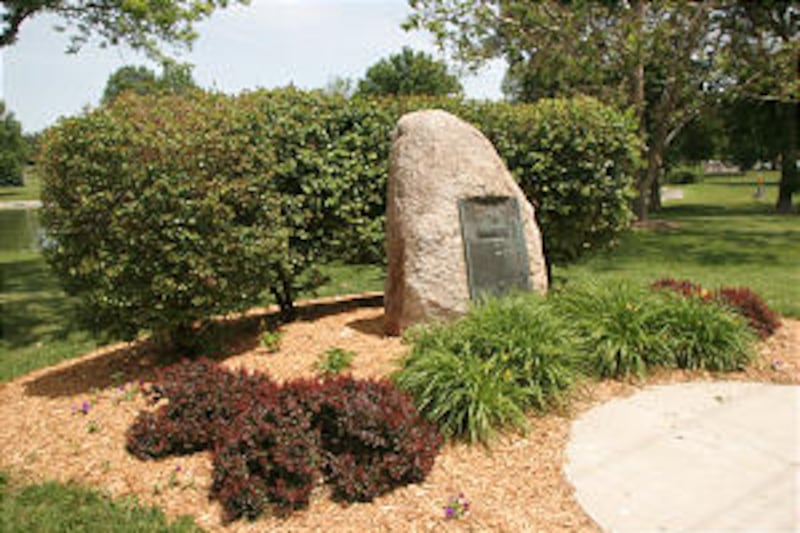
"I think probably full respectability and significance of the handcart pioneers was realized in 1936 by a memorial that was put up in Coralville, not by the Mormons but by the Daughters of the American Revolution," said Jeff Schabilion, professor of biological sciences at the University of Iowa at the Mormon Handcart Trek Symposium in Iowa City June 9.
The marker, a large granite boulder with a bronze plaque honoring the handcart pioneers, stands today at Coralville's St. Morrison Park north of the pioneer campground on Clear Creek. Attending the Dec. 17, 1936, dedication ceremony as a representative of the Church was President Bryant S. Hinckley of the Northern States Mission, father of President Gordon B. Hinckley. It was held in Iowa City's Old Capitol. The earlier President Hinckley "expressed the gratitude of all the people of the Church for the tribute paid in such noble fashion to the courage, faith and heroism of our pioneer forebears."
In 1967, a group of residents in Iowa City and Coralville established the Mormon Trek Memorial Foundation, which has since broadened its focus and become the Johnson County Historical Society. That same year, Iowa City artist Cloy Kent painted an image of a handcart pioneer family, based on the famous Torleif Knaphus bronze sculpture on Temple Square in Salt Lake City.
According to Dr. Schabilion, Sister Kent's painting became locally famous in its own right, as it was used on various brochures. It hangs today in a Church meetinghouse in Iowa City. It was featured in the May 12 Church News accompanying an article about the upcoming celebration in Iowa City.
The genesis of what would become Mormon Handcart Park in Coralville was in 1975. Dr. Schabilion said a fellow University of Iowa faculty member, Donald Doty, viewed the area of the early handcart campsite, which today is on university-owned land. "It was Dr. Doty's idea that this rather pristine area should be set aside because of its historical significance."
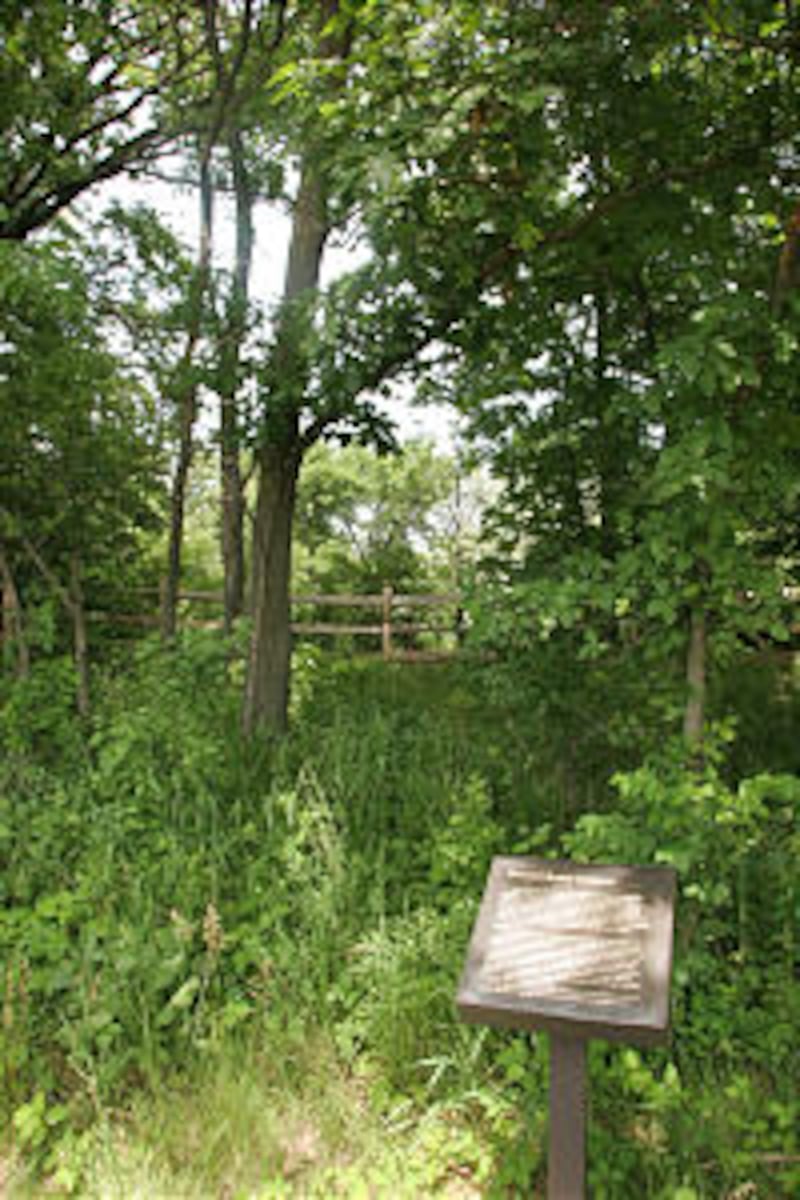
Dr. Schabilion, chairman of the campus planning committee, got behind the idea, and a proposal was written that the university make the land available and the Church provide the funding to develop and maintain the site. It was decided that the project have a dual purpose of a memorial park and a nature preserve. What has resulted is today a placid park of asphalt trails winding through native prairie grass and wildflowers, with informational markers telling the story of the handcart pioneers.
The city continues to honor its heritage of hosting the handcart pioneers. Funds are currently being raised for the erection of a replica of the Knaphus sculpture at a Marriott Hotel that will be constructed beginning in August, this under the auspices of the Salt Lake City-based Mormon Historic Sites Foundation (www.mormonhistoricsitesfoundation.org).
Across the street from the hotel, the Johnson County Historical Society is erecting a new museum, which will open in September. A centerpiece of the museum will be a full-size diorama depicting a handcart pioneer family. Society executive director Margaret Wieting said that making the diorama a permanent part of the new museum in this sesquicentennial year pays tribute to the organization's founding as the Mormon Trek Foundation in 1967. Funding for the $12,000 diorama is coming from efforts by the historical society, the Mormon Historic Sites Foundation and local Church members.
E-mail: rscott@desnews.com
