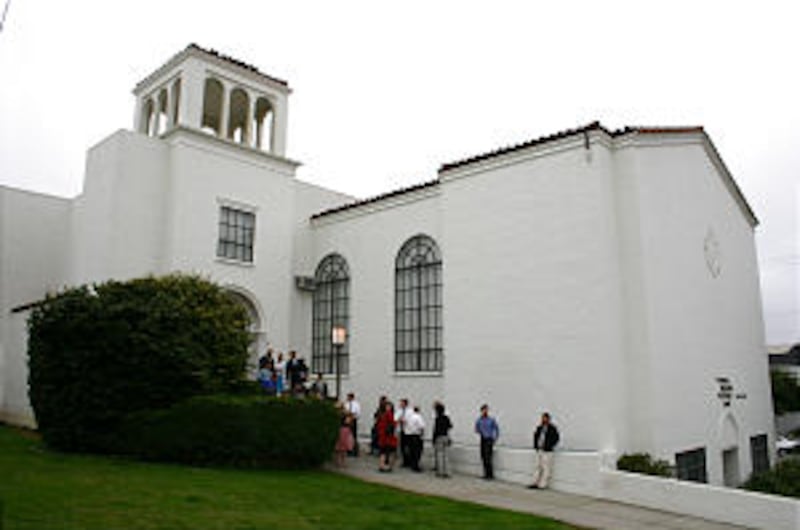
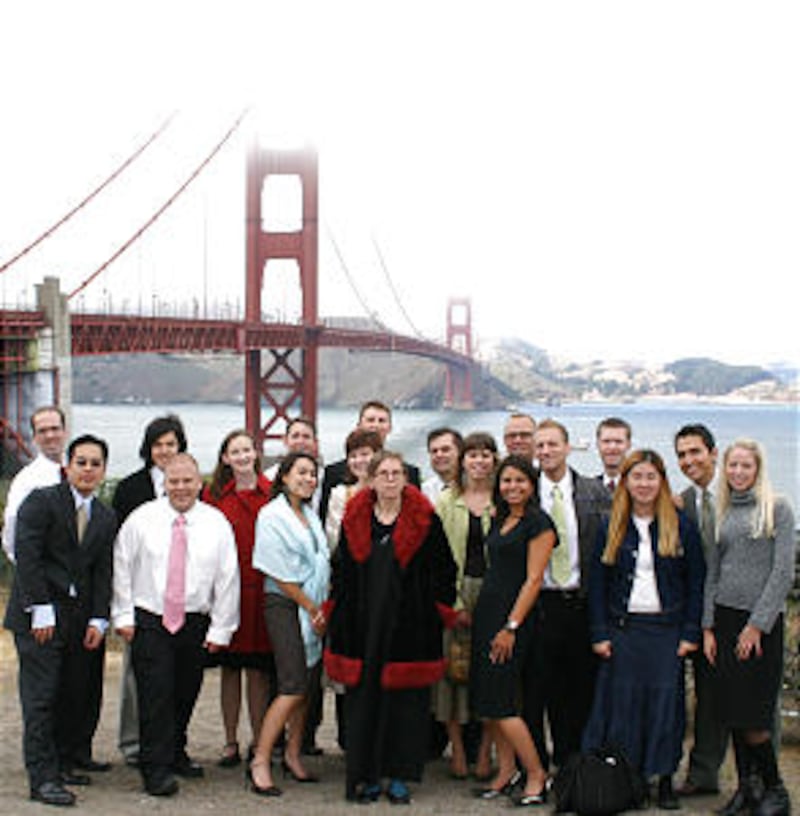
SAN FRANCISCO, Calif. — Driving through nearly deserted streets in San Francisco early on a recent Sunday morning, President Ronald E. Dillender spoke of the diversity of his San Francisco California West Stake. It was illustrated during the day at a meetinghouse in a west-central neighborhood of the city.
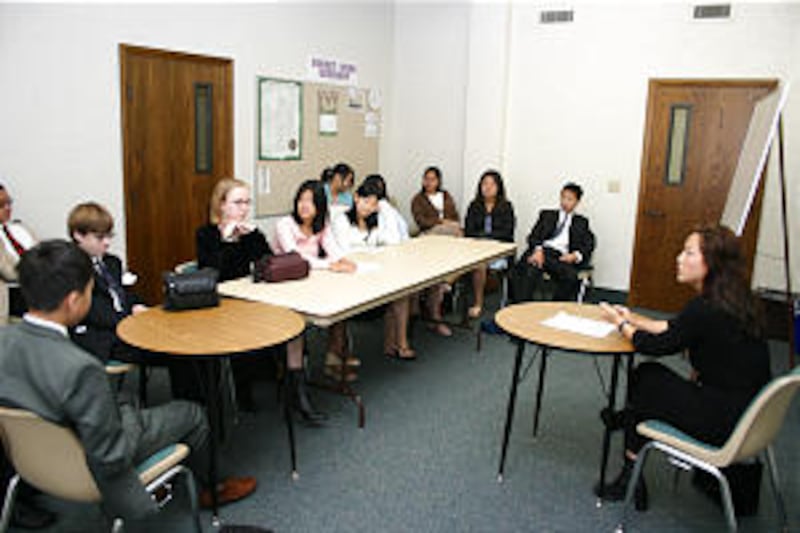
The Sunset Ward, a traditional family ward, met during the first block and was overlapped by the San Francisco Chinese Branch, which shares some of the resources of the Sunset Ward before holding its own sacrament meeting. During the final block of the day, the meetinghouse was energized by members of the San Francisco Young Single Adults Ward.
Of the eight units in the stake, only three are family wards drawing members from standard ward boundaries, President Dillender pointed out during the drive to the meetings. Challenges and blessings are the result, he said.
The Sunset Ward, South San Francisco Ward and Half Moon Bay Ward are those typical family wards. The Chinese branch is joined by the San Francisco Samoan Ward and Serramonte (Tagalog) Ward in providing meetings in non-English languages for members living anywhere on the northern part of the San Francisco Peninsula. There is also the Skyline Ward for the stake's single adults.
One stake of 18 units on the San Francisco peninsula was split in 1985 to form the west stake. Also on the peninsula are the San Francisco California Stake, which provides units for Spanish speakers, and the San Francisco California East (Tongan) Stake which draws membership from throughout the Bay Area.
A written stake profile states: "San Francisco West Stake is a rich amalgam of saints from many cultures, histories, and ethnic groups. Relatively few of the members in the stake are native to the area, and so the roots and culture of the stake and its units and members reach far and wide."
Attending meetings in the Sunset Ward is little different than doing so in countless other wards in the United States. Bishop Roger Curtis presides over the largest ward in the stake with boundaries roughly from the Golden Gate Bridge to the southern border of the city.
One of its members, Millan Freebairn, is representative of those not native to the area. He said that as a struggling teenager he made his way to the Bay Area from Utah to get lost from the Church, but ended up finding it. A big factor in his return was his wife, Mireille, who is a convert, and now he is in the stake Young Men presidency. Sister Freebairn, he said, loves teaching the youth because she wants to try to keep them from going through the struggles he did. Sister Freebairn was a producer of a popular Bay Area television program, but quit when their son, Jeff, was born.
Thomas Glenn moved to San Francisco as an apprentice with the San Francisco Opera Company and still lives here as his career flourishes. He recently completed an extended engagement singing in Vienna, Austria. He noted with interest that his grandfather, Grant Ursenbach, in the 1940s helped build the meetinghouse where he and the rest of the Sunset Ward now meets.
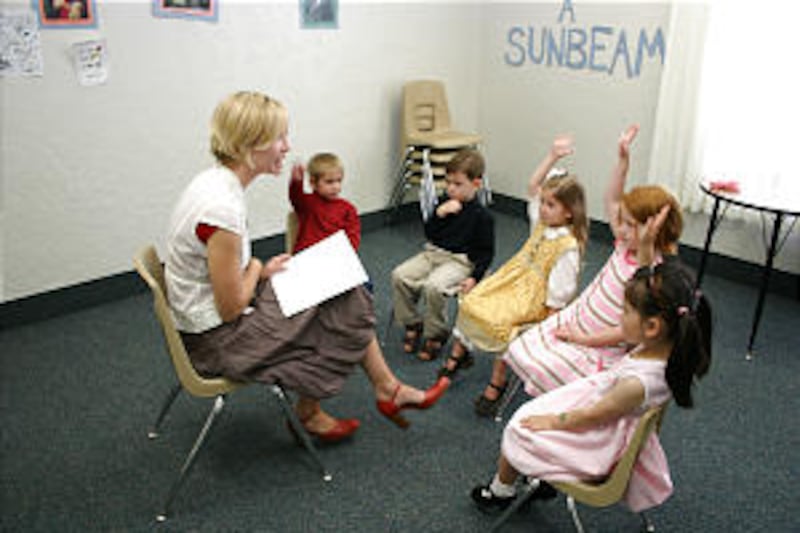
The Chinese branch has about 120 members and some of its youth and Primary children meet with classes of the Sunset Ward. President Dillender praised Branch President Andrew S. Lin for his devotion to the branch, including commuting more than 40 miles from his home in Livermore, inland on the east side of San Francisco Bay. President Dillender and President Lin said the Chinese Branch does well with missionary work and many of the converts are recent arrivals from Asia.
During sacrament meeting, talks are usually translated from Mandarin Chinese for English speakers. But on this day, the speakers were from the stake and their English talks were translated into Mandarin Chinese for the branch members.
The single adult ward is a collection of enthusiastic, faithful members from 18-31 years old. A few are native to the Bay Area, but most are transplants to San Francisco for employment or education. They come from as far away as Brazil and Mongolia.
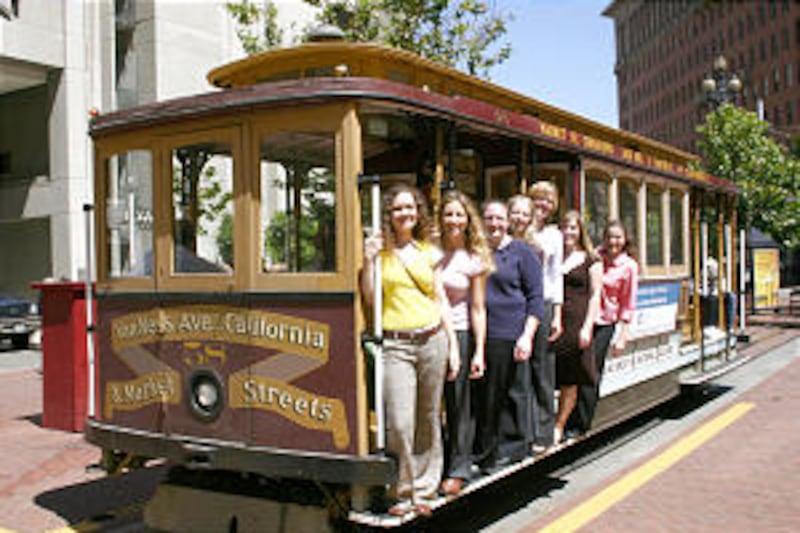
Several of them who work downtown gathered during their Monday lunch break at the Ferry Building Marketplace in the shadow of the San Francisco-Oakland Bay Bridge. They talked about the experience of living, working and living the gospel in San Francisco. Most of the young people, some from Stanford and East Bay wards, consider San Francisco to be a wonderful city and don't find any particular challenges to their testimonies other than those shared by most large cities.
Evelania Price is one of the exceptions who actually grew up in San Francisco. She said she didn't think her life was very different from youth elsewhere. She does believe she's more open-minded about some things because of her environment. She said she tries to "meet people where they're at and be a good example." She attended school at Utah Valley State College in Orem for a time and became familiar with the nature of the Church at its roots. Then, after serving in the Washington Seattle Mission, she returned to San Francisco and is happy to be here.
Rebecca Neve felt the influence of members from Utah while employed at a downtown San Francisco finance firm. The company recruits heavily from BYU and employs many Church members. Their example and friendship led her to investigate and join the Church.
Kelly Browne, the young single adult ward Relief Society president, grew up in Idaho Falls, Idaho. Soon after graduating from BYU, she went to work for the U.S. Department of Defense in Washington, D.C. She said she hoped for an overseas assignment but was transferred to San Francisco. Rather than feeling disappointed, she feels like the Lord guided her here. "So many wonderful things have happened to me here, like being the Relief Society president," she said.
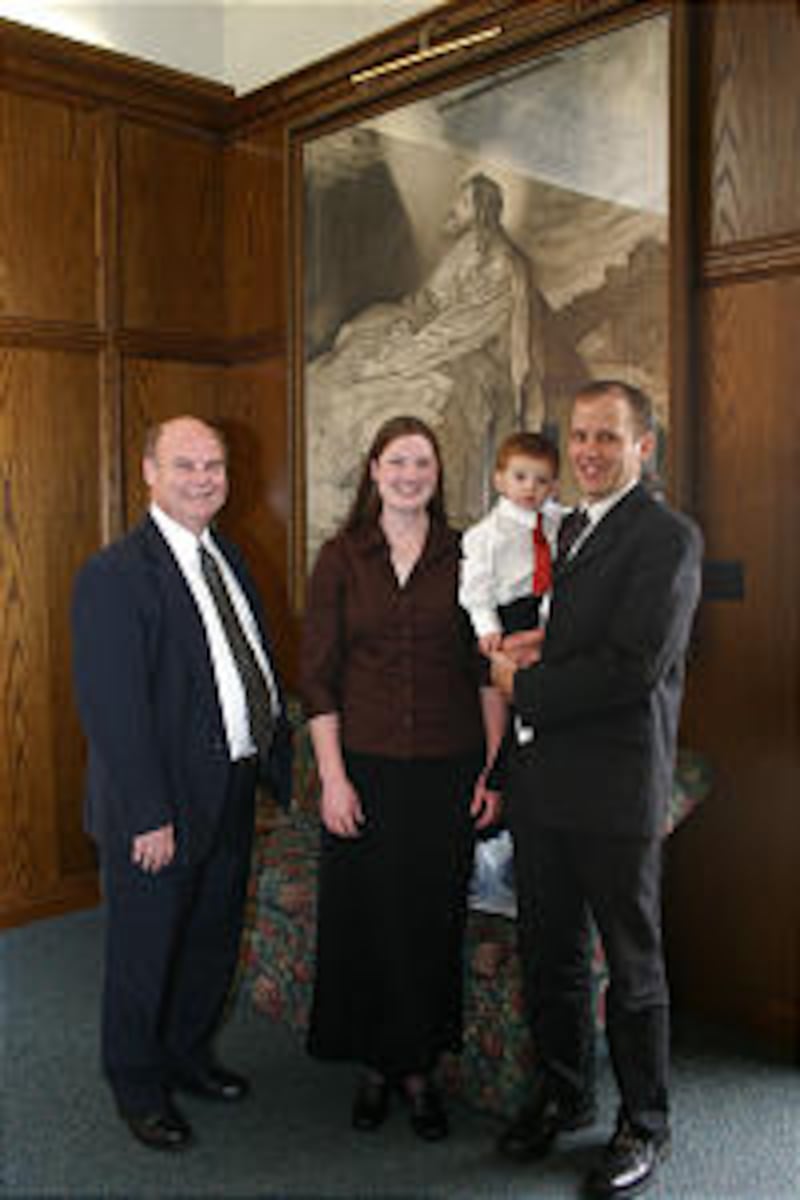
President Dillender himself was born and raised in the Midwest, but joined the Church after moving to the Bay Area. He now lives in Pacifica, south on the peninsula. Watching him interact on a Sunday with members in one San Francisco meetinghouse, it was apparent he is a man who is loved and respected.
One of the challenges of such a diverse stake is providing stake leadership; the three traditional wards are the source of most of it. Travel distance can be extreme, especially for the Chinese, Filipino and Samoan members, because their boundaries extend beyond the stake boundaries on the peninsula. There are also the inherent issues of ethnic and cultural diversity that include language and traditions.
But in the stake profile President Dillender provided, it says, "While many of the area's active members were born and raised along Utah's Wasatch Front, there are equally large numbers of saints from elsewhere in the United States, and from the rich cultural centers of Latin America, Asia, the Philippines, and the Hawaiian and Polynesian island groups of the Pacific. All these have blended together to form a unique tapestry of family, church and community life where all are blessed through associations together within the common purposes of the gospel."
E-mail to: ghill@desnews.com