



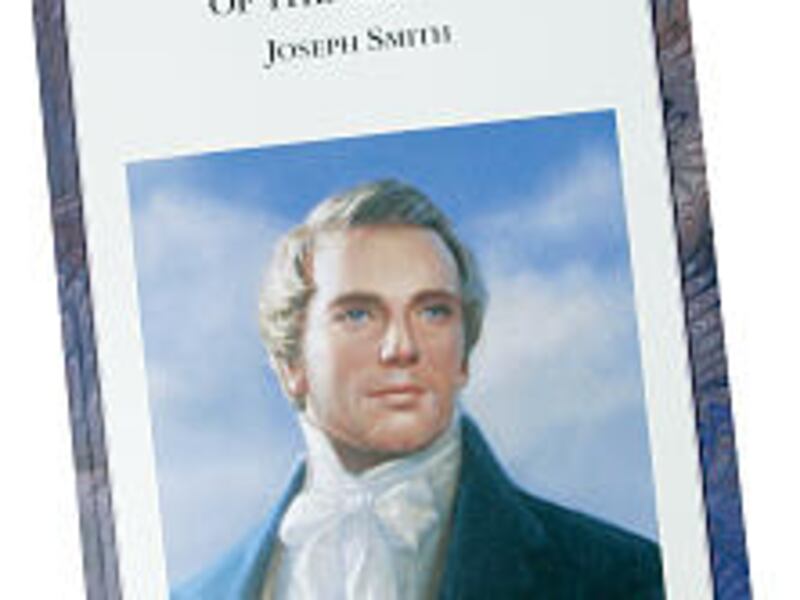
On the night of Sept. 23, 1823, a 17-year-old Joseph Smith was engaged in prayer. Three years previously, he had received a glorious manifestation, wherein God the Father and Jesus Christ had communicated with him face to face.
Generally persecuted and derided for his report of that vision, yet confident of its genuineness, the adolescent Prophet was now anxious to know of his standing before God and expected to receive another divine manifestation.
His desire was fulfilled when an ancient Nephite prophet, now in resurrected and glorified form, appeared to him.
"He called me by name," Joseph later recounted, "and said unto me that he was a messenger sent from the presence of God to me, and that his name was Moroni; that God had a work for me to do; and that my name should be had for good and evil among all nations, kindreds, and tongues, or that it should be both good and evil spoken of among all people" (Joseph Smith — History 1:33, emphasis added).
That prophecy's fulfillment had its beginnings in Joseph's lifetime, as he was the instrument for the latter-day restoration of the gospel in its fulness and of priesthood keys and authority; today, it continues to be fulfilled on a daily basis, 163 years after Joseph's death at the hands of a mob.
Consider these examples:
• Very recently, on a national news program where informed, intelligent debate is supposed to be the norm, a pundit makes savage and vile accusations against the character of Joseph Smith while disparaging the faith of his followers.
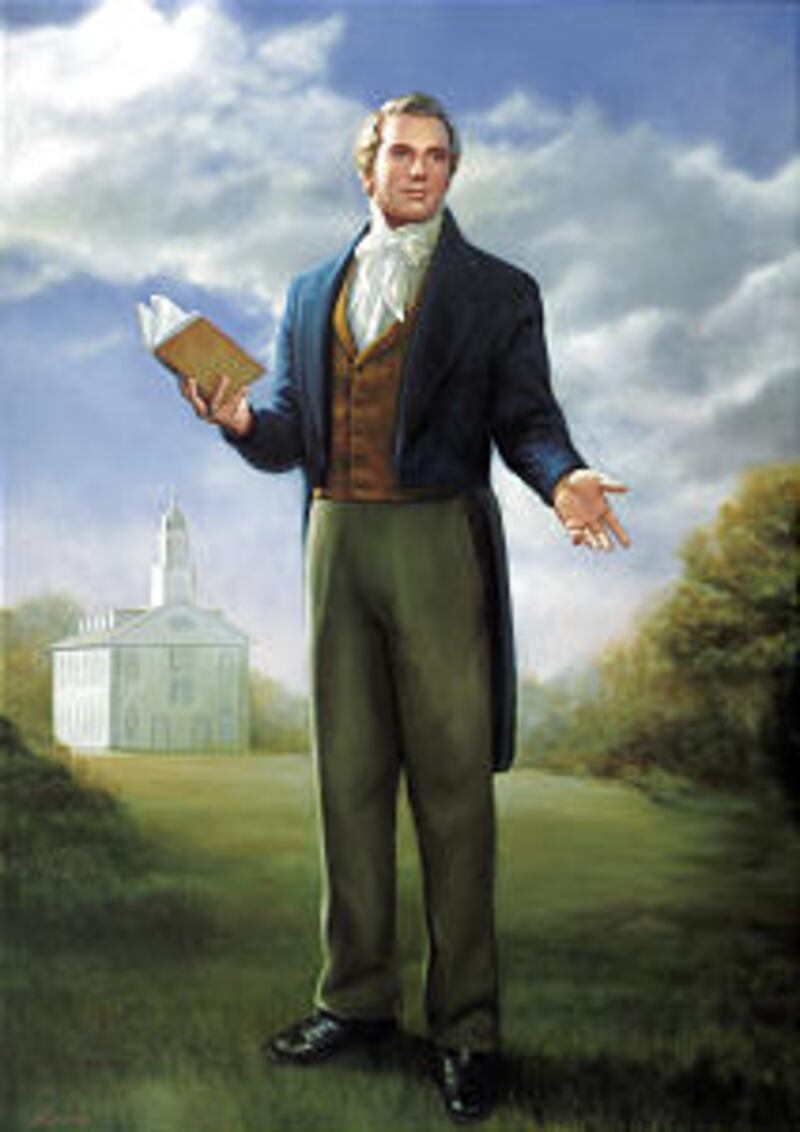
• On the Internet, alternatively named "the Worldwide Web" for its global
pervasiveness, Joseph Smith is the subject of numerous sites that vilify and make scurrilous charges against him based on the slimmest and most unreliable of historical evidence.
On the other hand:
• On that same Internet, other sites affirm the authenticity of Joseph's divine experiences and theological teachings and proclaim him a prophet of God according to the scriptural pattern. One of these, www.josephsmith.net, is sponsored by the Church.
• A force of missionaries, never fewer than 30,000 since 1995, is in various parts of the world promulgating the message and doctrines of the Restoration given through the Prophet Joseph Smith.
Truly, the words of Moroni are being fulfilled, that Joseph's name would be "both good and evil spoken of among all people."
In keeping with the prediction that it would be had "for good ... among all nations, kindreds and tongues," adult Church members in Melchizedek Priesthood quorums and the Relief Society in January embark on a two-year study of the teachings of Joseph Smith. Fittingly, this comes just a few days after the 202nd anniversary of Joseph's birth, which was on Dec. 23, 1805.
A manual produced for the course is part of the Teachings of the Presidents of the Church series established several years ago by the First Presidency and Quorum
of the Twelve to help Church members deepen their understanding of the restored gospel and draw closer to the Lord through the teachings of latter-day presidents of the Church.
Within 557 pages (excluding the appendix and index) are discussed the Prophet's teachings on the Godhead, the Book of Mormon, baptism and the gift of the Holy Ghost, the priesthood, personal revelation and other gifts of the Spirit, the Plan of Salvation, the Second Coming and the Millennium, and the ordinances and blessings of the temple.

Through these teachings, the reader learns or is reminded that Joseph Smith blessed mankind in the following ways, among others:
• He restored to the earth a correct understanding of the nature of Deity and the
gospel of Christ, correcting errors that had become embedded in the consciousness of mankind through centuries of apostasy and the resulting corruption of doctrine.
• He was the instrument through which priesthood authority and keys were restored
to the earth, enabling men and women to receive ordinances of salvation and exaltation. This restoration had its culmination in the revelation of doctrines and rites associated with the temple.
• By the gift and power of God, he translated the Book of Mormon, giving to the world Another Testament of Jesus Christ and sustaining and illuminating the Bible in its witness of His divine mission and Atonement.
• He conveyed to the world numerous revelations from God for the blessing and
salvation of mankind, fulfilling the Lord' s directive that "this generation shall have my word through (him)" (Doctrine and Covenants 5:10).
• He gave to mankind a glimpse of eternity, conveying revealed knowledge about
the three degrees of glory, about salvation and deliverance for men and women who have died without a knowledge of the gospel or opportunity to receive the saving ordinances, and about the ultimate destiny of the righteous to become like Heavenly Father and be joint-heirs with Christ of all that the Father has.

In the dark days of the persecution of the Church in Missouri in the 1830s, some of the most faithful brethren became disaffected and left the Church, in some cases joining in the persecution. In particular, William W. Phelps had been printer to the Church, and from his press in Independence had emanated revelations given to the Prophet that were later included in the Doctrine and Covenants. Later, mobs destroyed his printing establishment and residence.
After his apostasy in 1838, he bore false testimony against Joseph and other Church leaders, leading to their imprisonment. In 1840, he wrote to Joseph pleading for forgiveness. This, the Prophet freely granted, penning the lines: "Come on, dear brother, since the war is past, For friends at first are friends again at last."
Soon after Joseph was martyred in 1844, Brother Phelps expressed in poetry his grief, love for the Prophet and ultimate triumph for his eternal destiny. Despite relentless efforts by adversaries to stain the reputation of the Prophet, millions of Latter-day Saints today sing Brother Phelps' words:
"Hail to the Prophet, ascended to heaven!
"Traitors and tyrants now fight him in vain.
"Mingling with Gods, he can plan for his brethren;
"Death cannot conquer the hero again" ("Praise to the Man," Hymns, No. 27).

E-mail to: rscott@desnews.com
