



Second in a series
Note: The Joseph Smith Papers Project has been called "the single most significant historical project of our generation" by Elder Marlin K. Jensen of the Seventy, Church Historian and Recorder. An Oct. 25 Church News article gave a broad overview of the project; this article examines the "Journals" series of the Prophet's papers.
In a revelation dated Nov. 27, 1832, the Lord commanded that a "history and a general church record" be kept "of all things that transpire in Zion" (Doctrine and Covenants 85:1).
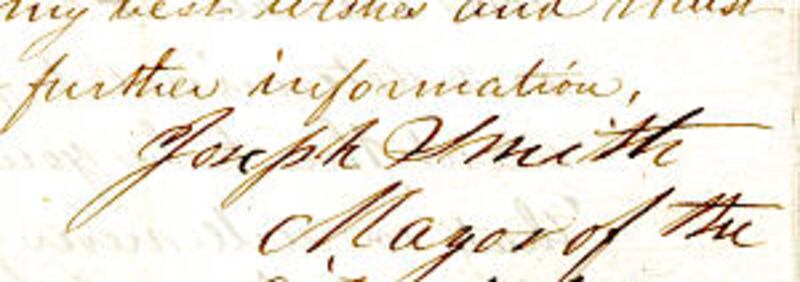
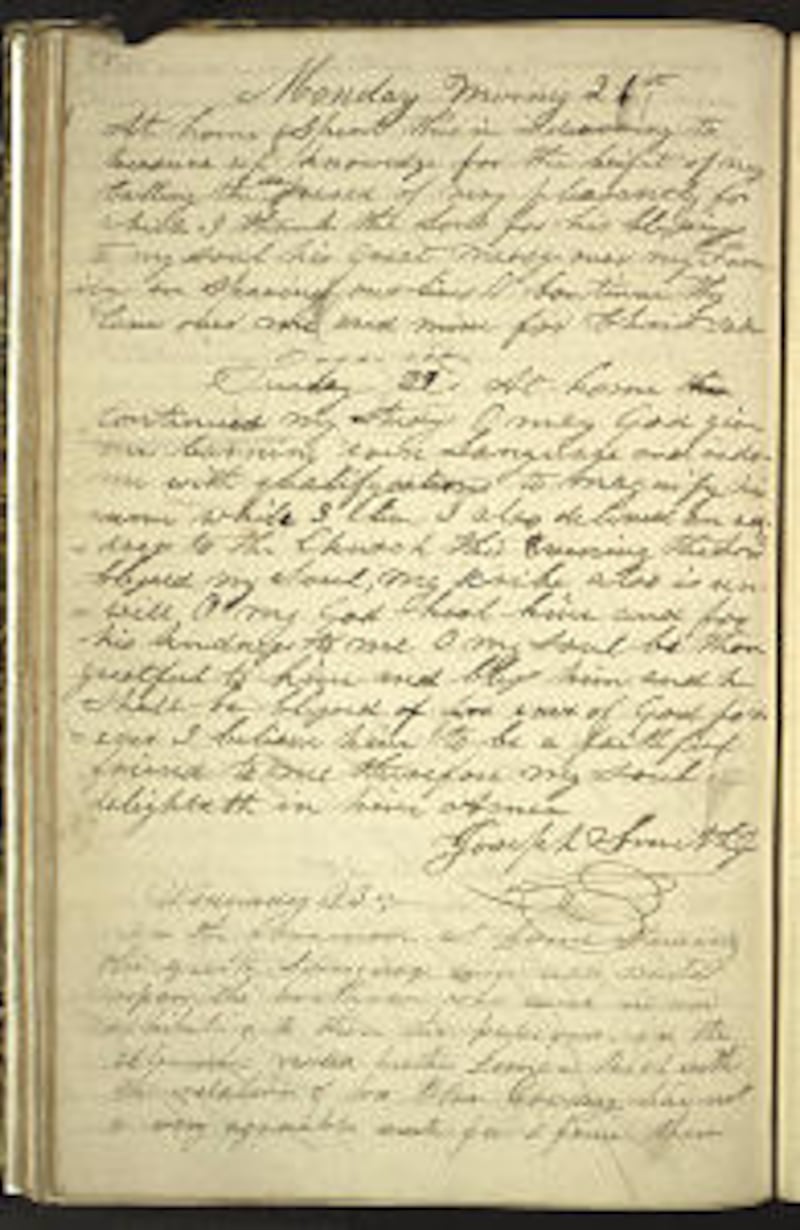
That same day, the Prophet Joseph Smith made his first entry in his first diary which, he wrote, had been purchased "for the purpose to keep a minute (meaning exacting and precise) account of all things that come under my observation."

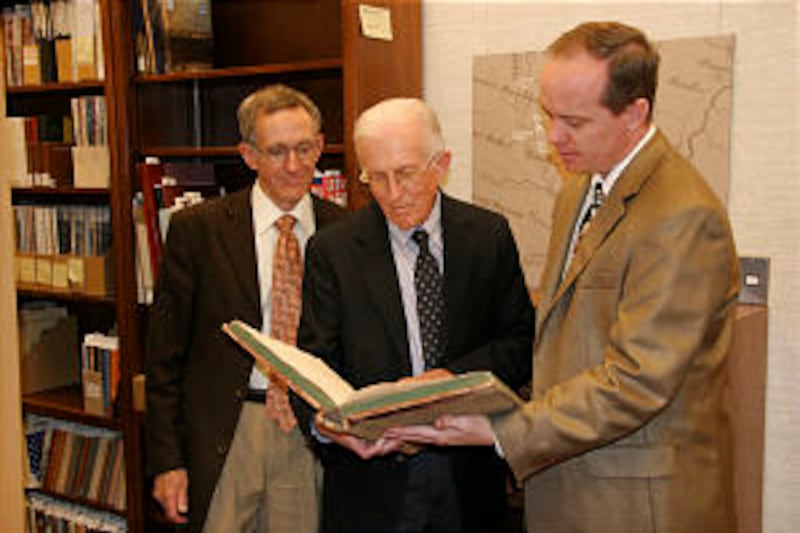
"My impression is that he viewed his own journal-keeping effort as a partial fulfillment of the commandment that he had been given to keep a record of those things that transpired in the Church," said Alex D. Smith. Brother Smith is a co-editor of the Nauvoo volumes of the "Journals" series in the Joseph Smith Papers Project.
That first journal of the Prophet and subsequent records that were kept in his behalf by clerks and scribes form an authoritative account of the early history of the Church.
All of Joseph's diaries and journals — both those he wrote personally and those written for him — will be published beginning later this month with the release of the first volume in the Joseph Smith Papers Project. Journals 1, 1832-1839 includes that initial diary and continues with other records up to the founding of Nauvoo. Journals 2, 1841-1843 and Journals 3, 1843-1844 continue the record up to Joseph's martyrdom.
The project to collect and publish the records "has a life of its own today," said Dean C. Jessee, who laid the groundwork for it with his The Personal Writings of Joseph Smith (1984), and two-volume The Papers of Joseph Smith (1989 and 1992 respectively).
Brother Jessee, who undertook his compilations at the suggestion of then-Church Historian Leonard Arrington, eventually envisioned a more extensive undertaking which, in his words, has "flowered forth into what it is now."
"When the volume comes out this month, you will be able to compare it with what was done earlier, and you'll be able to see what money, brains and inspiration can do for a project over a period of time," he said. "The text will be essentially the same, but the supportive material — the notes and annotations — will make it much better understood by people. Without the resources of the Church and the funding of Larry H. Miller, which has allowed the hiring of an array of very talented people, the project would not be what it is today."
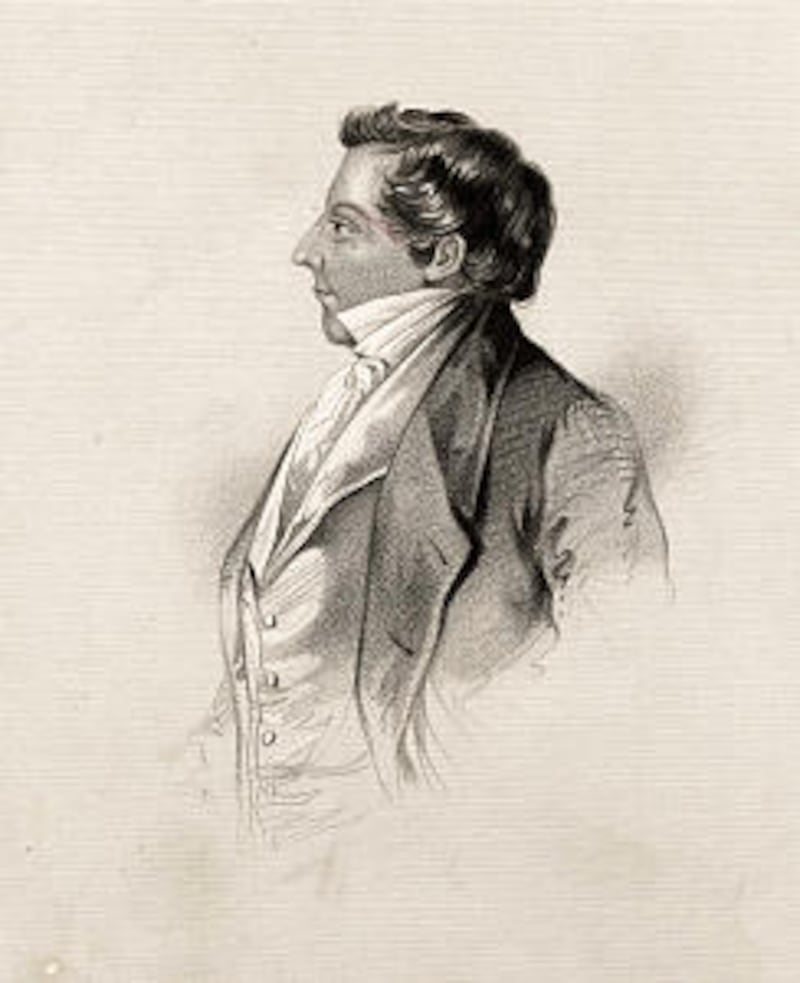
The Prophet did relatively little of the actual writing himself; only 36 out of 1,500 pages contain his actual handwriting, Brother Jessee said. "He didn't feel adequate in writing. He depended a lot on clerks and others to write for him."
Richard L. Jensen, who serves as review editor for the entire Joseph Smith Papers Project and who wrote introductory material for the components of the first Journals volume, explained: "We start out very close to Joseph Smith, who apparently has the intention of keeping a detailed personal journal in which he does the writing himself. That doesn't last very long."
But from that handwritten diary and, early on, dictation to scribes, "you get something that's pretty close to his mind," Brother Jensen said.
Joseph would sometimes "size up his day" in the form of brief prayers, Brother Jensen said. For example, his very first entry, from Nov. 27, 1832, contains this: "Oh may God grant that I may be directed in all my thoughts. Oh bless thy Servant. Amen." Such personal touches are absent from later journal material.
"So you have his own personal handwritten material," Brother Jessee summarized, "and then you have the part that was dictated by him, and then you have the part that was farmed out to Willard Richards and other clerks. So unless you understand that, and unless you can see where one leaves off and the other starts, which you will be able to do in this series, you don't get a very even look at Joseph's personality."
Since the Prophet's journals were used as the running narrative text of the classic seven-volume History of the Church, a reader of that work might get a misleading impression of Joseph's personality.
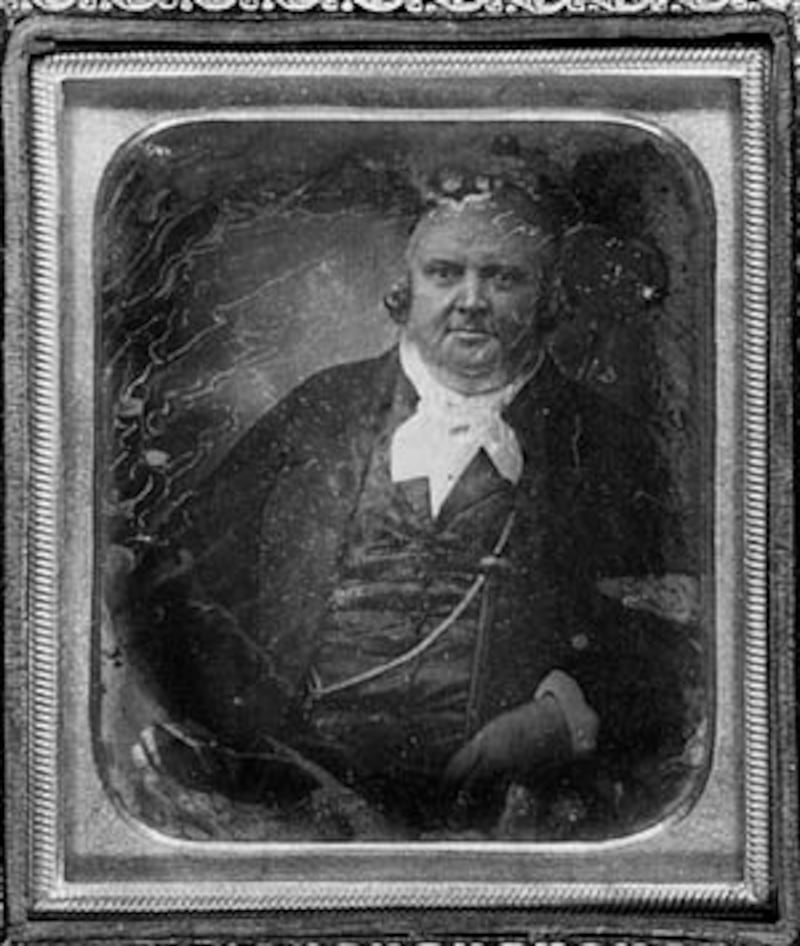
Indeed, clerks customarily wrote in the first person as though they were Joseph Smith. "That was the norm during the Nauvoo period," said Brother Smith, whose focus has been on the second and third volumes of the series.
Though History of the Church bears the Prophet's name as author, there are lengthy periods of time covered therein for which no journal was kept, especially in the 1830s.
"During those times, a lot of the entries in the history are taken from other people's reminiscent accounts or contemporary journals, and they too are transferred to Joseph Smith as first person," Brother Smith said.
Unlike History of the Church, nothing in the forthcoming volumes was transferred from other journals. Annotations and explanatory material sort out who is doing the writing, whether the Prophet himself or scribes.
Careful scrutiny of the text, involving three levels of text verification, high-resolution scanned images and, in some instances, multi-spectral imaging ensures a high level of accuracy.
Sometimes, such care uncovers surprises. For example, an entry in History of the Church 5:209 records that on Dec. 26, 1842, Joseph's wife Emma was "delivered of a son, which did not survive its birth." The actual journal entry for that date states that Emma, who had been sick for about three months, had another "chill." The l on the end of the word was mistaken for a d by the clerk, who assumed the child was a boy and was stillborn, because there was no subsequent record of him. The clerk inserted the explanatory phrase "which did not survive its birth." Thus, for generations, the history erroneously recorded a non-existent birth.
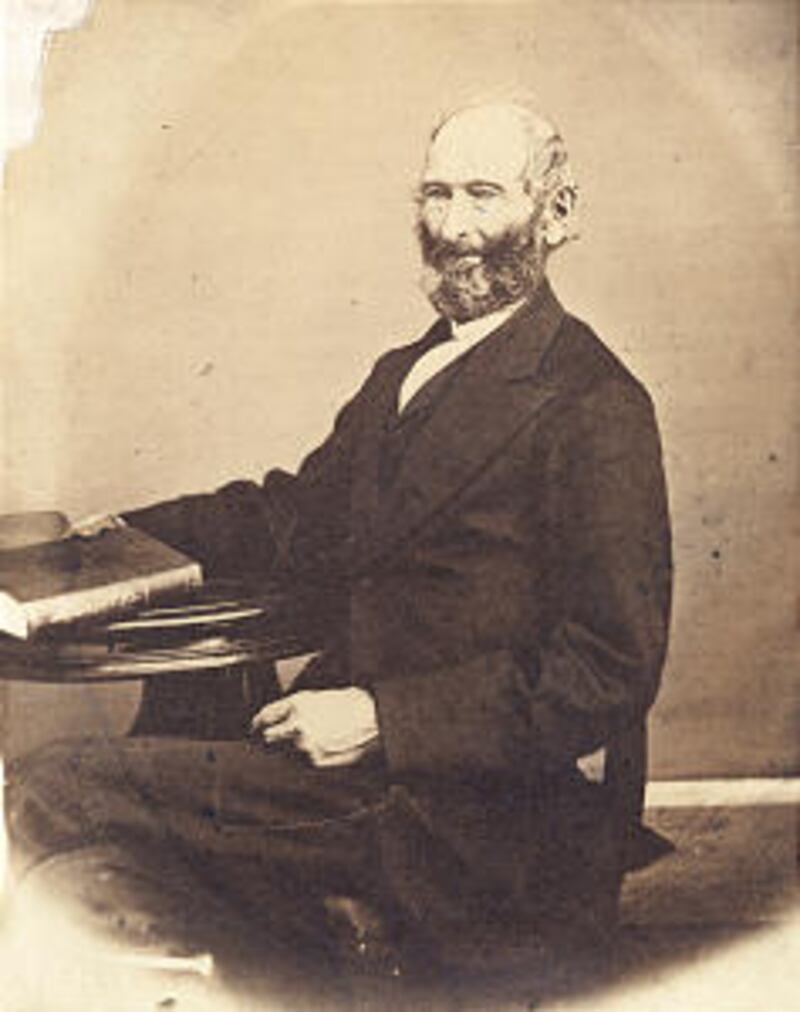
Notwithstanding helpful annotations and explanations, the journals are presented in raw form with original wording, spelling and punctuation. Nevertheless, Brother Jessee said, "It's one of the most important documents in the history of the world, in my estimation, for this reason: The journals give an insight into what it means to lay the foundation for the dispensation of the fulness of times. That's what Joseph was sent to do, lay the foundation for Zion."
His colleague, Richard Lyman Bushman, the Journals series editor, who drew on the developing Joseph Smith Papers Project for his own biography of the Prophet, Rough Stone Rolling (2005), echoes Brother Jessee's sentiments about Joseph.
"The more you look at him, the more you understand what he had to overcome. He was climbing hills all the time. You certainly develop a huge admiration for his resolution and determination, and out of that comes the belief that he was absolutely committed to these extremely difficult goals that the Lord had set for him. At the end you feel this was an extraordinarily sincere person, one who wouldn't give up."
E-mail to: rscott@desnews.com
