



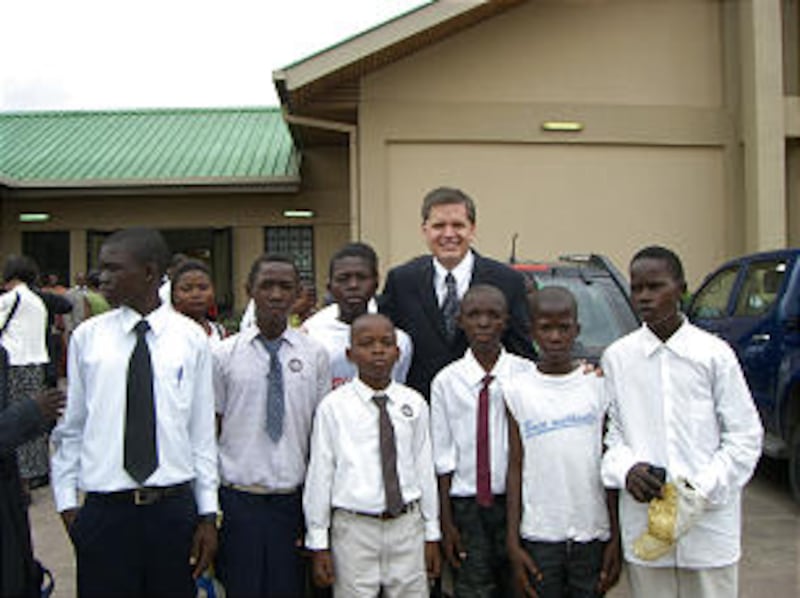

The Church's Sunday School General President, Russell T. Osguthorpe, and his counterpart in the Young Men General Presidency, David L. Beck, recently embarked on a tour to Africa, visiting members in a trio of nations.
They returned home to Church headquarters with a better understanding and appreciation of the many challenges — and opportunities — facing members in a young, dynamic corner of the Church. "I developed a great love, respect and compassion for all the areas we visited," said Brother Beck.
The Africa tour marked the first trip to the continent for both men. Brother Osguthorpe and Brother Beck — along with their wives, Sister Lola Osguthorpe and Sister Robin Beck — met with members and investigators of many backgrounds during stops in Durban, South Africa; Maputo, Mozambique; and Kinshasa, DR Congo. They were accompanied in each country by members of the Africa Southeast Area Presidency, including Elder Paul E. Koelliker, Elder F. Michael Watson and Elder Dale G. Renlund, all of the Seventy.
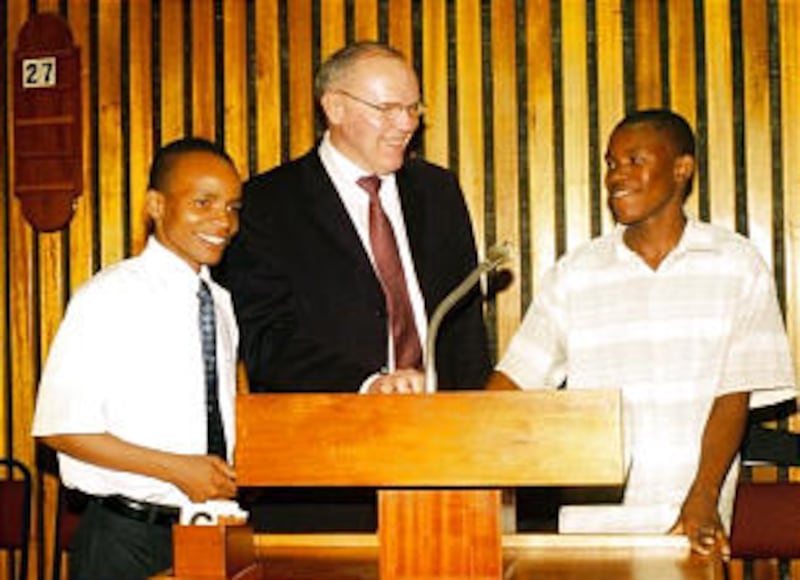
"The area presidency was just wonderful with us," said Brother Beck.
Despite being newcomers to Africa, the general auxiliary leaders utilized language skills acquired during full-time missions in distant lands. Brother Osguthorpe spoke French in the Congo, while Brother Beck delivered his training in Mozambique in Portuguese.
Indeed, training defined much of their tour. Brother Osguthorpe said the basic principles of his instruction in Africa were no different than what he would teach an audience of teachers in, say, Draper, Utah: "My purpose is to help gospel learning and teaching and help Sunday School leaders improve their work."
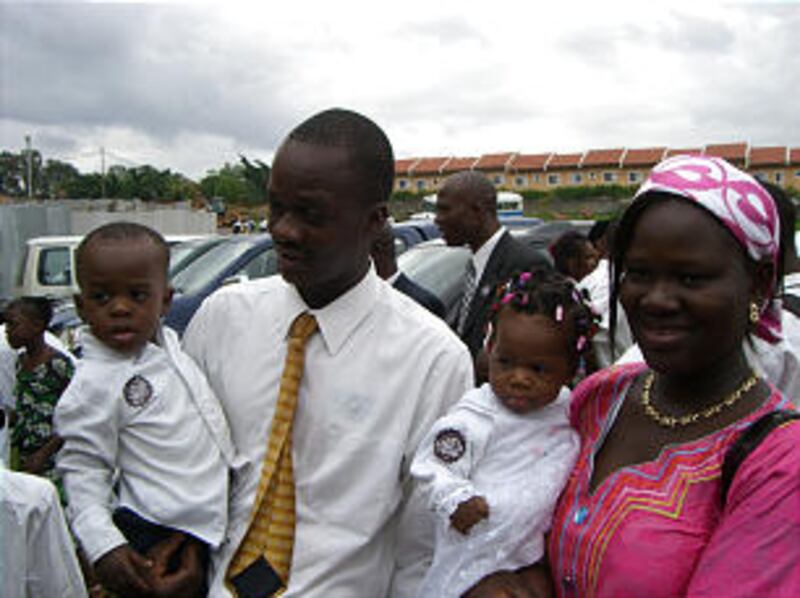
Brother Osguthorpe participated in several firesides and training sessions in the three countries he visited. He was impressed by the faith and enthusiasm of the African members, many of whom are converts to the Church and burdened by dire economic and social circumstances. He spoke of being humbled by the Congolese members who traveled to the meetinghouse in the capital city of Kinshasa to attend meetings held throughout the day. He guessed some went without some necessities. Counted among the many who attended a stake conference in the Congo were some 200 investigators.
"The people came to the meetings beaming and happy," he said, "They had the hymns memorized. It was amazing."
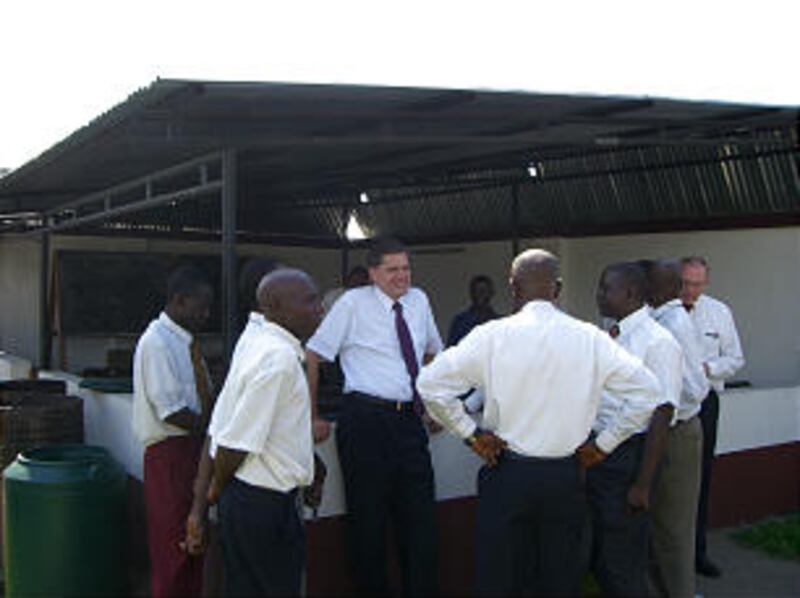
Brother Osguthorpe centered much of his instruction on ways members from any Church organization — Sunday School, Primary, Relief Society — can improve their teaching. During question-and-answer sessions, he responded to the same sorts of questions teachers might pose anywhere in the world, including queries about, yes, working with disruptive students.
He also encountered a novel "problem" facing one local Sunday School class: "The class members prepare so well before class that they bring a long list of questions." The teacher, he said, struggles to squeeze in time for the lesson while trying to answer the students' many inquiries.
Meanwhile, Brother Beck focused much his Young Men training on the importance of developing relationships — relationships within families, relationships within priesthood quorums and a member's personal relationship with Christ. Many of the young men in African congregations do not come from member families who are active in the Church, so bishops and youth leaders, he said, play a central role in helping youth develop such essential relationships.
He also taught the duties of the Aaronic Priesthood and how functioning quorums provide brotherhood, an efficient service unit and a class setting for gospel instruction. Every member in Africa and beyond, he added, has a special mission to perform in their own lives.
Like Brother Osguthorpe, Brother Beck said he was humbled by the many challenges facing many of the African members he visited. He was inspired by the faith many exhibit amidst such difficulties.
