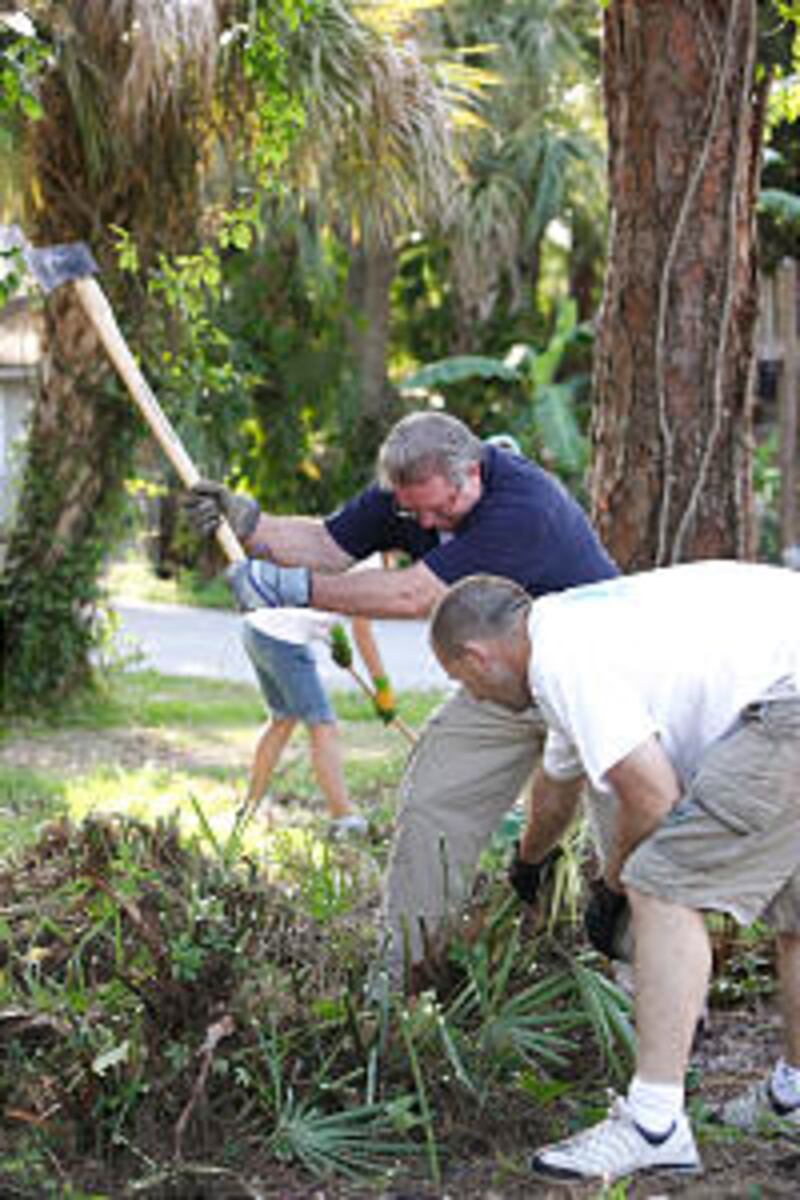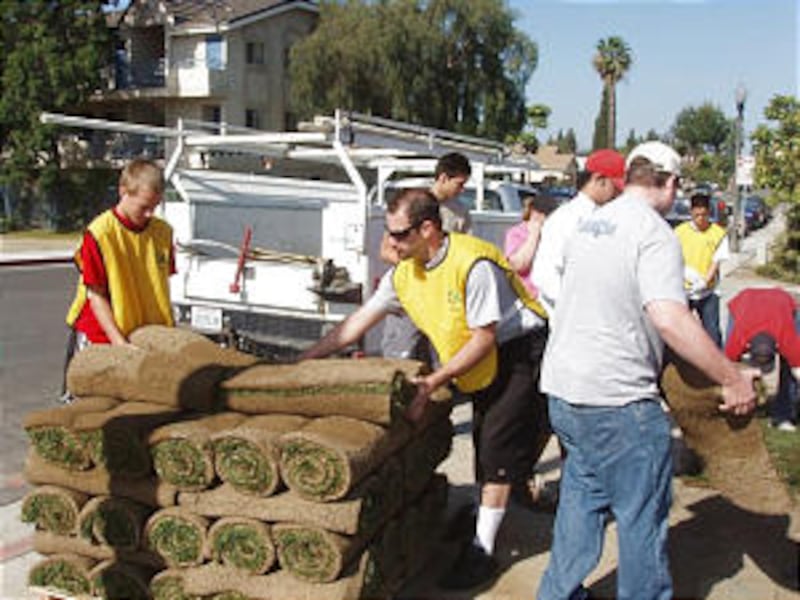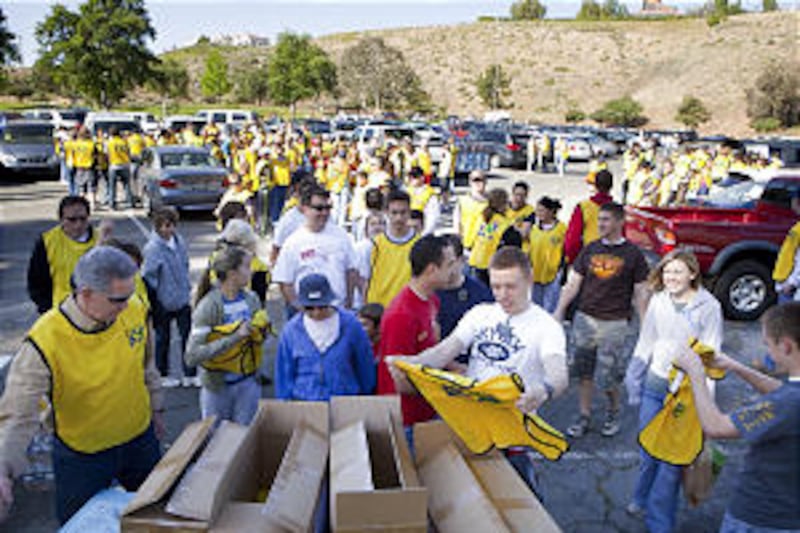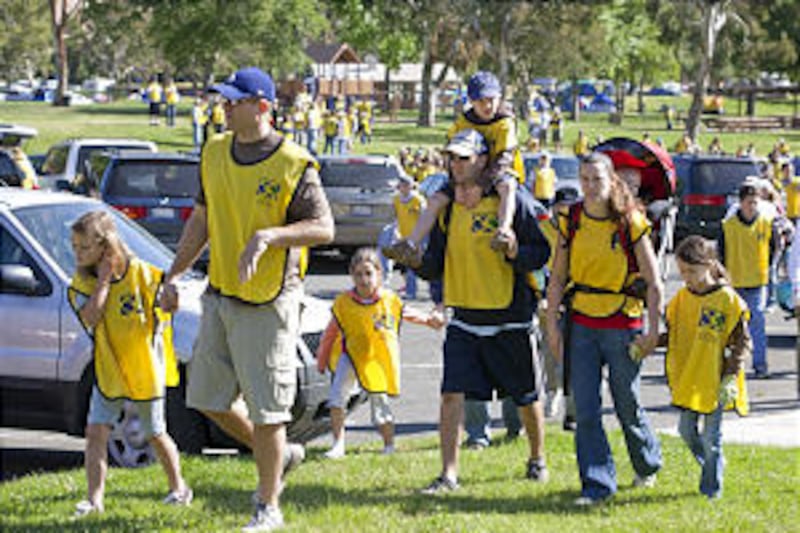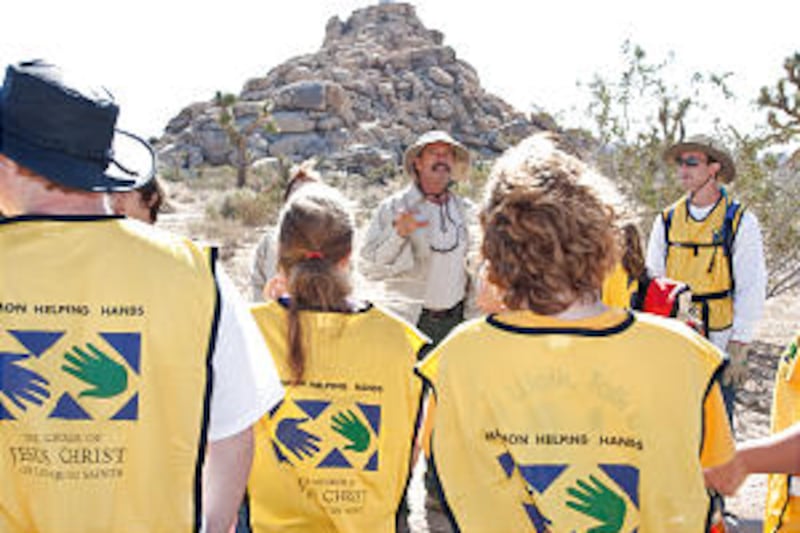
Tens of thousands of Church members collectively rolled up their sleeves and simultaneously rendered community service on April 25.
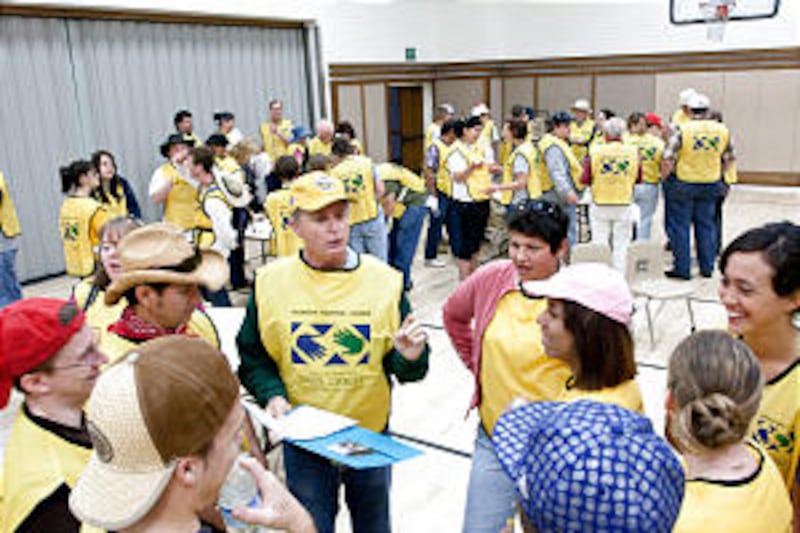
In the southeastern United States 96 stakes in 11 states ranging from Florida to Indiana participated in interfaith service collectively termed the Helping Hands and Linking Arms Project. Thousands of miles away in Southern California, approximately 90 stakes donned yellow vests emblazoned with the Mormon Helping Hands logo and volunteered in projects stretching from Barstow to the Mexican border.
Southeast Area
Elder Walter F. Gonzalez, a member of the Presidency of the Seventy and president of the Church's North America Southeast Area, oversaw efforts to organize the Helping Hands and Linking Arms Project.
"Helping others is valuable to the person being served but may be of even more importance to the person serving because it causes him or her to forget their own problems for just a few minutes and experience the joy of service," Elder Gonzalez said in a statement on the Church's Web site.
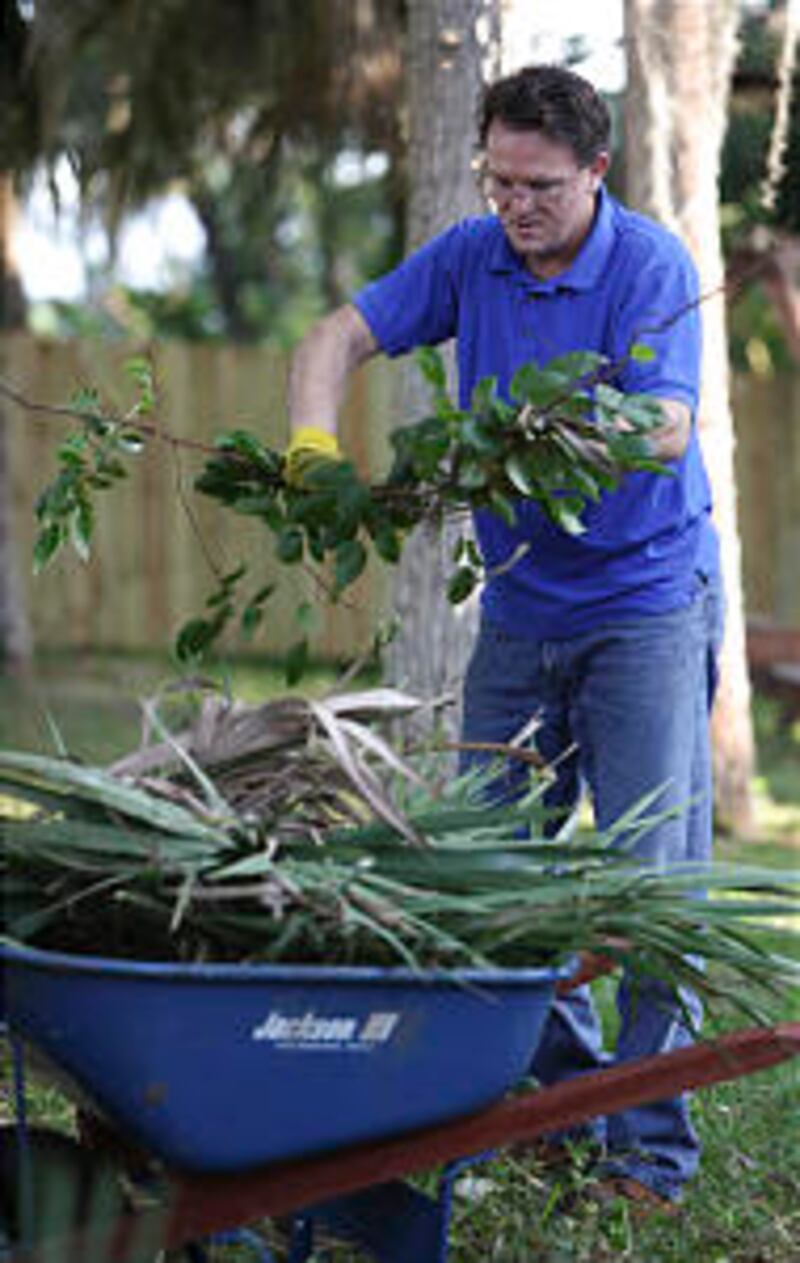
A unique aspect of the project was its concerted effort to have LDS stakes partner with service organizations and municipalities for projects to beautify and improve local communities.
"We partnered up with over 500 local organizations in the Southeast," said Elder M. Anthony Burns, an Area Seventy. "They ranged the complete gamut from other religious organizations to civic organizations, other non-profit organizations, educational organizations.
"Of the 96 stakes in the Southeast Area, all 96 were involved in this. All of them had a project that they worked on under the direction of the individual stake president."
Elder Burns noted that although the positive public relations stemming from the day of service were a welcome benefit, the procurement of positive publicity was not the primary aim of the Helping Hands and Linking Arms Project.
"An important point to make is this was not just done for public affairs," he said. "This was done because it's the right thing to do. The celestial law of helping those that are in need was at work, where we had helping hands and linking arms to do it.
"We didn't want to just be seen; we wanted to be seen doing things that are good. We wanted to do things that are right."
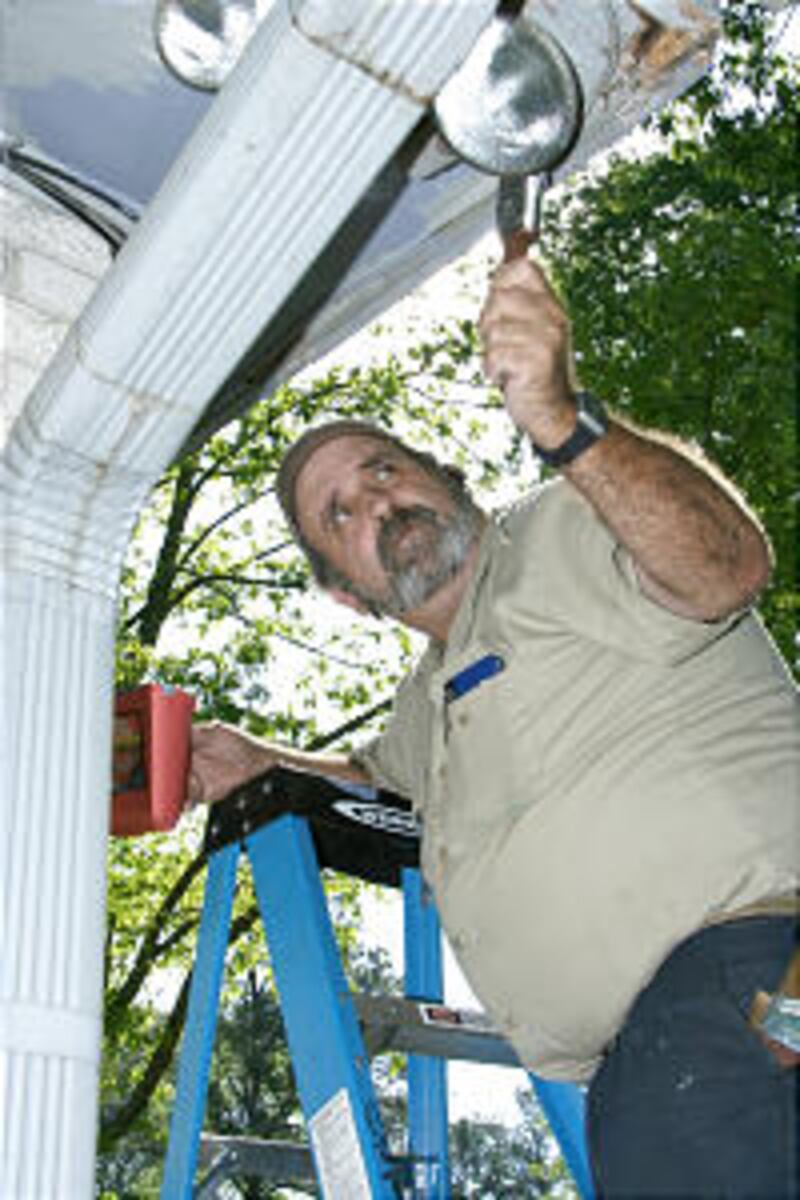
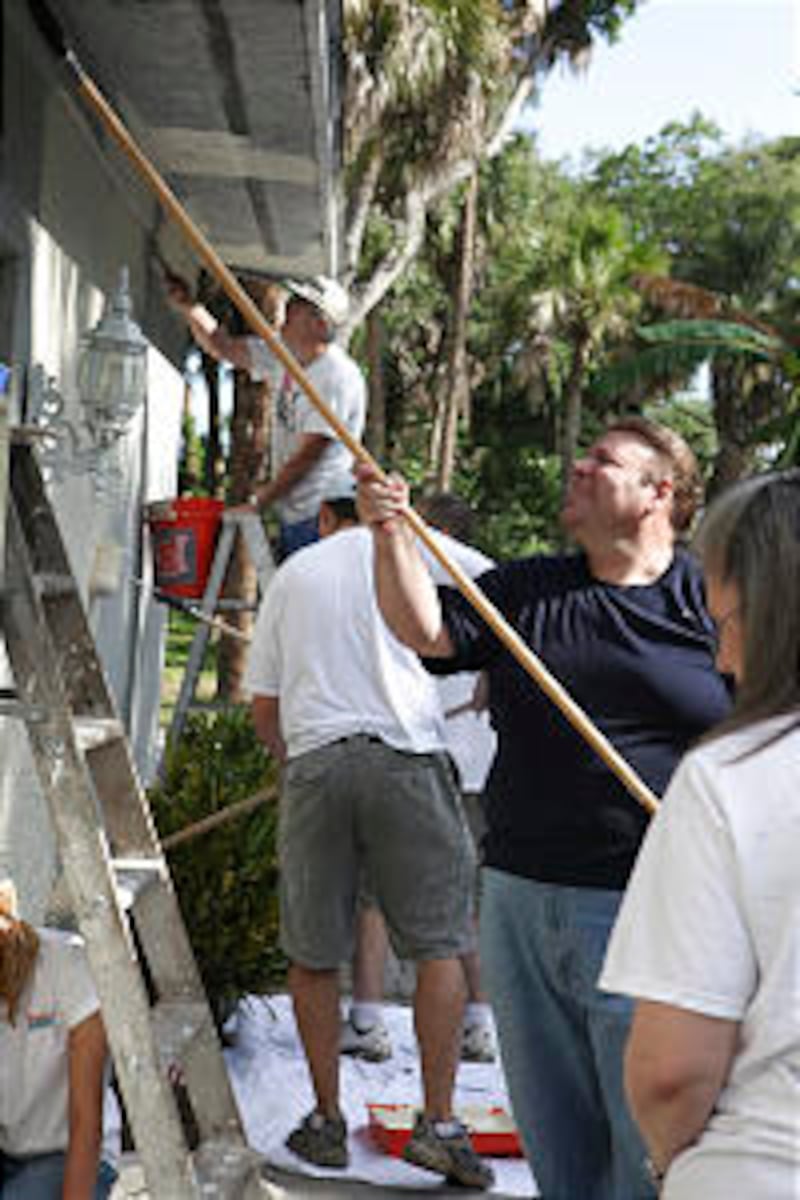
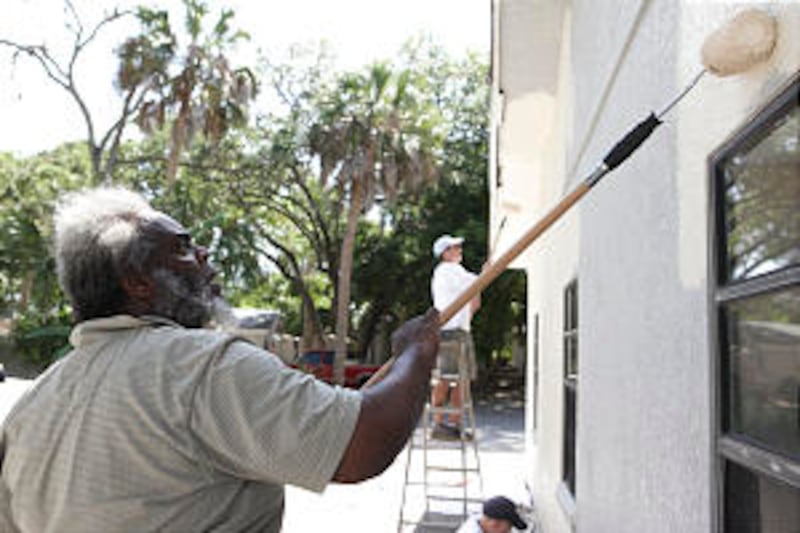
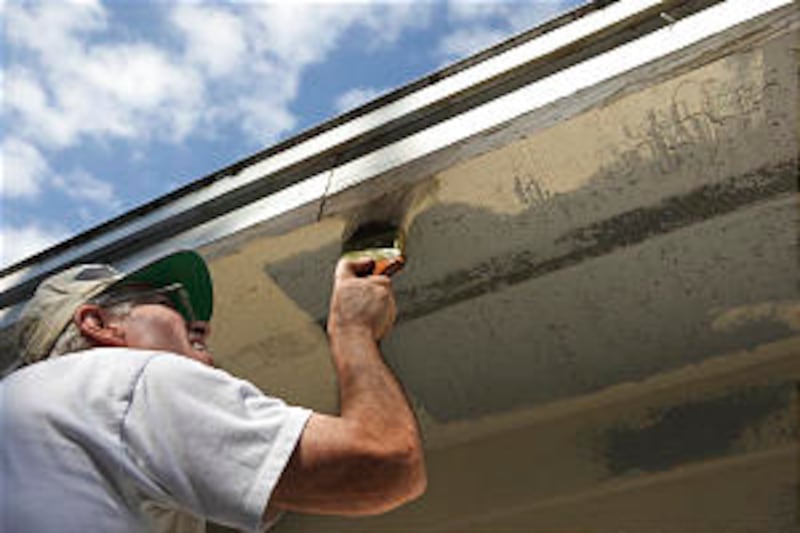
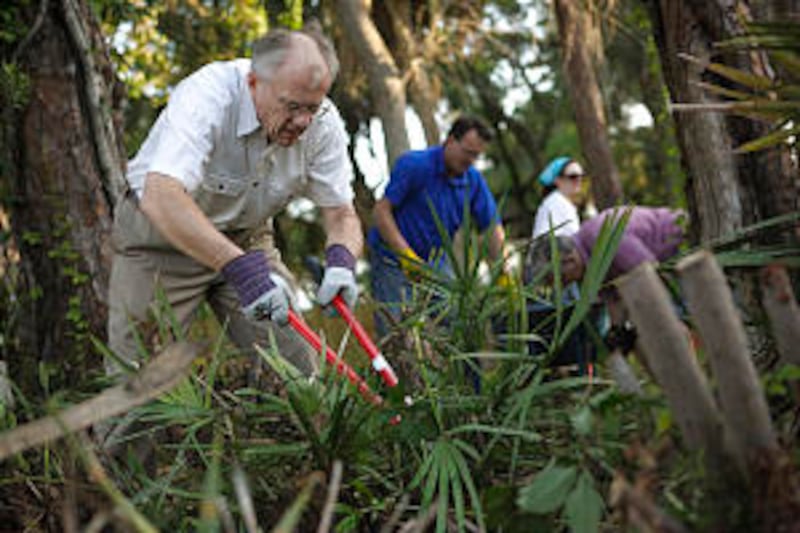
Examples of service activities included the Fort Meyers Florida Stake sponsoring a catch-and-release fishing event for special-needs adults and children called "Reel Fun, Real Friends." Also, members of the Viera Ward in the Cocoa Florida Stake cleared land and painted dormitories at Resurrection Ranch, a shelter for homeless women and children.
Southern California
Kevin Hamilton of the Southern California Public Affairs Council was the point man for coordinating the first Mormon Helping Hands day of service in Southern California. Brother Hamilton initially gained exposure to the Mormon Helping Hands program while serving from 2003-06 as mission president of the Belgium Brussels/Netherlands mission.
"We had a great turnout (on April 25)," he said. "Eighty-nine percent of our stakes participated. We totaled between 20,000 and 25,000 volunteers, and between 40,000 and 50,000 total man-hours of service. Stakes were routinely reporting 250, 350 volunteers. One stake reported 550 volunteers, and another reported 750.
"The thing that was interesting is that we were able to utilize all ages, both men and women. We had children all the way up through grandmothers. Families were able to participate. That was pretty cool."
With all the political drama the Church has endured in California in the aftermath of the Proposition 8 controversy from the November elections, the day of service afforded Latter-day Saints a welcome opportunity to shine an undeniably positive light on the Church and its members.
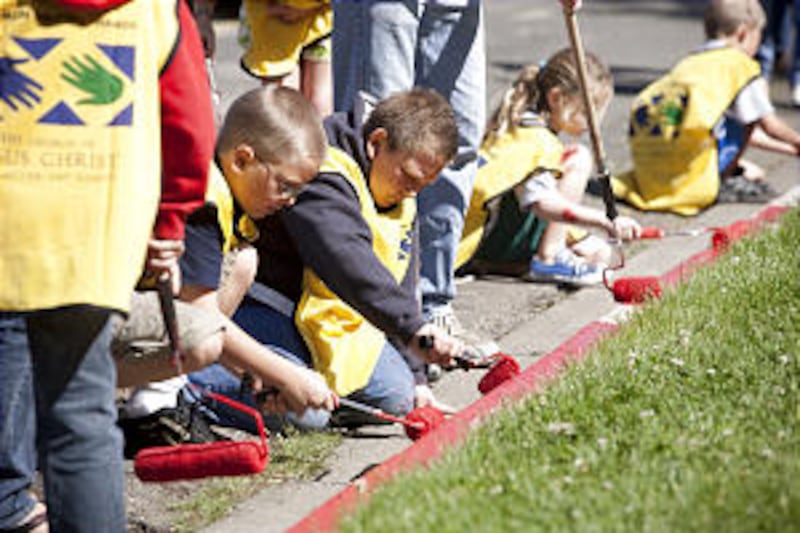
"It was a phenomenal success and very, very well received by local leaders," said Elder John C. Dalton, an Area Seventy. "We're known for service, and especially at this time and day when there is some challenging news about the Church, this gave us an opportunity to show the world Latter-day Saints in a little different light. We were pleased to do it."
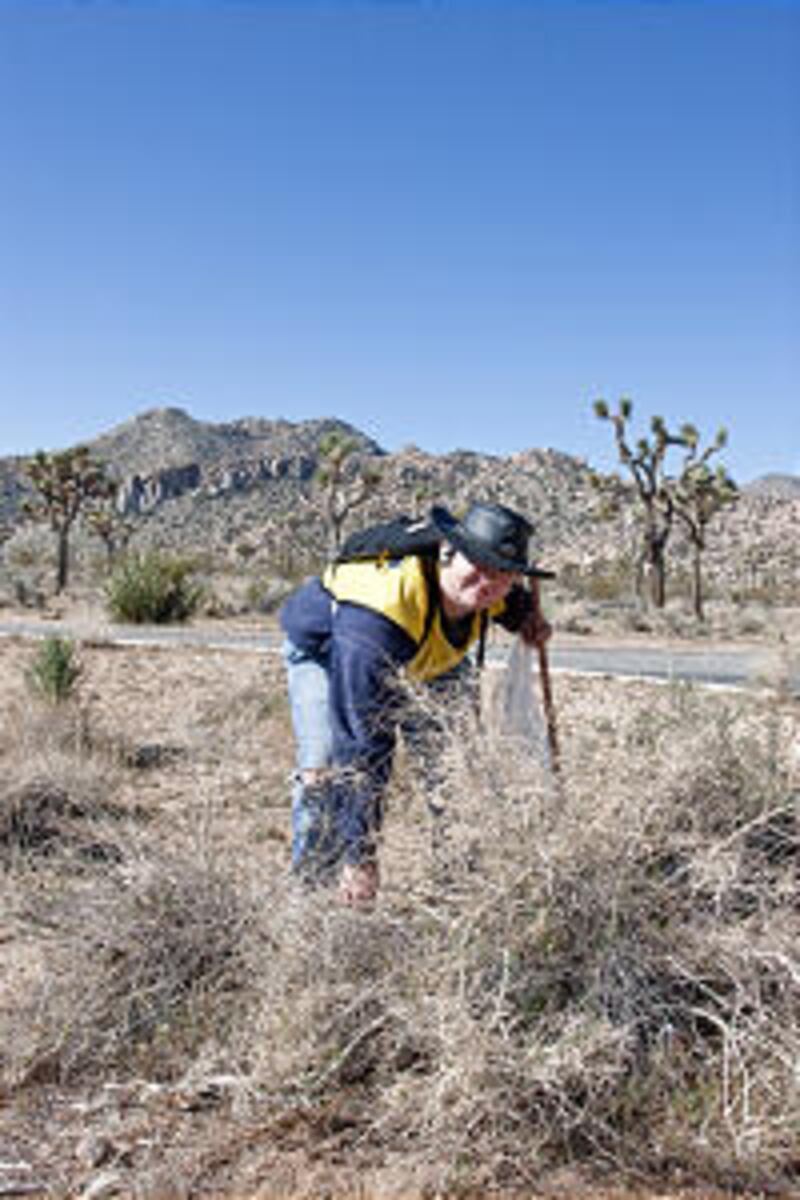
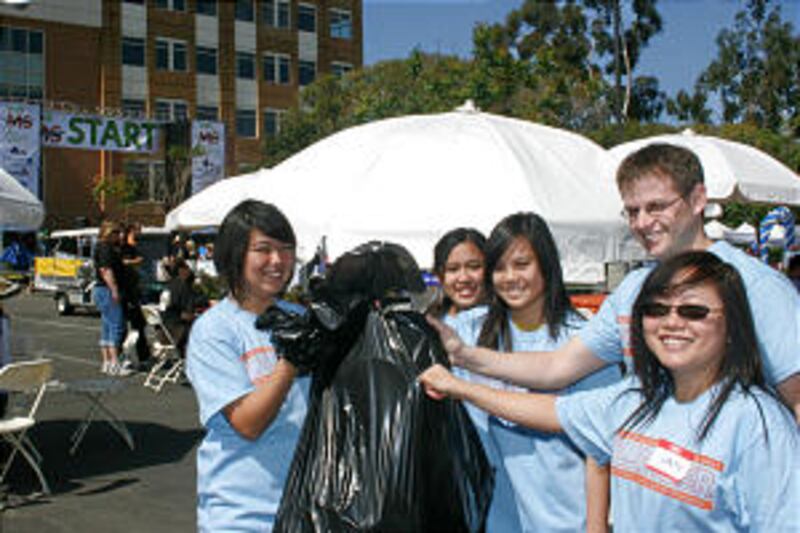
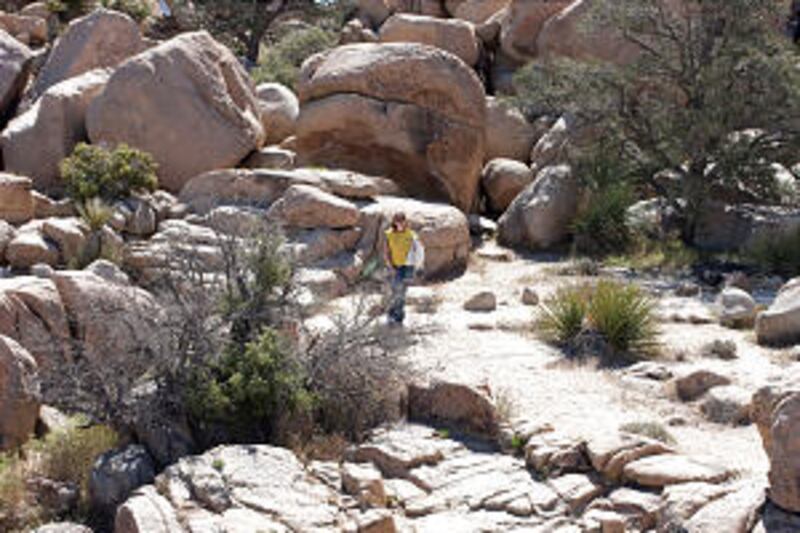
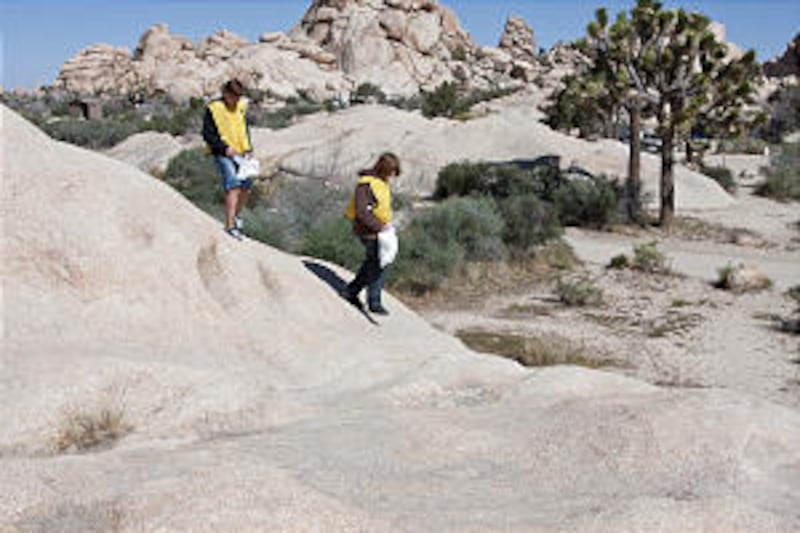
In the Yucca Valley California Stake situated in the windswept desert of the Inland Empire, 169 volunteers caravanned to Joshua Tree National Park and picked up trash in 10 different locations. Closer to the coast, youth from the Garden Grove California Stake volunteered in various capacities at a fundraiser for multiple sclerosis on the campus of the University of California, Irvine.
"This was a resounding success for our first (day of service)," Elder Dalton said. "We plan to have this yearly, more than likely in April again in 2010."
Additional photos: