




PROVO, UTAH
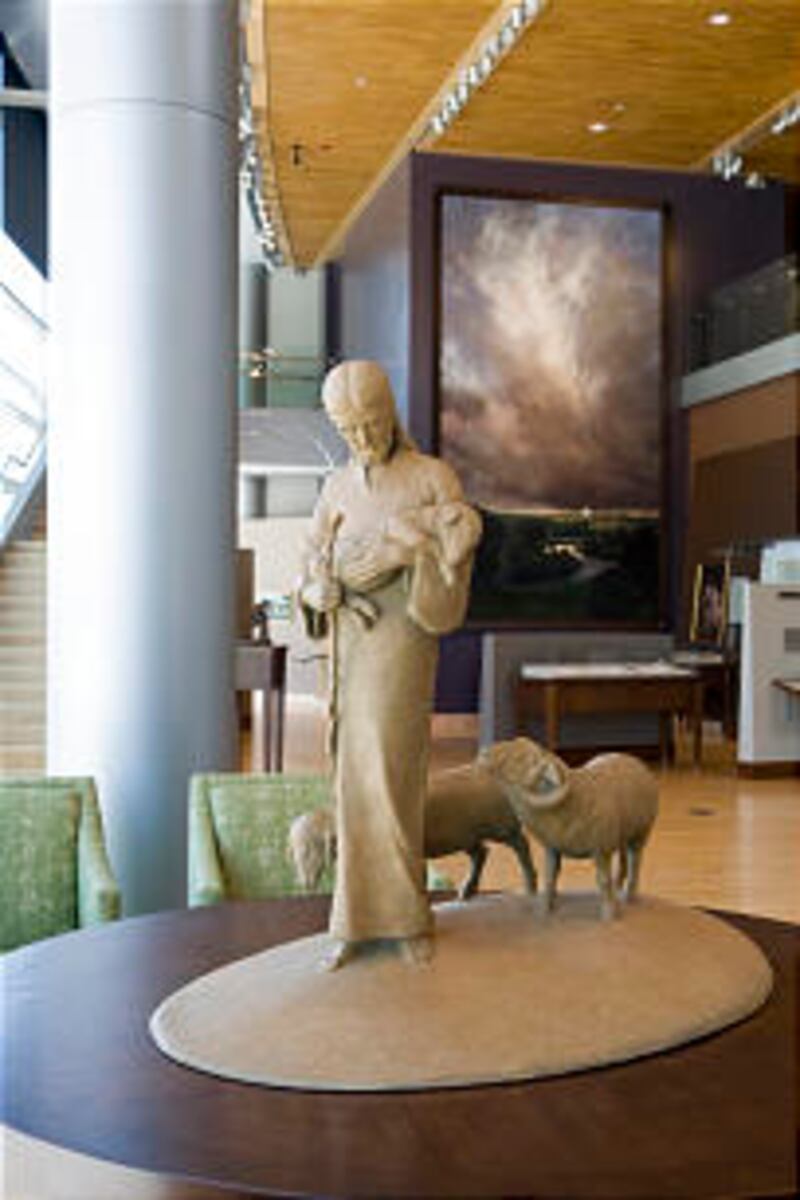
Placed near the center of Brigham Young University's history-rich exhibit "Education in Zion" is a statue of the Savior encircled by a small flock of sheep. The sculpture's location isn't merely an element of design. The entire exhibit and its celebration of eternal learning is anchored in Christ. Its stories, histories and images seem to branch out from the Lord's love and admonition to learn and share wisdom..
"As Latter-day Saints, we believe Christ is the foundation of truth," said Ann Baier Lambson, the exhibit's curator.
Indeed, Christ's truth and light define the foundation of this permanent, multimedia exhibit located in the Joseph F. Smith Building on the BYU campus. On one level, the display teaches a history lesson on the Church's educational system tracing back to the Restoration. The Prophet Joseph Smith might aptly be called the first student of the Church because of the remarkable things he learned, and then taught others, when he turned his mind and heart to the matters of God.
The exhibit also traces the institutional development of LDS education with it beginnings in the School of the Prophets in a tiny room above Newell Whitney's store in Kirtland, Ohio. It's impossible to trace the history of the Church without simultaneously studying its educational past — from Kirtland to Nauvoo (with their temples, or "Holy Schools") and through to the Mormon settlement of the Salt Lake Valley.
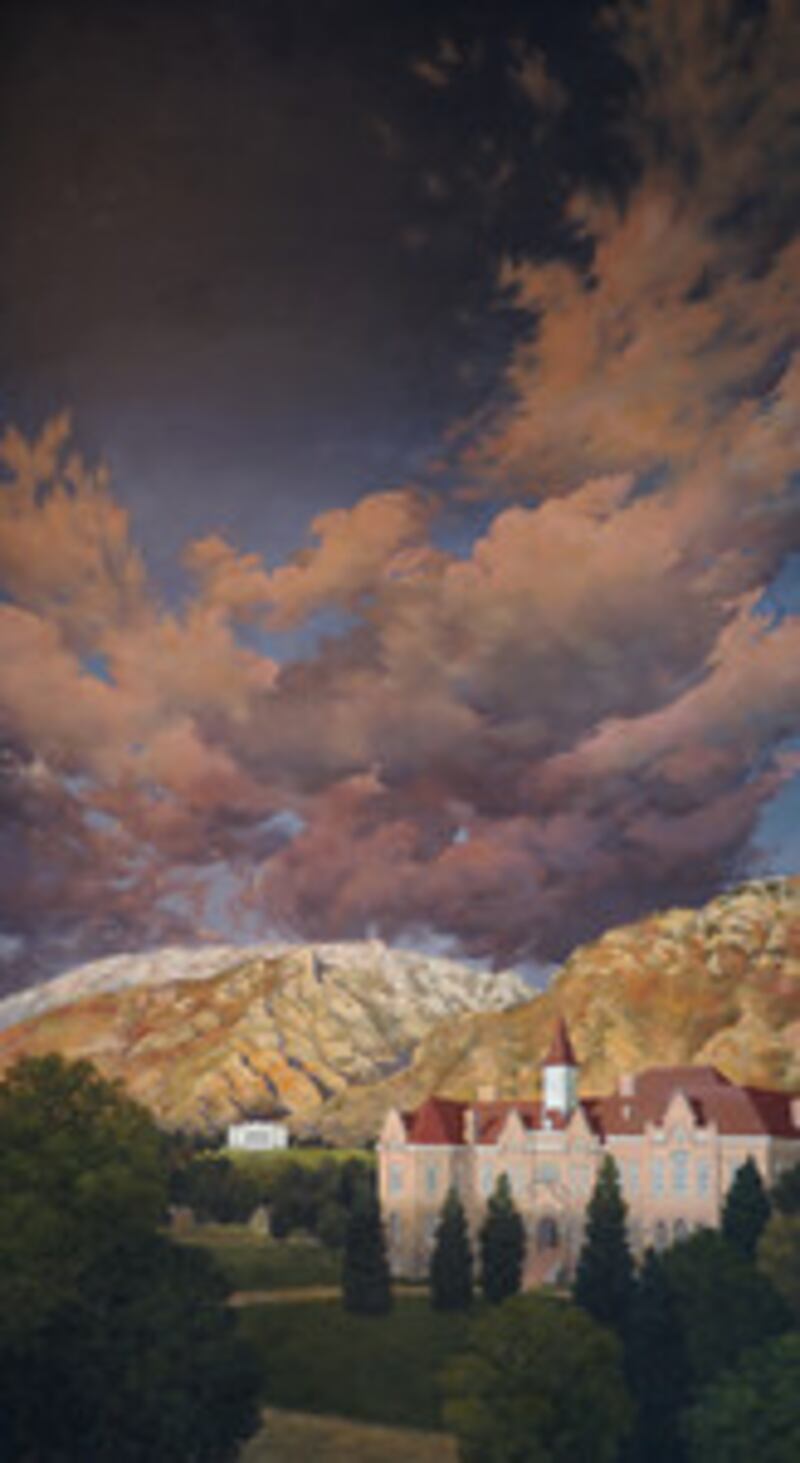
"Education in Zion" challenges the notion that secular learning and spiritual enlightenment are independent pursuits. The exhibit is framed, on facing walls, by two 18-foot-high murals. The mural on the south depicts the Kirtland Temple, representative of the Lord's dedicated houses of learning now dotting the globe. The pursuit of secular learning is symbolized by the mural on the north depicting the BYU campus as it appeared in the early years of the 20th century.
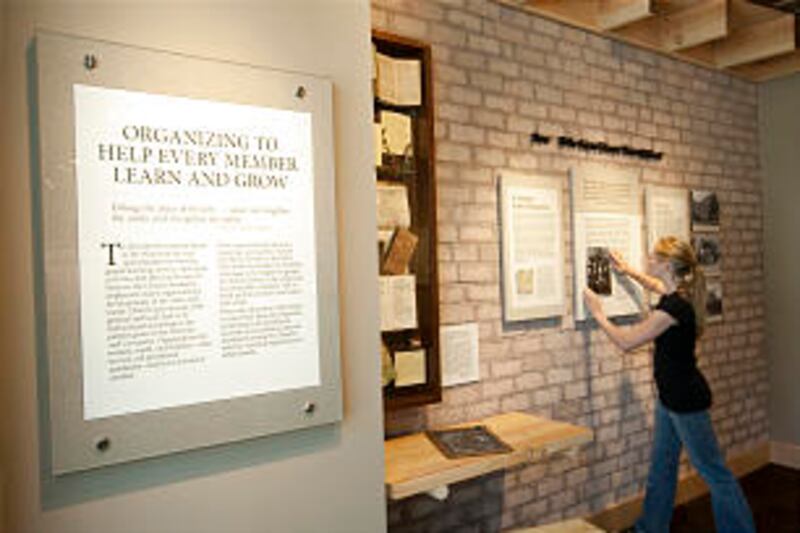
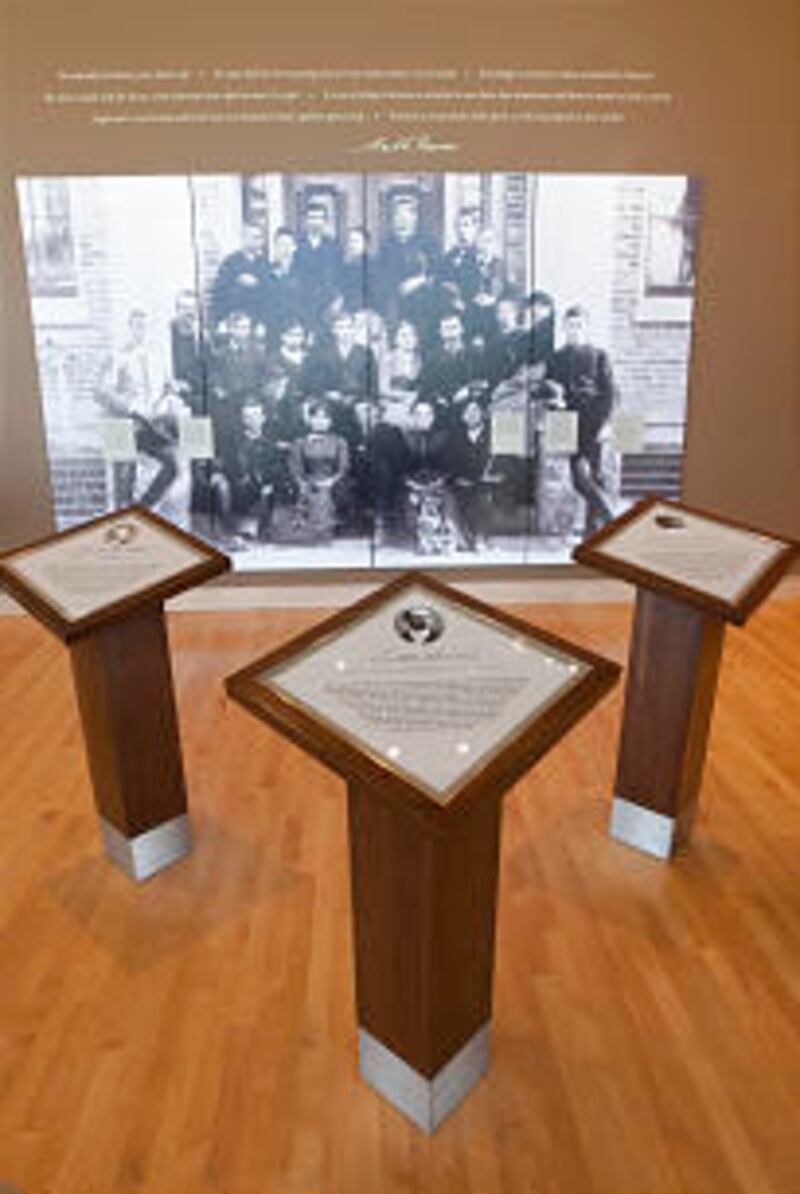
Curators utilized film, artwork, photographs and letters to tell the essential role of learning in the development of the Church. Included are the accounts of folks from around the world whose lives were blessed in various ways through seminary, institute and LDS-operated schools such as BYU. But a history of classroom instruction is just one element of "Education in Zion." The exhibit also reminds visitors that secular and spiritual learning combine to educate the soul.
The collected stories on display suggest "that the purpose of learning is to bless and strengthen the lives of others," said Sister Baier Lambson.
Much of "Education In Zion" was developed by C. Terry Warner, a retired BYU philosophy professor. In 2008, Professor Warner delivered a BYU devotional address on the history and heritage of Church education.
"If we are living as the gospel requires, when we ourselves are learning, we are unwilling to leave others behind," he said. "An essential part of our growth comes in helping others grow. And then those we help in turn help others — among them ... our own posterity. This draws us close to one another, even across generations, and we become united, a Zion people."
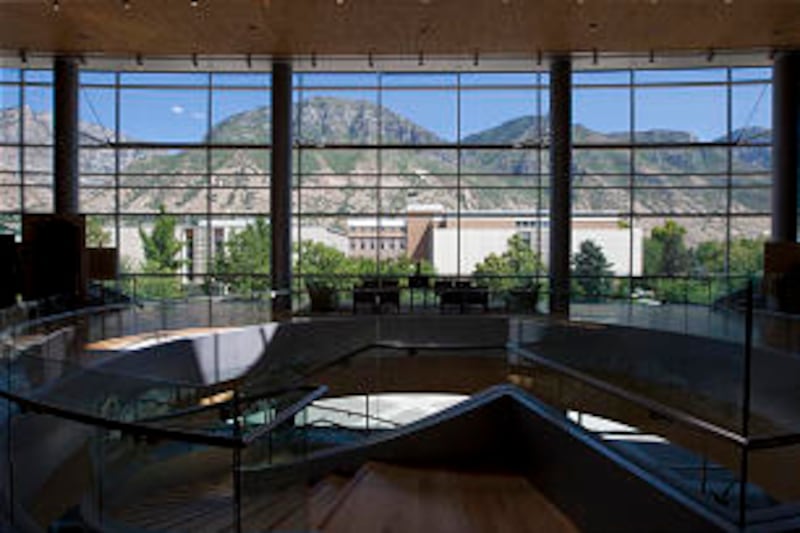
Visitors will likely marvel at the natural light and stunning views of the Wasatch Mountains found in the gallery. Sister Baier Lambson said the Joseph F. Smith Building, dedicated in 2005, was built with the exhibit in mind. While "Education in Zion" is permanent, the gallery allows for rotating displays to offer contemporary examinations of Church education and learning.
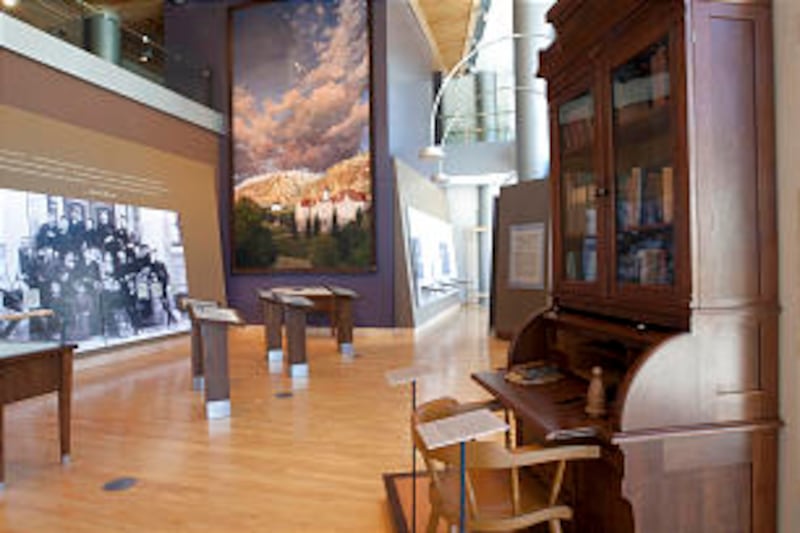
Located on the second floor of the JFS Building, "Education in Zion" is open yearround. Admission is free. Docents are on call to assist visitors and groups. Groups or classes may call (801) 422-6519.
Sister Baier Lambson added efforts are underway to expand the exhibition's Web site (educationinzion.byu.edu.) In the near future, anyone with access to the Internet will be able to enjoy the images and narratives found in the BYU display.
