




The title of President Thomas S. Monson's biography is straightforward and on the mark: To the Rescue.
Heidi Swinton, the biographer, honed in on the title after spending countless hours interviewing not only President Monson but also those who have served and worked with him over the years, and many of those he has served.

From youngsters he befriended and helped as a young boy, to widows and others he served as a young bishop, to longtime friends he takes time to visit, to total strangers he singles out from the crowd, President Monson's life has been filled with caring, lifting and, yes, rescuing others.
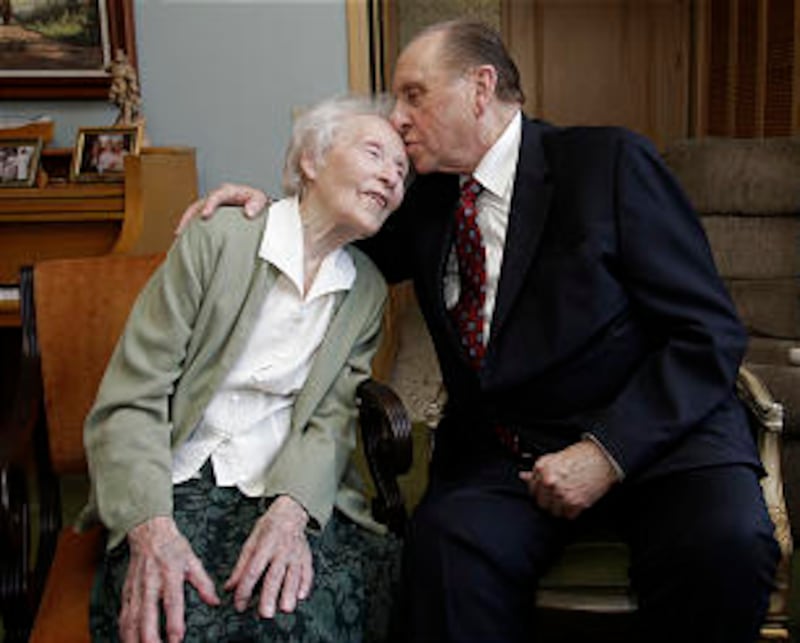
"He truly is devoted to the rescue of others," President Henry B. Eyring, first counselor in the First Presidency, is quoted in comments about the Church leader. "I thought I knew how he remembers everybody and how he reaches out to the most obscure person. But, it's more than I ever dreamed. I am a better person every day I work with him. I care about others and think about others more than I ever did before. He has had that amazing effect on me."

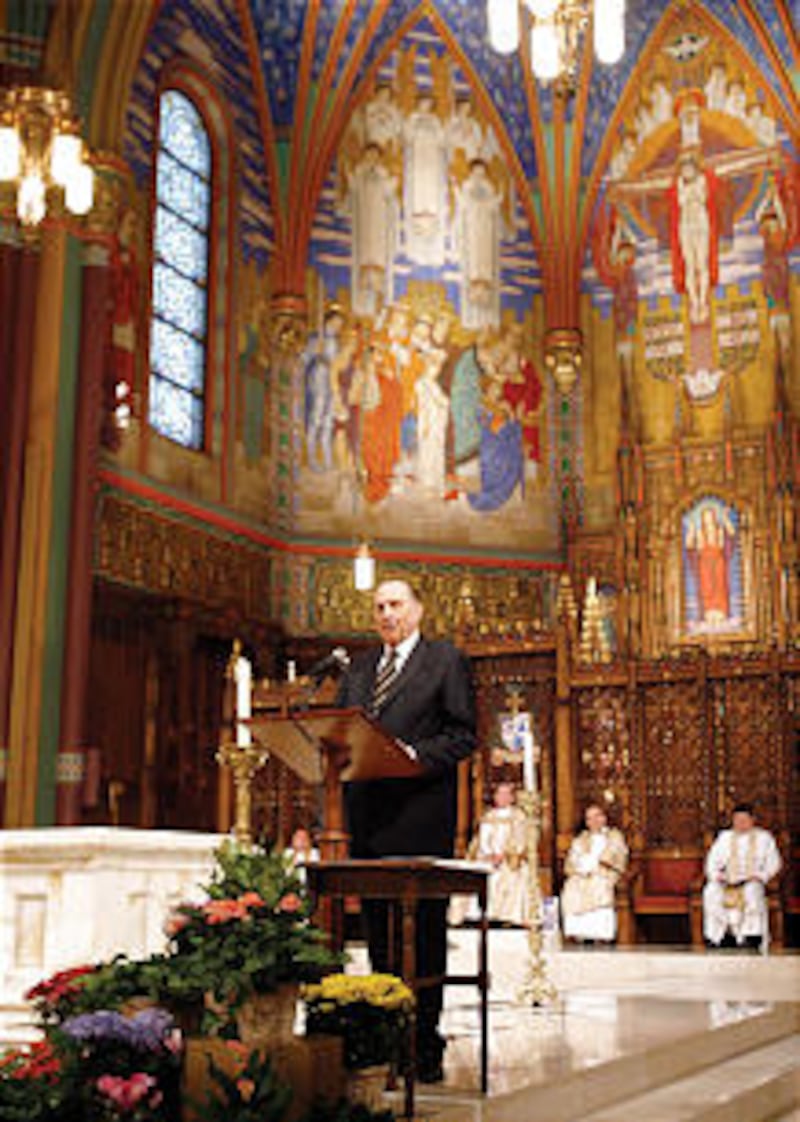
President Dieter F. Uchtdorf, second counselor in the First Presidency, is quoted: "For me, as a German, of course we claim President Monson, as he is claimed by everyone around the globe. He makes everyone feel that they are first in his attention; that is one of his great talents. The actual blessings he brought to our country and to Europe are so real and so significant and so singular in their value that I really believe that the Lord had prepared him to be an instrument in changing the history of Germany."
President Boyd K. Packer, President of the Quorum of the Twelve is quoted, saying of President Monson: "He is more Christlike than the rest of us. He's known for emphasizing and elevating things that are most important, the ordinary things. He is the one for whom the widow and the orphan are not just statements in a book."
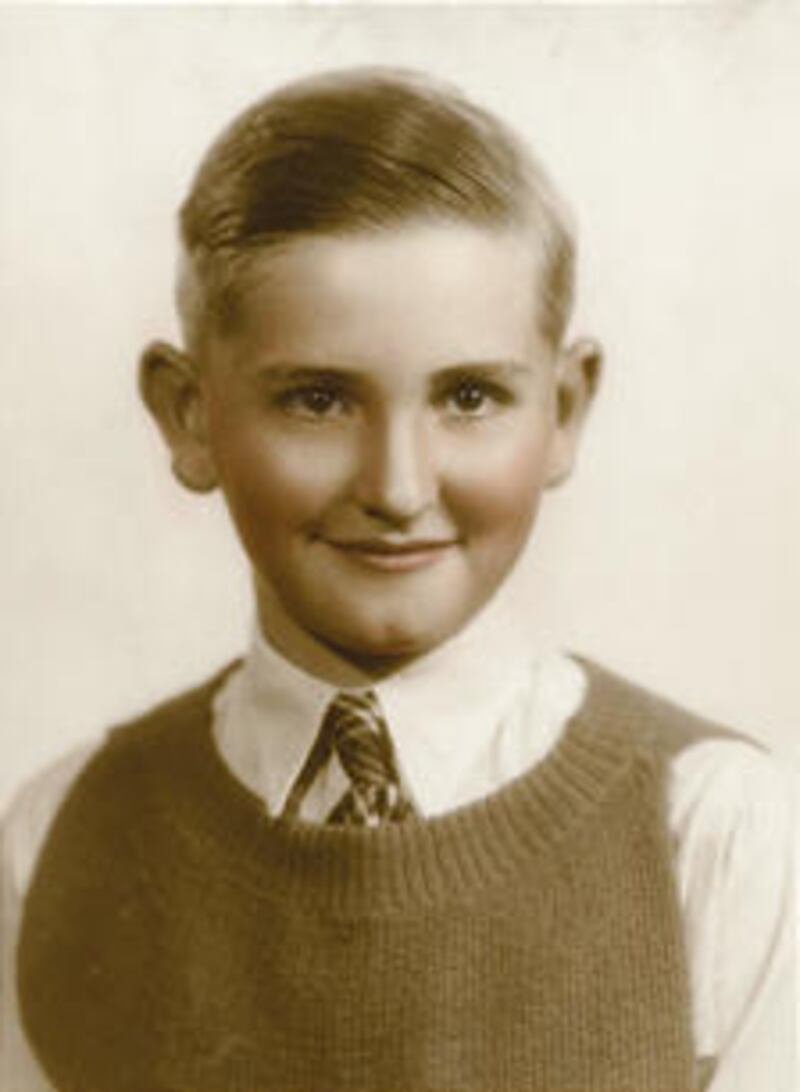
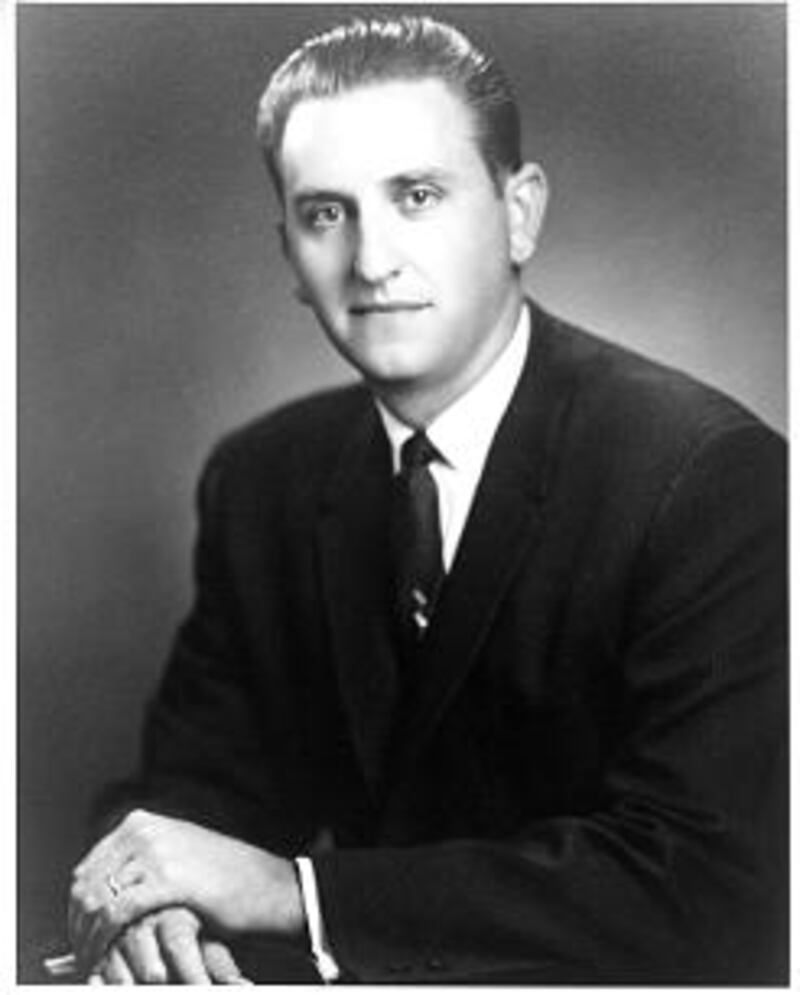
Sister Swinton said, "There is not just one view of President Monson. I talked to all the Twelve and a number of the members of the Seventy. They all see him a little differently. They grasp one of the layers that fit into the whole."
Asked what she had learned while working on the biography, Sister Swinton said, "I got a glimpse of what goodness is all about, what being a disciple of Jesus Christ is really all about. I look at him and I see someone who, from his very youth, has worked to do what the Lord would have him do.
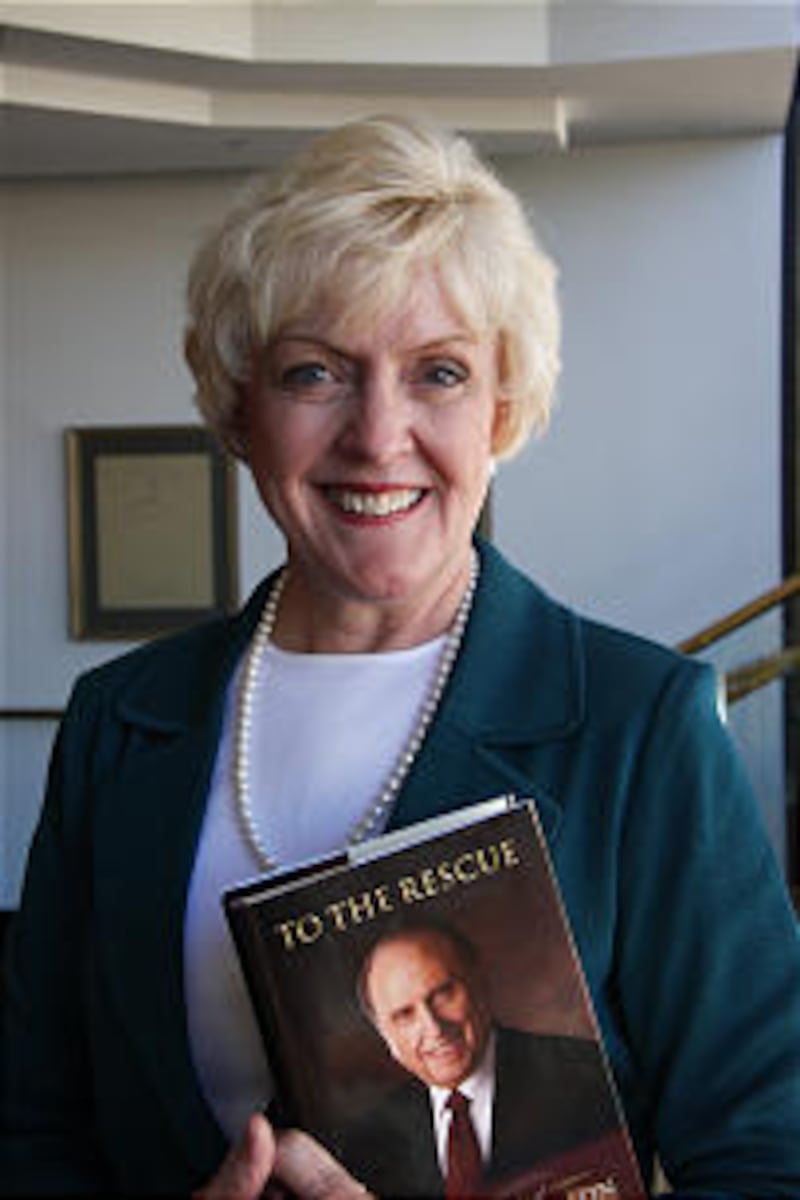
"His attention to the gospel — to the Church, to Church responsibility — is all driven by his desire to serve the Lord. There is no pretense there, no 'I have to do this.' It's for the love of doing it, because he loves the Lord. I saw that sheer goodness. I catch glimpses of it in everything I read, and review and it makes me want to be better. I think that, in all simplicity, that is what a prophet is all about: prompting the Lord's children to desire to be like Jesus Christ."
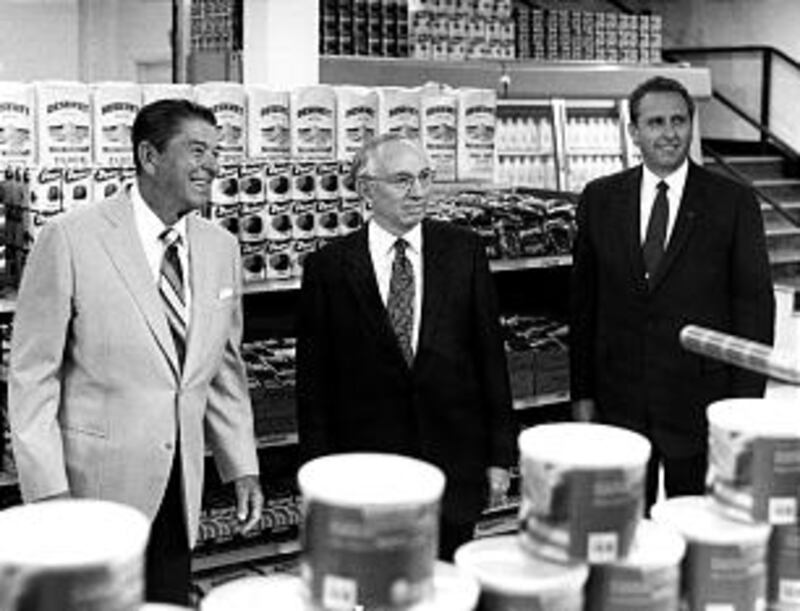
Following are excerpts from President Thomas S. Monson's biography, published by Deseret Book deseretbook.com.
Youthful hobbies
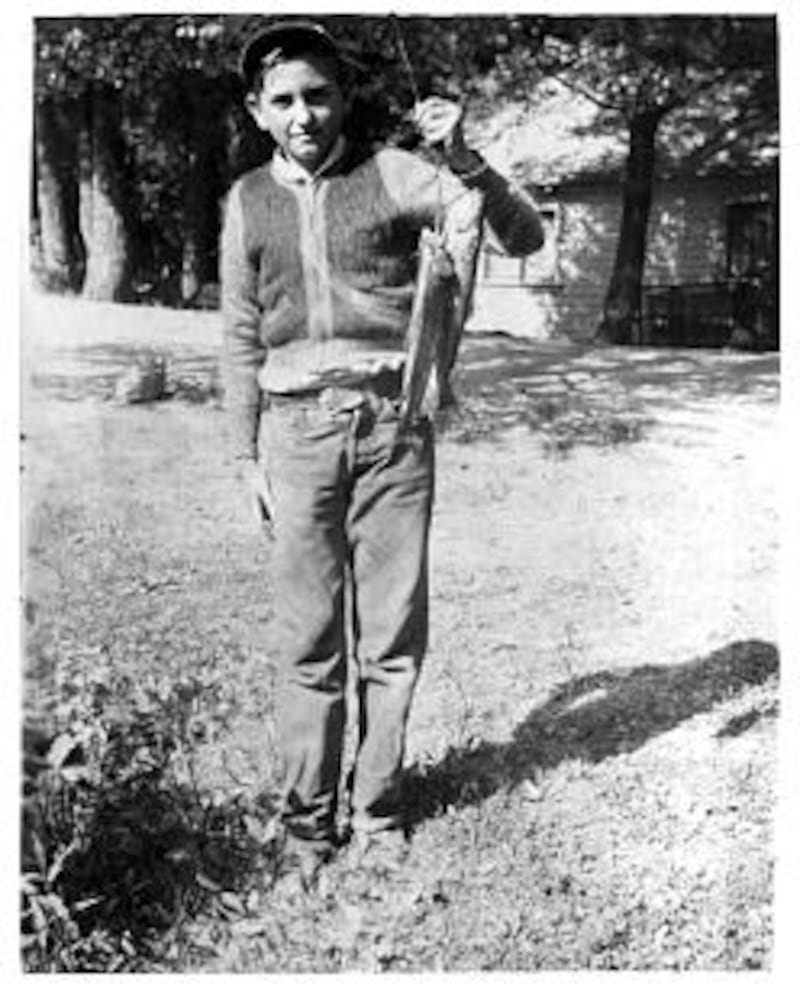
Fishing wasn't all about the river and the water. At times Tommy would stake his pole, his line safely in the water, and sit on the bank looking up at the mountains around him. He would imagine he could see the shapes of animals in the scrub oak. Occasionally the spell would be broken by the bleating of a sheep grazing on the hillside or the rich grass that lined the sides of the railroad track.
For Tom Monson, the Provo River was then and is now his "pool of Bethesda," where he gets away to be renewed, refreshed — to be made whole. (To the Rescue, p. 56)
Earning money for a ring
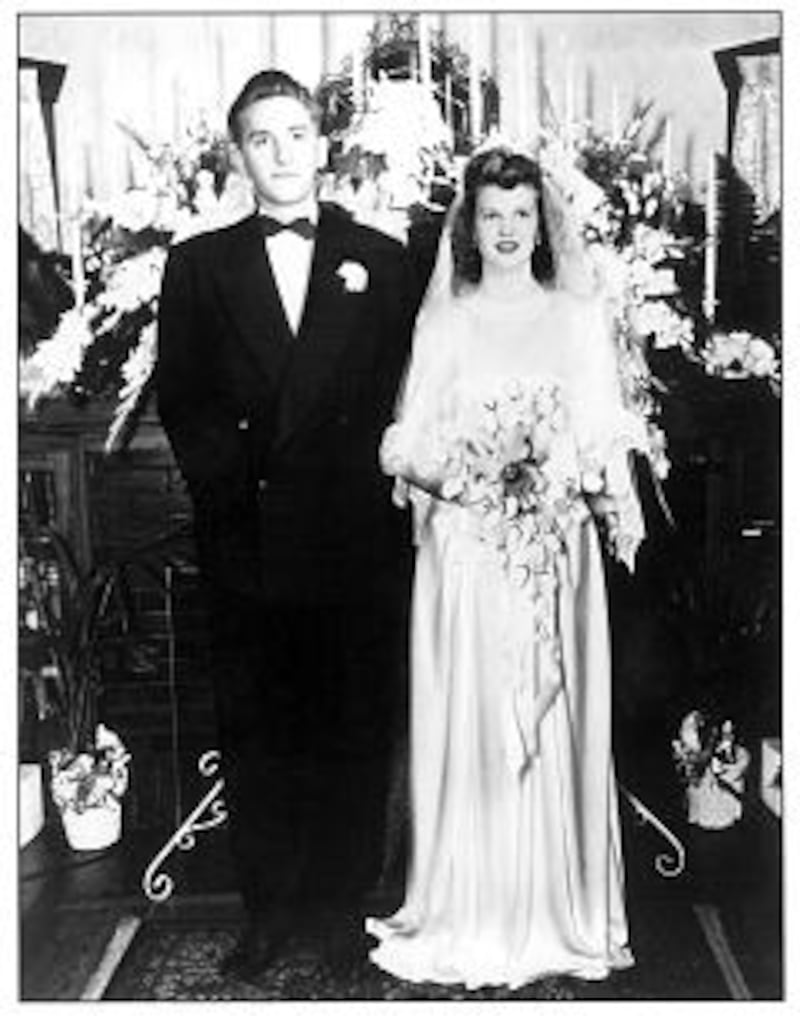
While in school at the U, Tom began working afternoons and evenings on a wastepaper truck with his sister Marjorie's husband, college football star Conway Dearden. Tom was earning money so that he could purchase an engagement ring for his girlfriend, Frances Johnson. A printing position would have been safer. One afternoon, on the corner of Third South and Main Street, he fell from the top of the truck to the pavement, shattering both wrists. Given the severity of the factures, he should have been treated by a specialist, but the attending physician set both arms in casts — without anesthetic. He was forced to withdraw from school and complete his term with home study. But he stuck with it, and that diligence paid off. Attending summer school, he graduated from the University of Utah in August 1948, just one quarter behind his entering class, though he had been gone for a year in the navy. (To the Rescue, p. 106)
'His friendliness'
It was a spring evening when an attendant at a gas station in Holladay, a suburb of Salt Lake City, glanced out his window to see what he remembers as a green Chevy Impala pull up to a pump. His first thought was, "He sure needs a new set of shocks."
The driver filled his car and went into the station to pay his bill. As the young attendant counted out the change, the man began to quiz him. The young man told the driver of the car that he was in his senior year of high school and played ball for his ward team. He didn't divulge that he barely qualified to play; the requirement was attendance at just one sacrament meeting and one priesthood meeting a month.
The man then asked the attendant what he planned after graduation and what he wanted to do with his life. "I don't remember what I said in response until he asked if I was a Latter-day Saint. I responded that I was. He then asked if I planned to serve a mission, to which I answered that I didn't know." The young man didn't explain his Word of Wisdom problem or the questioning in his heart. The driver paused and then said, "I encourage you to do so. It would be the greatest thing you could ever do at this point in your life." He then shook the attendant's hand and left.
The young man spent the rest of the evening reflecting again and again on what the stranger had said. Twenty years later he described his experience:
"The thing that would not wave me was the memory of his friendliness and the look in his eyes. It was that night I decided to throw away the cigarettes. Two months later I received my patriarchal blessing, which confirmed that I would be called to serve a mission and I would say 'yes.' But it wasn't until the next October while watching general conference that I received a bit of a shock and a testimony that God knew who I was. I don't remember who was conducting that particular session of conference, but he announced that Thomas S. Monson would be the next speaker. As [he] came to the pulpit I recognized [him] as the man at the Metro station those many months before." The young man did go on to serve a mission.
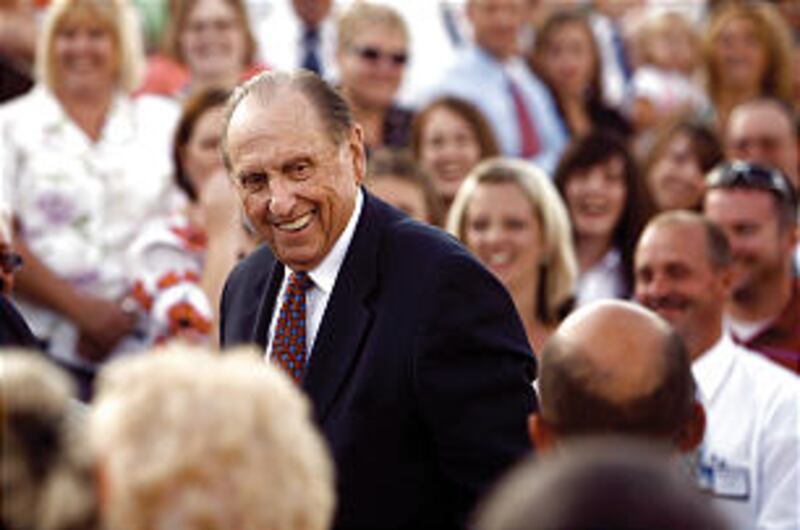
How many stories there are like that, no one will ever know. But what is known is that Thomas S. Monson has rescued many a soul with his personal interest and his Christlike countenance. President Monson has always woven such acts of personal service into his life. It cannot have been easy, given the responsibilities he has carried (To the Rescue, p. 362).
