



PROVO, UTAH
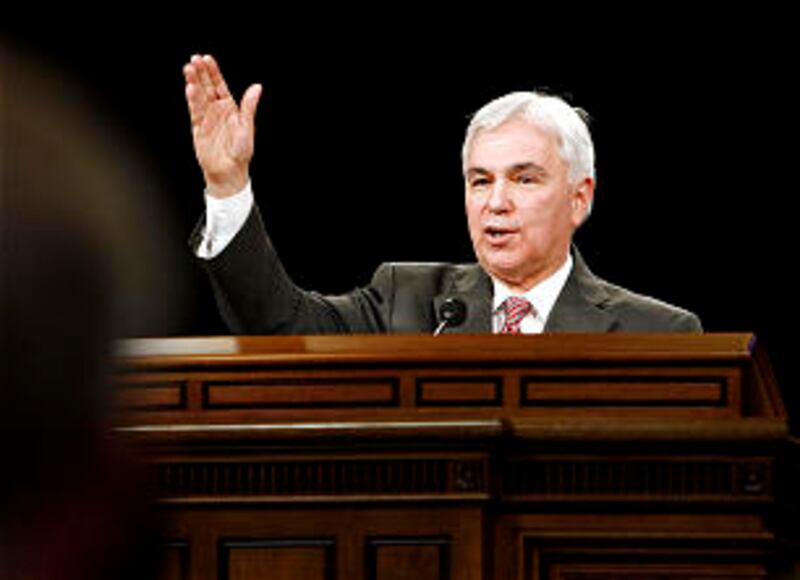
An inscription on the bottom of a painting of a 16 century ship in a harbor was the theme of a BYU devotional address by Elder Claudio R.M. Costa Nov. 2. It read, "A ship is safe in harbor, but that's not what ships are for."
"The phrase was in my native tongue of Portuguese," said Elder Costa of the Presidency of the Seventy, explaining that in that language, the verb "to be" has two translations: The verb ser refers to something that is fixed or permanent, while estar pertains to something that is transitory.
"The verb used in the inscription on the painting was estar, meaning that the ship — although anchored — was in the harbor temporarily, it will not be there forever," Elder Costa observed. "I was reminded that ships are meant to navigate the oceans and to experience adventure. I was reminded that it is the same with us."
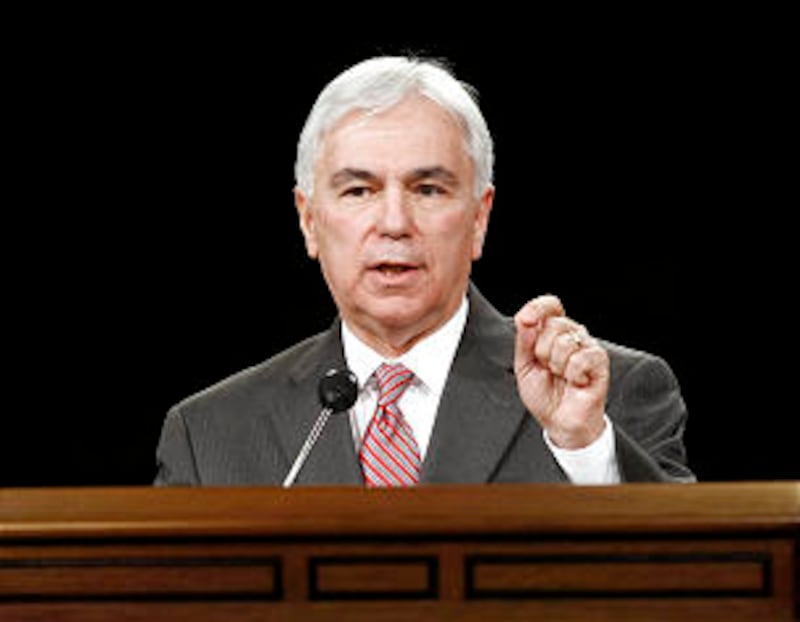
He spoke of the Book of Mormon accounts of Lehi and his family and of Alma the elder, Alma the younger, Amulek and Ammon, who left comfortable circumstances and took on challenges in compliance with the will of God. He also told of other scriptural figures, including Adam and Eve, Noah and David.
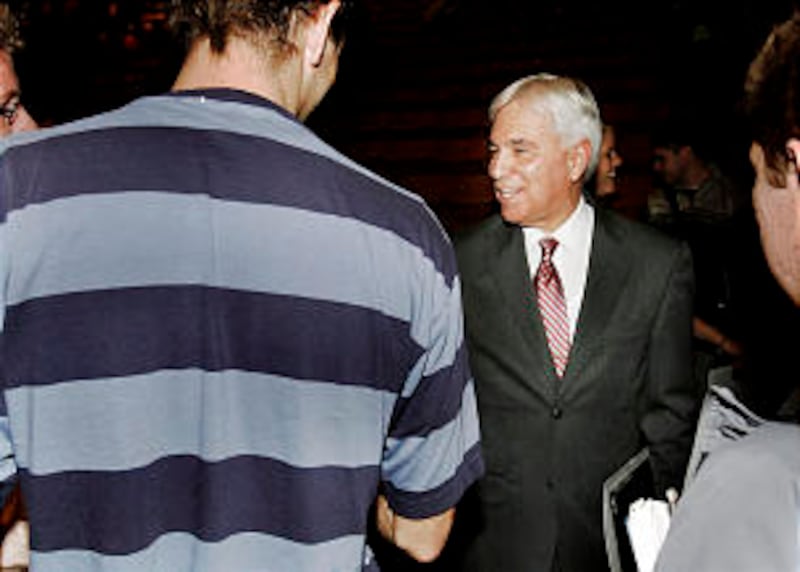
"I thought about the early members of the Church who sacrificed so much to do what the Lord asked them to do," Elder Costa said. "Joseph Beecroft was among a group of 700 saints who traveled by train from Boston to Iowa City. They began the journey in cattle cars, using their luggage for seats."
Elder Costa said Brother Beecroft reflected on how the gospel bonded people from different economic classes, including a wealthy convert named Thomas Tennant, who was included among the traveling Church members. Before leaving England, he paid $25,000 to buy a home that Brigham Young offered for sale to replenish the Perpetual Emigration Fund, a purchase that provided the greatest single contribution to financing the 1856 emigration. Brother Tennant died, however, before reaching the Salt Lake Valley.
"Another example is George Careless, who was known as a musical pioneer," Elder Costa said, recounting that Brother Careless left his home in England to emigrate with the Latter-day Saints, went on to be director of the Mormon Tabernacle Choir and authored many Church hymns.
"He sacrificed much, and he received great honors in his lifetime; most important, he remained a willing servant of the Lord," Elder Costa remarked.
He told of Jonathan Napela, one of the earliest LDS converts in Hawaii, who was taught by Elder George Q. Cannon. They became good friends like Alma and Amulek, Brother Costa noted, adding that Brother Napela helped translate the Book of Mormon into the Hawaiian language and organized a school to instruct missionaries from Utah.
In 1873, Brother Napela's wife, Kitty, contracted leprosy. "Jonathan Napela chose to leave his safe harbor and move with his sweet wife to the leper colony. He loved her so much and could not leave her alone in that dreaded place. Jonathan Napela also contracted leprosy, but even in his own suffering he continued to serve the temporal and spiritual interests of his people in the leper colony. He died in 1879, two years before his sweet and eternal wife."
Elder Costa spoke of his own marriage, saying that his wife had left her secure harbor as a single woman with a high position in her profession to marry him and live in a small apartment. "When the sun shone in our window in the morning, we had to leave the apartment to make room for the sunbeams to enter," he joked.
"Each time one of our four children came into the world, it was like leaving the safe harbor and navigating the oceans in a new and marvelous adventure," Elder Costa said. "Bringing children into the world brought more responsibility to us, and it also brought great joy to our hearts."
He testified that each time he and his wife have left the security their harbors it has brought more joy to their lives.
"Even when turbulence caused by the storms of life naturally come our way in this mortal existence, we can be led by the lighthouse of the gospel and our testimonies of our Savior Jesus Christ," he said.
"It would have been easier not to experience the agony of Gethsemane but Jesus chose to do the will of His Father," he said. "He chose to carry out His assignment because of His love for His Father and for us."
Elder Costa said he had received a strong feeling that he should tell the students that they, like the ship, were not made to be in the harbor of BYU forever. "You need to choose your career and, just like the ships, go to the open sea and navigate the oceans."
