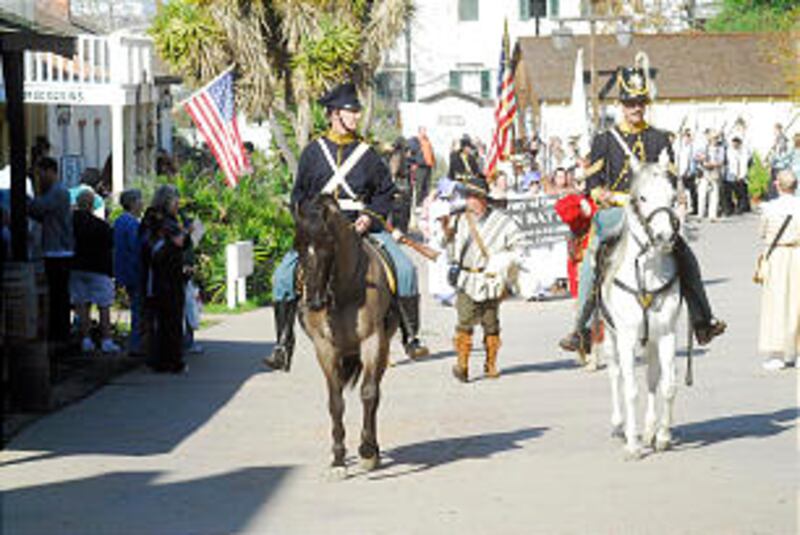
SAN DIEGO, CALIF.
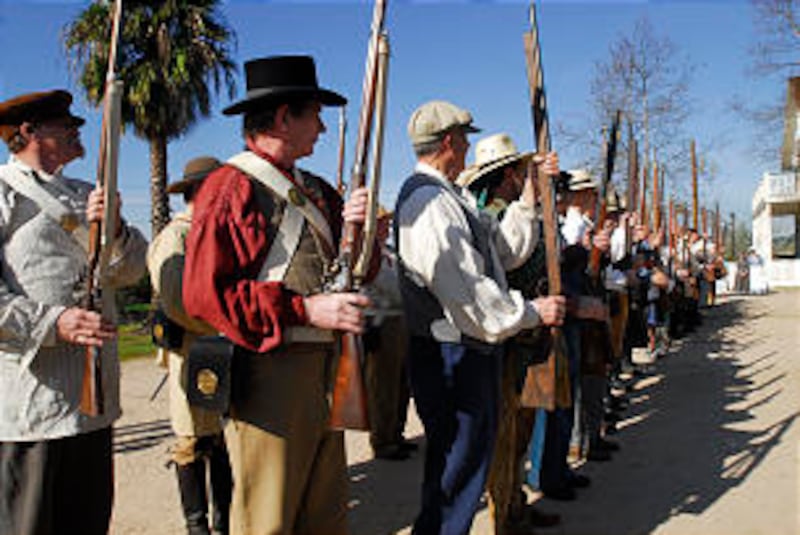
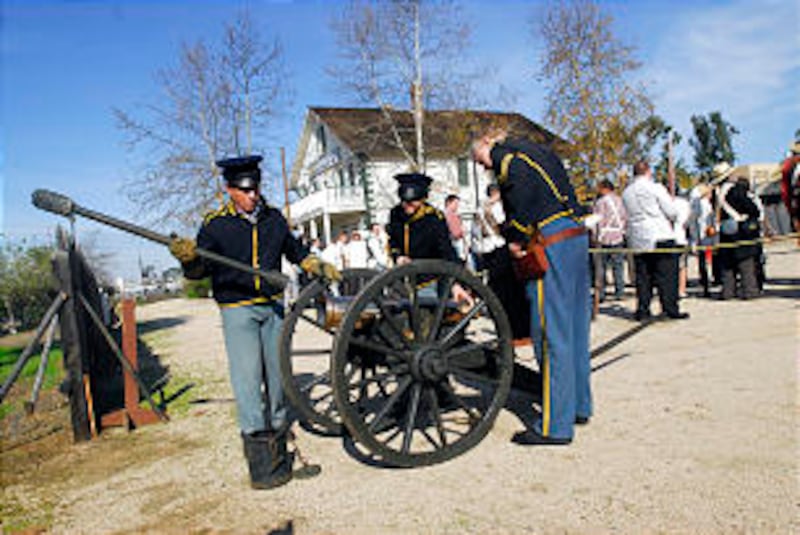
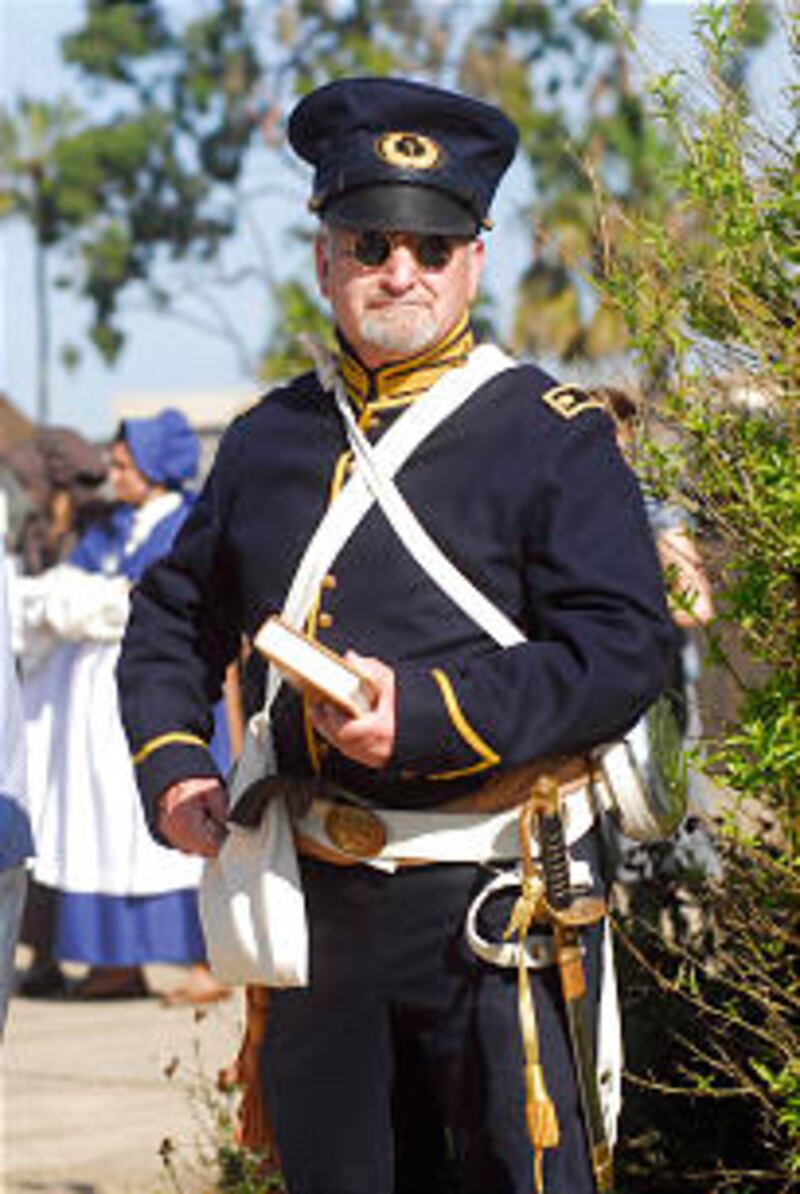
When the Mormon Battalion finally reached the Pacific Ocean on Jan. 29, 1847 — their feet scarred and bloody, their rations depleted and their clothing tattered — they had completed a march of nearly 2,000 miles to what is modern-day San Diego. They endured one of the longest military marches in history, forging their way over largely uncharted territory because a prophet of God asked them to go.

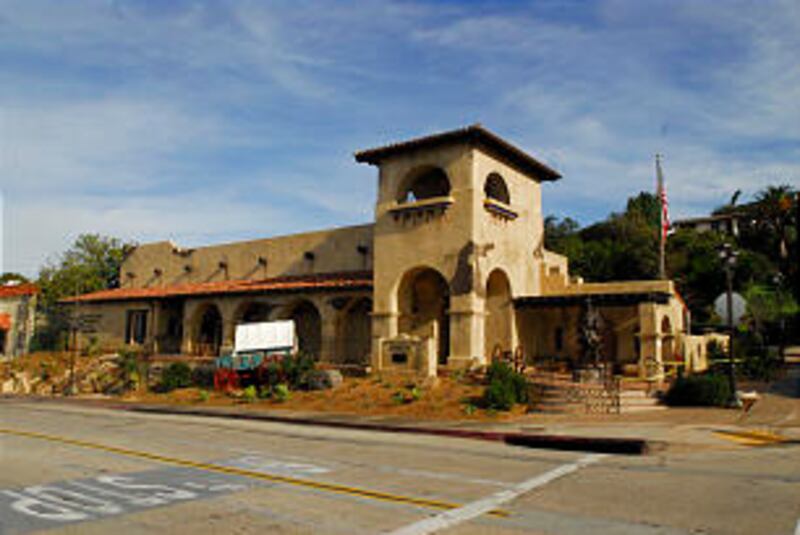
To tell this monumental story of sacrifice, faith and love of God and country, a newly designed Mormon Battalion Historic Site was reopened to the public exactly 163 years after the nearly 350 men, women and children arrived near this site below Presidio Hill.

"This is an incredible building that becomes a missionary tool to tell one of the greatest untold stories in the history of our people," said Elder Richard G. Hinckley of the Seventy and executive director of the Church's Missionary Department.
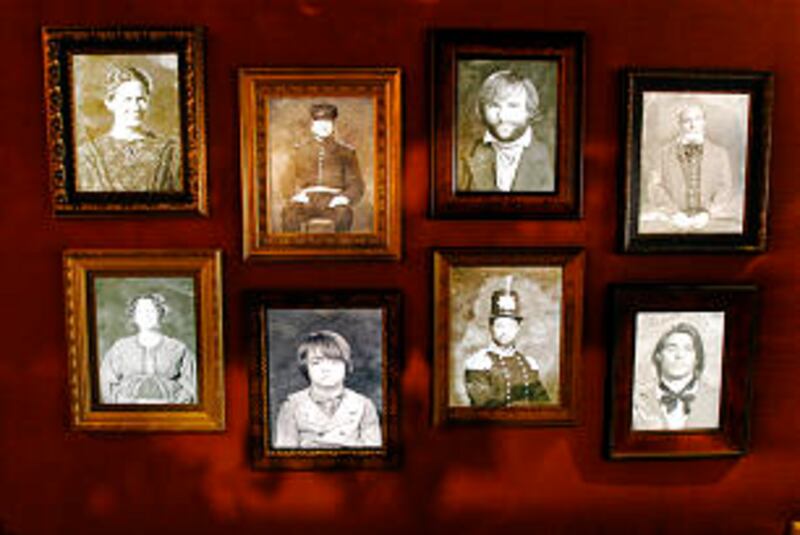
"From its unique Spanish-style architecture that blends so harmoniously with the area, to the use of visual technology, this historic site is unlike any other.
"The building becomes an exhibit," he said.
For many years the Church managed a simpler historic site at this location of Juan and Harney streets in San Diego Old Town. The facility became inadequate and was closed in June 2008 for renovation and modernization.
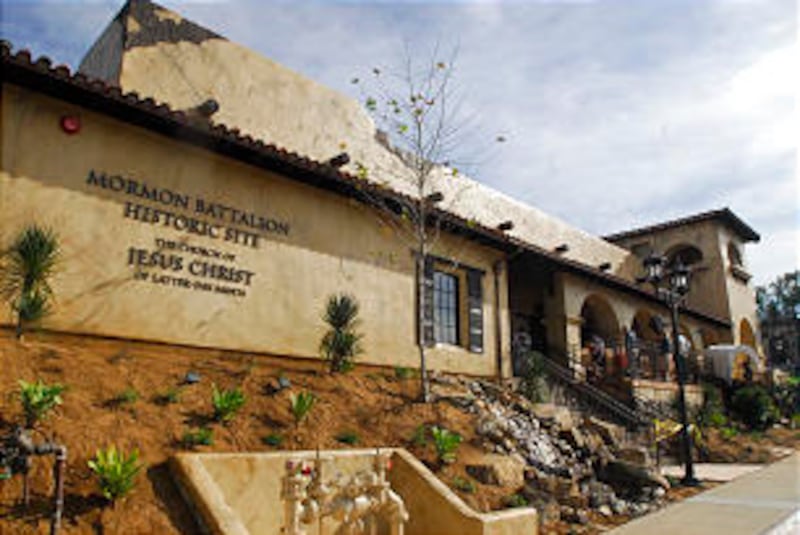
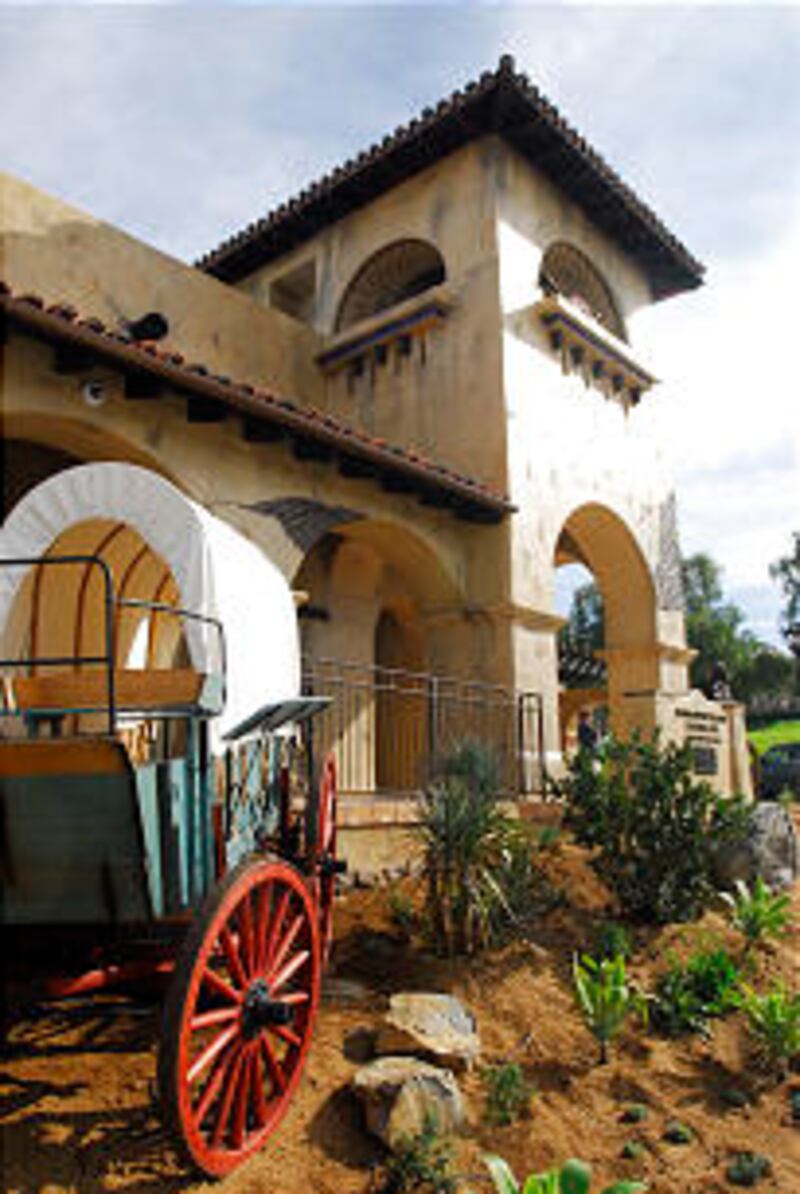
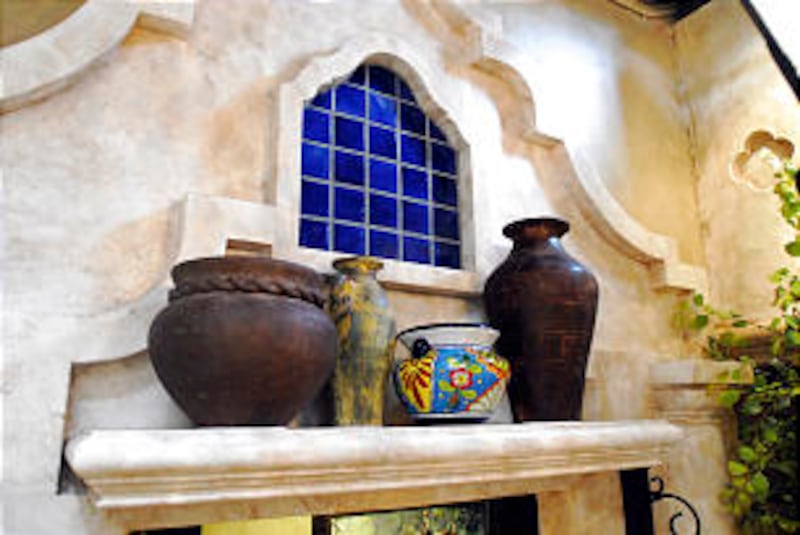
The new facility is built on the same foot print as the original building, but designed in a Spanish motif. To give the building an authentic historic appearance, portions of the stucco appear to be crumbling to expose the adobe brick beneath. A fortress-like wall lines the courtyard, just like earlier homes where walls were used to keep certain animals out of the home, while keeping others in.
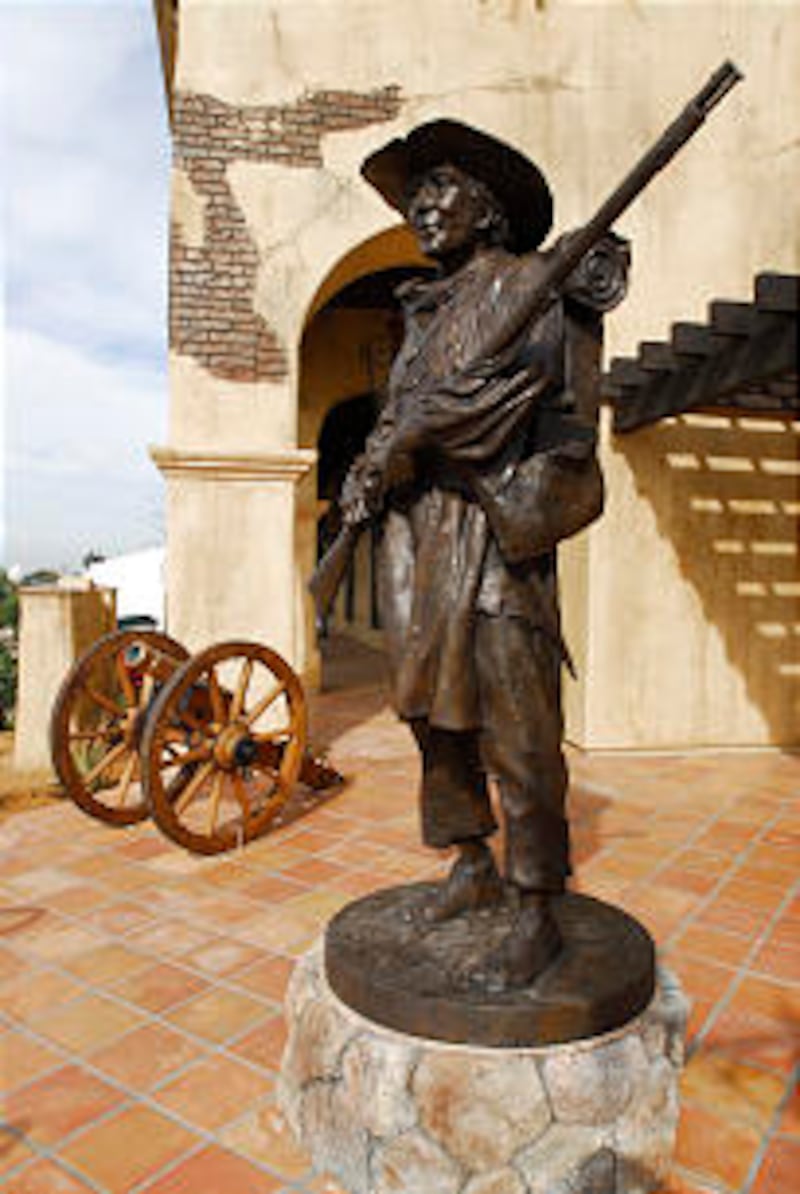
At the entrance is a heroic-size bronze statute of a battalion member. As visitors are welcomed to the site, missionaries note the earnestness etched into the statue's appearance, and how the soldier wears cloth for shoes. Yet, despite the challenges of the journey, missionaries point out, there is happiness in his face and the rifle is held high in defense of country.
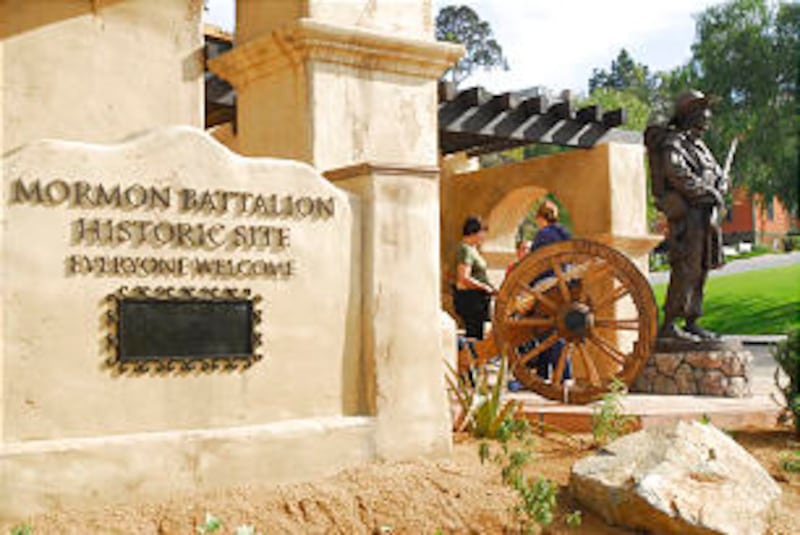
Also, black timber for the roof and hand-painted tiles on stairs add to the authenticity of the architecture.
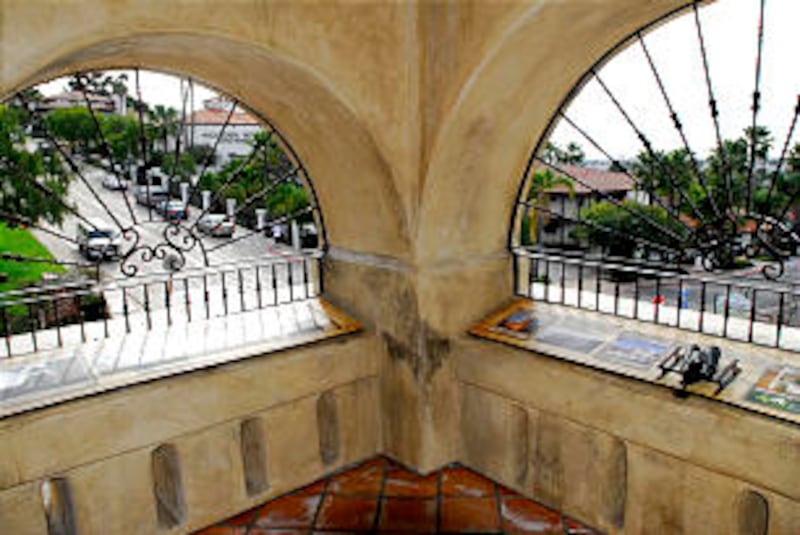
From the watch tower, which is also a new addition, visitors have a sweeping view of the area, including the historic park located a block away where the original colonists from Mexico settled.
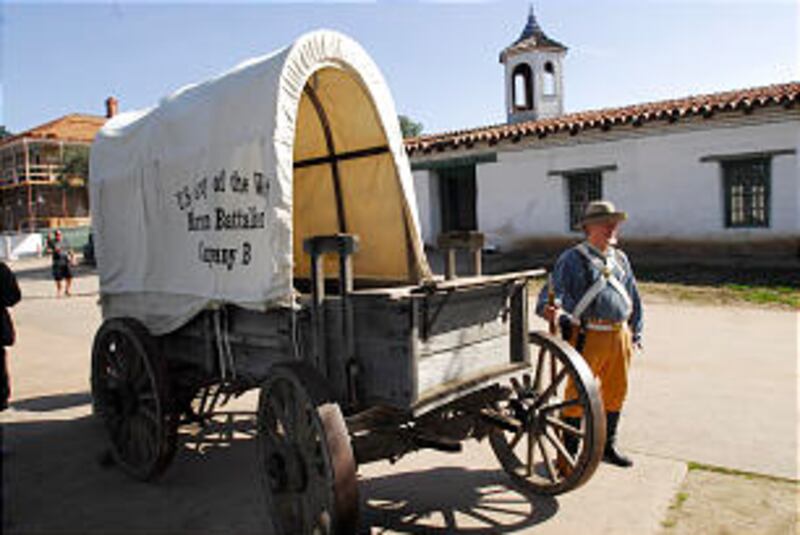
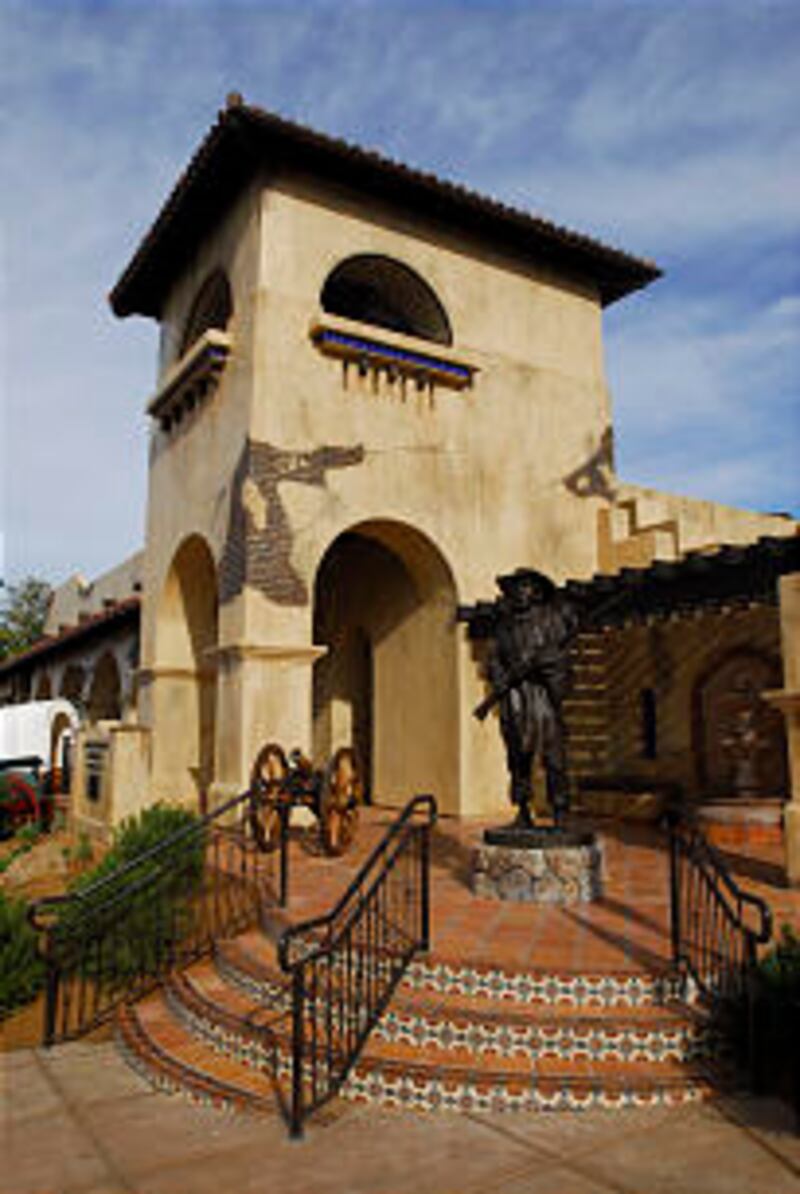
Below each window in the tower are interpretive panels that depict the historic structures of the area and an explanation of its history.
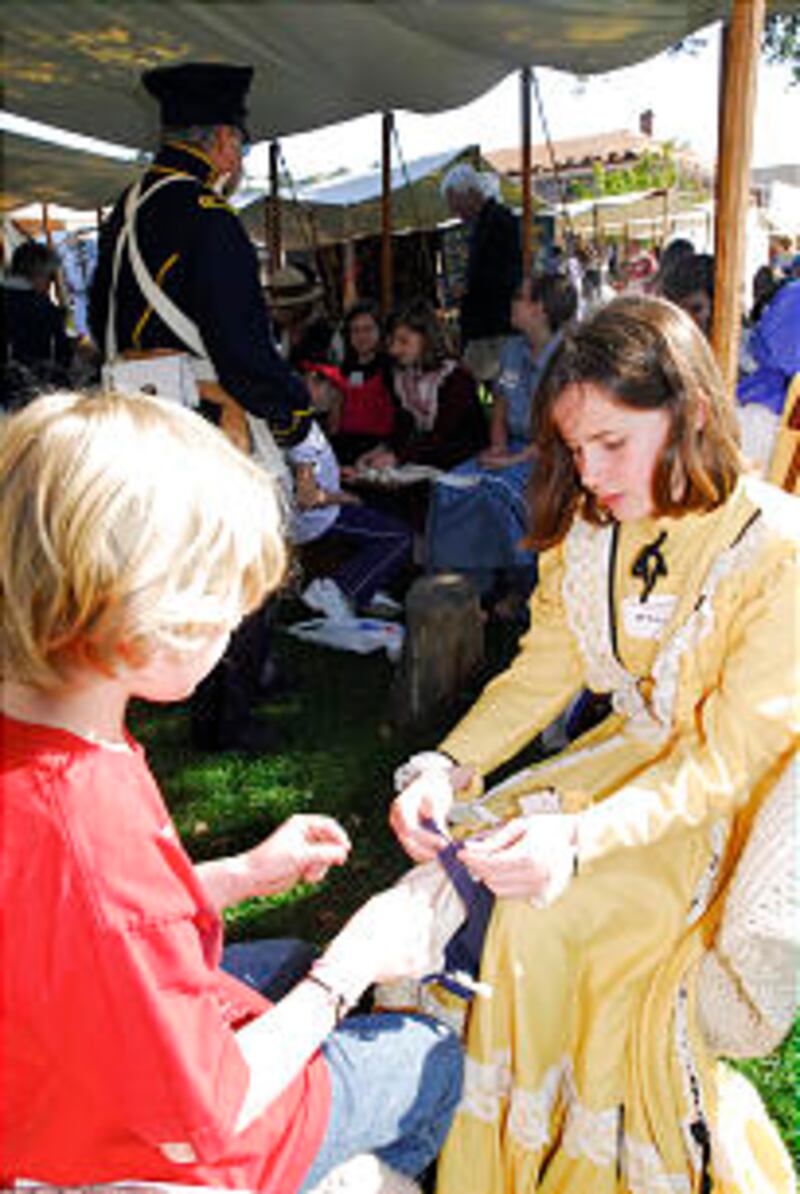
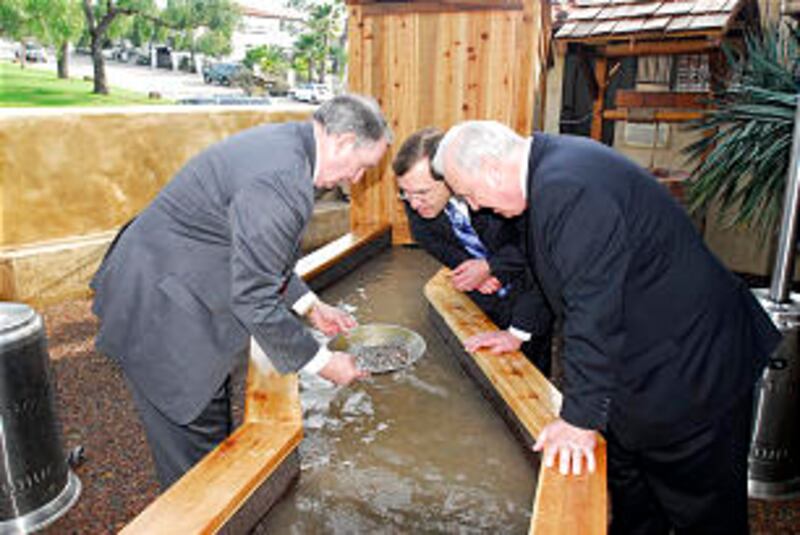
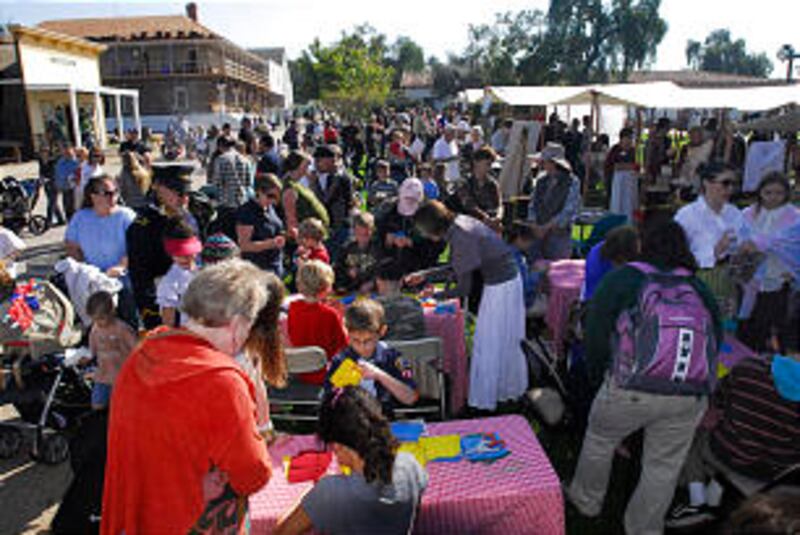
On Jan. 29, commemorating the day of the original arrival, the 14 stake presidents who serve in the San Diego area and their wives were invited to an exclusive open house. At the conclusion of their various tours, the stake presidents met in the courtyard where they rolled up their sleeves and panned for gold, as visitors can do. Repeatedly they marveled at the intrigue of the building and the effectiveness of the technology in telling the battalion's story of faith.
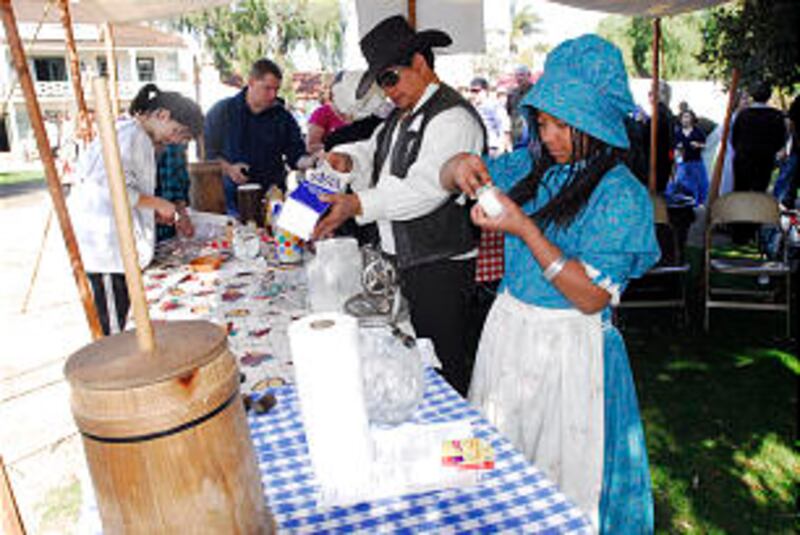
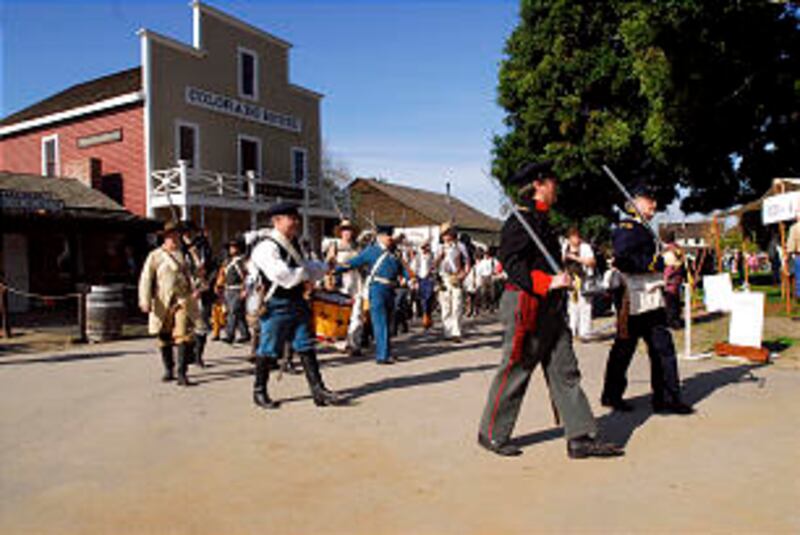
Like the stake presidents, interest in the building has been running high among members and others. Before midmorning of the first day of the opening, most tickets for the day's tours had been given out.
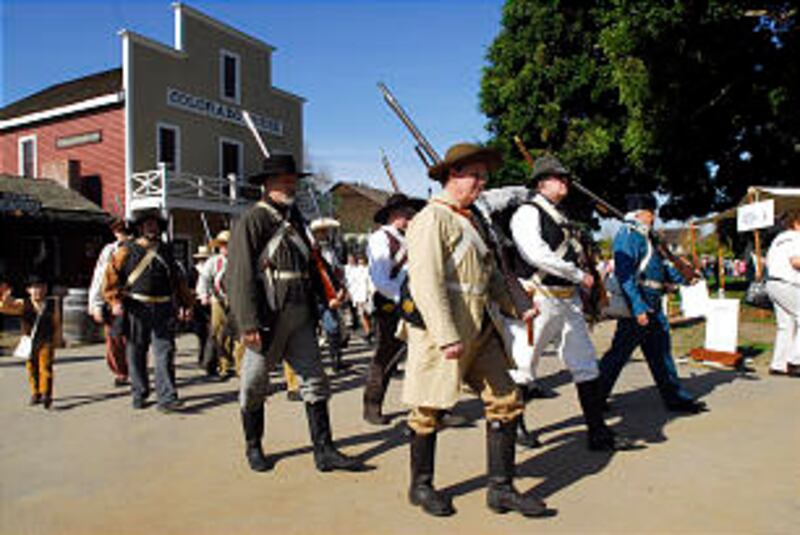
"The public has been very supportive," Elder Hinckley continued. "The Church is well known and respected in Southern California."
On several occasions, when city restrictions were making the renovation difficult to complete, the chamber of commerce intervened on behalf of the historic site to remind city officials of the significance of the facility to the area, and to find workable solutions.