




Picture a young family from the Dominican Republic interior city of Santiago boarding a crowded bus bound for the capital where they will visit the Santo Domingo Dominican Republic Temple and be sealed for eternity.
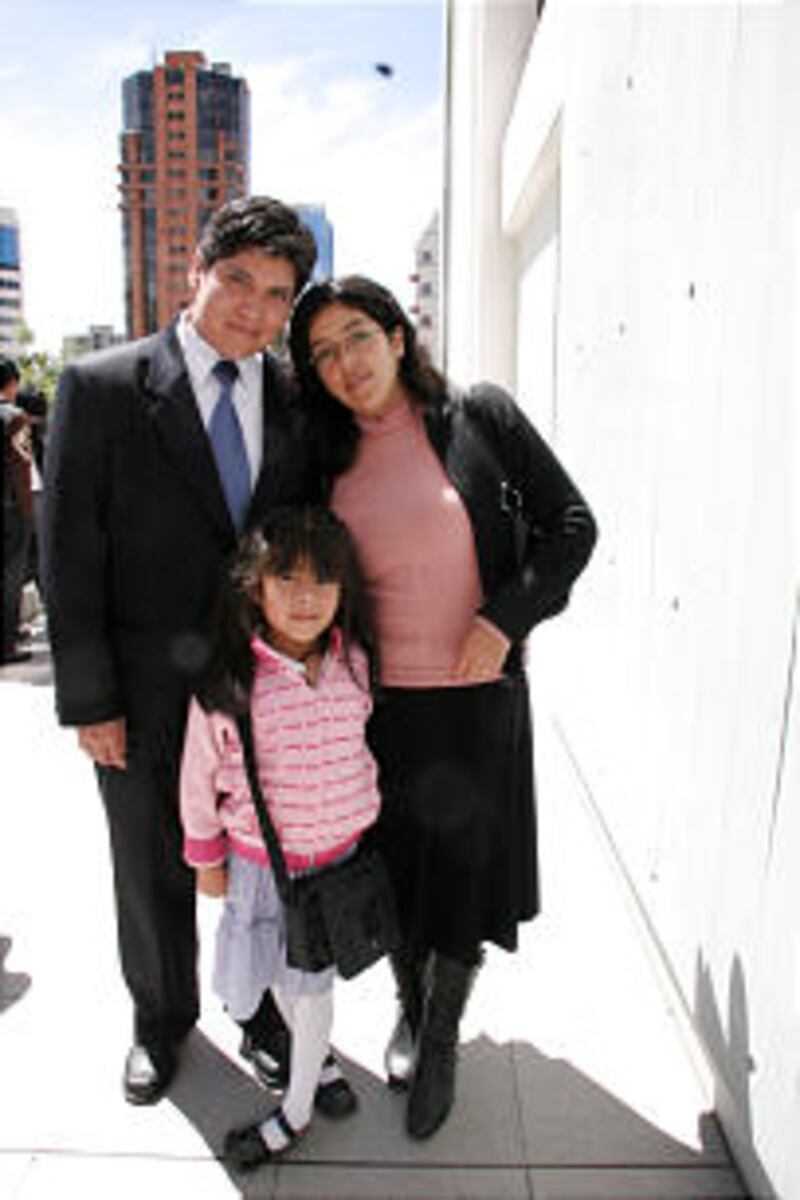
Now imagine a newly-called, 21-year-old sister missionary from Tampico, Mexico, worshipping inside a small temple resting on a gentle hill on the edge of her hometown. The spiritual lessons and promises she learns in the temple offer the strength she will need to teach others about faith, repentance and eternal life.
Envision an elderly couple with little money in their pockets leaving their modest home on Brazil's north Atlantic coast to spend a week inside the nearby Recife Brazil Temple. There they perform essential work for long-departed loved ones who never had the opportunity to learn the message of the restored gospel.
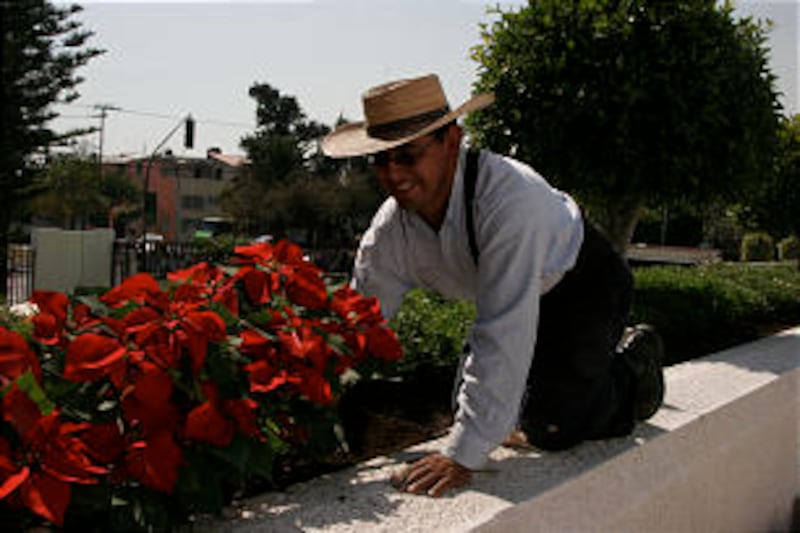
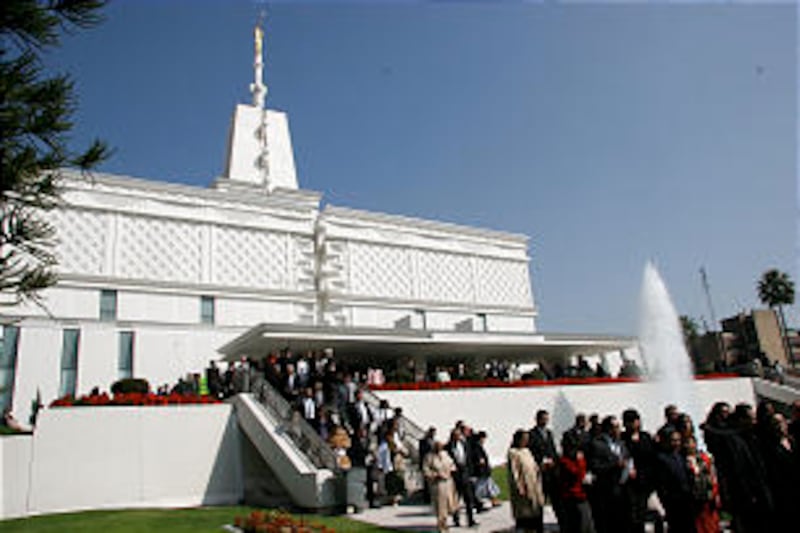
And finally, imagine a pair of hard-working Paraguayan missionaries walking the gardens outside the Asuncion Paraguay Temple with a local couple they recently began teaching. As they enjoy the beauty of the edifice, the elders testify of forever families and the miracles that occur each day inside the walls of Paraguay's only temple.
Just over a decade ago, these scenarios were the stuff of dreams. Prior to 1999, regular worship inside a dedicated temple was impossible for the majority of the millions of Latter-day Saints living in Latin America. For faithful members not residing in, say, Mexico City, Santiago or Sao Paulo, visiting a temple might have been a once-in-a-lifetime experience realized only after great financial sacrifice.
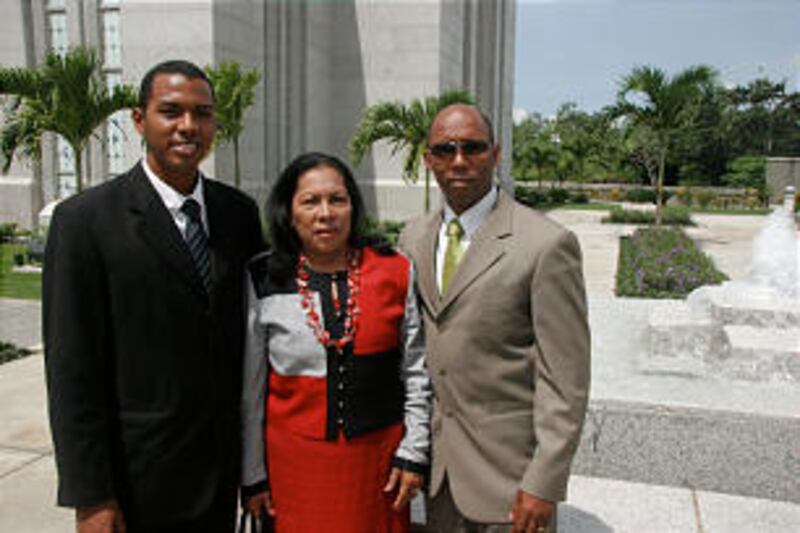
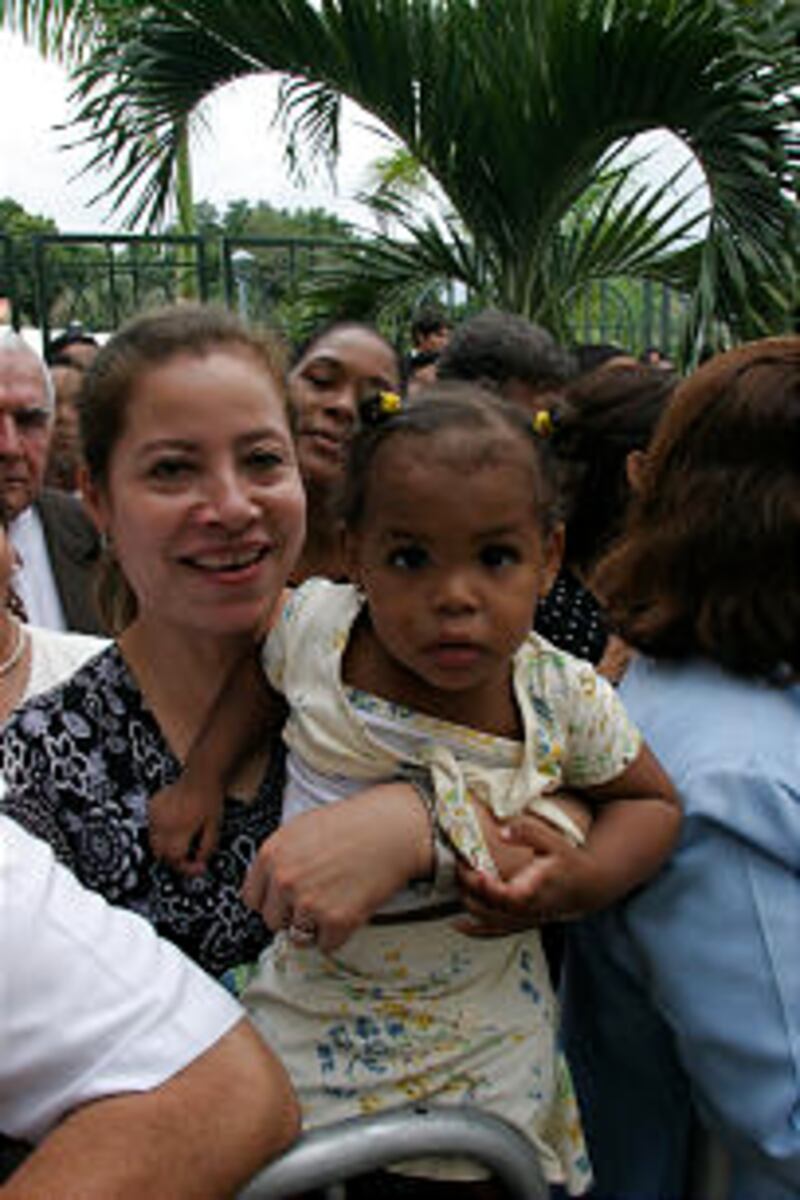
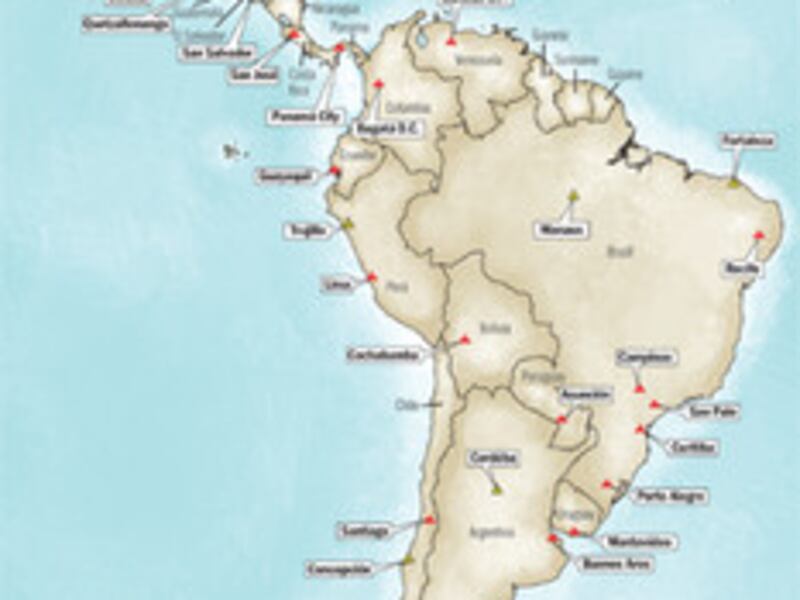
No longer. The past decade has witnessed a prolific and ongoing period of temple building that has brought the temple to the members of the Americas. At the beginning of 1999, temples were in operation in only six Latin American cities: Sao Paulo, Santiago, Mexico City, Guatemala City, Lima and Buenos Aires. Today there are 30 dedicated temples in Latin America, with eight more announced or under construction. Twelve temples dot the Mexican map and a temple is functioning in every Spanish-speaking nation in South America. The Sao Paulo Brazil Temple, opened in 1978, was Latin America's first temple. Today there are four other temples functioning inside the Brazilian border with plans to build others in Fortaleza and Manuas. Even the island nations of the Caribbean have been blessed. The Church did not exist in the Dominican Republic in the mid-1970s, but today faithful Dominicans and their island neighbors can gather in a stately temple that offers its patrons stunning views of the sea.
This historic period of temple building — say priesthood leaders and rank-and-file members alike — has forever changed this power of the Church.
"There is no question that these new temples have changed the Church in the countries of Latin America," said Elder William R. Walker, a member of the Seventy and executive director of the Church's Temple Department. "For many, attending the temple was a once-in-a-lifetime experience. Today they have far better opportunities."
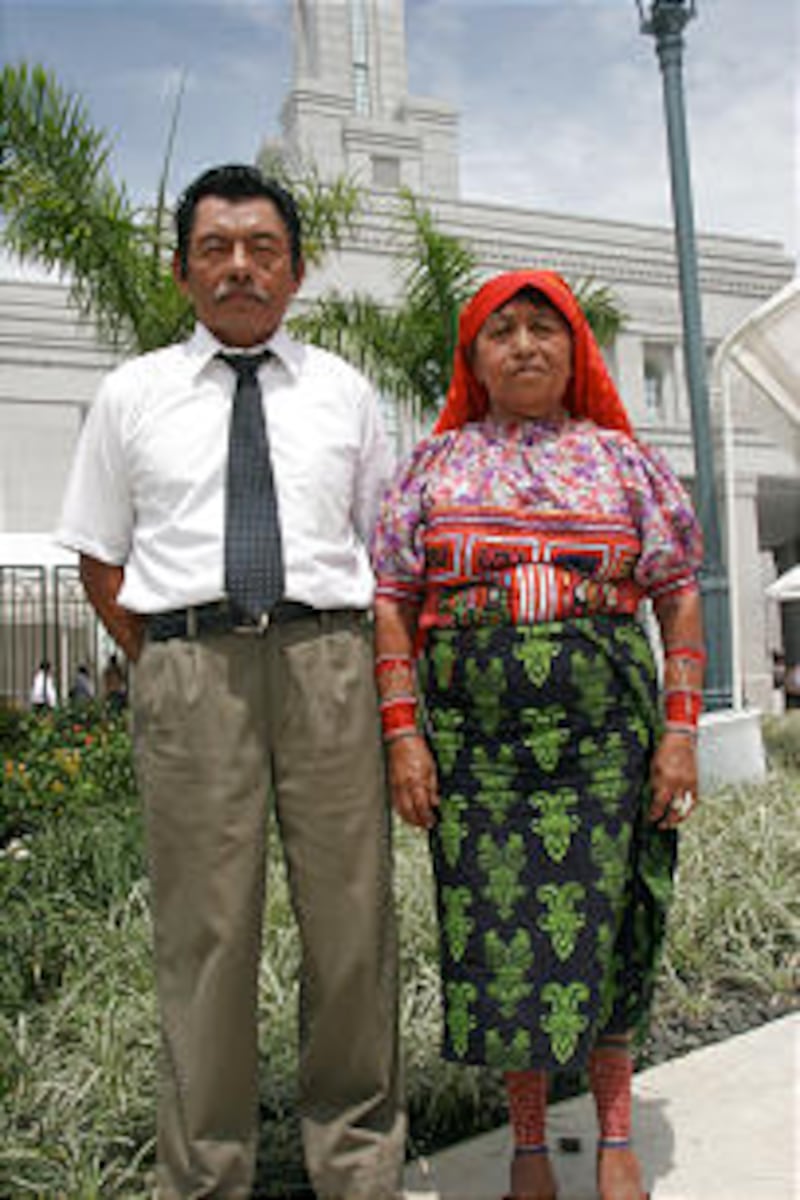
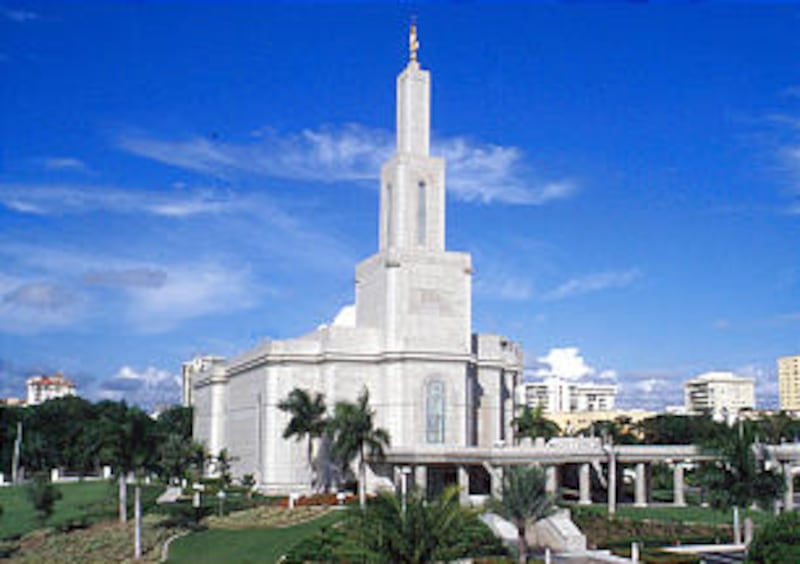
Elder Walker said this prolific period of temple building in the Americas was made possible through prophetic vision. Under the Lord's direction, President Spencer W. Kimball — a beloved prophet for many Latin American Saints — sought to "bring the temple to the people." Later, President Gordon B. Hinckley accelerated President Kimball's temple-building efforts. Over a three-year- span (from 1999 to 2002) President Hinckley would dedicate 15 temples in Latin America. Several other temples in Mexico and Central America were simultaneously opened by President Hinckley's counselors in the First Presidency, President Thomas S. Monson and President James E. Faust.
Latin American members believe the past decade's prolific temple building is a fulfillment of prophecy. In his dedicatory prayer at the March 6, 1999, opening of the Colonia Juarez Chihuahua Temple — the first Latin American temple dedicated during this period — President Hinckley invoked a blessing that perhaps signaled the significance of the moment: "May the sons and daughters of father Lehi grow in strength and in fulfillment of the ancient promises made concerning them."
The Lord's work continues.
Today, President Monson directs the Church's perpetual commitment to bring the temple to the people. Dedicated edifices will be soon open for the first time in El Salvador and Honduras. And second temples are being built in the nations of Guatemala, Peru, Chile and Argentina.
Having additional temples within reach has unquestionably strengthened the faith of the Latin American Saints. But members from all such nations proved to be a "temple people" long before ground was broken for any new temples, said Elder Walker. The faith of the people did indeed precede the miracle.
"The sacrifice and dedication of those early Saints led the prophets to build temples [in their lands]," he said.
Visit with any "pioneer" from Mexico, Guatemala or even the stakes and districts of South America and they can share humbling, even harrowing accounts of temple trips made to distant lands at great sacrifice and expense. Early Guatemalan members, for example, ached to claim their temple blessings. So trips to the Mesa Arizona Temple aboard decrepit buses were organized. Such trips typically lasted eight days — three days traveling to Arizona, two at the temple and three to return. On one occasion, U.S. border officials near El Paso, Texas, refused the members' request to enter the country in their rusty old bus. Guatemalan priesthood leaders worried the members might not make it to Mesa, so they made calls to their counterparts in Texas.
Soon El Paso's stake president arrived with 17 other local members. The relieved Guatemalan members jumped off their bus and into the members' cars and headed to Arizona.
"I know families that have sold their valuables, have traveled over valleys and deserts, have saved for years, have sacrificed hours away from work, have traveled for days and days and committed their lives just to enjoy the privilege of participating in the ordinances of the temple for themselves and their ancestors," said Elder Ruben D. Torres, an Area Seventy from Colombia who has marveled at the relatively recent growth of temples in Latin America.
A blessing to all
Just moments after the Aug. 20, 2000, dedication of the Caracas Venezuela Temple, Carlos Ordenesta, commented on the importance of having a temple in his own land. The local members would not be the temple's sole beneficiaries. "The temple," he said, "is the best thing that has ever happened to Venezuela."
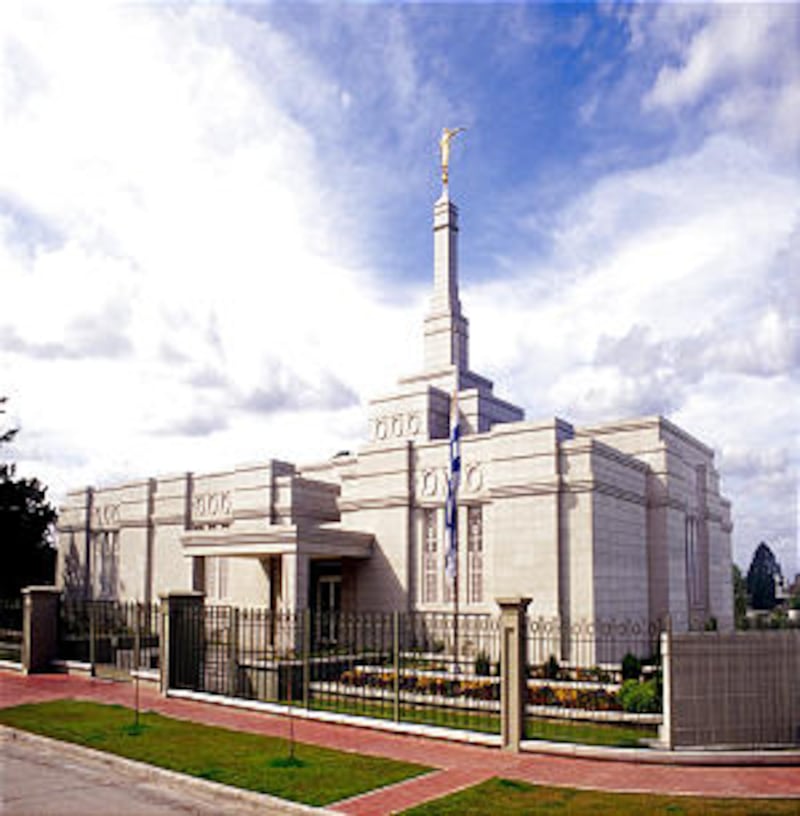
It's a familiar statement. Latin American communities, even nations, have been forever changed with the opening of a temple on native soil. Over the past decade or so, hundreds of thousands have participated in temple open houses stretching from Ciudad Juarez, Mexico, to Montevideo, Uruguay. Elder Walker said the open houses are not intended to be primarily missionary functions — but scores of open houses have been introduced gospel principles such as eternal families and living prophets. Spiritual impulses are stirred and lives change.
"Everywhere we build a temple we see a wonderful reaction," said Elder Walker. "The lives of the members are strengthened and there is increased interest in the Church."
