




HERRIMAN, UTAH
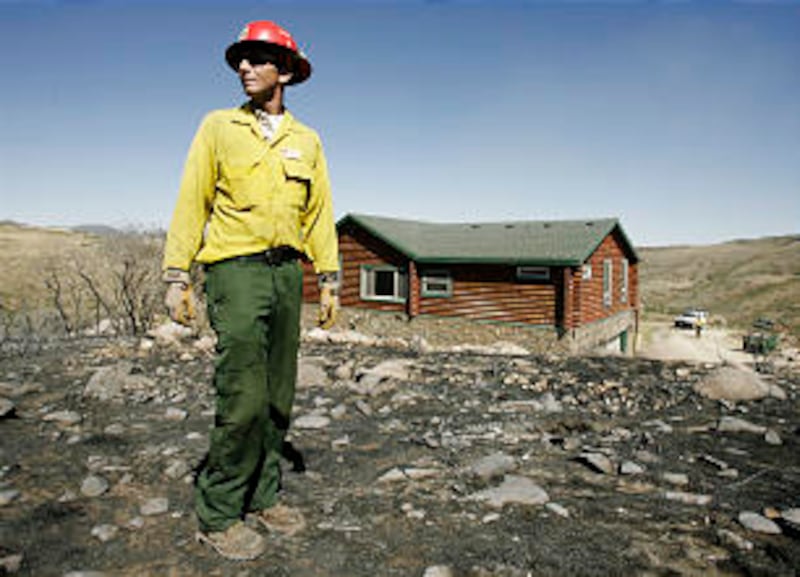
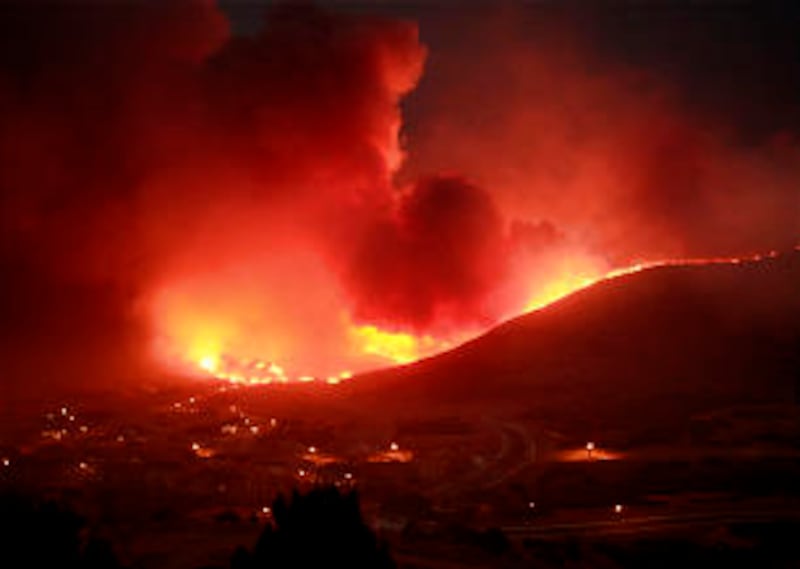
A visit to this burgeoning community in the southwest corner of the Salt Lake Valley offers a sobering glimpse of the size of the wildfire in the hills above Herriman. One can see the wide path of a blaze that blackened 4,300 acres, torched the homes of two member families and forced the evacuation of thousands.
The wildfire broke out Sept. 19 about 3:30 p.m. on the neighboring Camp Williams Army Base property during a Utah National Guard training exercise involving machine gun fire. A combination of high winds and the dry conditions quickly fueled the blaze, threatening homes in the city's Cove Subdivision and Herriman Heights neighborhoods. Originally settled by Mormon pioneers in the 19th-century, the Herriman community has experienced dramatic growth in the past decade and homes dot the landscape along that southern stretch of the Oquirrh Mountain range.
By Sunday evening the fire had crested and was starting down the hill toward residential developments. Some 1,400 homes were evacuated as worried residents sought shelter with friends, family or in camping trailers. Many folks living in homes near the encroaching fire line were given only 15 minutes to evacuate.
Trish Verwer of the Rose Canyon 2nd Ward, Herriman Utah Rose Canyon Stake, said her family noticed smoke rising from the mountain late Sunday afternoon. Soon the smoke had given way to visible flames. "When the fire started coming down the mountain it started jumping. It was very unnerving," she said.
By 8:30 p.m., Sister Verwer and her neighbors were given the order to head to safer ground.
"I had just enough time to grab baby books, a box of genealogy stuff and all the pictures we could put in a shopping bag," she said.
Sister Verwer said she was immediately grateful for her stake's emergency preparedness and communication plan that resulted in an organized and orderly evacuation. Long before the fire began, stake and ward leaders had developed emergency response plans and built relationships with local public safety agencies. Such readiness proved priceless in the fog of the emergency.
"The stake had an emergency response plan in place that was followed as it was supposed to," said Lynn Samsel, director of the Church's humanitarian response office. That preparedness, he added, allowed the Church members to help themselves while providing support to their neighbors and first response police and fire crews.
An overnight shelter was established at the newly opened Herriman High School on Sunday night. The next day, an LDS stake center in South Jordan was used overnight to feed and lodge 28 people who were still waiting to return to their homes. The Church provided food at the shelter, which was prepared by a local Southern Baptist congregation.
A few rescue workers were treated for smoke inhalation and other minor injuries, but no serious injuries to members or others were reported. No meetinghouses were damaged by the blaze, although the flames moved uncomfortably close to the Rose Canyon meetinghouse. The building is expected to be used for Sept. 26 Sabbath services. "We're trying get the smoke out of the building," said Bishop Brian Verwer. "[The fire] went right down to the property line."
Church members from the area were immediately enlisted to provide comfort and support — making sandwiches and other meals for fire crews and other support personnel.
Sister Verwer is grateful that more homes were not lost to the blaze, but she and her fellow ward members are saddened by those whose houses and valuables were destroyed.
"We're trying to help them however we can," said Bishop Verwer.
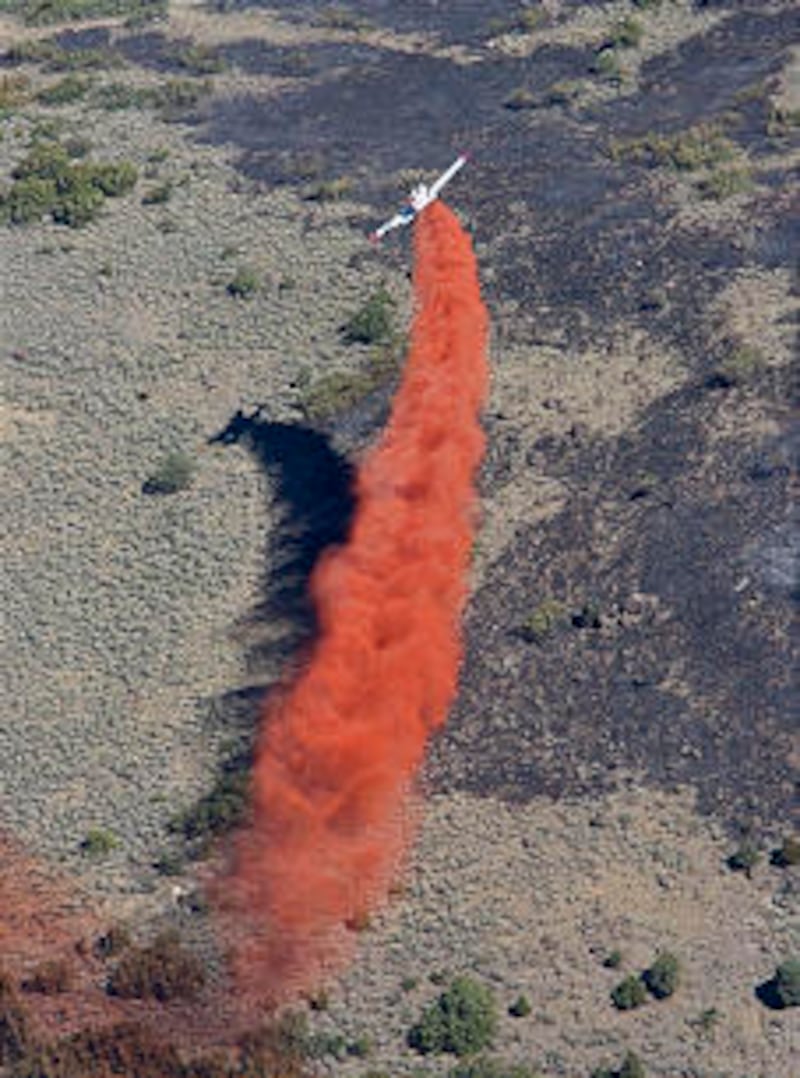
Hundreds of firefighters from Utah and neighboring states were enlisted to battle the blaze, dropping retardant on hotspots fueled by winds and seasonal low humidity. The Deseret News reported that the Utah National Guard apologized for the fire and admitted guilt for conducting live fire training during a "Red Flag Warning" issued during dry, windy conditions. Guard officials said the government was prepared to assist with the claim-filing process for people who had lost homes or had property damage.
