




KESENNUMA, JAPAN
Yumiko Yoshiki was standing in her home on March 11 when the shaking started and things around her began to fall. Tsunami alarms followed.
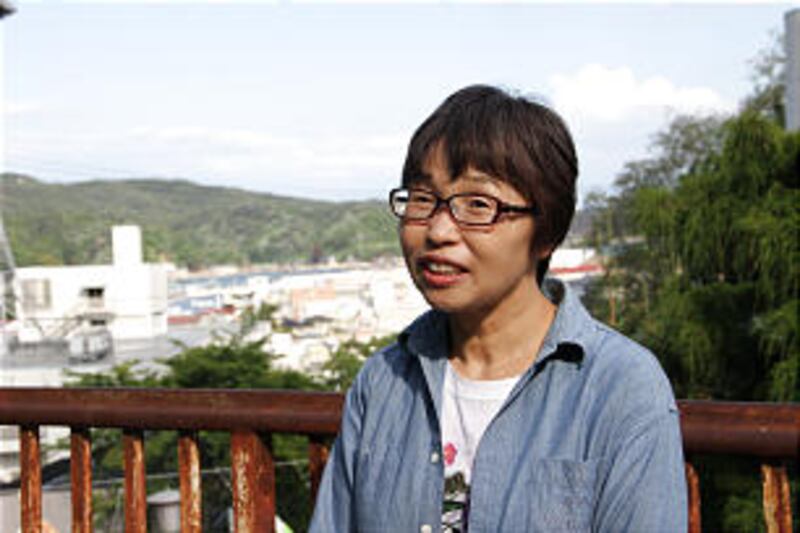
She grabbed her money and some clothing, and with her adult daughter, started to run. Instantly they realized it would be necessary to flee by car. Sister Yoshiki took one car, her daughter another.
But when Sister Yoshiki of the Ichinoseki Branch, crested the hill in her coastal city, her daughter was not behind her. She wanted to go back, but the story of Lot's wife filled her soul and she knew she must look forward.
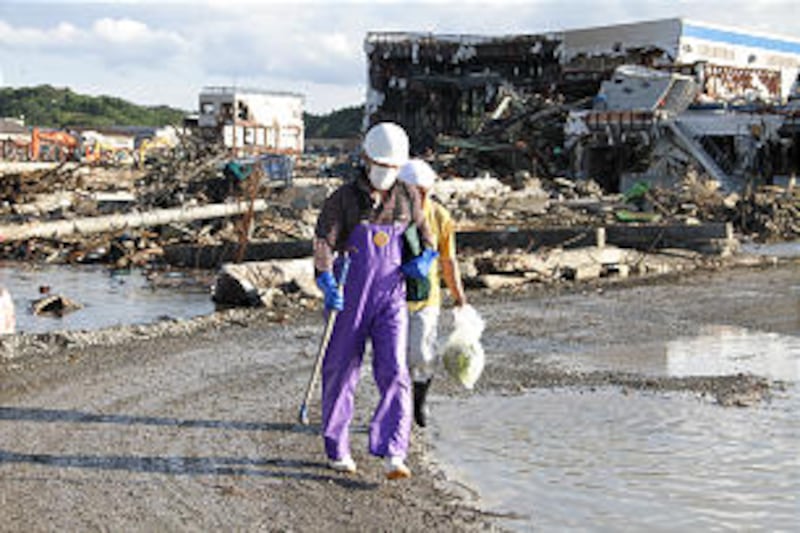
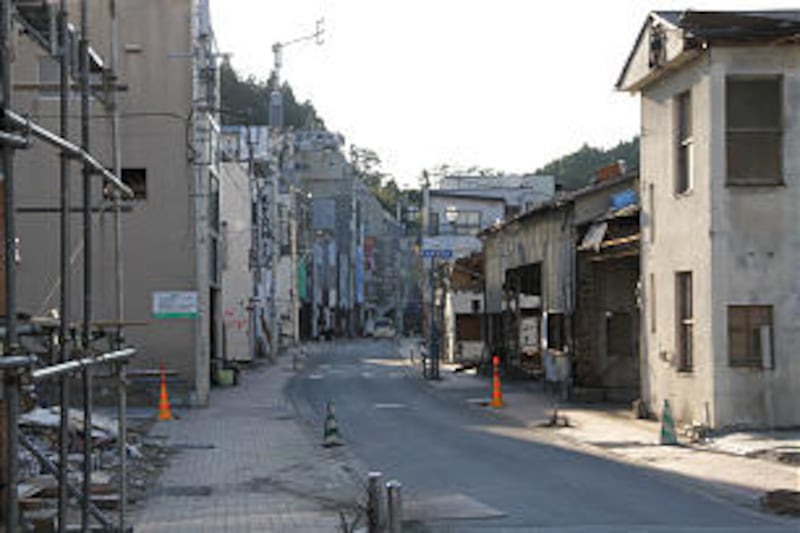
She continued to drive upward.
Sister Yoshiko never saw the tsunami that destroyed her city, her home and her husband's fishing boat.
Three months after the disaster, however, she is still certain of one thing: "If I had gone back I wouldn't have lived."
Eventually, Sister Yoshiki — the only Latter-day Saint in her family — found her way to her brother-in-law's home.

In a state of shock and confusion she prayed for help.
"I really felt sick," she said through an interpreter. "I didn't know what to do. I stayed awake all night. I wondered, 'Should I live or should I die?' My heart was hurt. I knew I needed God."
She asked the Lord to send her branch president.
Miles away in Ichinoseki, Sister Yoshiki's Branch President Koki Yamazaki began worrying about the members of his branch. There was no electricity or telephone or cell phone service. Food, water and gasoline were in short supply.
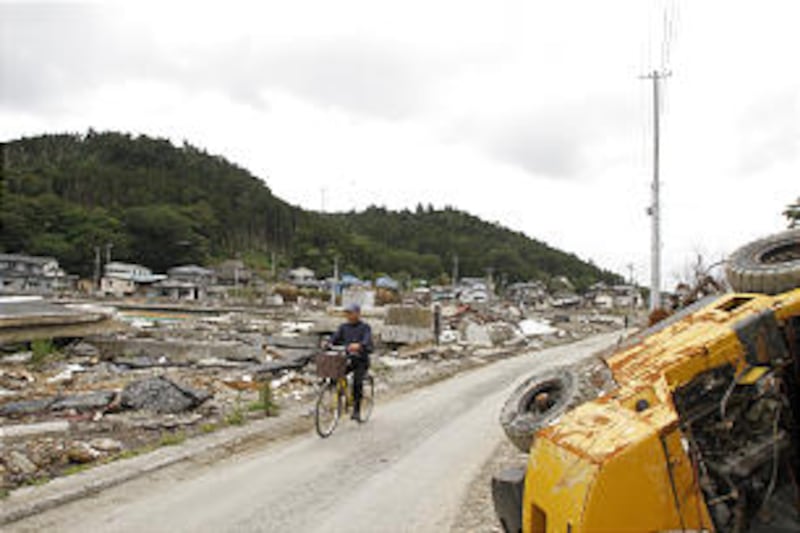
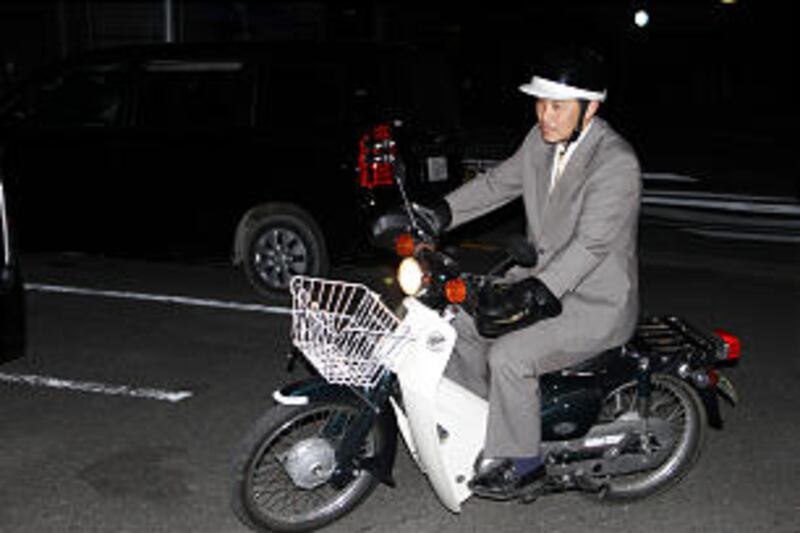
On March 13, President Yamazaki borrowed a scooter from a Church member and started towards Kesennuma, home to Sister Yoshiki and another Latter-day Saint sister. "The roads were destroyed," he recalled. "The situation was very bad."
He went from evacuation center to evacuation center looking for the women. Finally, he learned they were safe, but was unable to find Sister Yoshiki or see her in person that night.
President Yamazaki put the little gas he was carrying in his tank and drove home. "The gas level went to full," he said. "I really felt this was a miracle."
Two days later, he knew that he still needed to find Sister Yoshiki. With limited gas in hand, he set out again for Kesennuma. After considerable searching and effort, he found Sister Yoshiki and offered her a small bag of rice.
"I knew this was God's help," said Sister Yoshiki, who was eventually reunited with her daughter. "No man could have done this. He really was an angel from God."

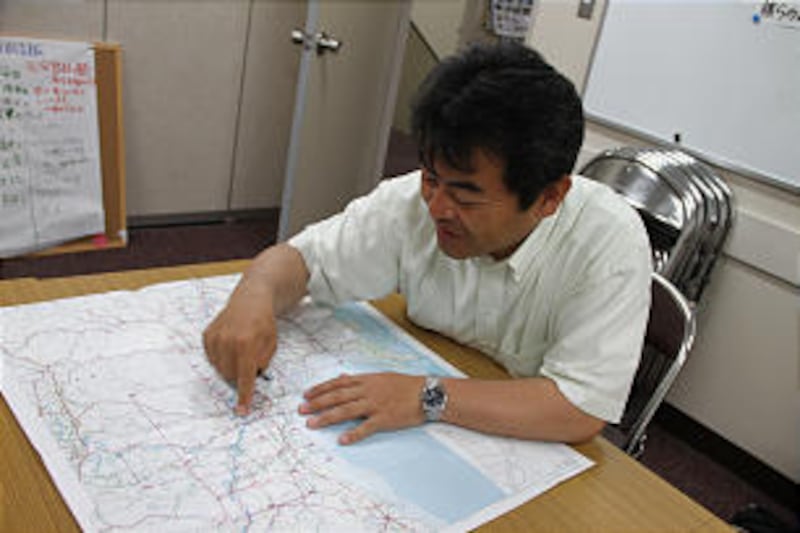
President Yamazaki was pleased he had made the connection and started home.
The scooter began making a funny noise and one tire went flat. He rode on the rubber until it began to come off. Then President Yamazaki, knowing the trains and buses were not running, asked locals if he could borrow their tools. He cut the rubber away and ran on the metal wheel rim until he coul drive no more.
"I left the bike. I was pretty sad at that point. There was no electricity. No people. It was raining and I thought it would snow."
He prayed and promised his Heavenly Father he would do whatever he could. He found rides in three different cars, each taking him closer to home.
"God got me home," he said.
President Yamazaki's story is representative of the courageous efforts local priesthood leaders made in the hours and days after catastrophe hit northern Japan.
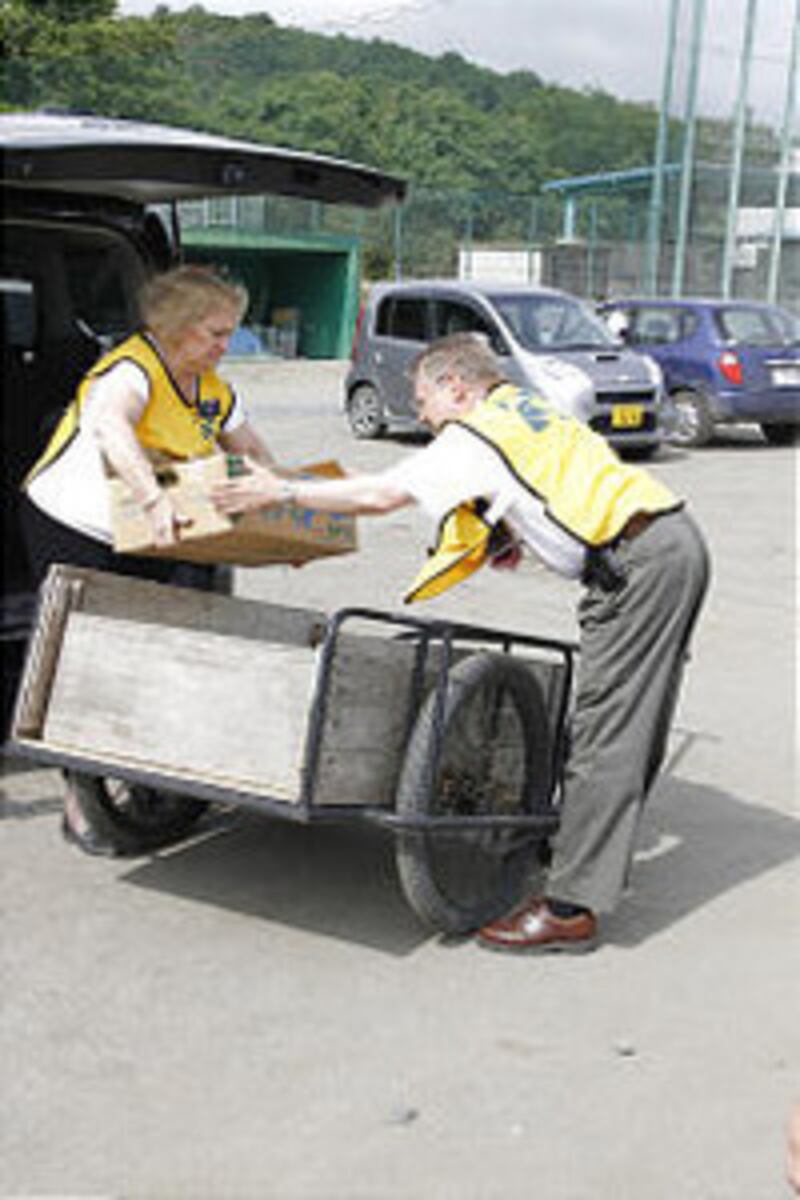
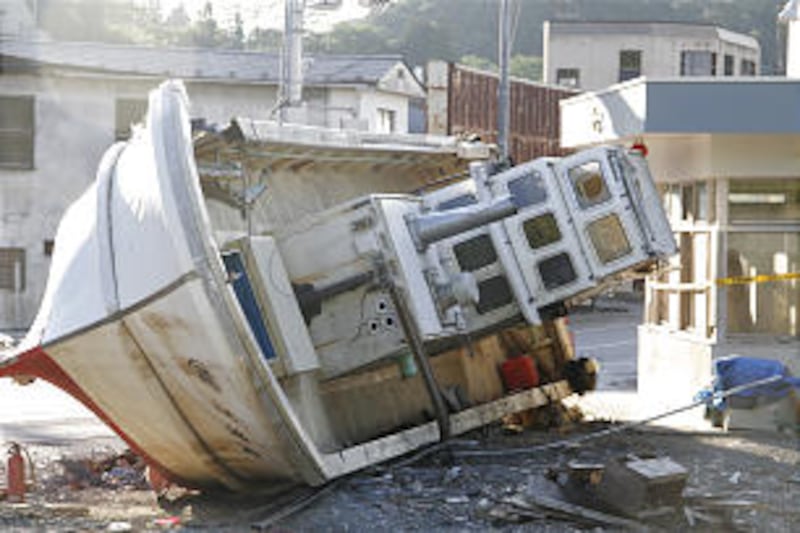
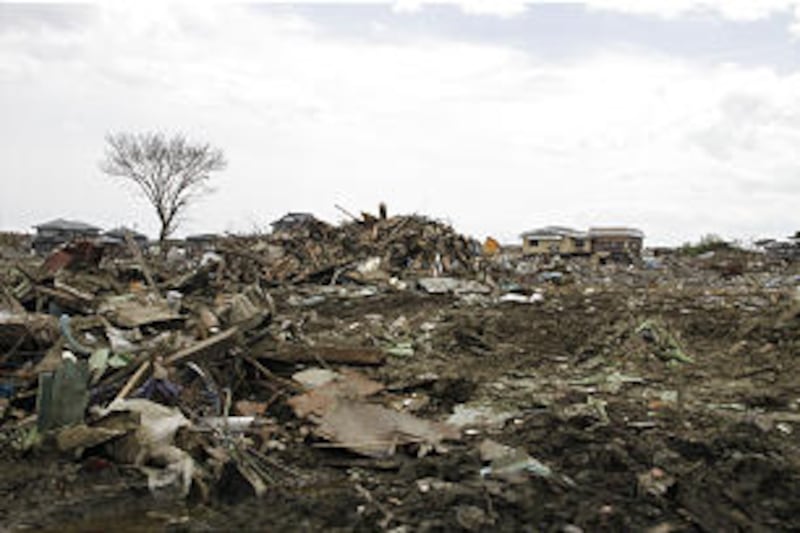
The 9.0 magnitude earthquake and powerful tsunami, which struck Japan March 11, left 15,401 dead, displaced thousands and destroyed more than 551,000 homes, according to Japan's National Police Agency. To date, some 8,146 people remain missing. Two Latter-day Saints died in the disaster, according to the Church's Asia North Area.
Immediately the Church sent water, food, blankets and fuel to the disaster zone. Scooters were purchased to help local priesthood leaders tend to their flocks.
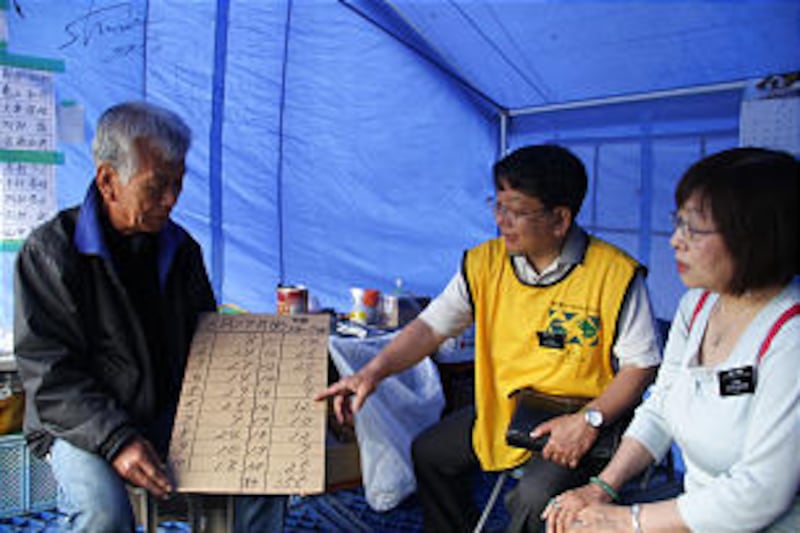
In Nagamachi, Japan, for example, Bishop Tatsuya Otomo had no way to reach all the members of his ward. So he placed a large board outside the LDS meetinghouse and asked members to sign in and report their status and the status of fellow Church members.
"This was a fast method to confirm the safety of people," he said.
Members would look at the list and then "walk or ride bicycles to check on other members."
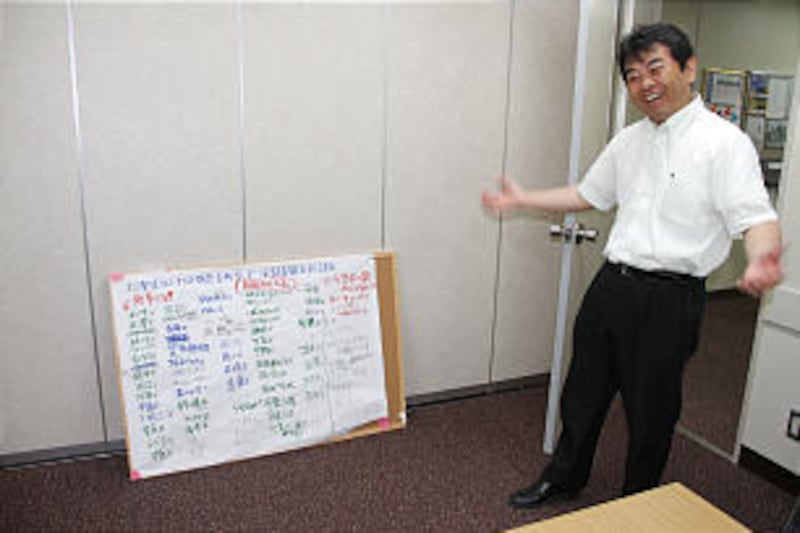
In one week, local leaders had confirmed the safety of 180 of the 220 families in the ward. "We have now been able to contact everyone," he reported. "It was difficult. ... We didn't know where they were."
When everyone had been located, Church members then rallied together to help each other. On March 20, a week and a half after the disaster, ward members brought their food storage to the meetinghouse for use by members in need. "We had one sister whose husband was not a member of the Church," Bishop Otomo said. "Still, she donated all of their rice. Her husband said, 'Go ahead.' The members really helped and cooperated.
"We were all victims of this disaster, but everyone came to help each other."
Bishop Otomo said he saw hope and resiliency rise from the destruction. "One sister said to me, 'My house is completely gone. But I can't take it with me to God. So it is not important.' "
What is important, she added, is that " 'I have had the opportunity to serve others.' "

Bishop Otomo said there were many Church members that have been hard to contact for years. "After the earthquake we were able to contact them," he said. "They were happy to see us."
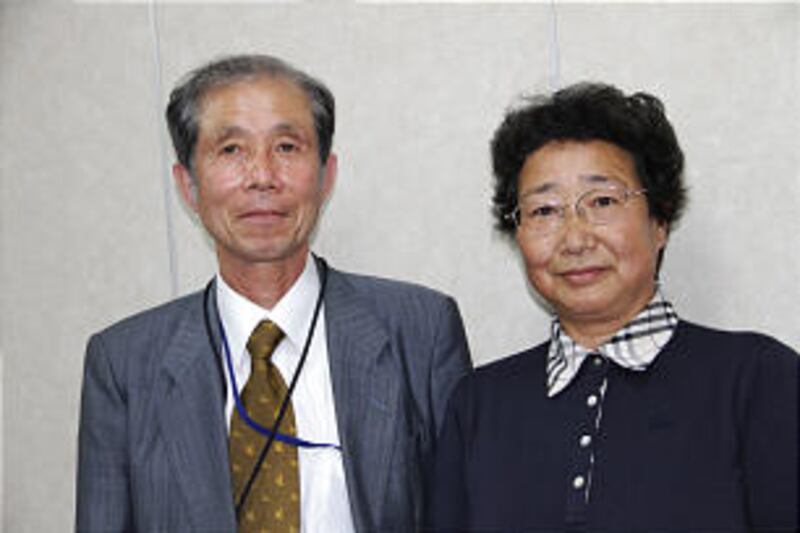
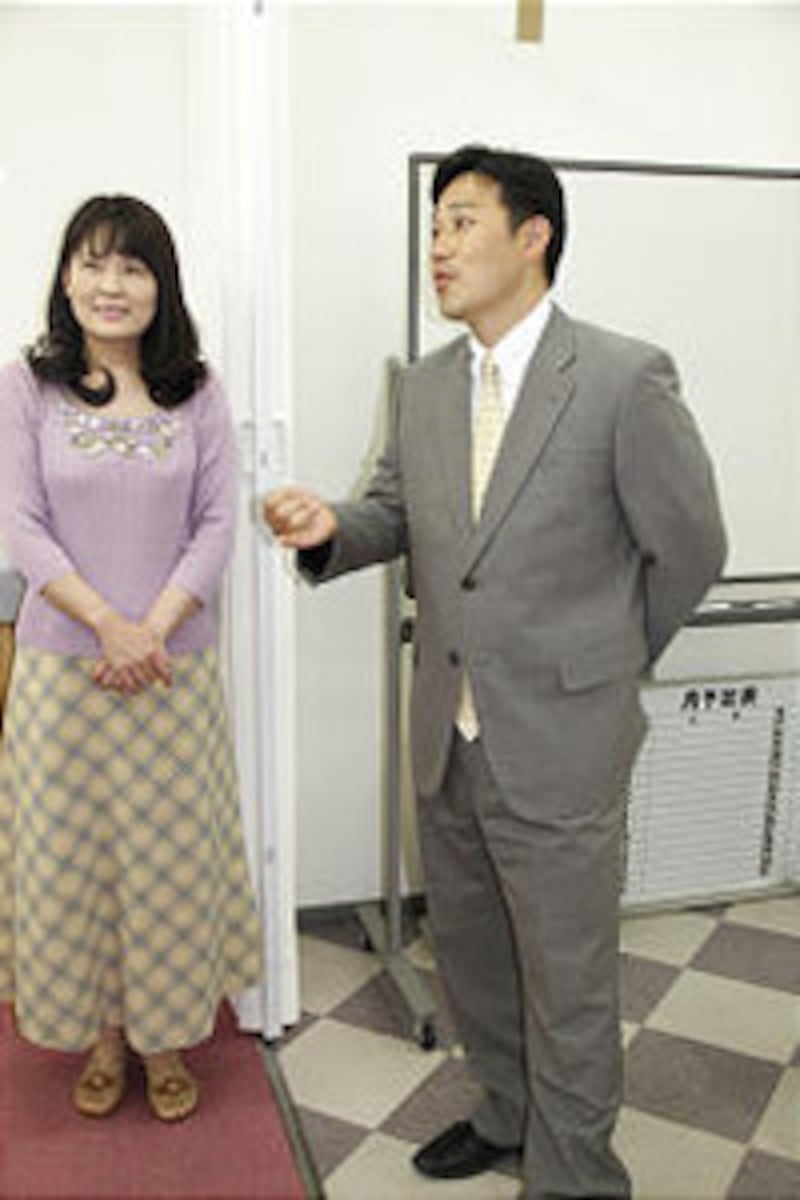
Naoki and Setsuko Yamada are two members of Bishop Otomo's ward that needed help after the disaster. Their home was completely destroyed.
When the catastrophe struck, Sister Yamada went to an evacuation center; Brother Yamada to his mother-in-law's home. It was four days before the couple reunited.
Unable to contact his wife, Brother Yamada prayed for several hours. "I felt she would be OK," he said.
Finally, four days after the disaster, Sister Yamada made her way to her husband, who was at her mother's home. "She came through the back door of the house and she was crying. We were able to call [our family] and tell them she was OK."
Sister Yamada took her Book of Mormon with her to the evacuation center. In the days before she was reunited with her family, she read stories of faith and patience and overcoming trials.
There, in the evacuation center, facing the loss of so much, the scriptures taught her a lesson of hope. "I read that we have to move forward; we have to move forward with God."
