



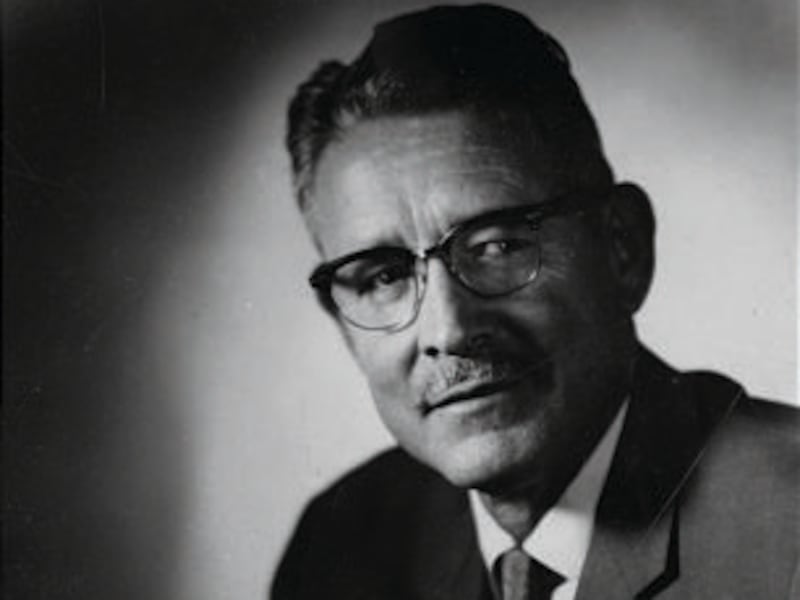
Organizers are calling it a "groundbreaking collaboration" with two eminent museums in Salt Lake City presenting concurrent exhibitions highlighting the work of one of Utah's most well-known and respected landscape artists, LeConte Stewart.
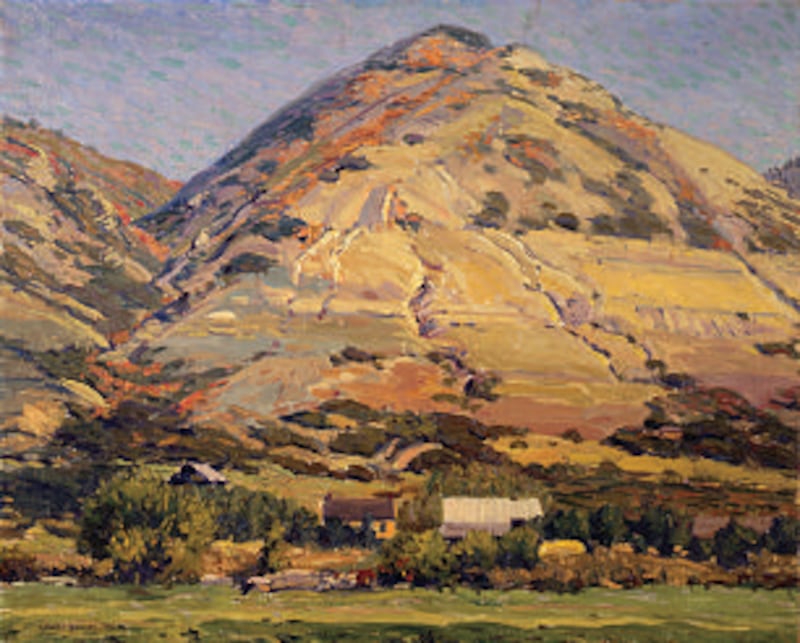
Born in 1891 and painting nearly every day of his 75-year career that ended with his death in 1990, Brother Stewart created realistic renditions of Utah's rural and urban landscape with an output amounting to nearly 7,000 works.
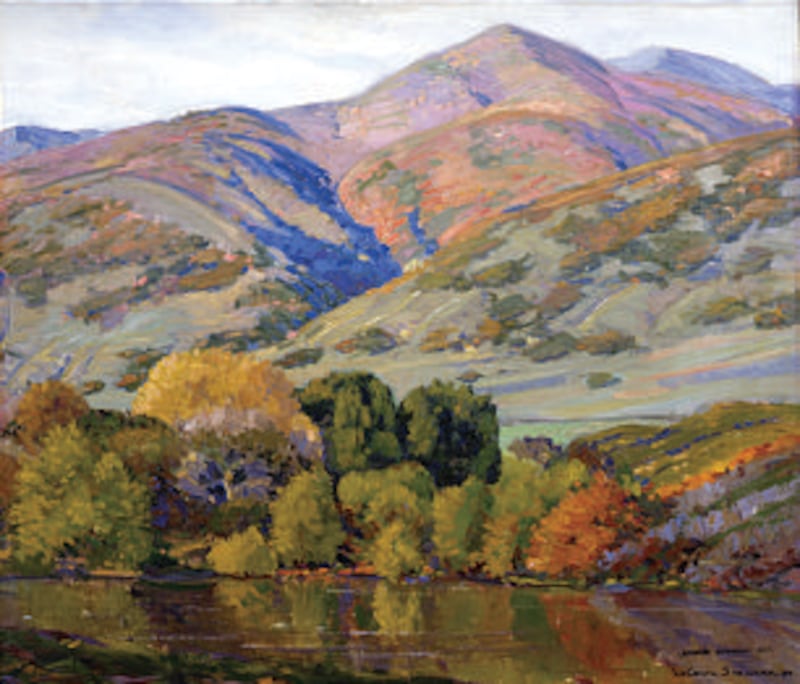
The museums each focus on a separate aspect of that work.
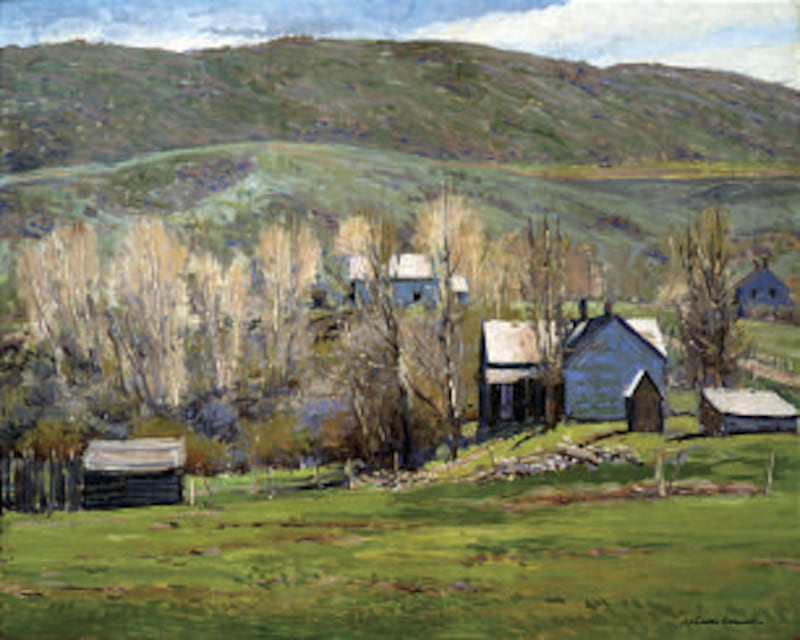
The Church History Museum, located across the street to the west of Temple Square, is highlighting Brother Stewart's impressions of "the Soul of Rural Utah." Paintings on display feature farmhouses, barns and fields, seemingly nondescript scenes that, through the artist's eyes, take on a richly human quality.
The Utah Museum of Fine Arts, located on the University of Utah campus, highlights the artist's "Depression Era Art." The exhibition features more than 120 of his works created during the Great Depression of the 1930s, with gritty recreations of storefronts, gas stations and old homes.
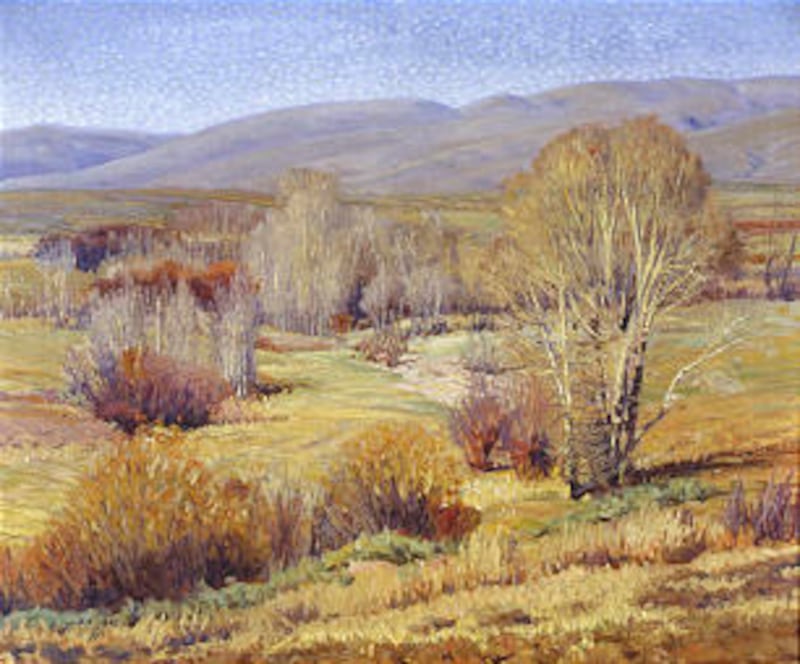
"We've been working on this for a long time," said Gretchen Dietrich, executive director of the Utah Museum of Fine Arts, speaking of the joint project during a news media briefing and tour July 21. "It's exciting to give such an important regional artist, local artist, his due with two really phenomenal, incredibly large and expansive exhibitions."
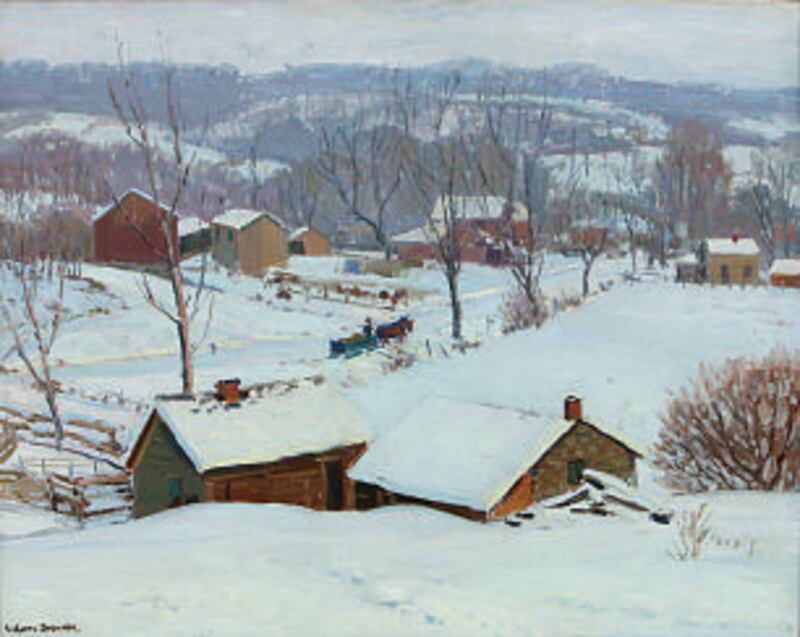
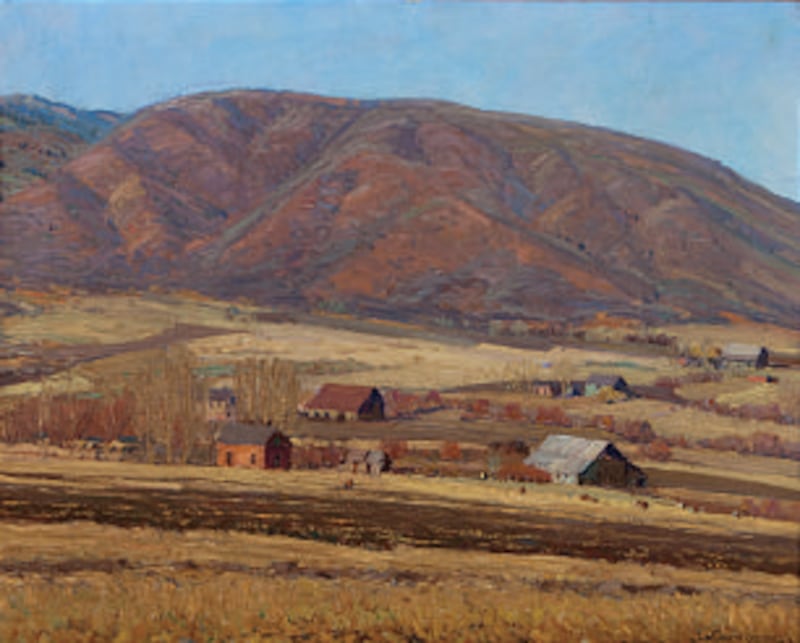
Kurt Graham, director of Church History Museum, said, "We hope that the public will treat this as a single exhibit." He noted that the two institutions are "tethered by the TRAX," referring to the light-rail transportation system that has stops within easy walking distance of each museum. The logistics of assembling the more than 200 works from the respective museum collections as well as private collectors and getting the themes to match up has been a great effort, Brother Graham said.
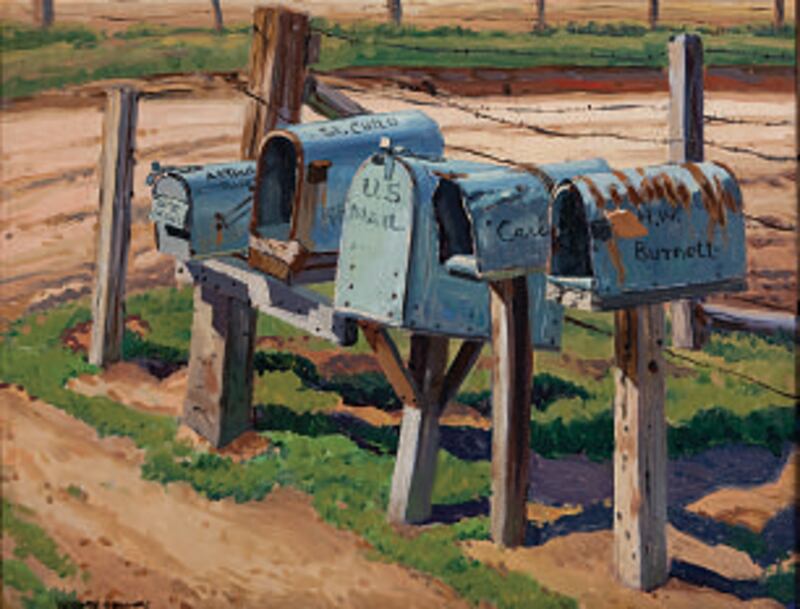
Donna Poulton, associate curator at the Utah Museum of Fine Arts, noted that the idea for the exhibition originated about three years ago when a bequest came from collector Kent Day who gave the museum more than 30 Stewart works. She was surprised to see many pieces she hadn't seen, many of them depression-era works. During that time period the artist continued to do landscape works. Realizing that the Utah museum could not feature both themes, she contacted Robert Davis, curator at the Church History Museum, to see if he would be interested in exhibiting the Stewart masterworks from that period.
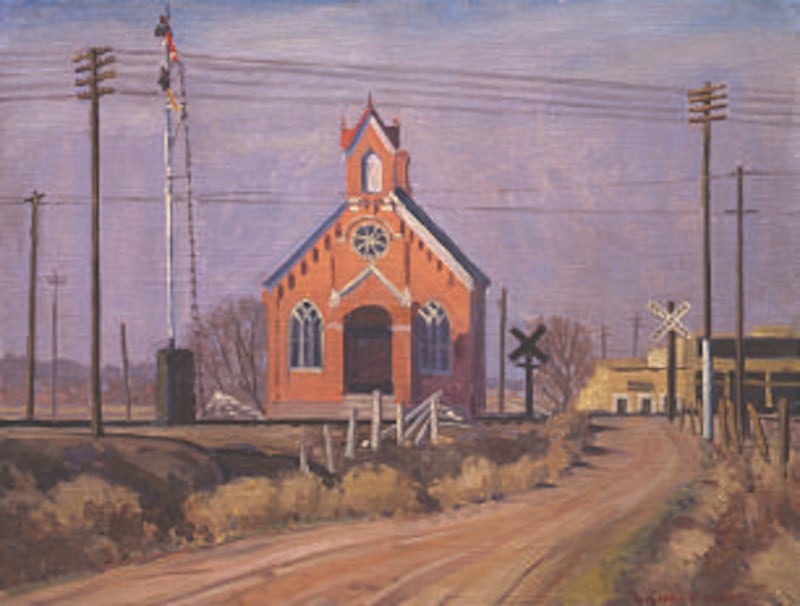
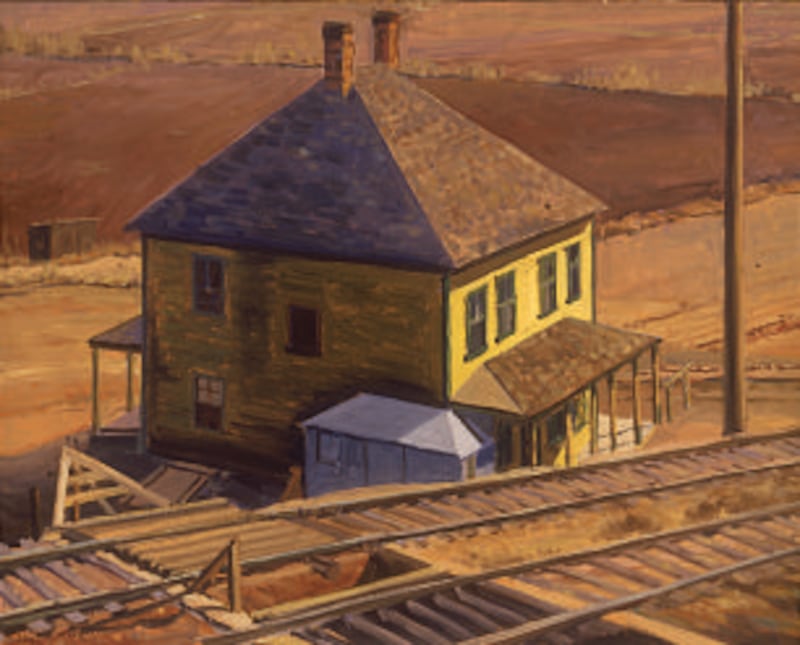
She noted that in 1938, LeConte Stewart was recruited to be art department chairman at the university, a position he filled 18 years. He thereby influenced many important Utah artists who studied under him, she said.
Brother Davis, also speaking at the news briefing, noted that LeConte Stewart was a member of the Church and that he portrayed the cultural landscape that the Latter-day Saints and the Mormon pioneers created. "That's what we're focusing on for the most part in this show."
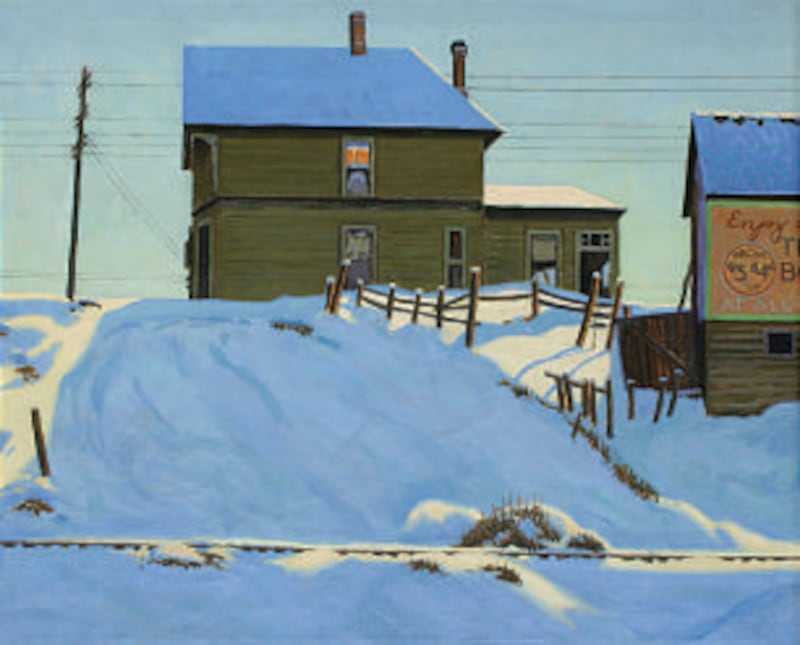
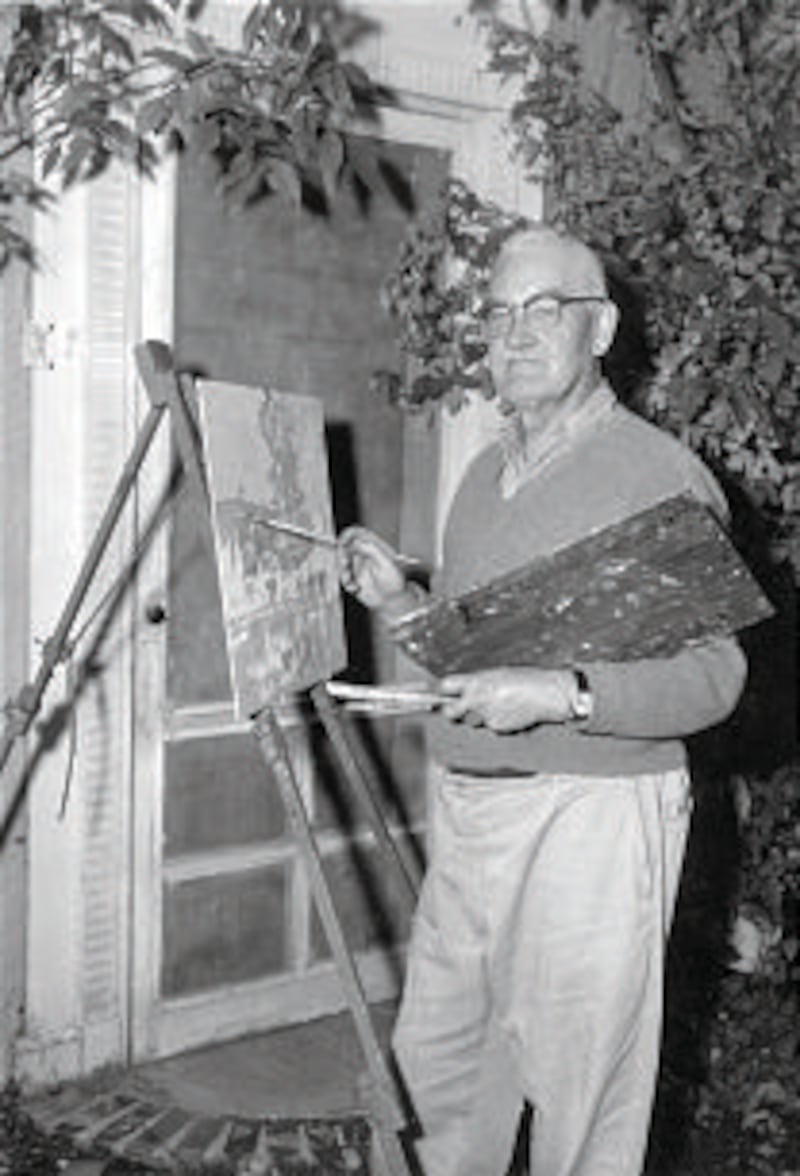
Studying in the East, Brother Stewart acquired a personal style, Brother Davis said. "He did not pick up on all the trends, as so many artists did, particularly modernism. But he had a certain bent, I think, that traced back to his childhood even, when, instead of listening to the teacher, he'd be looking out the window at the landscape, wishing he could be outdoors."
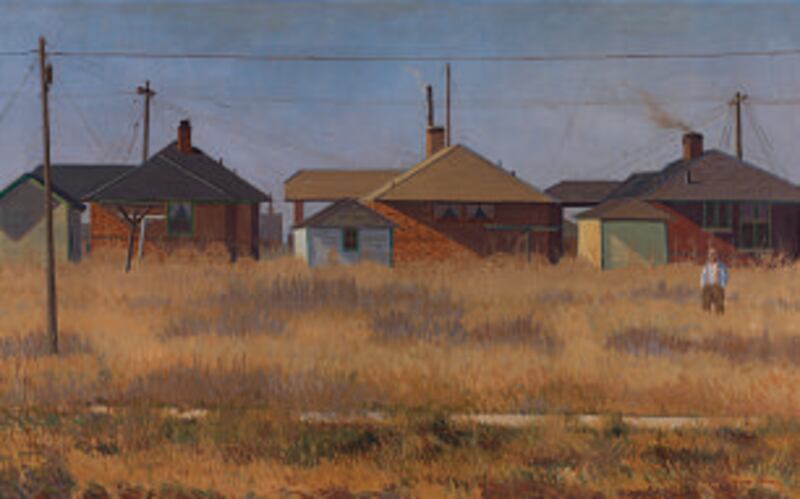
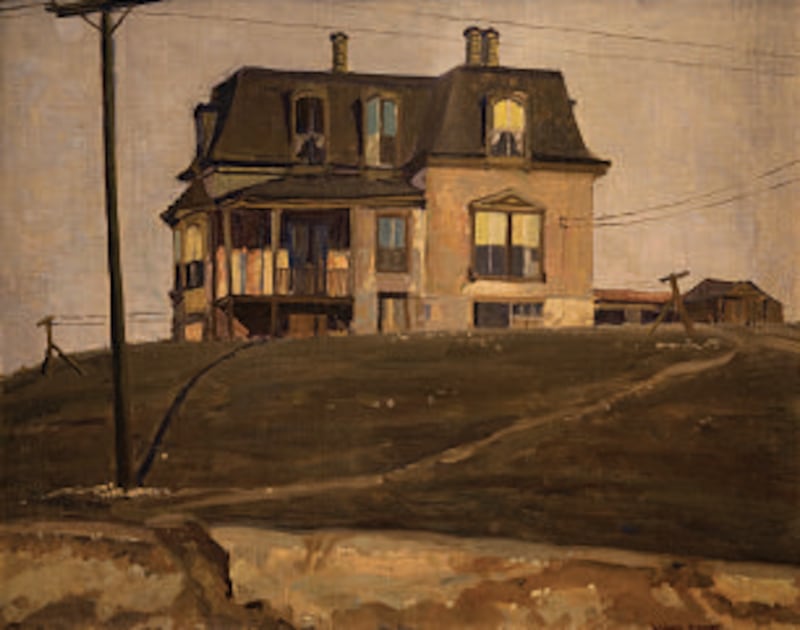
His appreciation for the beauty of nature was integral to his religious faith. A panel in the Church History Museum exhibition quotes him as saying, "Aside from my religion, which I believe with all my heart, I, too, have found God in nature and my close communication with her. With my canvas and paint brush, I have learned to see beauty in every leaf and tree and hill. I have learned to love and respect with all my heart His marvelous creations and have tried to keep in tune with Him every hour of the day and night, and I recognize His great power. I stand in awe and reverence before Him."
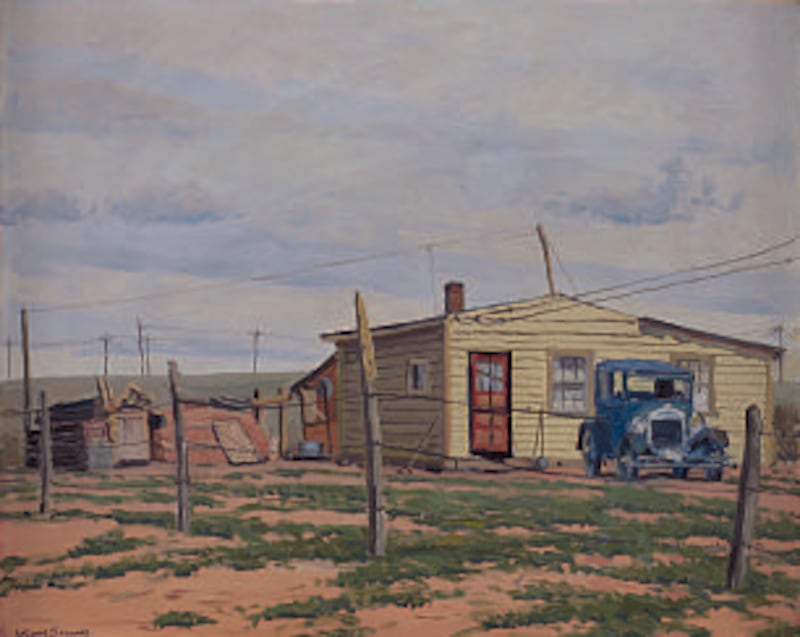
In keeping with that reverence he used his talents to serve the Church throughout his life. While on a full-time mission to Hawaii in 1917, he was asked to begin a work mission to beautify the temple at Laie, where he created murals for the creation room and garden room. In 1920, he supervised production of art and created murals for the Cardston Alberta Temple, and in 1927, he painted a mural for the Mesa Arizona Temple.
