PROVO, UTAH
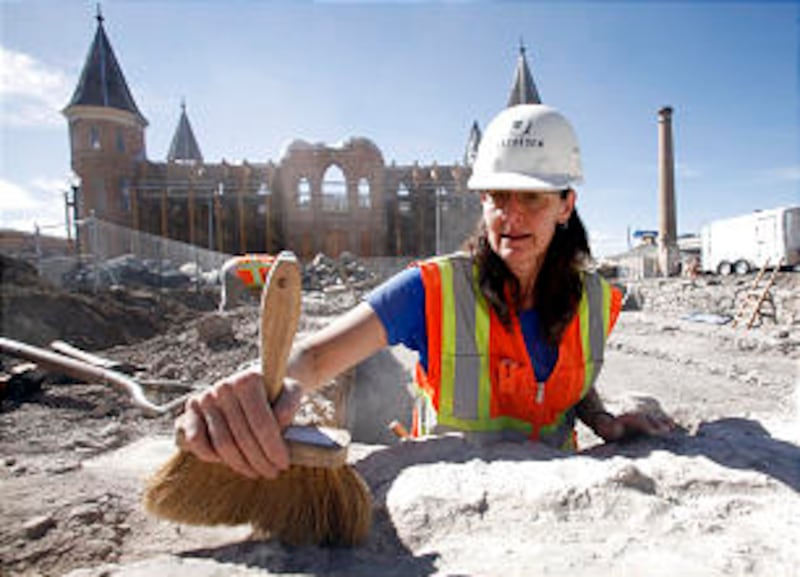
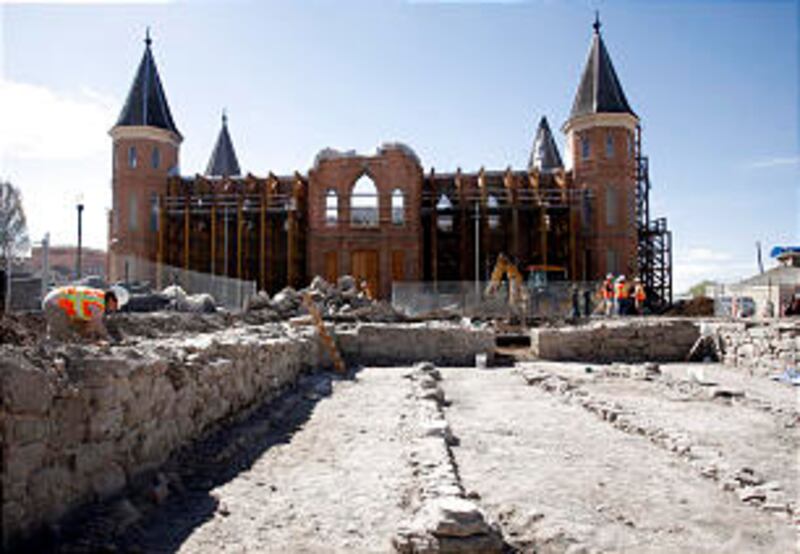
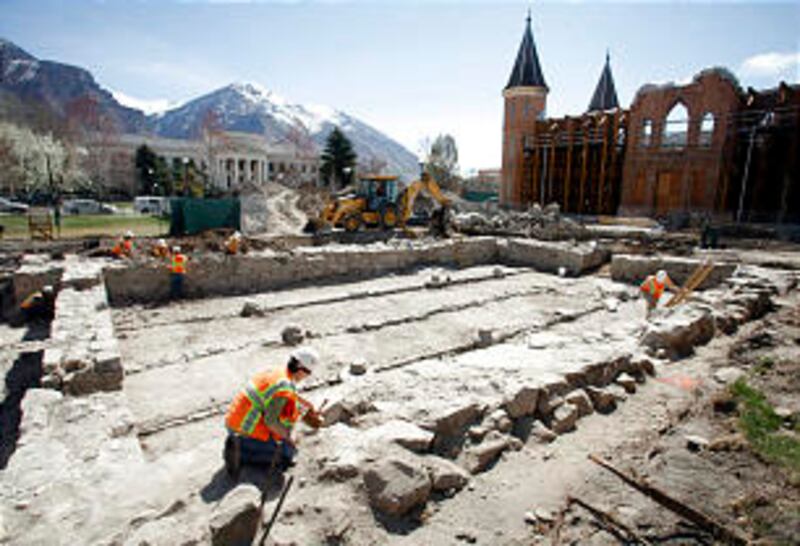
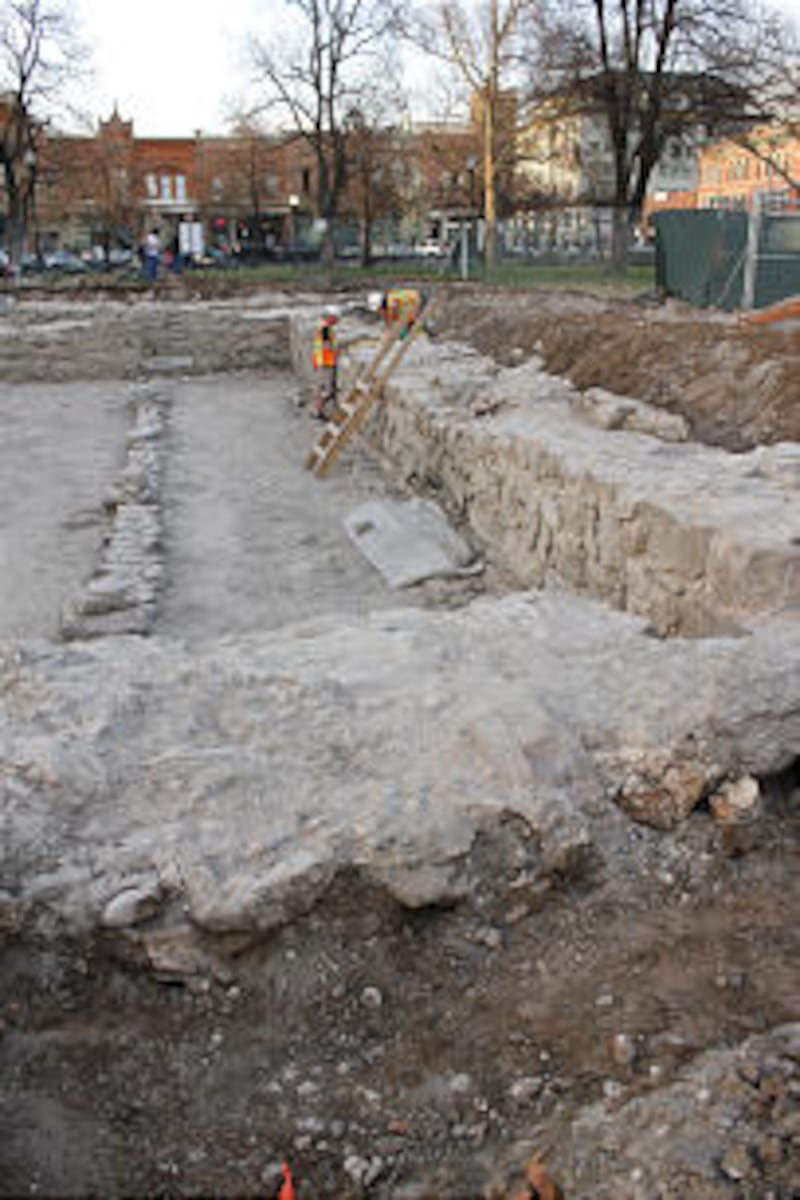
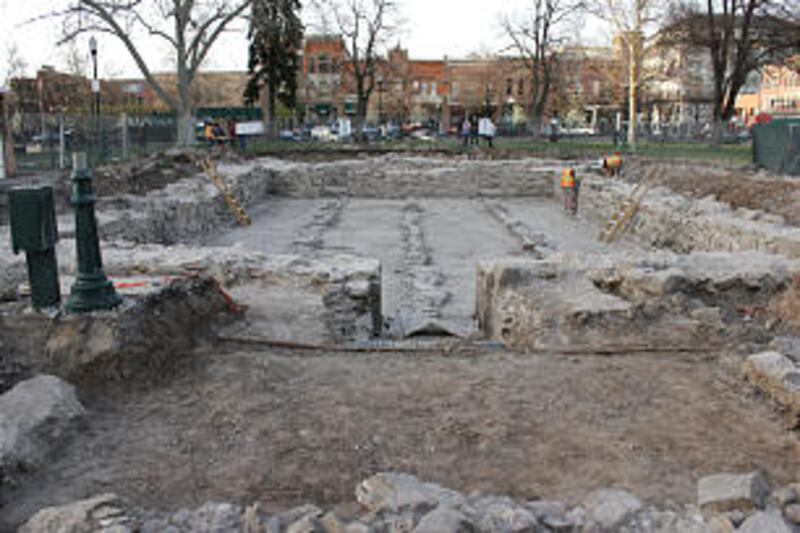
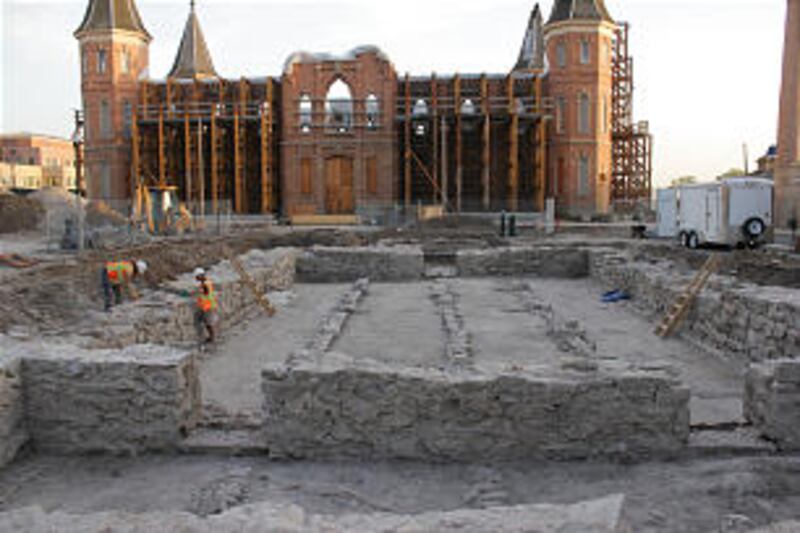
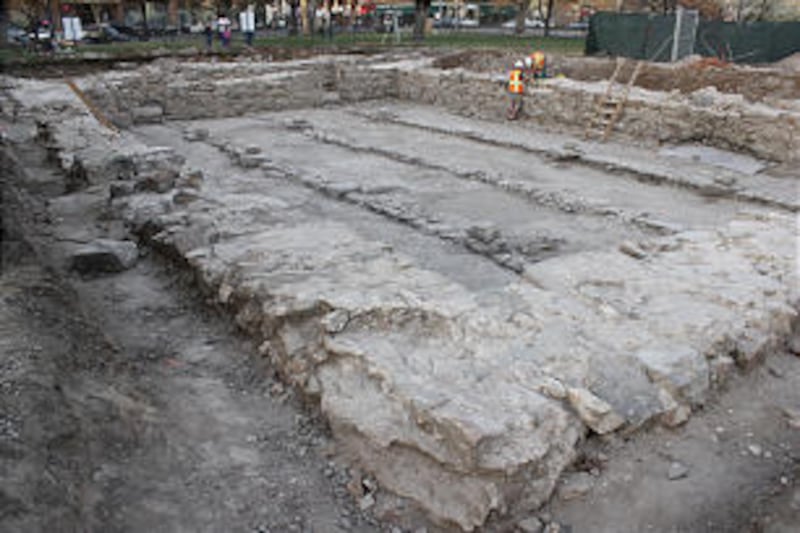
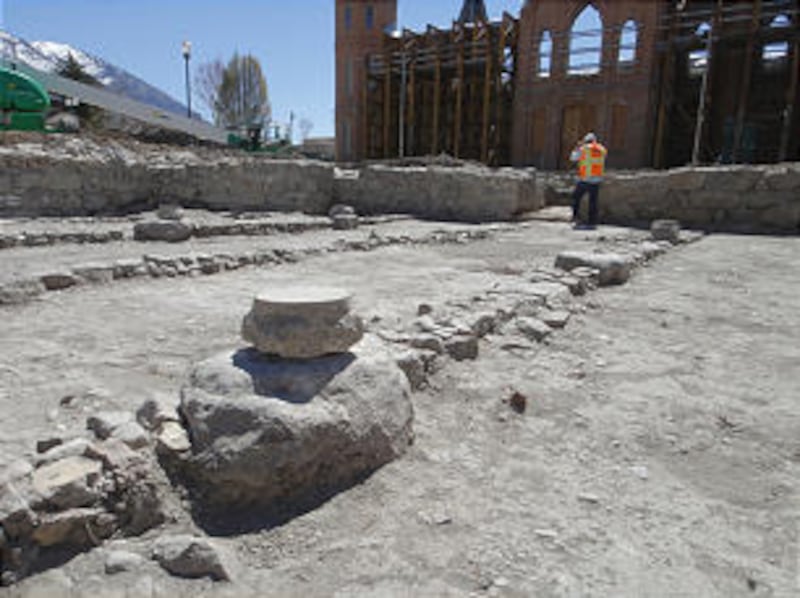
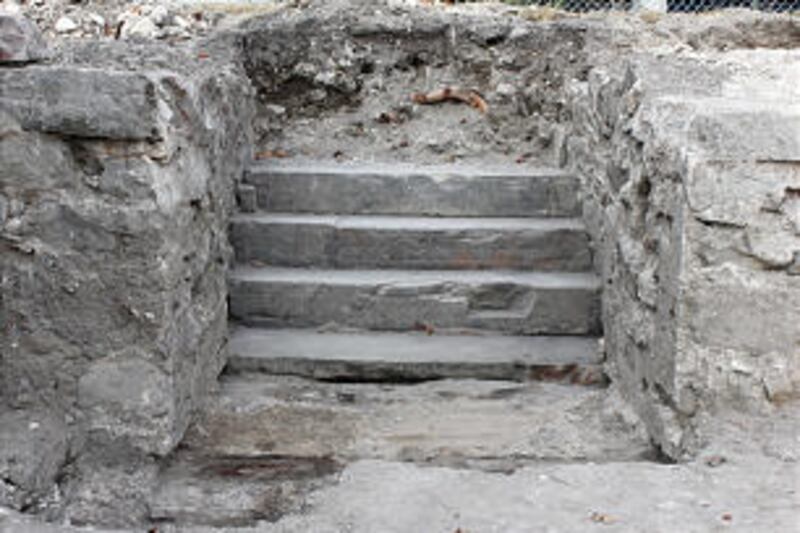
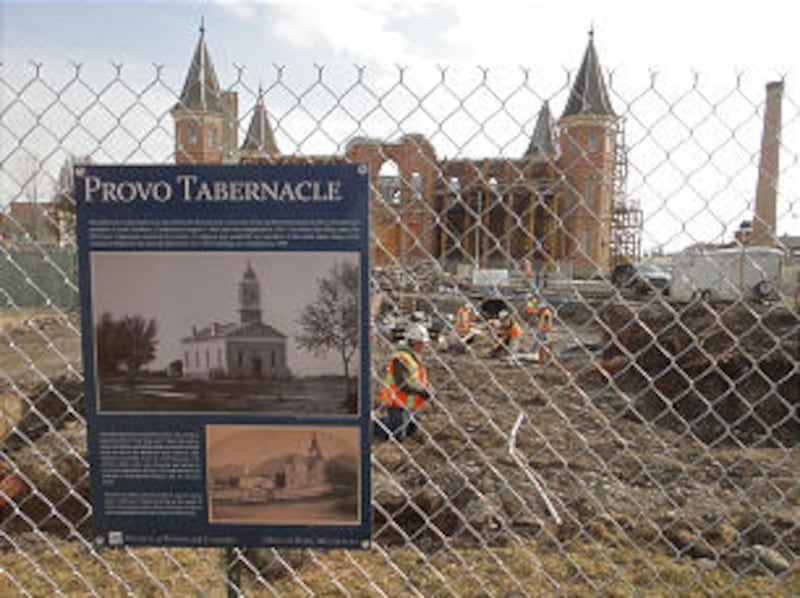
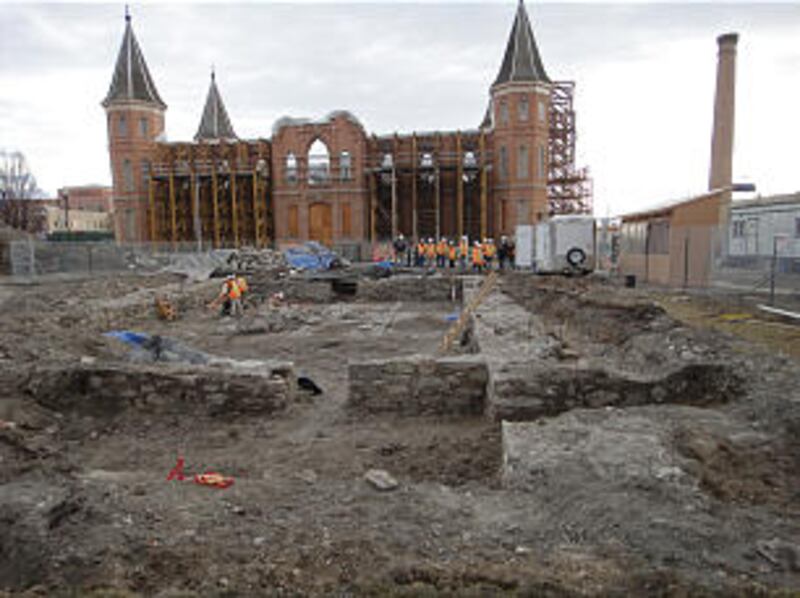
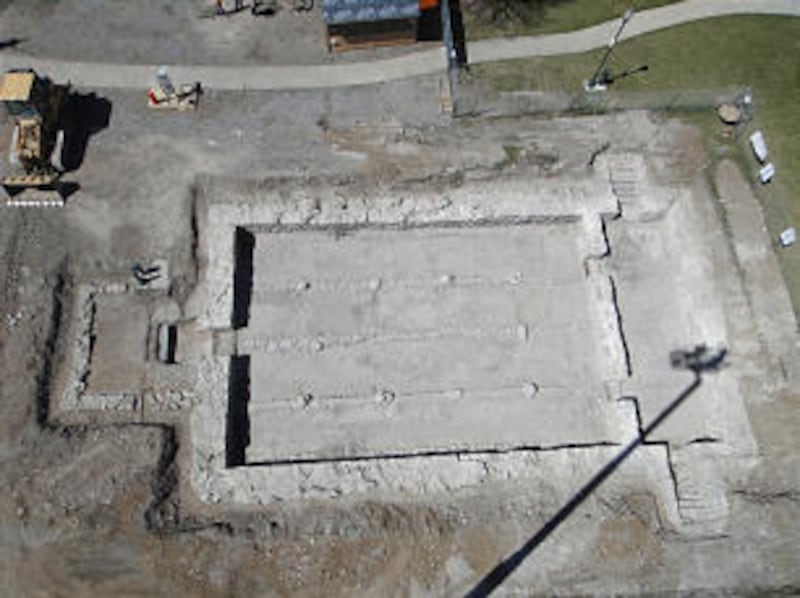
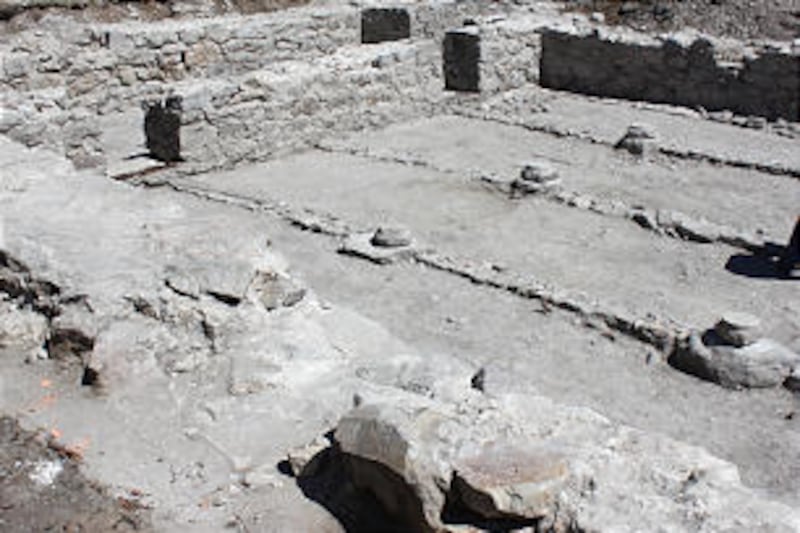
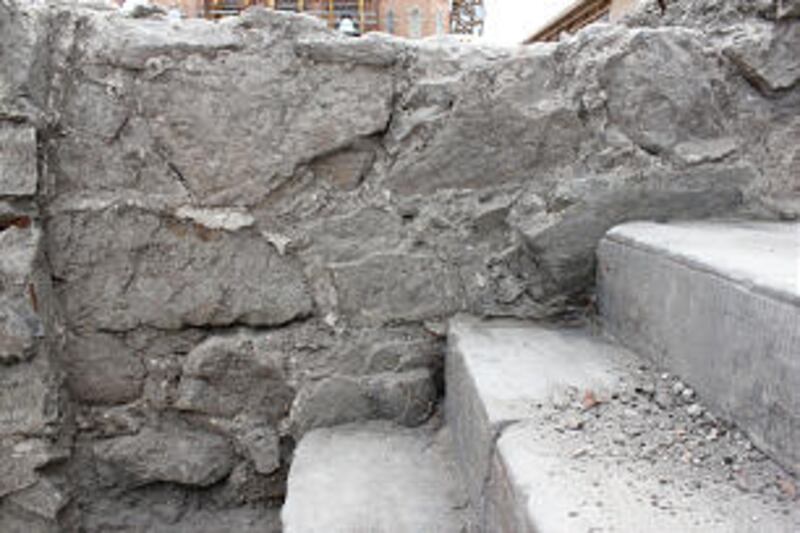
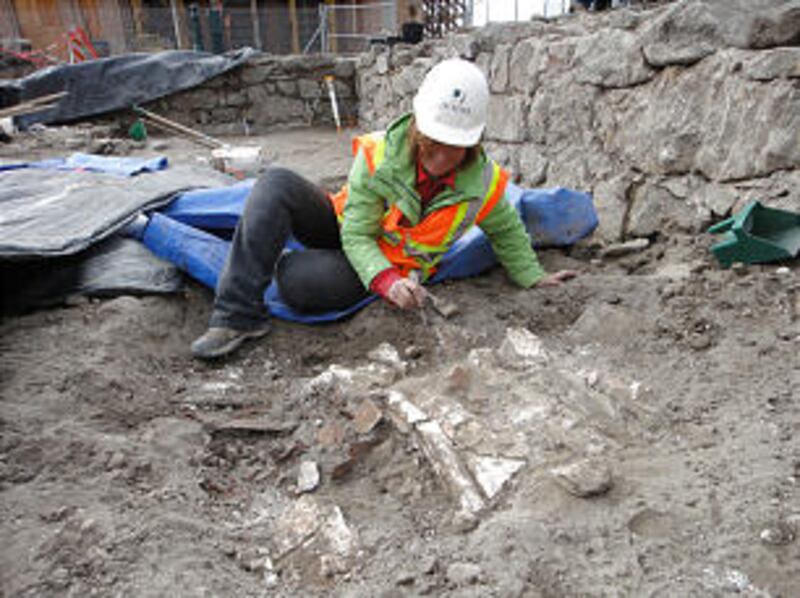
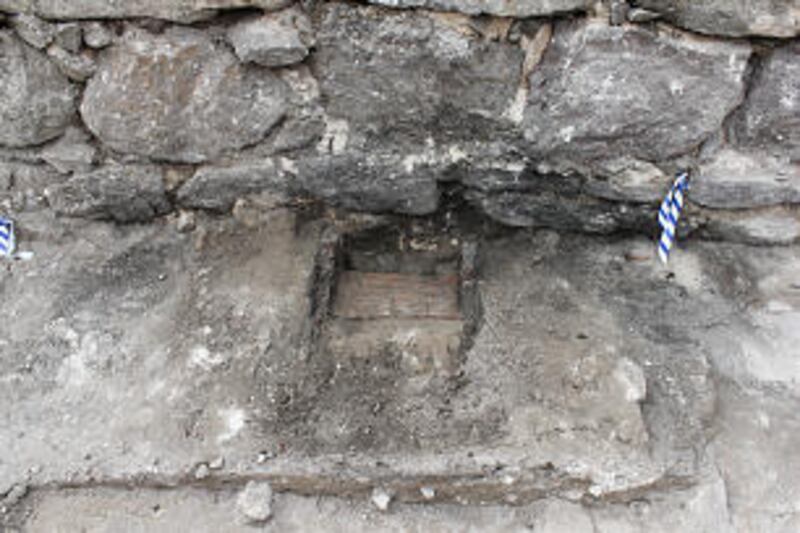
The work is completed. Excavation of the original Provo Tabernacle at the site of the new Provo City Center Temple has been finished. A team of BYU archaeologists in conjunction with the Church History and Temple Departments have been hard at work since the beginning of the year. They have uncovered the foundation of the original Provo Tabernacle dedicated in 1867, a water well and many pioneer artifacts.
"The building was integral to the pioneer origins and early history of Utah County," said Rich Talbot, director of the Office of Public Archaeology (OPA) at BYU.
"Most, if not all, of the early Church leaders in Utah spoke at or attended meetings in this building."
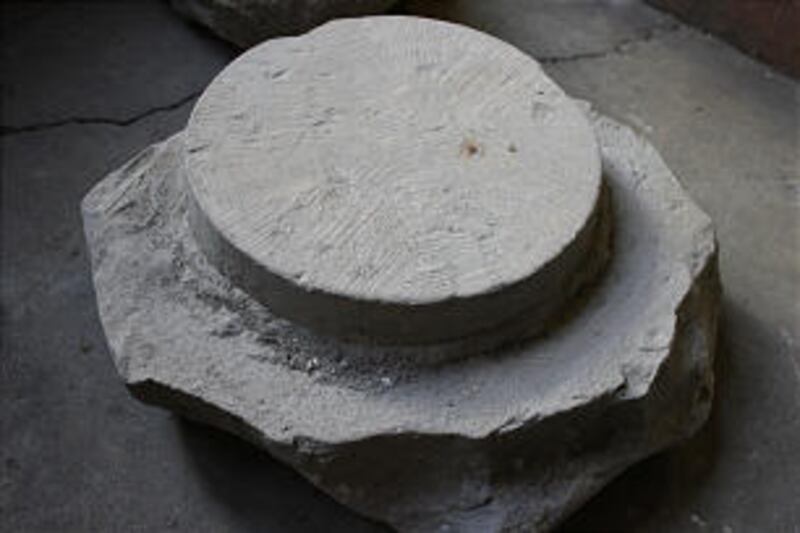
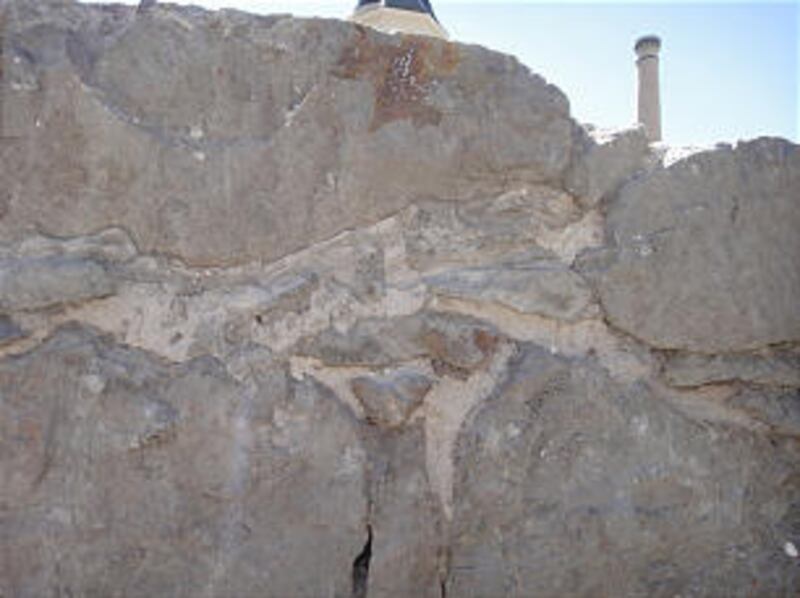
Limestone walls four feet thick and up to five feet deep form the excavated foundation of the original Provo Tabernacle. It sits just north of the Provo Tabernacle that was destroyed by fire in December 2010. For about 30 years the original Provo Tabernacle and the current Provo Tabernacle sat side by side until the old meetinghouse was demolished in 1919 because it fell into disrepair.
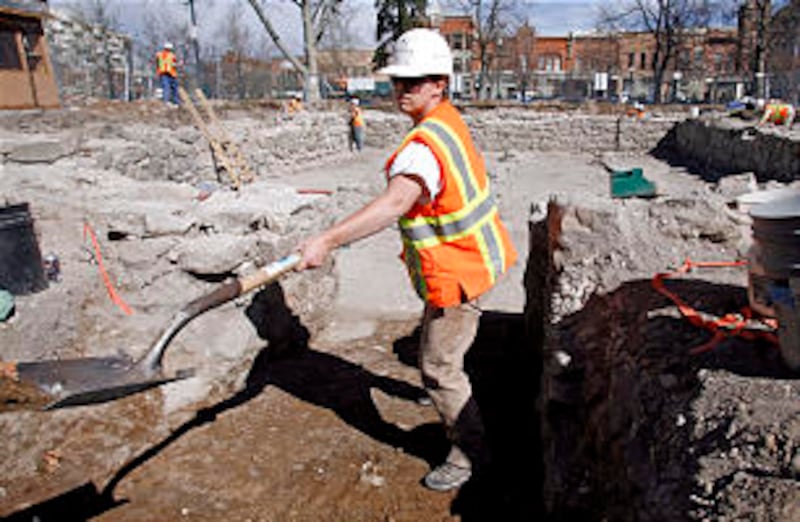
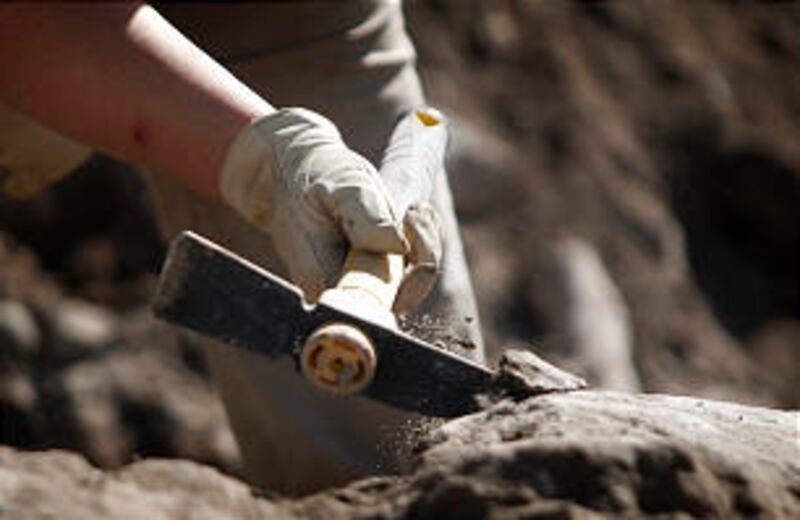
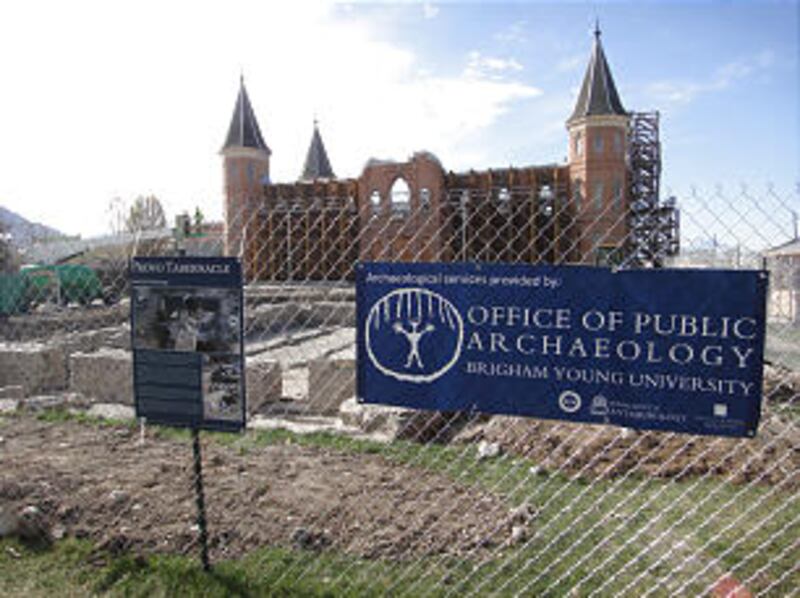
With the destructive fire at the Provo Tabernacle and plans to build a new temple there, the opportunity presented itself to uncover the foundation of the original Provo Tabernacle and learn its secrets. OPA archaeologists and BYU Department of Anthropology students associated with BYU worked together on the excavation to enjoy the chance of a lifetime: actual work experience on an excavation site. Due to mild weather over the winter months, the entire project was completed within the allotted time.
"It was exciting to see all the little pieces fit together and give us a glimpse into what life was like for the people who used the original Provo Tabernacle," said Deb Harris, historic archaeologist. "It was more than stone, mortar and adobe brick. There was a lot of faith, love and skill that went into building a meaningful place where people could gather and share not only their religious beliefs, but also social moments and public events."
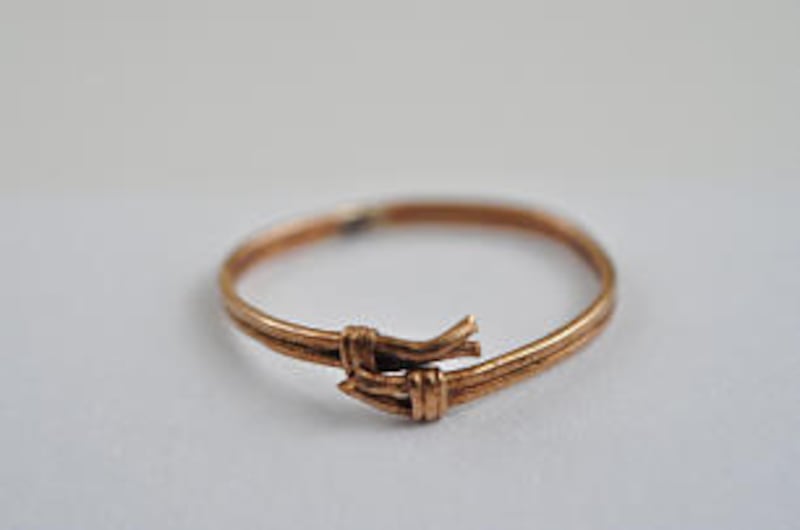
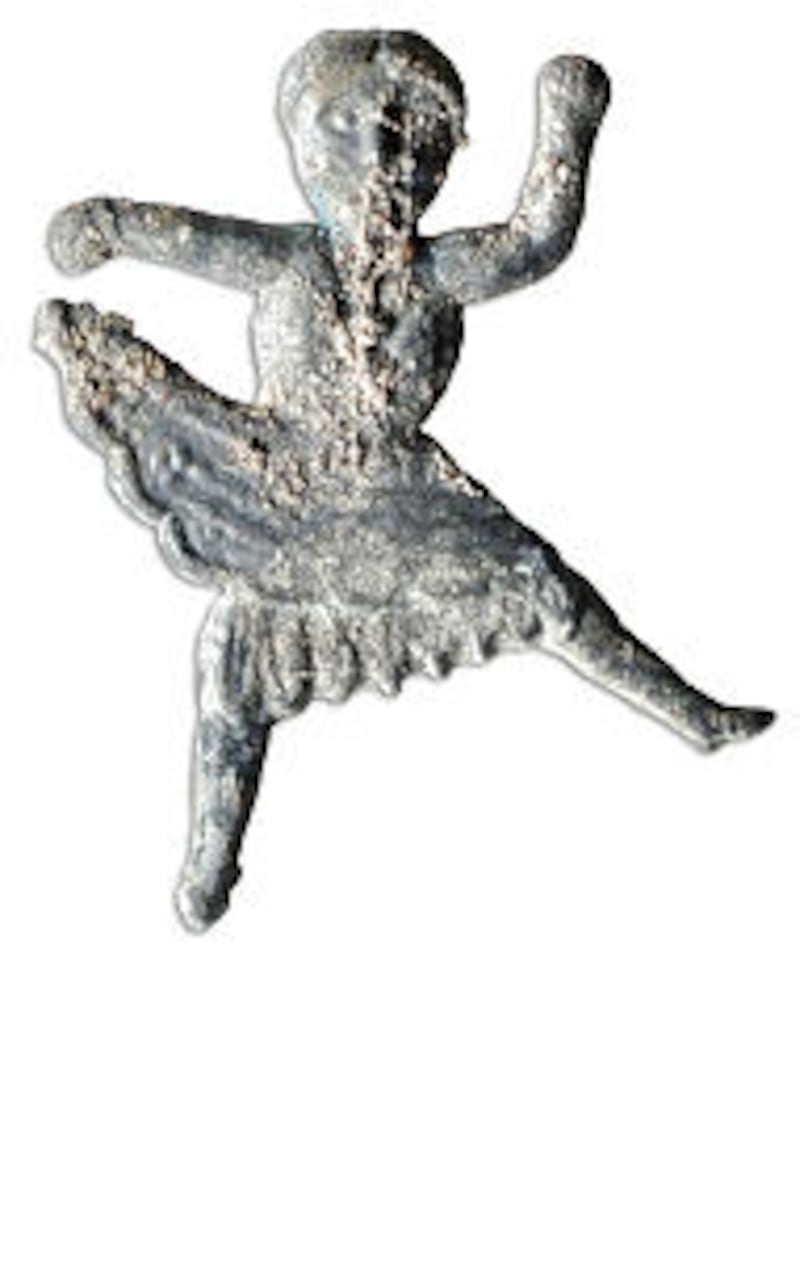
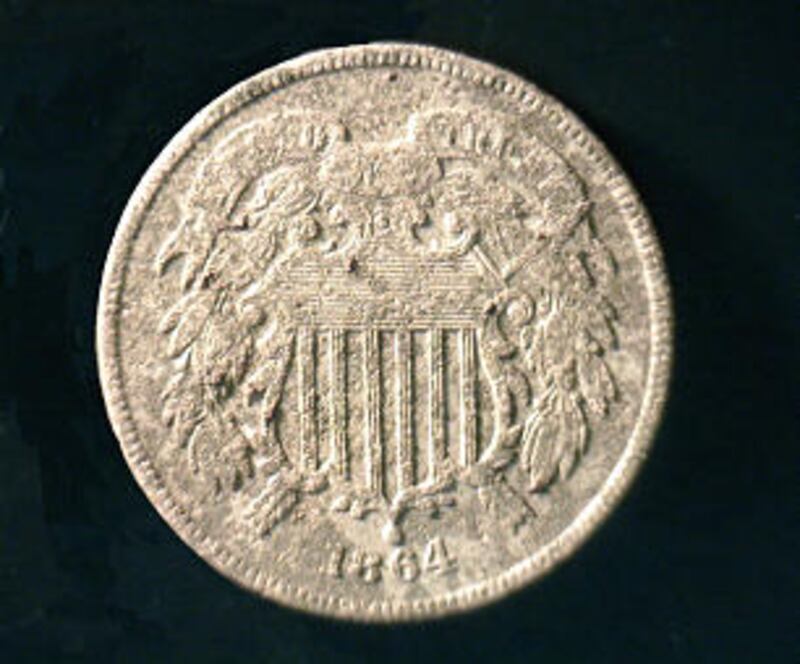
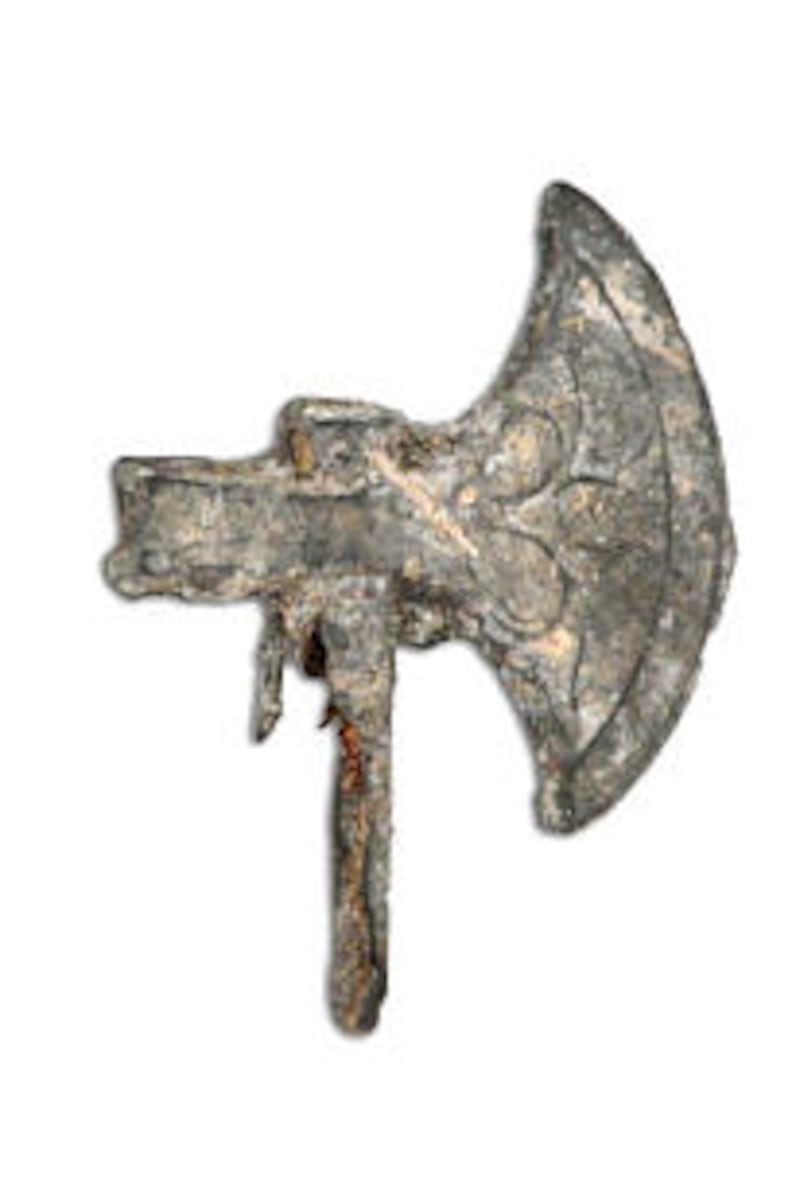
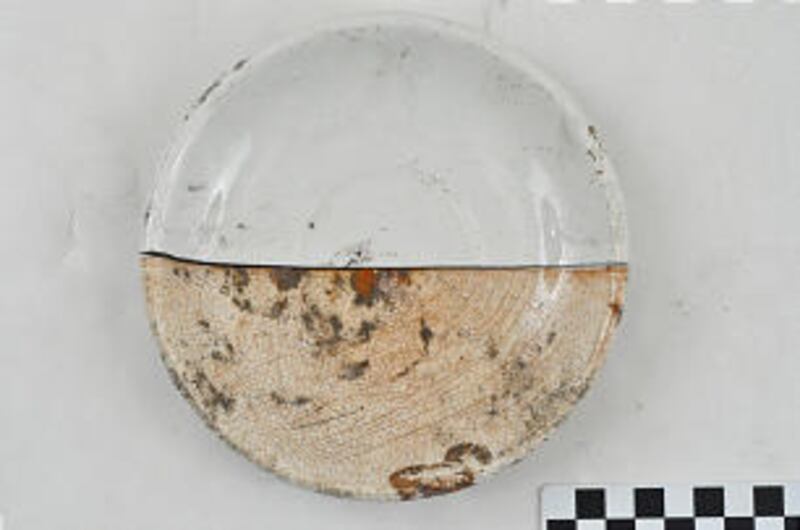
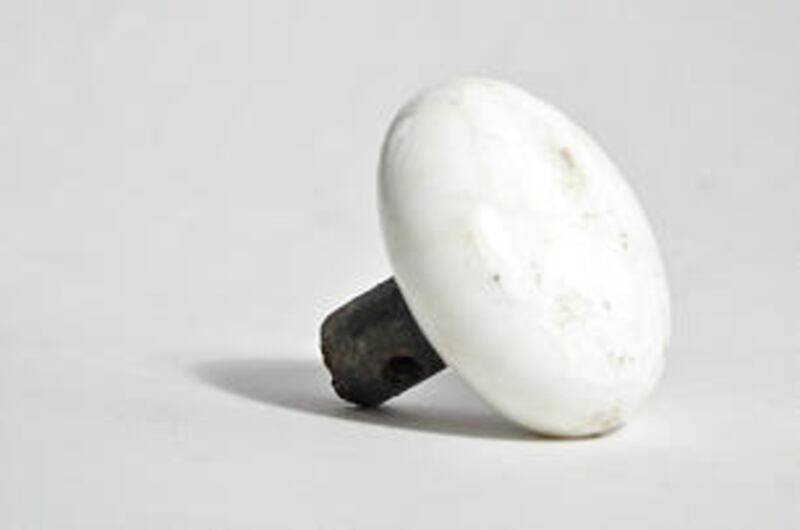
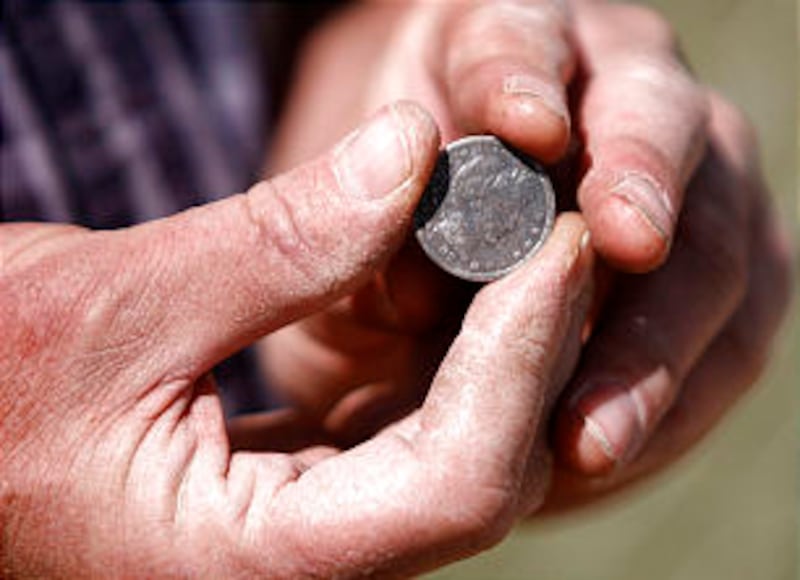
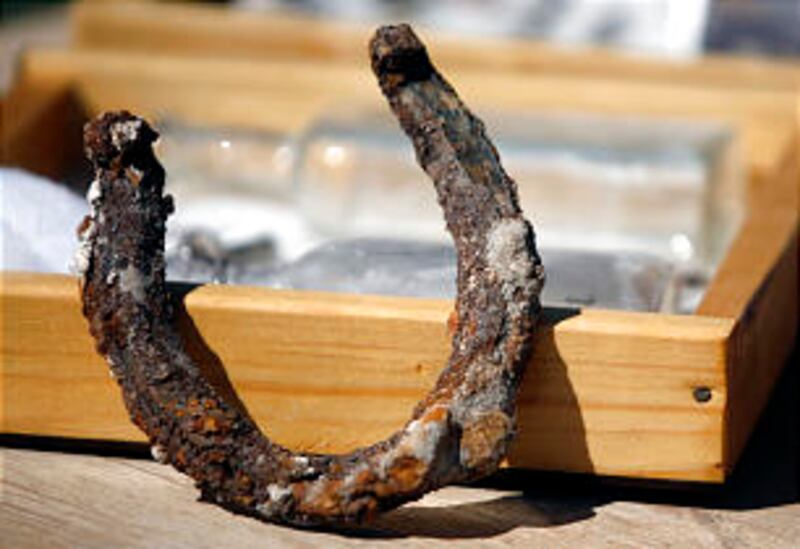
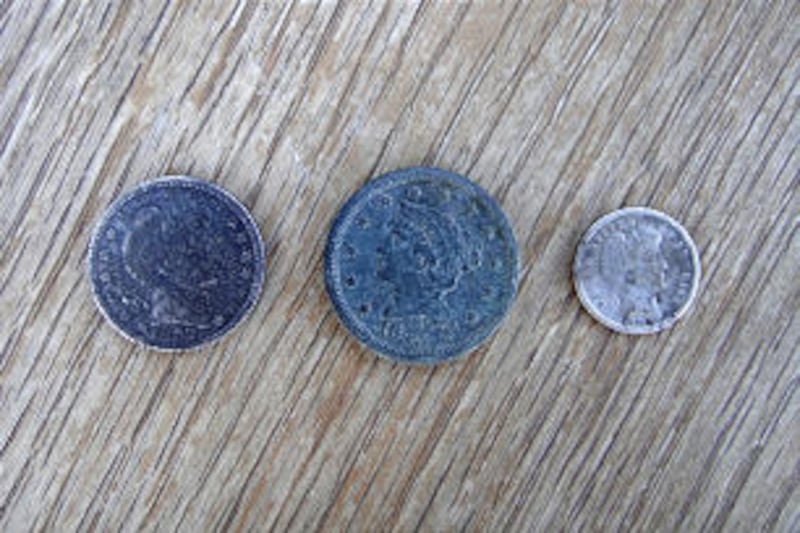
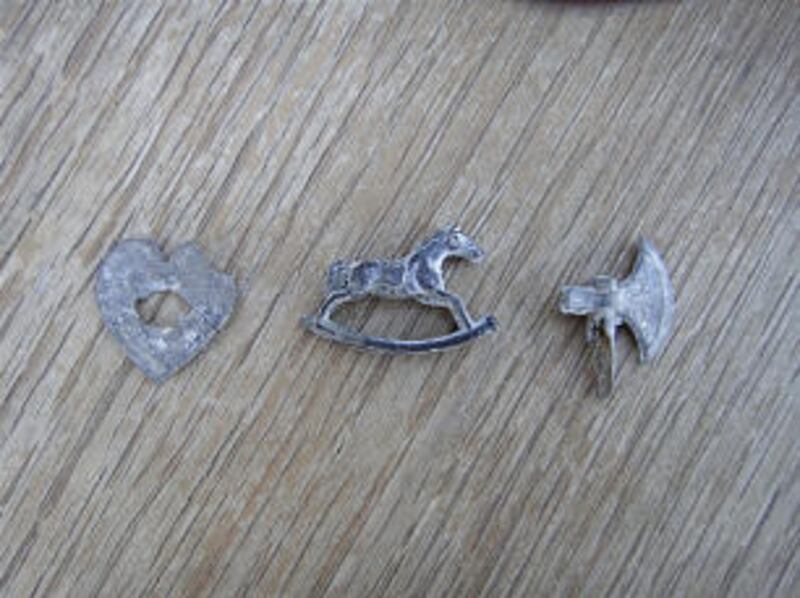
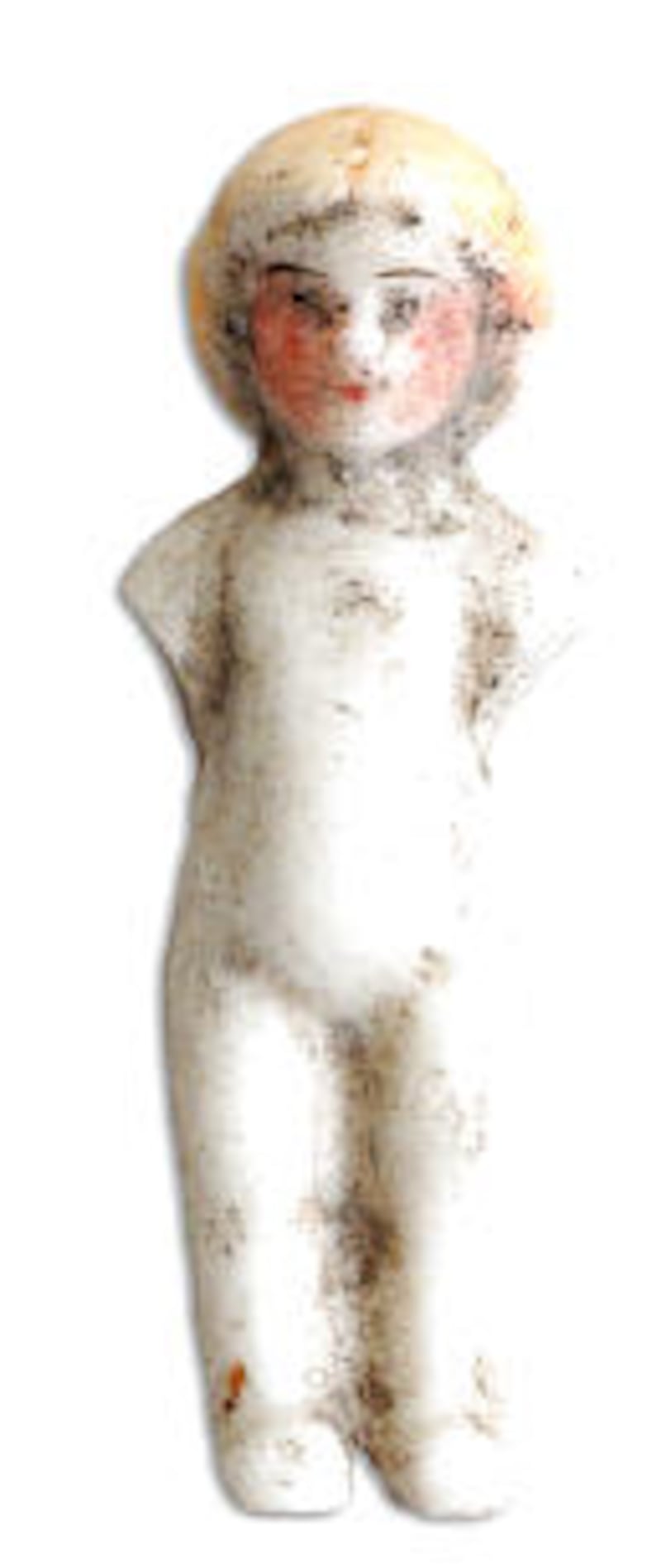
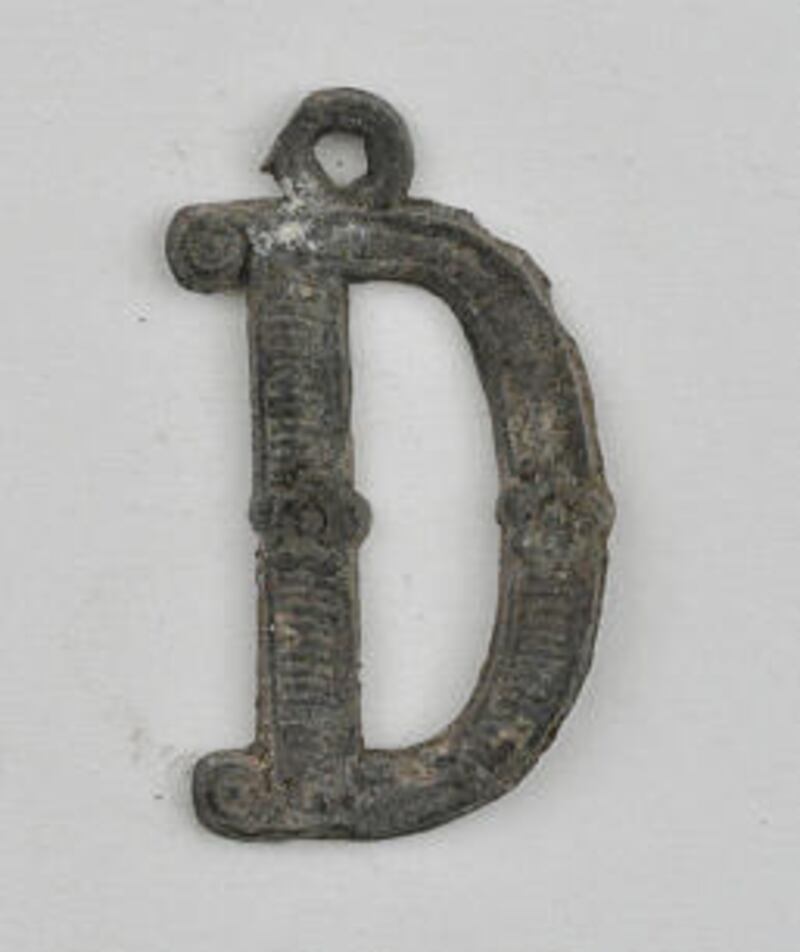
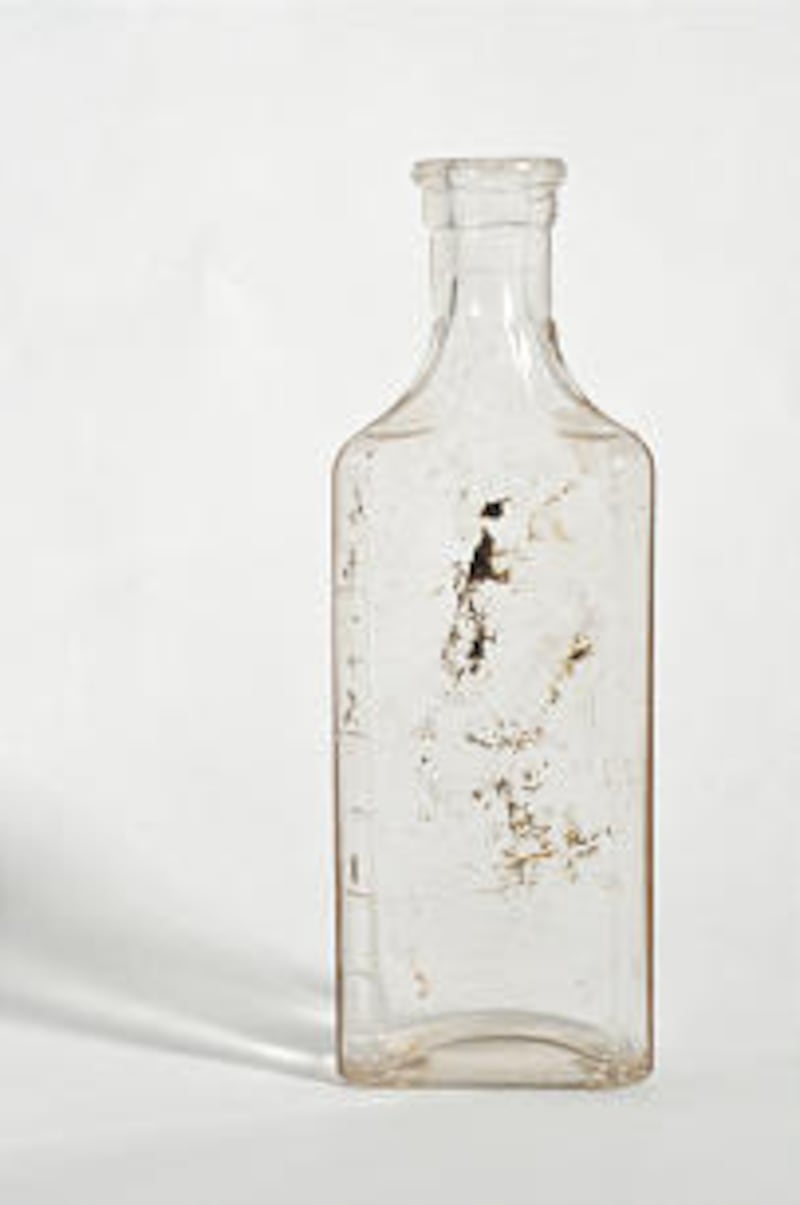
Artifacts found at the site include brooches, toys, bottles, animal bones, a fountain pen and horseshoes.
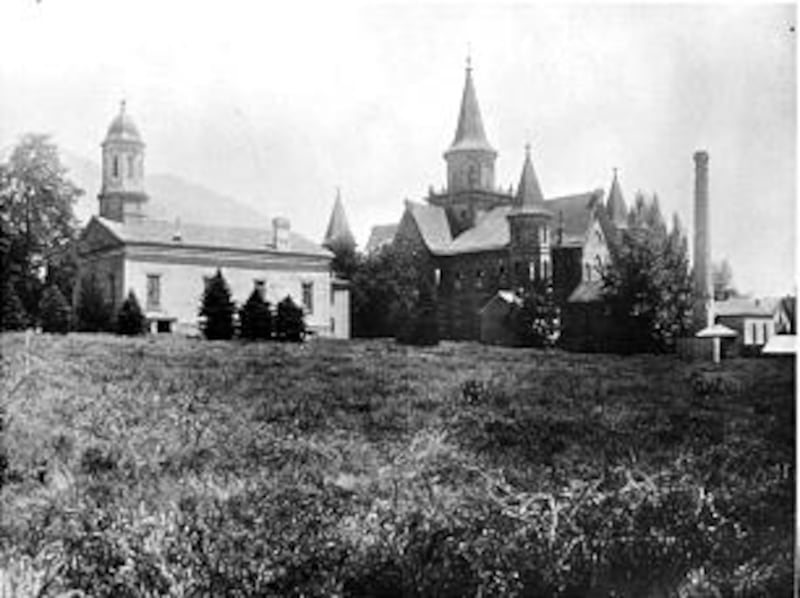
Brother Talbot said, "The effort to construct this building was tremendous, from digging the foundation by hand, to quarrying the rock and hauling it by ox teams from the canyons, to cutting the timber for the roof and interior, to the most intimate and beautiful designs of the interior assembly hall and classrooms."
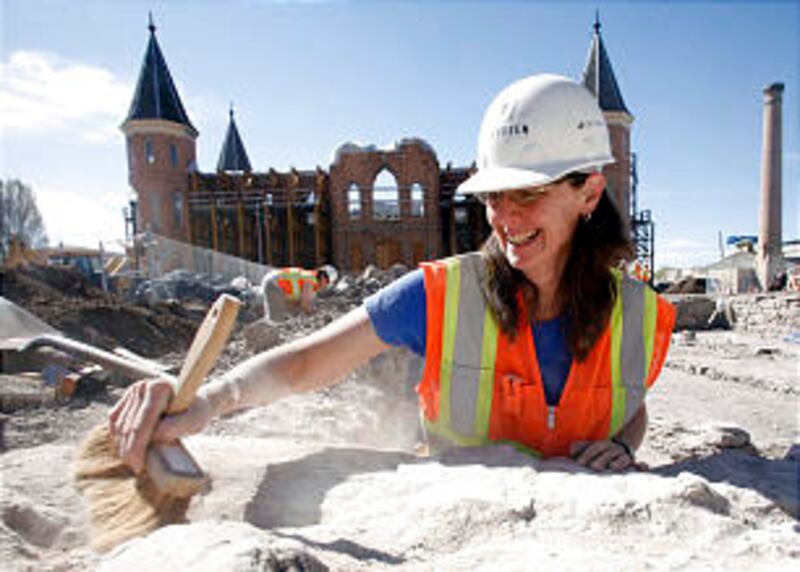
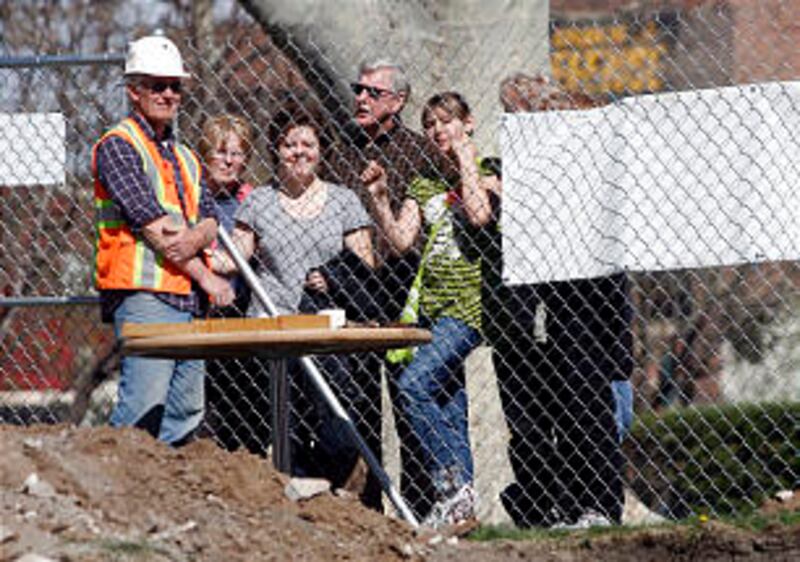
One of the most interesting aspects to the project was the community response. There were thousands of visitors to the site that included many locals and people from other countries interested in the work. Local business people and civic leaders came by to watch the progress and examine the artifacts.
"I think the opportunity to have an excavation in the middle of town, particularly one of such magnitude, just really excited people," said Sister Harris. "For many people, who had ancestors who worked on — or worshipped in — the building, the chance to actually see what was left of the building provided them with a real connection to their past."
The excavated foundation stone will be donated to Provo City for use in community projects and the artifacts are destined to be included in an exhibit at BYU's Museum of People and Cultures.
"Construction of the Provo City Center Temple will require that the southern portion of the old Provo Tabernacle to be removed," said Brother Talbot. "The northern portion will be covered over to protect and preserve it. If at some point the Church wants to incorporate that portion of the structure into the landscaping, it could then be uncovered and stabilized."
With the excavation on the project completed, memories of the history unearthed at the site will remain in the hearts of the workers, professionals and community members who stood as witnesses.
An article from the Deseret News written July 3, 1917, captures the essence of the original Provo Tabernacle as it faced demolition almost 100 years ago. It reads, "Apart from the sentiment attached to the wood and stone, which form this monument to the faith and works of a past generation, there are memories still left of the spirit of the old house — echoes of burning eloquence and kindly counsel, exhortation and simple faith, and songs of praise and thanksgiving — and they cannot be torn down."
Artifacts found at the site
Building materials:
Personal adornment items:
Household items:
Other: