




NEW YORK CITY
Church membership in New York City reflects the diversity of the busiest and most populous city in the United States.
"It is wonderfully, wonderfully diverse," said Elder Jeffery E. Olson, an Area Seventy. "The whole world comes together here."
That has been the case since the early days of the modern Church.
New York City became the principal port of entry for Latter-day Saints emigrating from Europe in 1840, according to the Deseret News 2013 Church Almanac. During the next half century, some 50,000 Church members traveling west to Zion first set foot on American soil in New York City.
The Church built a meetinghouse in Brooklyn in 1918. By 1930, slow and steady growth of the Church had resulted in 1,500 Latter-day Saints living in New York state; nearly two-thirds of those members resided in New York City's five boroughs, according to the Church almanac.
In the next decades many Latter-day Saints moved to New York City — the fashion, finance and theatre center of the United States — to study or find work. LDS immigrants also settled in the area. Further growth was spurred by the LDS pavilion at the 1964-65 New York World's Fair.
Gary S. Carter, who serves in the temple presidency of the Manhattan New York Temple, said many of the people who joined the Church during this time are still in the area today.
In the early 1980s, President Spencer W. Kimball challenged local Church leaders to teach the gospel in the various languages spoken in major urban centers and the Church formed numerous language units — Spanish, Chinese and Korean — in the city.
Then in the early 1990s, districts were organized in Brooklyn, Queens and the Bronx to accommodate inner-city Church growth.
Elder Olson said this time when larger Church units were divided and smaller units were located closer to members had a dramatic impact. It was "a period of moving the Church closer to where people lived," he explained. "New York is community oriented."
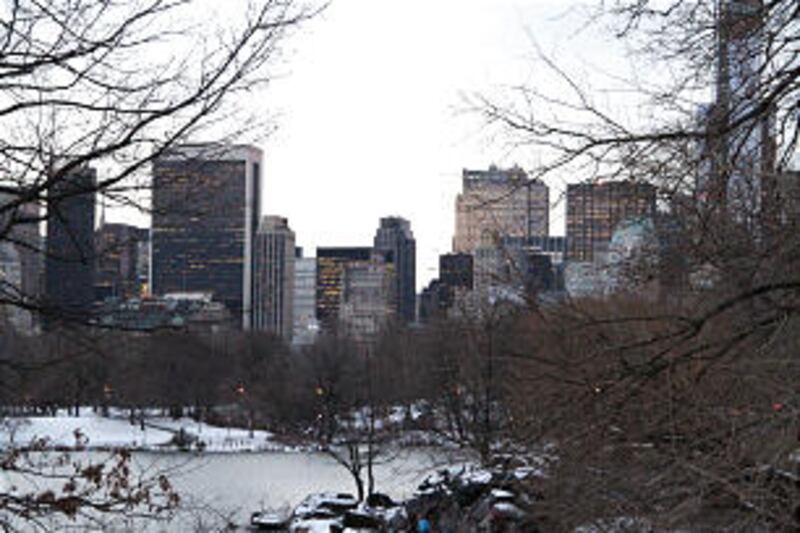
Feelings of community increased in 2004 when the Church dedicated a temple on Columbus Avenue near the Lincoln Center in the heart of the city.
The temple is a huge blessing for the some 40,000 members living in the area, said Elder Olson.
Membership in the Church in the city is more diverse today than it has ever been. For example, the Brooklyn New York Stake has five units dedicated to a specific language; the Queens New York Stake has six language units; the Westchester New York Stake has six; and the New York New York Stake has four. Each stake also has units for young single adults, who flock to the city for education and employment opportunities.
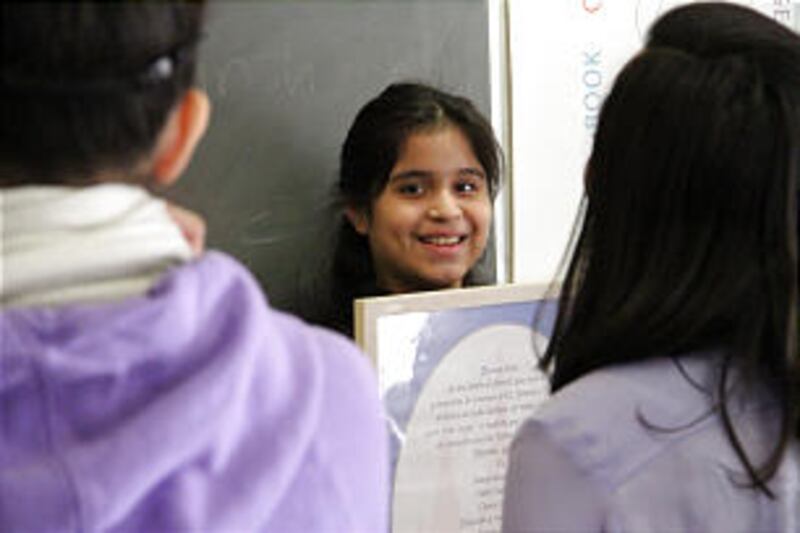
"It is so international," Elder Olson said, noting that priesthood leaders in the area deal with typical challenges of administering to the needs of branches and wards, but they do it in multiple languages. The Church reflects the international nature of the city itself, he added, noting that in New York City public schools the vast majority of the students were born outside the United States.
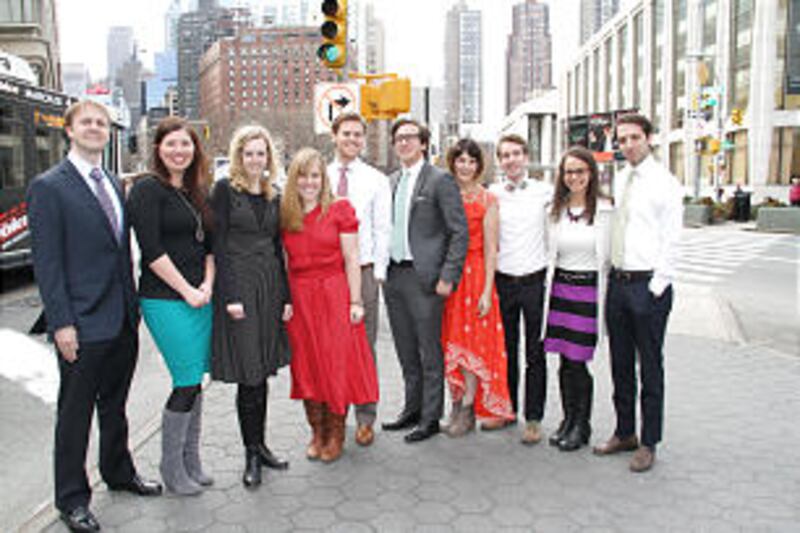
Turnover in the Church is also an obstacle, he said. Many young people work in New York City for a few years and then take their families and move to more suburban areas. Or members leave the city searching for a lower cost of living.
Elder Olson said the biggest challenge for members in New York City comes from the high cost of living that requires Latter-day Saints to work one all-consuming job or two or three jobs. "It is hard to schedule meetings," he said.
Despite those challenges, President W. Blair Garff of the Manhattan New York Temple said "many people have come and stayed and made the East their home."
They learn to raise big families in small spaces and deal with a high cost of living, he said.
"If you take a look at New York City itself, people have chosen to stay," President Garff added.
Elder Olson said Latter-day Saints love life in the city. "It is really exciting to deal with such a diverse group of Church members and neighbors," he said.
