




TACLOBAN, PHILIPPINES
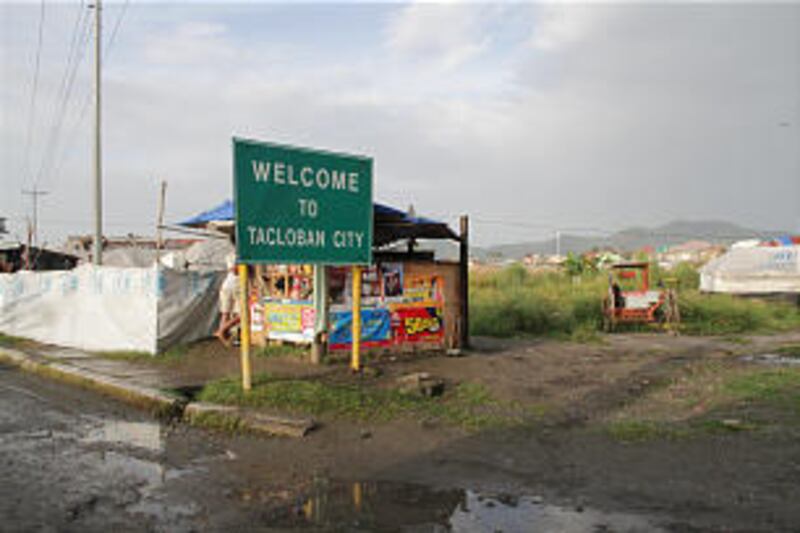
More than three months after Typhoon Haiyan struck the Philippines, the storm’s signature remains — written on the lives of all whose path she crossed.
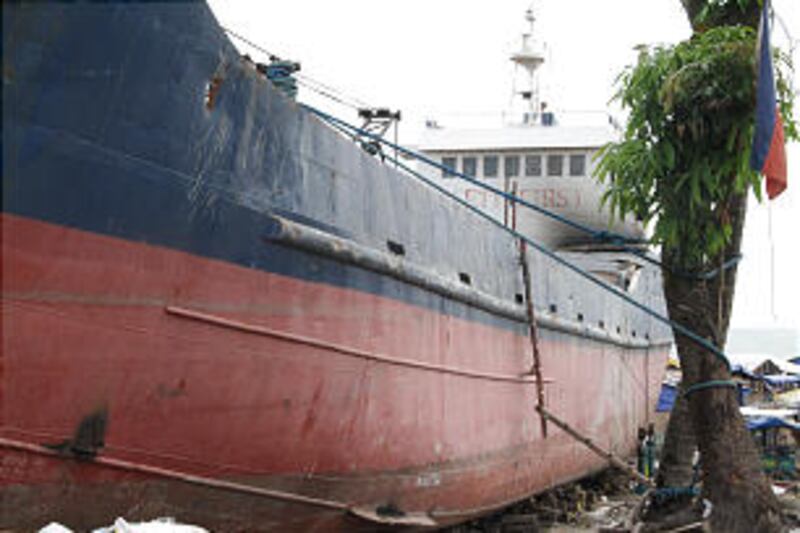
Trees and power lines lie broken and mangled. Rubble is piled along the streets. And foundations or empty shells of homes stand as a reminder of the storm’s strength.
Locals — wanting visitors to understand what they went through — continually point to the places they laid their dead.
It could be weeks, or months, before electricity returns to Tacloban. The cost of fruit and vegetables here is at an all-time high. And gas, which is now needed to power generators as well as automobiles, is still an expensive necessity.
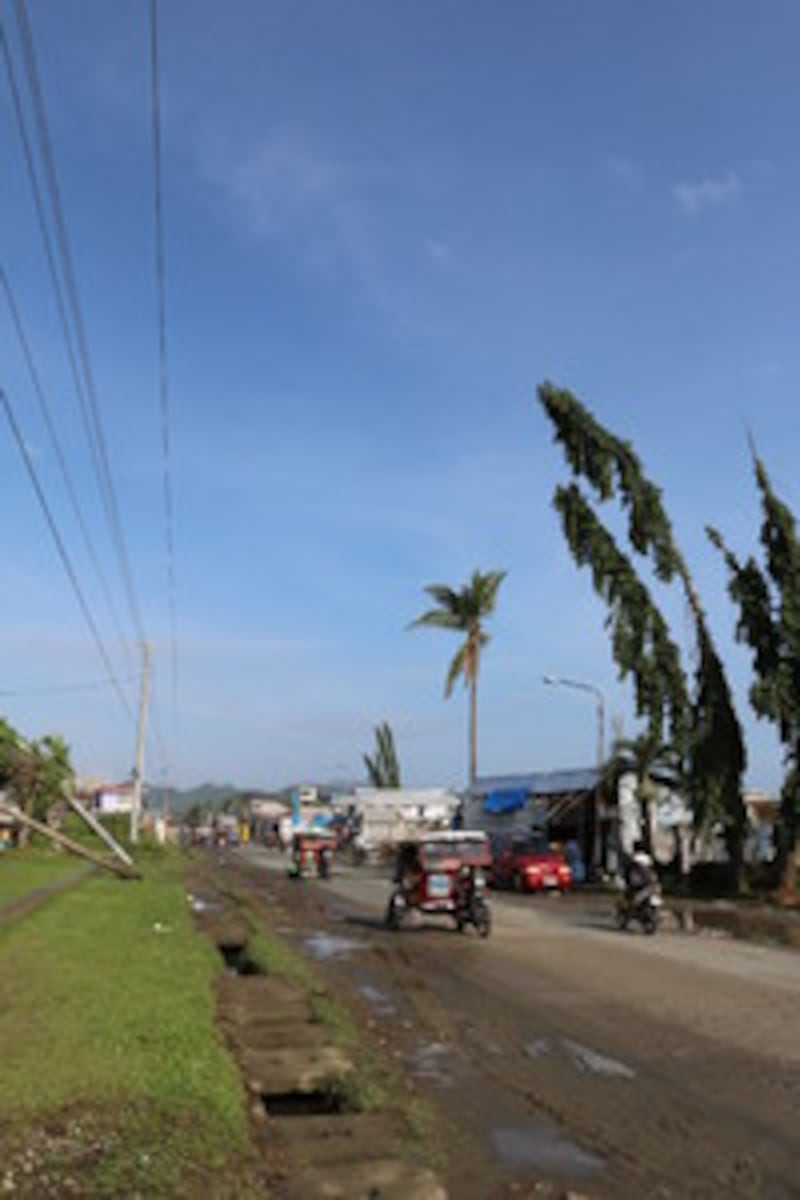
But recovery is underway.
Roads are clear. Vendors walk the street selling their wares. New homes — many of which are being constructed by the Church — dot the landscape. And the mountain, brown only weeks ago, is filled with lush, green growth.
Typhoon Haiyan struck the central Philippines on Nov. 8, destroying more than 1.1 million homes. The deadliest typhoon on record in the country, the storm left more than 6,100 people dead, injured 28,000 and displaced 4.1 million. Some 1,785 people remain missing.
After the disaster, in which 42 Latter-day Saints died, the Church sent relief supplies and partnered with local and international relief organizations to assist with food, shelter, water purification, debris removal and livelihood restoration projects.
More than 100 days later, the Church is still there.
Members in the area “feel like the Church is paying attention to them,” said Elder Brent H. Nielson of the Seventy and president of the Church’s Philippines Area. “They know we are all in this together and we are not going to leave them alone.”
Elder Nielson said Latter-day Saints in Tacloban endured “an absolutely numbing experience.”
“They didn’t know what to do. … They were stunned.”
Before the storm, stake President Richard A. Abon asked Latter-day Saints to take refuge in local meetinghouses; everyone who followed his direction survived the disaster.
Bishop Constancio Lim of the Tacloban 1st Ward gathered with Church members and their neighbors in the Tacloban stake center.
The refugees expected high winds and rain. What they didn’t expect, however, was a storm surge.
“It was very frightening to see black water rising” in the stake center, Bishop Lim said.
Panicked, Church members began climbing on tables and chairs. But the water kept rising.
Then Bishop Lim remembered there was a ladder in the building’s electrical room. All 361 people in the stake center climbed into the ceiling and stayed there for 11 hours.
Outside the Church’s meetinghouses members endured greater struggles.
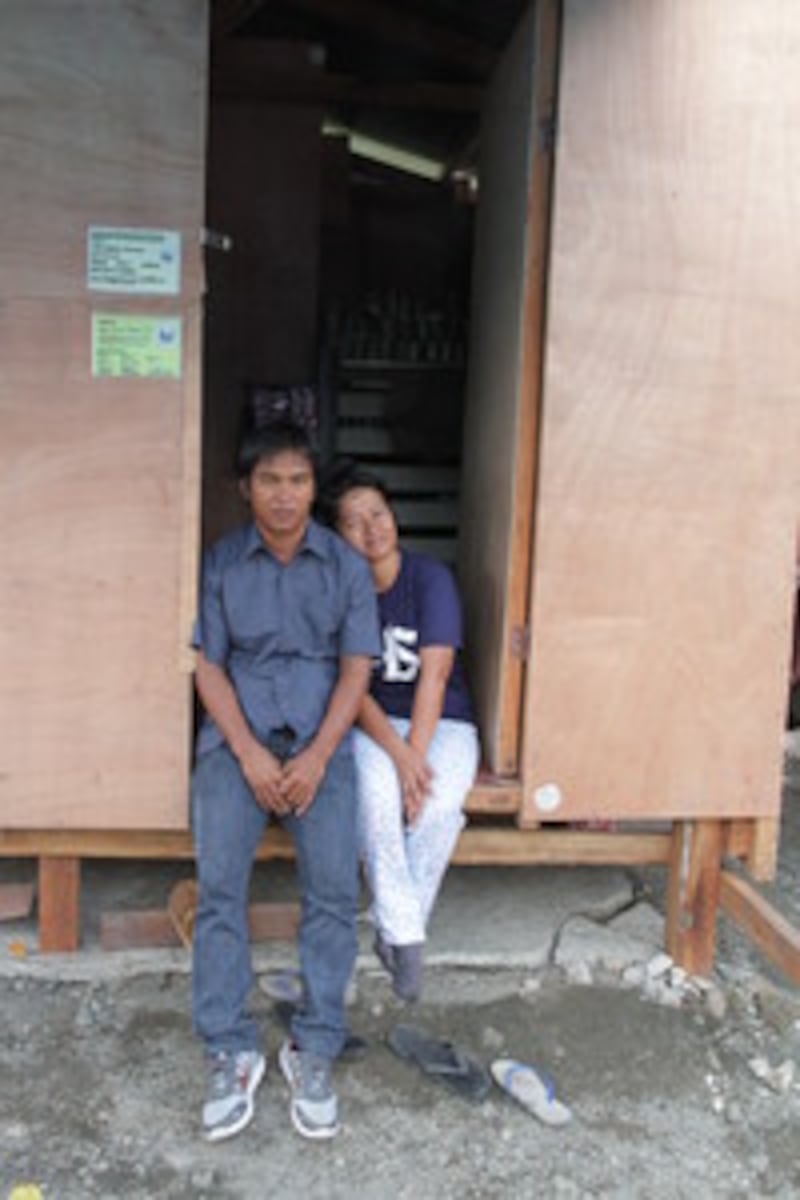
Dominador Mosca and Editha Enghoy Malda were at home with their two sons, daughter-in-law and granddaughter when Typhoon Haiyan struck. Forced to flee to high ground, they survived by clinging to one another and a coconut tree.
“We almost perished in the typhoon,” said Sister Malda.

Gemmer and Analyn Esperas lost their only child, 6-year-old Annammer, in the disaster.
Sister Esperas was home alone with her daughter when the storm surge came. When water filled their home, wind carried the mother and daughter into a rice field. She held her little girl close as they were bombarded by two huge waves. But a third wave carried the child away.
“We pray to ask Heavenly Father to have strength to continue,” said Brother Esperas.
When Elder Ian S. Ardern of the Seventy and a member of the Philippines Area presidency, first visited Tacloban after Hiayan, he could not find words to describe what he saw — and he was grateful for that. Those sights “will linger in my mind much longer than I want them too,” he said.
He wondered how people could rebuild after such a catastrophe.
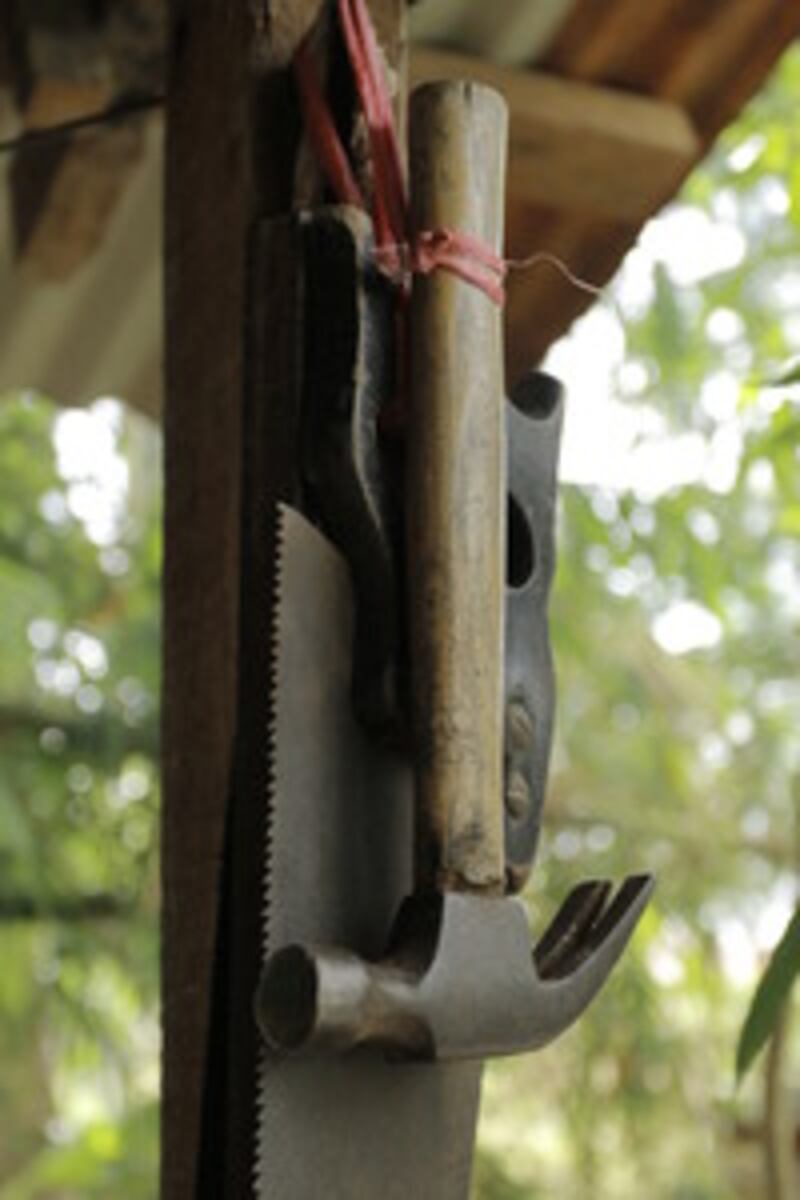
Then he saw a local man. He had a discarded piece of wood and a hammer. He was pulling an old nail out of the wood.
“I thought, that is where you begin. That is where these Filipinos will begin. They will begin one nail at a time.”
Tony San Gabriel, area manager for self reliance in the Philippines, said after Typhoon Haiyan the Church immediately set programs in place to provide relief, and help members rebuild, restore and retool.
“We thought, ‘How do you teach self-reliance to a people who were ravaged by a perfect storm?’”
They began by helping the some 3,000 members who lost homes in the disaster rebuild.
Working with the local Self Reliance Center and with the Perpetual Education Fund, local members are now entering a Church-sponsored vocational program training them as carpenters. The Church is also helping them obtain basic tools. Each trainee builds his or her own house — about 12 feet by 12 feet in dimesion — and nine more homes. Then they receive a trade certificate that leaders hope will help them qualify for the some of the 250,000 construction jobs available in the area.
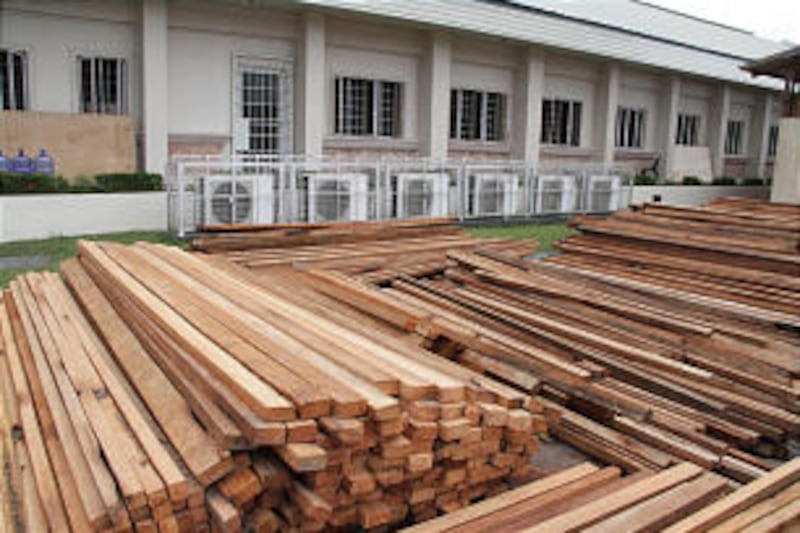
The Church is also training members as electricians and plumbers.
“We married the opportunity for livelihood and the need for shelter,” said Brother San Gabriel.
“It was a magic formula,” he said, noting that some 921 homes have been constructed to date.
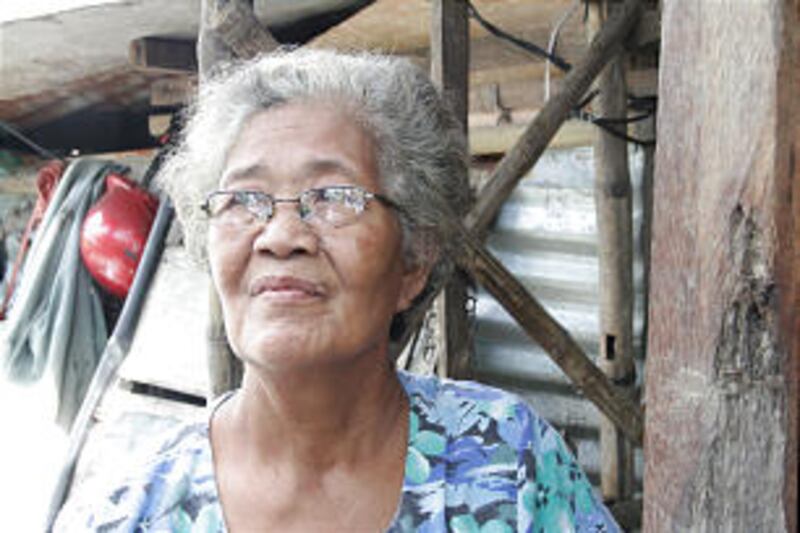
But the Church is really building more than homes, said Elder Ardern.
“In the face of disaster, we are building people.”
In the days and weeks that followed, many members left Tacloban and moved to Manila or Cebu.
Concepcion Dolino, a widow and farmer who lived with her daughters and two grandchildren, was planning to take her family to Manila. But her bishop offered words of hope. “Don’t leave,” he said.
Trusting him, she promised, “We will stay here.”
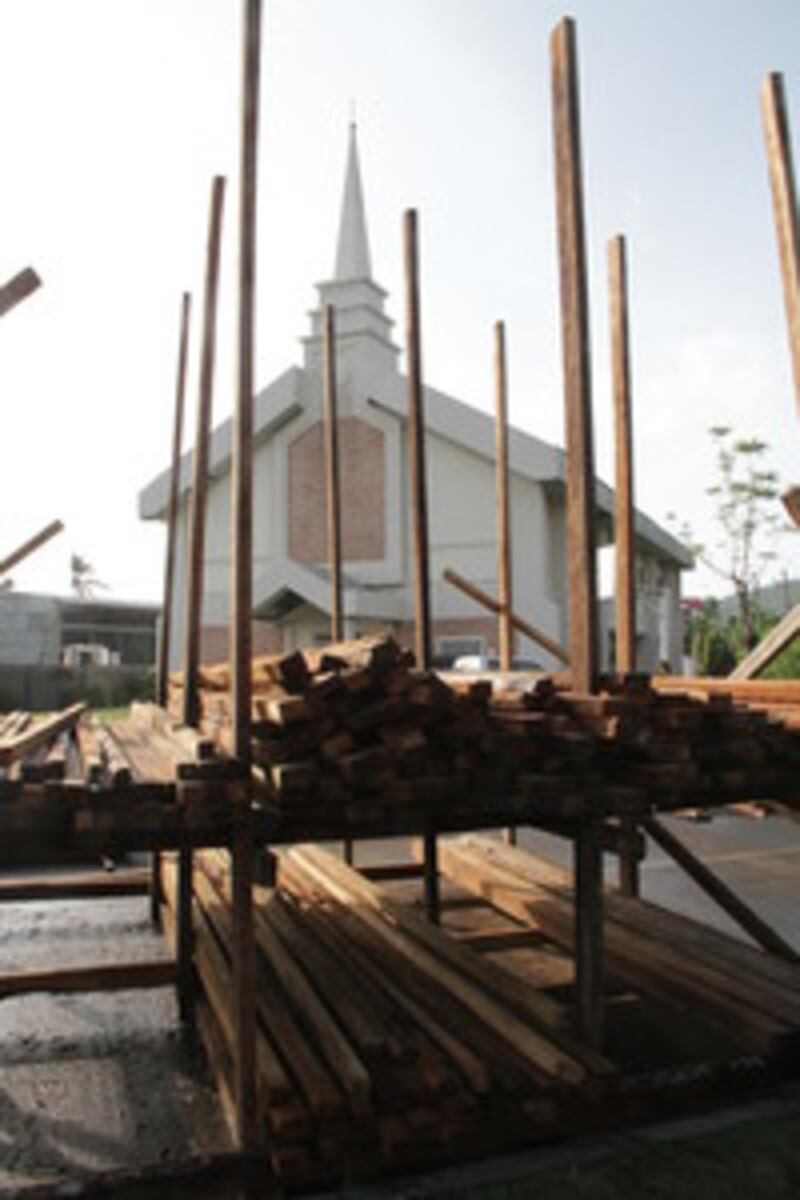
They survived the storm by taking refuge in the San Juanico chapel. She received the sixth house constructed by the Church in the area and plans to start a new garden — complete with squash, eggplants and bell peppers — with seeds provided by the Church.
Bishop Lim said as recovery moves forward in Tacloban, members who left the area have or will return. “As far as the members are concerned,” he said, “we are taking good care of them.”
He said there is another, more important return, taking place in Tacloban — one of members from inactivity to activity.
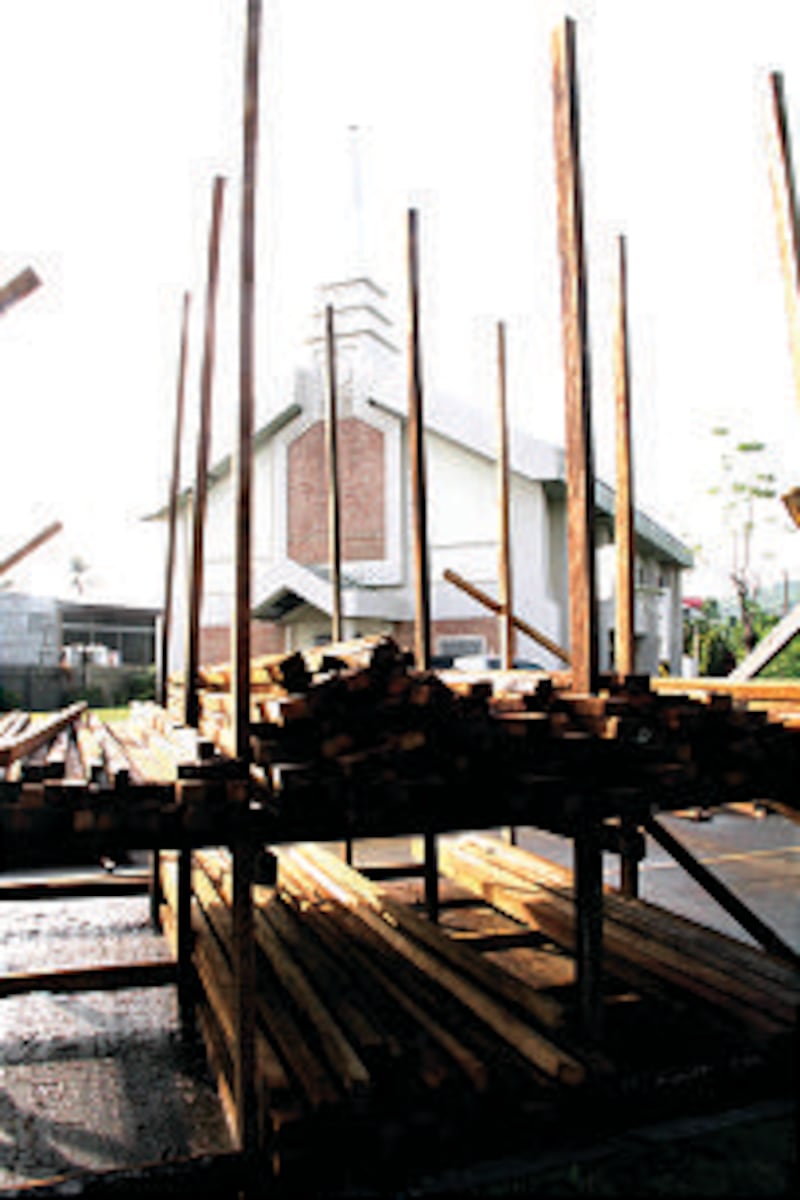
Before Haiyan the average sacrament meeting attendance in the Tacloban 1st ward was 220. Last week, Bishop Lim said 327 attended the meeting.
“Instead of reactivating them, now our challenge is to retain them and to nourish them and get them to the temple,” he said.
Merlinda C. Operio, Relief Society president of the San Juanico Ward, is coordinating her ward’s food distribution relief efforts and temporary housing efforts. Her husband runs the meetinghouse generator.
There are still six families — including the Operios — living at the San Juanico meetinghouse.
“Hopefully,” Sister Operio said on Feb. 23, “we will vacate the building this week.”
Two Church-constructed homes are almost complete; another three will be completed in a few days. Then the Operios will have time to fix the roof on their own home and move back.
Even with all the families out of the Church meetinghouses, however, construction on local homes will continue.
After the storm, Brother and Sister Malda collected “anything that would make a shelter for us” and constructed a “make-shift tent.” The Church helped them with food.
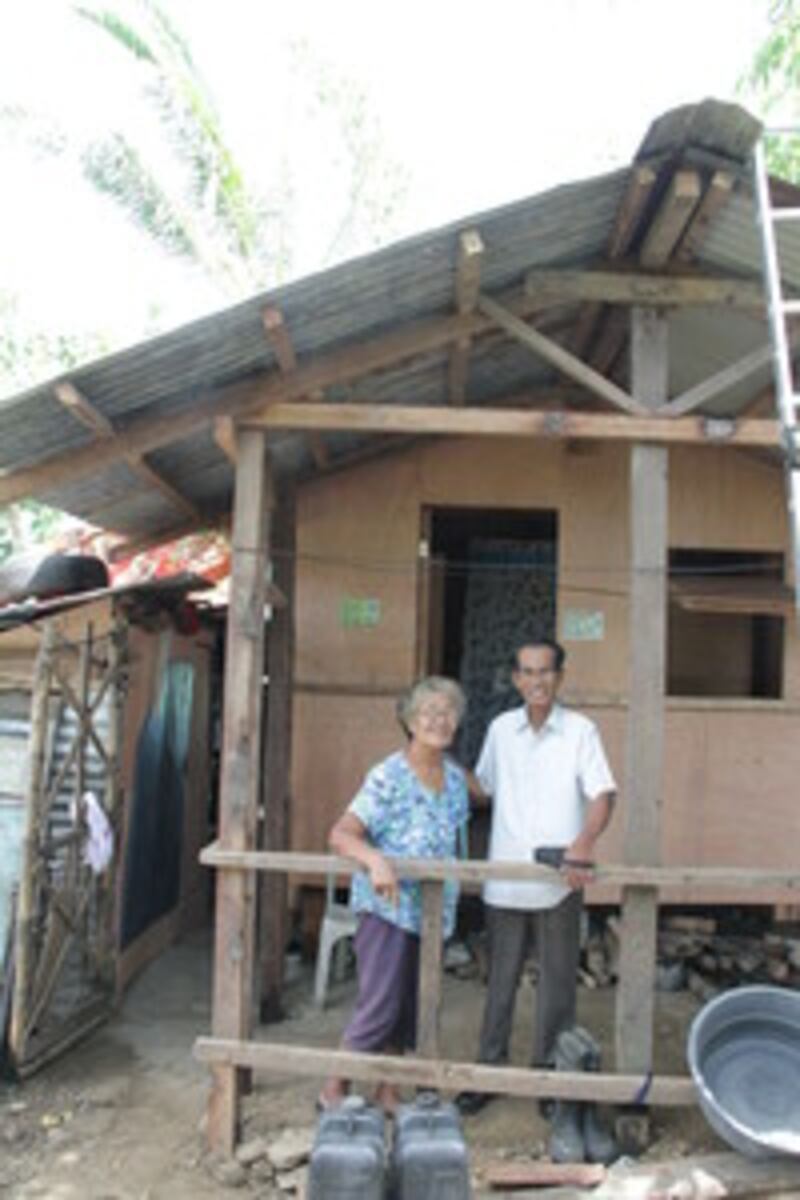
Then, on Feb. 12, they moved into a new house, constructed by Church members on the site of their old house. “We did not expect the Church would help members so we were very happy,” said Brother Malda, high priests group leader in the San Juanico Ward. “We are grateful for the hands that helped us — and the prayers.”
Brother and Sister Esperas also have a new home.
In the days after his daughter’s death, Brother Esperas gathered scraps of corrugated sheet metal and constructed a shelter. But the gaps in the metal did not protect the couple from the wind or the rain. They could not sleep.
Then Joy Operio, a counselor in the bishopric of their ward, found them. “Go to the Church for shelter,” he told them. That night they slept for the first time since losing their daughter.
Before the storm, Church leaders had been working with the couple to attend the temple. They were saving money to travel to Cebu.
Now that goal seems close to a reality.
After Brother Esperas constructed his own home, he built six more. The week of Feb. 23 his team will finish their three final houses and he will receive a construction certificate.
Then Brother Esperas, with tools from the Church, will seek construction work for pay.
“Because of the gospel I learn at Church, I have the courage that someday my daughter and my wife and I will be together,” he said. “That is the reason we continue.”
