



UTAH COUNTY, UTAH
Summer’s here in the Northern Hemisphere — and for many Latter-day Saint families, that means a trip to Church headquarters.
Temple Square and other Mormon historical sites near the Church offices will again draw legions of summer visitors. Many out-of-towners will cross time zones to reach Salt Lake City — while “locals” will enjoy day trips to the many Church sites found in Utah’s capital city.
But other Mormon-related spots are just a short drive away await to the south. Make time to visit many of the LDS sites found in Utah County.
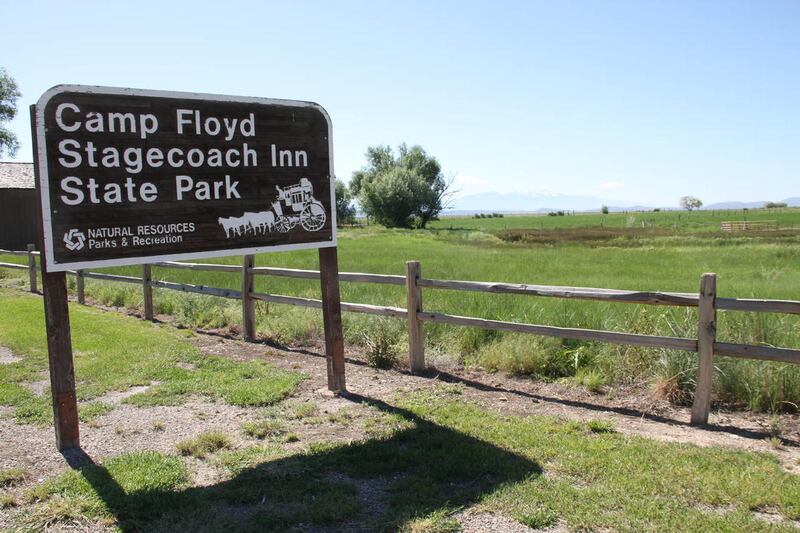
Start by venturing off of Interstate-15 and visiting Camp Floyd in the tiny settlement of Fairfield.
Miles of farms, fields and sagebrush surround the remains of the U.S. Army encampment. It’s hard to believe this vast, largely empty space was once Utah’s third largest “city.”
Some camp background: In 1858, the first wave of soldiers arrived at the newly built garrison that would become known as Camp Floyd. They were dispatched here to provide military support during the so-called Utah War. Politicians and military leaders were fearful of a “Mormon rebellion.”
At its peak, some 7,000 soldiers and civilians lived in or around Camp Floyd, making it the largest concentration of troops in the United States, according to Audrey M. Godfrey’s “Utah History Encyclopedia.”
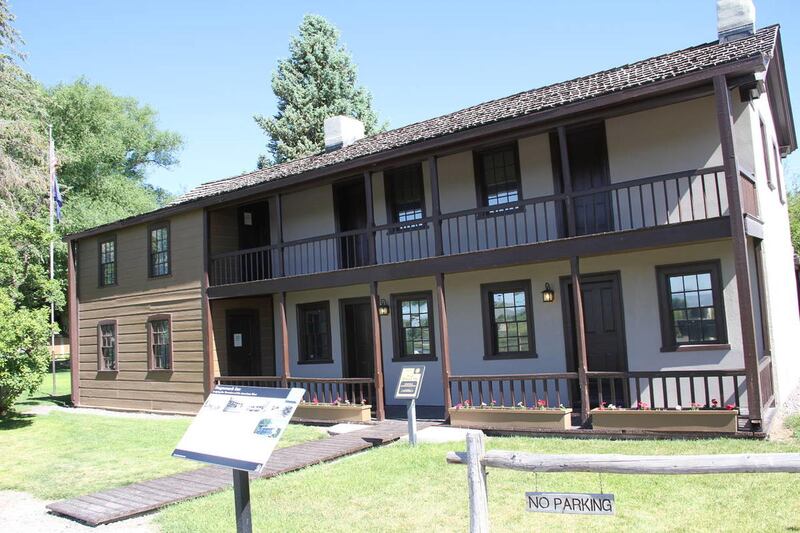
Within three years, the garrison had been largely abandoned as the nation turned its attention from the Mormons to the Civil War. Not much remains of Camp Floyd 154 years later except for a rebuilt commissary and an inn.
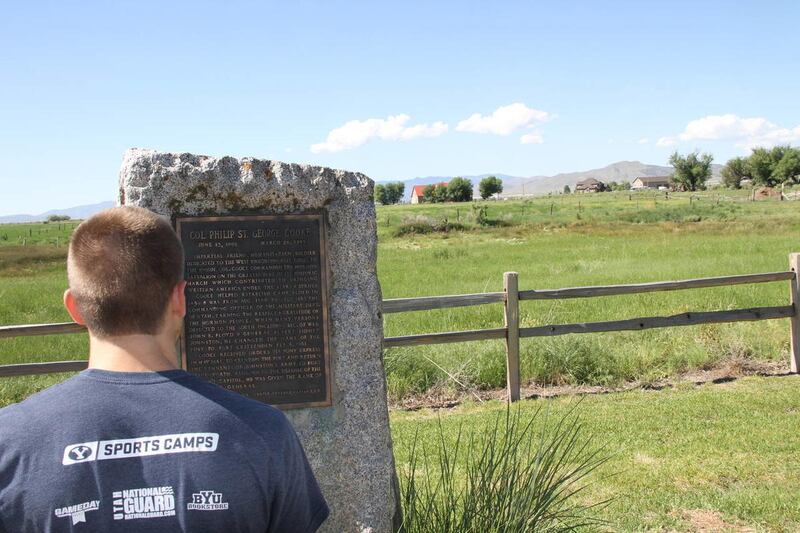
Operating today as a state park, Camp Floyd is a pretty place to visit. Tourists can enjoy a picnic at a neighboring park and find shade under its towering elms. Educational markers teach the history of the Utah War and the rise and fall of Camp Floyd.
Its original inhabitants, ironically, considered the encampment a forbidding and lonesome place.
“Camp Floyd is one of the most miserable, disagreeable and uninteresting places that ever disgraced the earth,” wrote one soldier. “It is built upon a dry plain, entirely destitute of grass, or, indeed, any vegetation, except sage, that flourishes where nothing else will grow.”
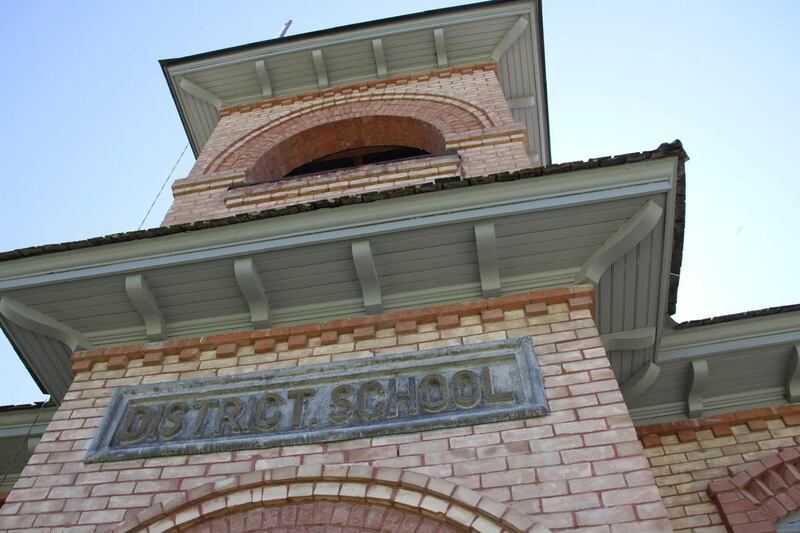
LDS visitors to Camp Floyd can also snap a few photos outside the restored Fairfield Schoolhouse. Built in 1898, the school also served as a gathering place for Church and social gatherings for many decades.
Mormon history buffs can also visit the Battle Creek marker at the Kiwanis Park in the Utah County city of Pleasant Grove. The marker commemorates and shares the account of the first battle between Mormon settlers and Ute Indians in 1849.
Several Indians died in the engagement, which was reportedly prompted by accusations of horse thieving.
In Provo, a variety of museums at the Church-owned Brigham Young University are open, at no cost, to the public.
The recently renovated Monte L. Bean Life Science Museum is home to thousands of preserved animals, birds and insects — enough to fascinate youngsters and adults alike.
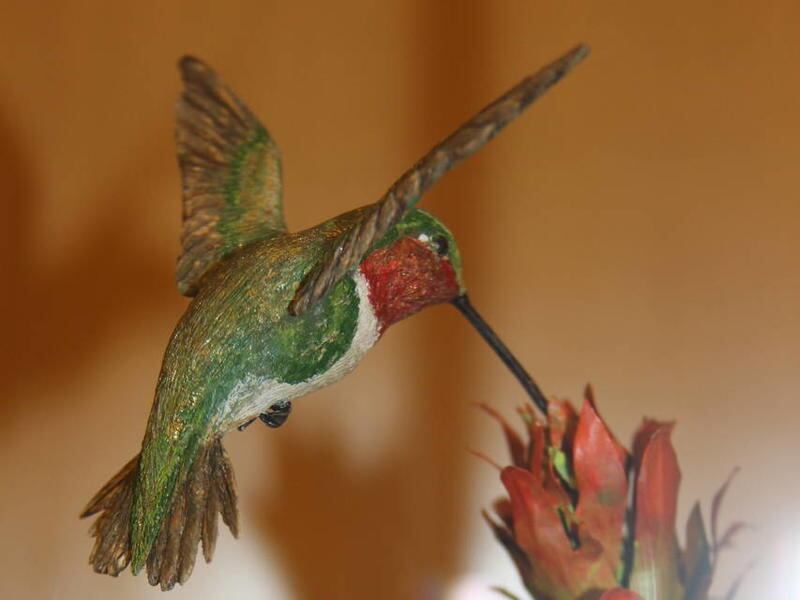
A highlight is the permanent exhibition displaying the wildlife carvings and paintings of President Boyd K. Packer, president of the Quorum of the Twelve Apostles.
The museum offers a variety of summer youth activities — including live animal shows, exhibit tours and junior naturalist programs. Visit mlbean.byu.edu for more information.
BYU’s Museum of Peoples and Cultures is celebrating its recent move to 2201 North Canyon Road in Provo. There are several summer family activities at the museum such as “Morning at the Museum” for children and Cub Scouts activities. A new exhibition, “Second Stories,” celebrates the history of the unique repository. The facility is also continuing its traditional “Family Home Evening at the Museum” on the first Monday of each month during the summer. Visit mpc.byu.edu for more information.
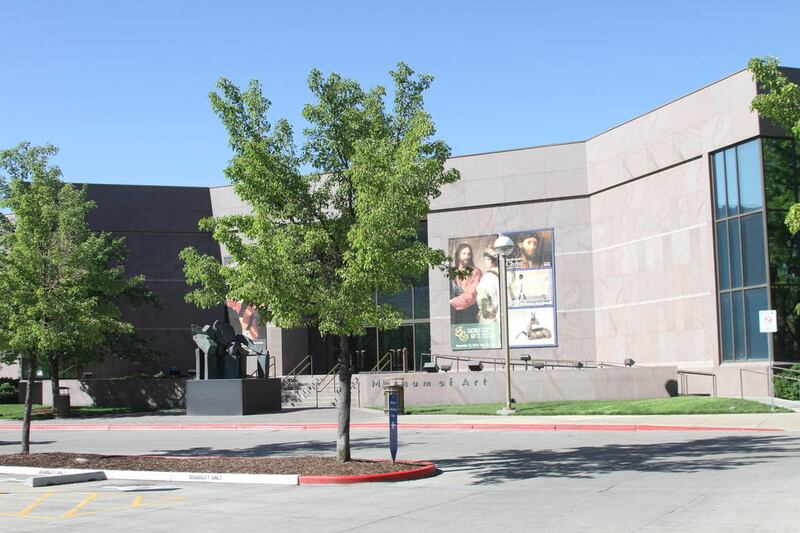
LDS visitors can enrich their Pioneer Day experience at BYU’s Museum of Art. A summer/fall exhibition entitled “Moving Pictures” includes a display of the 22-paneled Mormon Panorama painted by Pioneer artist C.C.A. Christensen. (See May 31, 2015, Church News, pages 8-9.)
Brother Christensen crafted his Mormon Panorama in the late 19th-century to inspire the rising generation of LDS youth who lived in the Utah Territory and other Western settlements following the pioneer era. The depictions of key moments from early Mormon history continue to inspire.
Hollywood dinosaurs are returning to the silver screen this summer. Folks can see the remains of the real thing at BYU’s Museum of Paleontology. The popular museum displays the school’s vast collection of rock and dinosaur fossils. The facility also provides labs and hand-on learning for university students.
Visit geology.byu.edu/museum/ for more information.
jswensen@deseretnews.com @JNSwensen
