



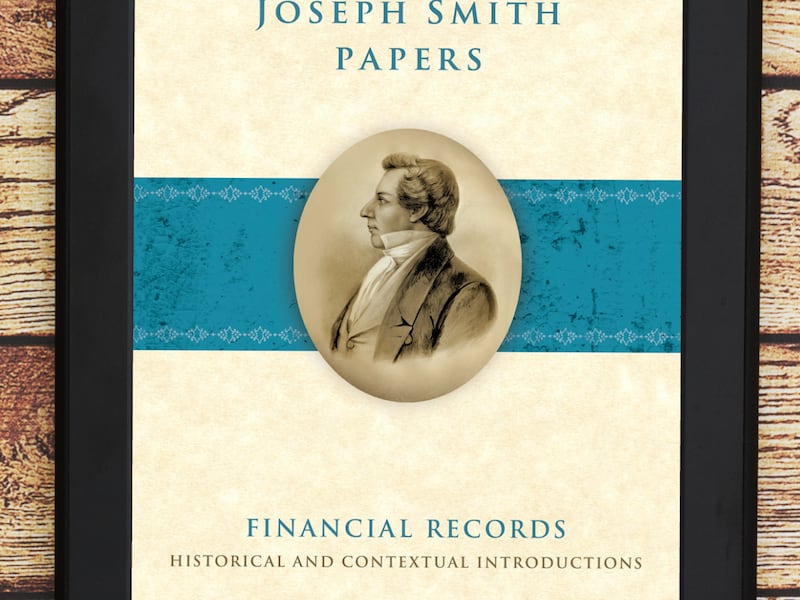

The Church Historian’s Press released a new e-book on Oct. 20, introducing readers to the completed Joseph Smith Papers Financial Records series and offering historical context for nearly 2,000 documents that show the Prophet Joseph Smith’s personal finances and the temporal affairs of the early years of The Church of Jesus Christ of Latter-day Saints.
The release of “The Joseph Smith Papers Financial Records: Historical and Contextual Introductions” follows the September publication of the series’ final documents on the Joseph Smith Papers website, online at JosephSmithPapers.org. With accompanying transcripts and annotations, the collection adds an important dimension to the documentary record of the Prophet’s life and ministry, according to a news release on ChurchofJesusChrist.org.
Elizabeth Kuehn, lead editor on the project, said in the news release that the series is “so much more than ledgers and promissory notes.”
“The financial records document all the work it took to build the entire Latter-day Saint community and the many personal sacrifices Joseph Smith made in the process,” she said.
Kuehn, Jeffrey D. Mahas, Sharalyn D. Howcroft and Naomi W. Raffensparger served as volume editors of the e-book.

The financial records
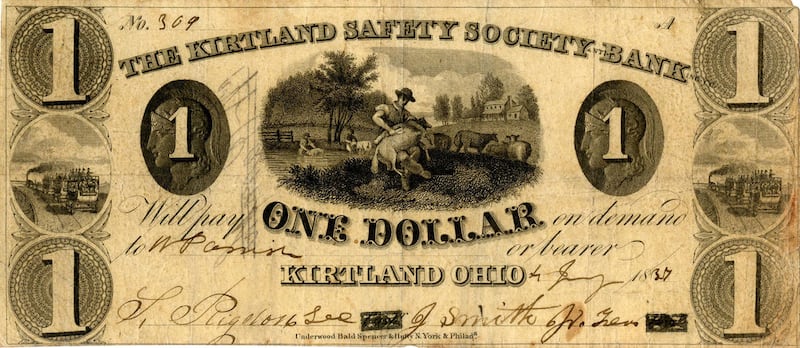
Joseph Smith’s efforts to build the Church generated a wide variety of financial records. The online series includes invoices and ledgers for stores and a bank, as well as promissory notes and pay orders related to the Prophet’s personal finances.
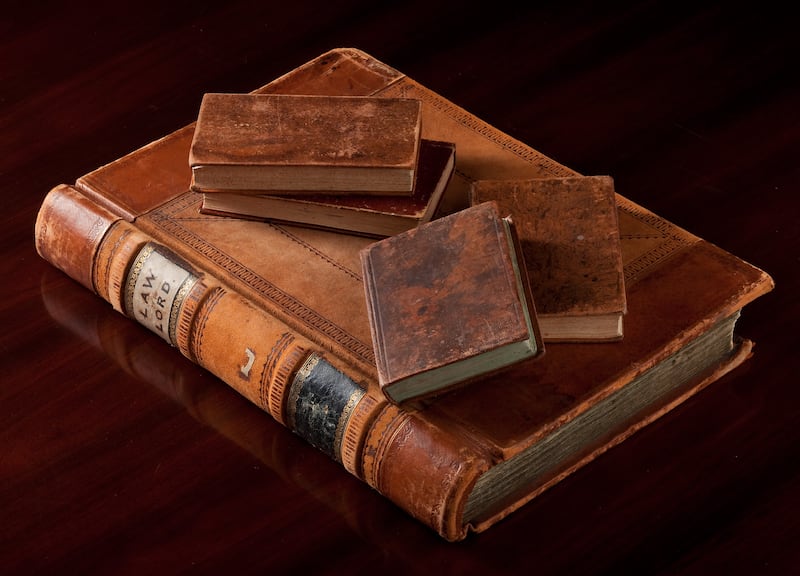
Part of the financial documents are found in several large record books, ranging from 50 pages to 400 pages, that primarily document his business endeavors in Nauvoo, Illinois, including tithing donations he received as Church trustee.
The e-book includes historical introductions and an extensive glossary prepared for the complete online collection of the Prophet’s financial papers. The introductions provide context for his land transactions, his appointment of agents to act on his behalf and, notably, his role as Church trustee.
The e-book’s introductions place the documents in historical context, describing the places Joseph Smith lived, the financial challenges he faced and the scope of his business, personal and Church-related transactions. The volume also examines arrangements made by agents acting on behalf of the Prophet and the Church, according to the news release.
Notable facts
The project editors highlighted several details from the Financial Records series that offer a glimpse into Joseph Smith’s financial affairs and the early Saints’ efforts to build temples:
- The records span more than two decades. Documents date from 1827 to 1849, though most were created in Nauvoo, Illinois, between 1839 and 1844. The series’ longest record book, “Trustee-in-Trust Ledger A,” contains 380 pages.
- The glossary includes some unfamiliar household items. Among its 208 entries is a “twiffler” — a type of serving plate used in the 19th century. Other entries explain fabrics, Nauvoo stores and terms unfamiliar to modern readers.
- Joseph Smith relied on dozens of financial agents. They helped conduct business and handle transactions on his behalf throughout the United States and Great Britain.
- The Prophet owned two steamboats. The Steamboat Nauvoo, purchased in 1840, was wrecked after operating for only a short time. He also owned the Maid of Iowa.
- A temple loan became a consecration. In January 1835, John Tanner lent the Church $2,000 to help fund construction of the Kirtland Temple. In 1842, he returned the promissory note in Nauvoo, canceling the debt and considering the amount a consecration toward the Nauvoo Temple.
- Thousands contributed to the Nauvoo Temple. More than 5,000 individuals donated money, paid tithing or consecrated goods to help build the temple. Their names appear in the Book of the Law of the Lord tithing record book. Some contributors were not members of the Church.
- Tithing contributions continued after the Prophet’s death. More donations were received and recorded after Joseph Smith’s death than before.
- Tithing came in many forms — including produce. Donated crops included corn, wheat, potatoes, onions, turnips, pumpkins, apples, beets, beans, cabbage, squash, cucumbers and carrots.
How the series came about
The 27-volume print edition of the Joseph Smith Papers was completed in 2023, but additional documents have continued to be published online at JosephSmithPapers.org.
The Financial Records series was initially part of the broader, online-only Legal, Business and Financial Records project. It became a separate series in 2019, and its documents began appearing on the Joseph Smith Papers website in 2020 with the final batch in September.
The e-book
The e-book is available at Deseret Book, Amazon and other retail outlets. Learn more by visiting the Joseph Smith Papers website.
