



Tropical Storm Imelda, which hit the southeast coast of Texas on Sept. 19, continues to be a source of mystery to local residents in the hardest hit area from Winnie to Orange, Texas. To have as much as 40 inches of rain fall in a 24-hour period is unprecedented, but to also have it fall in such a small area surprised most local residents.
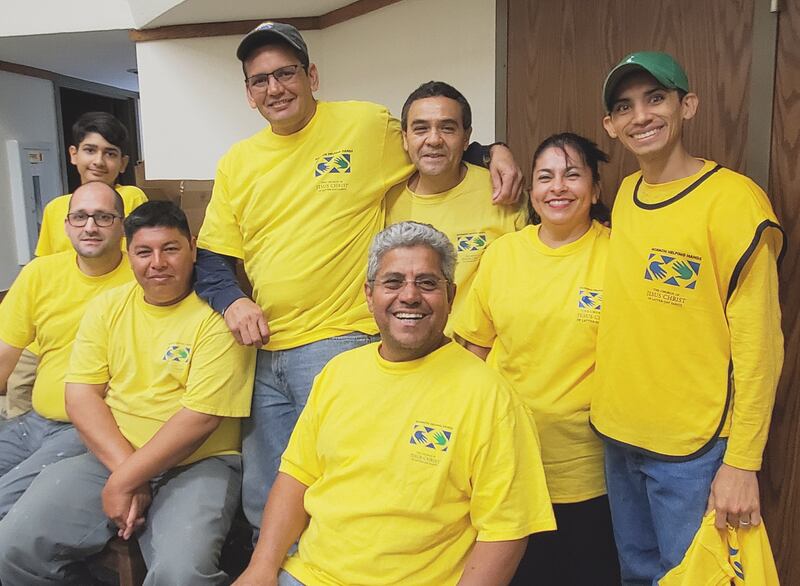
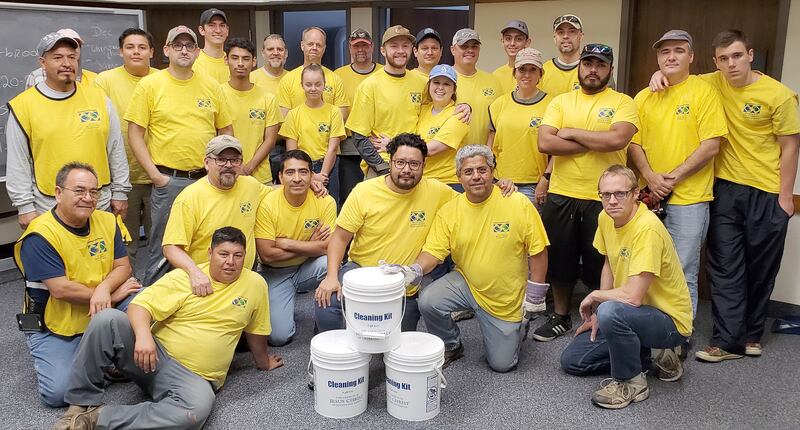
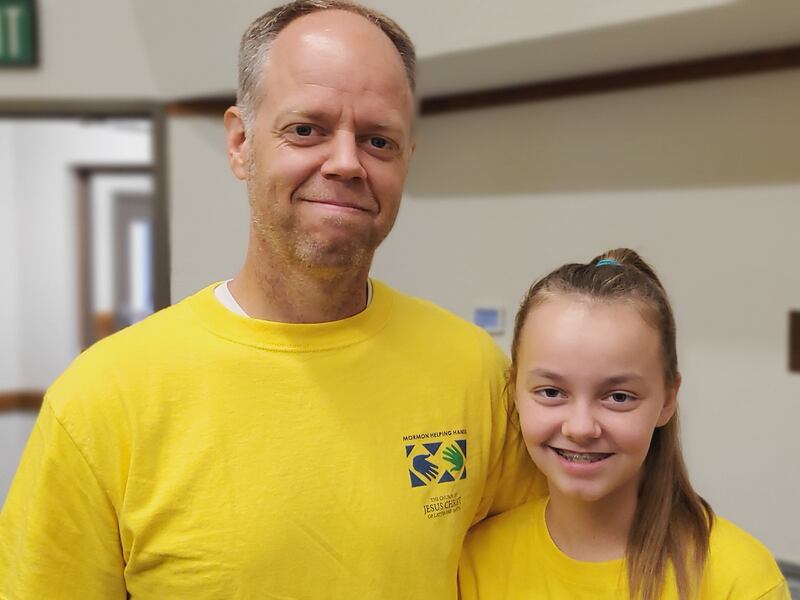
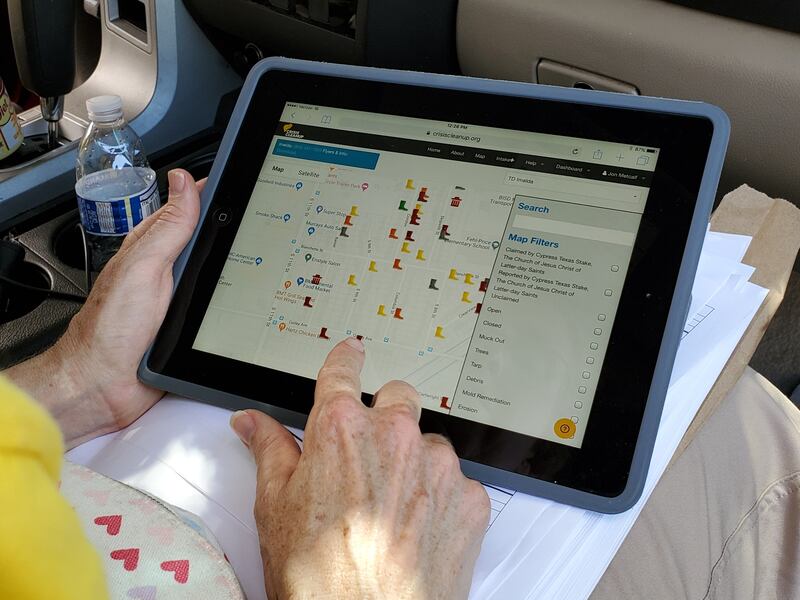
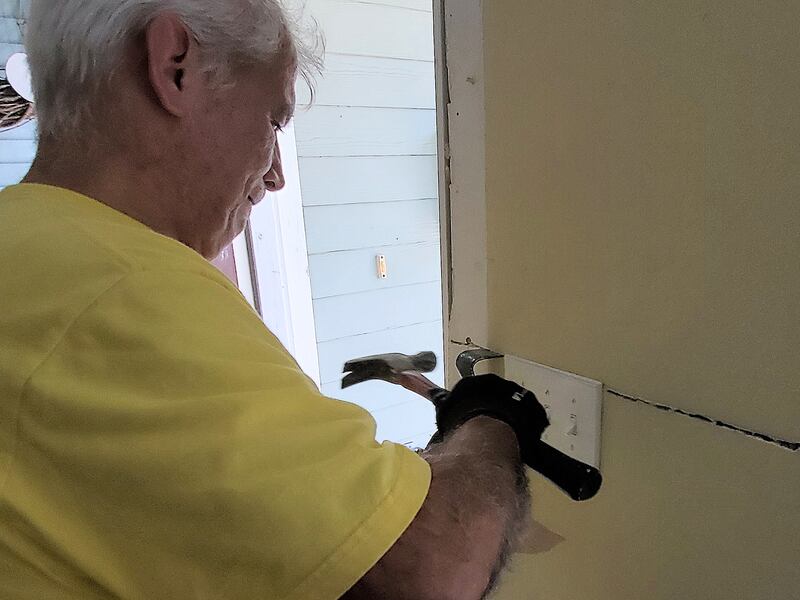
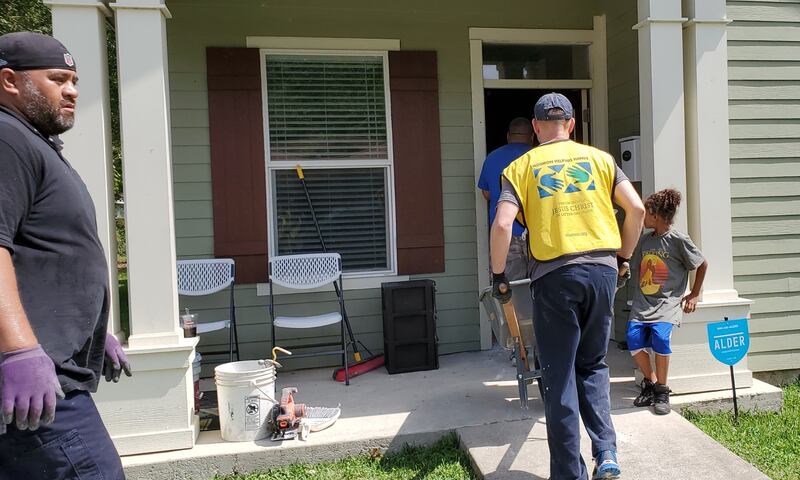
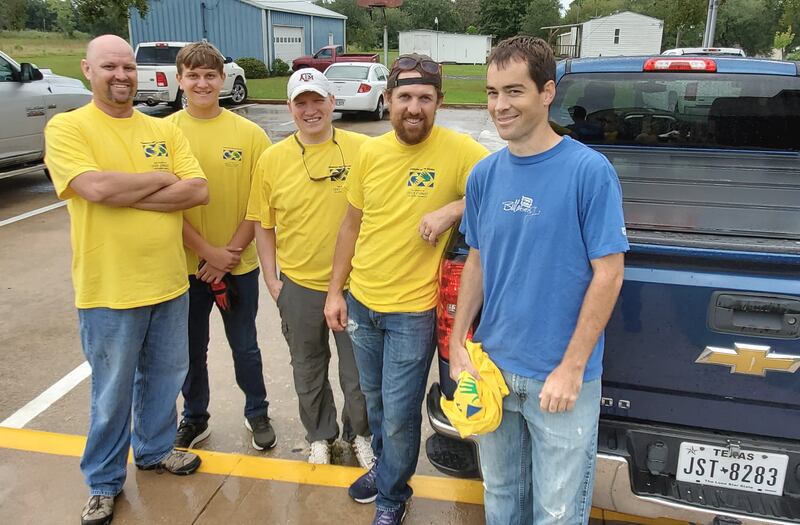
Volunteers from The Church of Jesus Christ of Latter-day Saints have massed in the area in the days following the storm with approximately 200 10-man teams of workers to further help victims of the floods clean out their homes in preparation for reconstruction work.
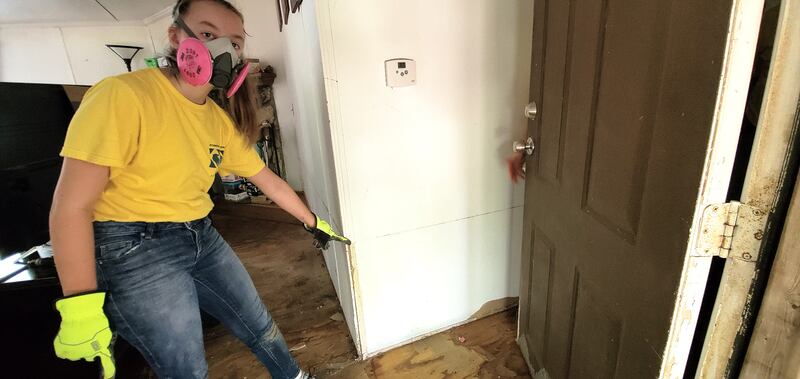
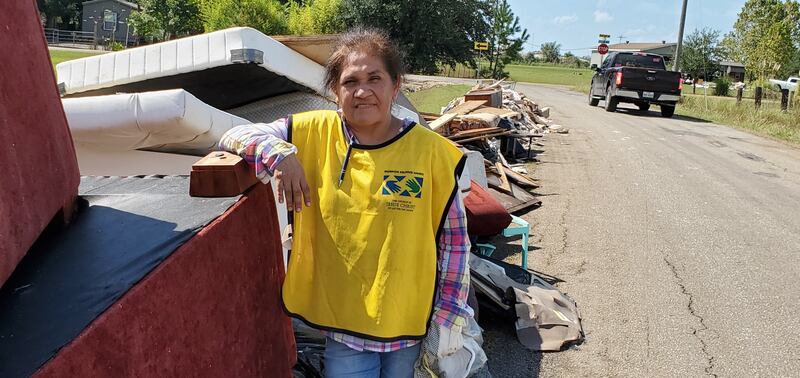
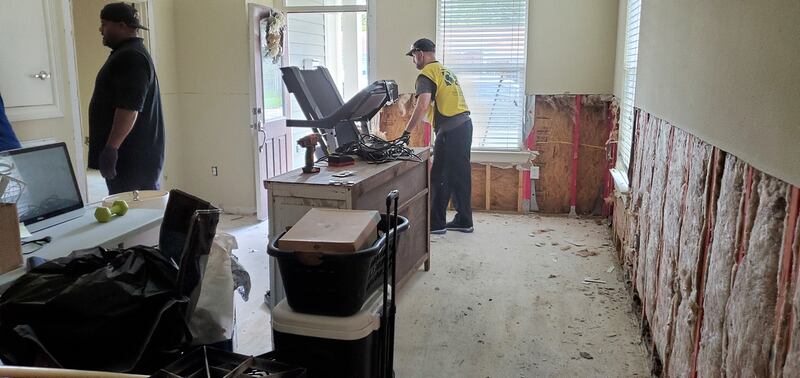
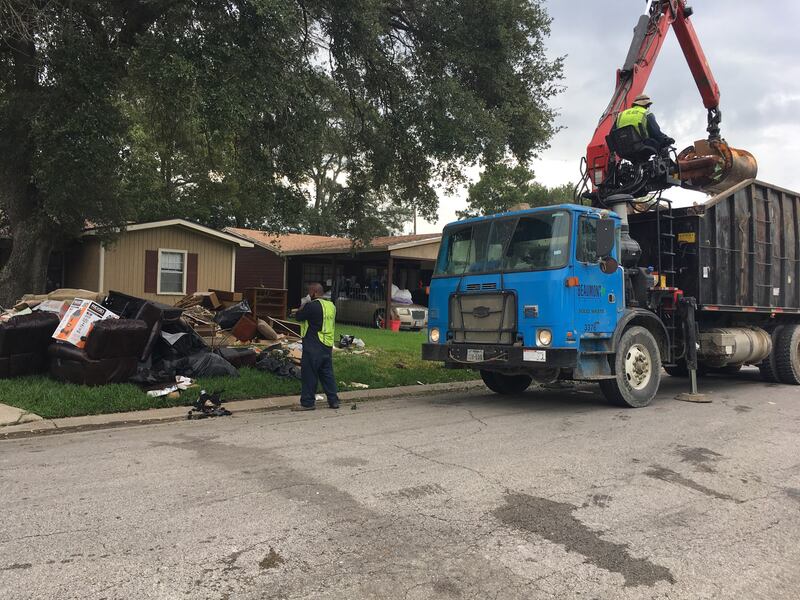
Flood waters contain all types of contaminants — like sewer runoff, lawn chemicals and other pollutants. Flood-damaged homes need to have all floor covering and home items damaged from the floods removed and unceremoniously heaped on the curb for city disposal to haul away.
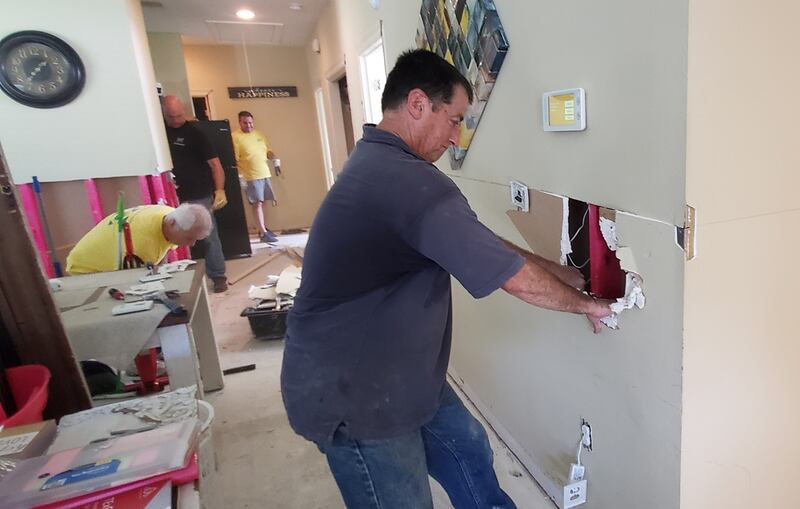
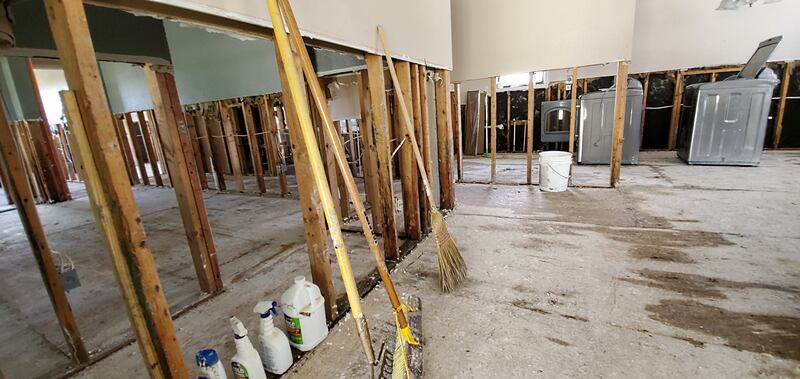
Additionally, sheet-rock wall boards need to be removed several feet above the high-water mark because the water seeps upwards in the walls. This is called “mucking and gutting.”

Once flood waters recede, the remaining debris is removed, the interior of the home is gutted and is then dried and treated with anti-mold chemicals. Homeowners are then able to live in the house with little risk of mold while waiting for contractors to reconstruct the home’s interior.
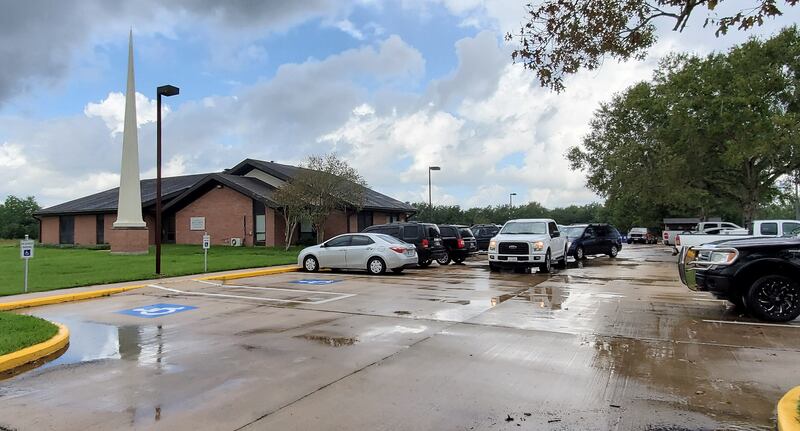
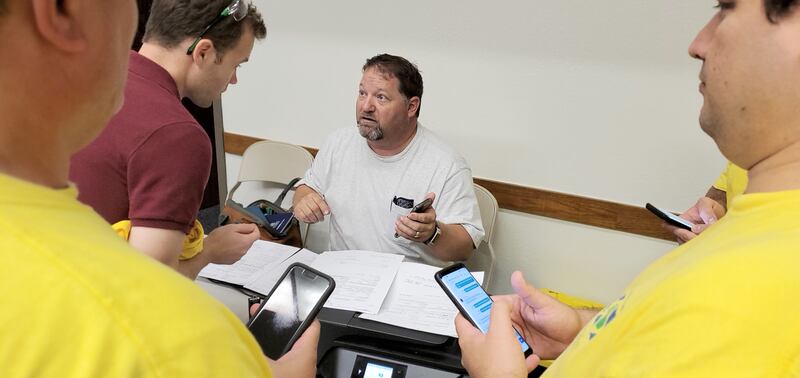
Ricky Westbrook, the elders quorum president of the Chambers Branch in Winnie, Texas, was responsible for organizing work crews and sending them to homes that needed help in that area. A local resident, Westbrook acted as liaison between the work crews and the homeowners.
President John Bartlett, first counselor in the stake presidency of the Richmond Texas Stake, one of 20 stakes mobilized to provide assistance to homeowners, said, “The response on the part of the Church volunteers has been incredible, everybody is happy to be here.”

Volunteers from the Richmond stake — which included members from English wards, two Spanish wards and the Vietnamese branch assigned to their stake — would get up early, make the 100-mile trip, work hard all day and then go home until the next scheduled shift.
Even after hours and days of hard work, just in this small community alone, there were still more than 250 homes in need of basic mucking and gutting.
Missionaries from the Texas Houston East Mission came to help clean up.
With Imelda, even rural areas were not spared. Fele Hernandez, a long-term resident and member of the Chambers Branch of the Beaumont Texas Stake living in the Hamshire area, experienced enormous amounts of water build-up around her home.
Her neighbor and fellow Church member, Elisa Zepeda, lost all her home furnishings, now piled in a row on the front of her property. Her three vehicles were also written off because of water damage.
“We’ll stay,” Fele said, “we’ll clean it up and go on.”

In the city of Beaumont, several isolated neighborhoods had massive flooding. The Cypress Texas Stake was assigned to help people in the area around Fehl-Price Elementary School, which itself was flooded.
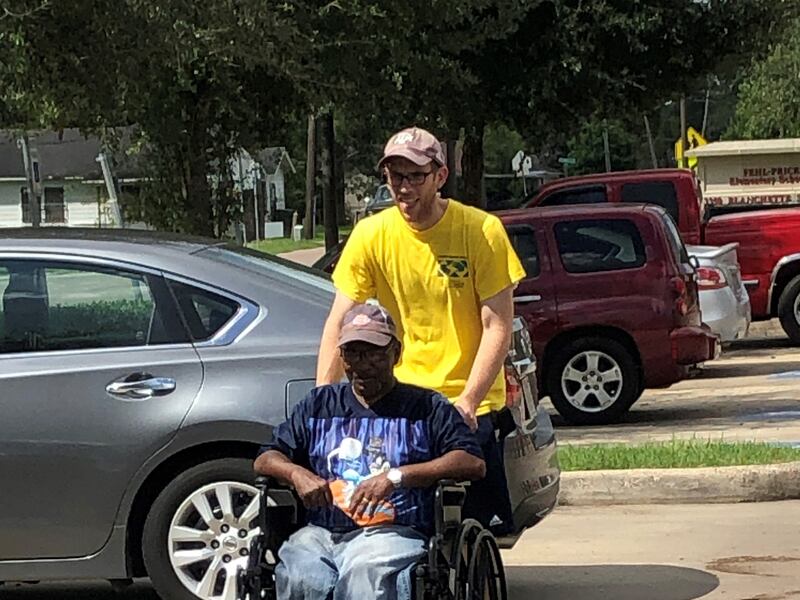
The process of cleaning out a flooded home is a massive and exhausting task, and local residents — often overwhelmed by the magnitude of the cleanup, — were profoundly grateful for the help the member volunteers offered.
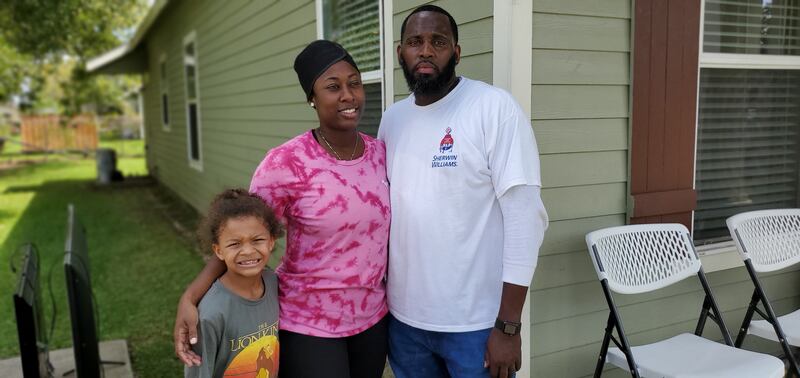
Local resident Ebony Sparks, who had lived in her home all her life, was well aware of the storm and had been watching the weather. At 4 a.m., she and her husband, Christopher, could see water rising in the streets but were not alarmed. In just two short hours, water covered the streets and seeped into her home. They barely had time to gather some valuables before they were wading through waist-deep water to higher ground with some neighbors.
Her father, a pastor who was out of town, had been praying all night that somehow help would come to assist them in the overwhelming task of cleaning out their home. Just as they arrived at their home to begin the cleanup work, a yellow-shirted work crew from the Cypress Stake was there waiting for them.

“Though we lost everything,” she said, “we still have to recognize the blessings of what we have. We are so appreciative. We’ll make it through.”
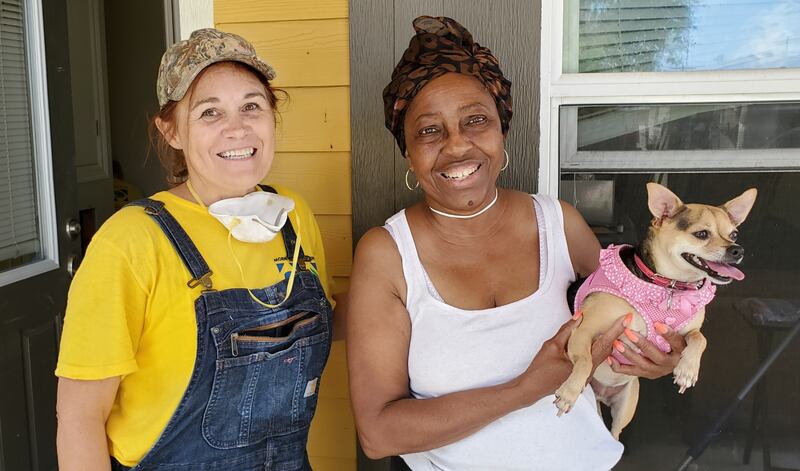
Further down the street, Martha Chisom and her dog Penny had a similar experience. After a kind neighbor called her in the middle of the night to warn her about the flooding, Martha and Penny ended up wading through waste-high flood waters with their neighbors’ help. They went from a boat to a school bus and finally to a local grocery store where evacuees gathered.
Martha’s newly constructed retirement bungalow had been completed just shortly before the floods came. As a woman of faith, she said the experience caused her to reevaluate her priorities. “I do a little volunteering, but this lets me know I don’t do enough…there’s not a reason that I can’t volunteer more … and I can do that, I can do that well.”

Times of difficulties are when communities come together — when churches, relief agencies and local governments unite to help those affected. In addition to tens of thousands of service hours, the Church also made other significant contributions of material to help sustain individuals and to provide supplies to other agencies for distribution as they discover those in need.
Stirling Pack, the Disaster Relief Coordinator for the Houston Texas Region noted: “There is great joy in service. It can be very, very hard work sometimes, but the difference that it can make in the lives of people, all of whom are God’s children, can be of great significance, even life-changing.”
