


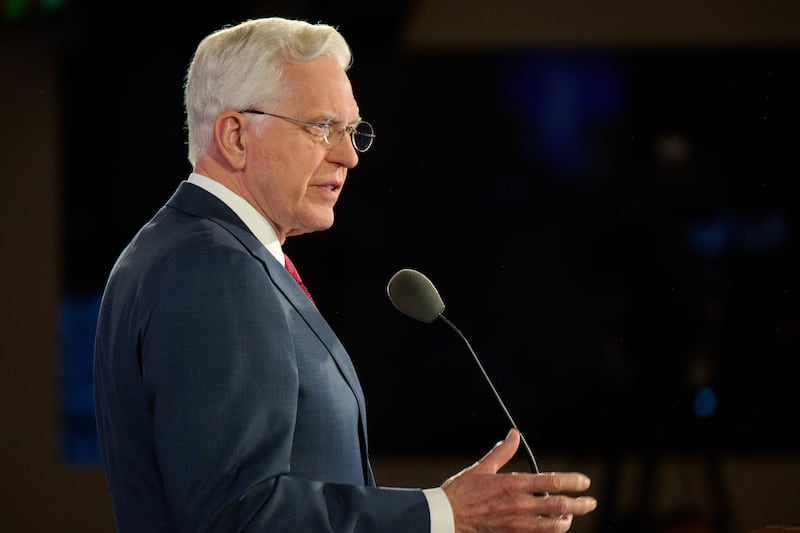

PROVO, Utah — Repentance is not only a doctrine, “it is central to fulfilling our divine purpose,” President D. Todd Christofferson, second counselor in the First Presidency, taught at the 2026 Seminar for New Mission Leaders.
“Repentance, as taught in this, the Church of Jesus Christ, is the all-inclusive, glorious message of joy and salvation offered to all,” President Christofferson taught at the Provo Missionary Training Center on Friday, June 19, in Provo, Utah.
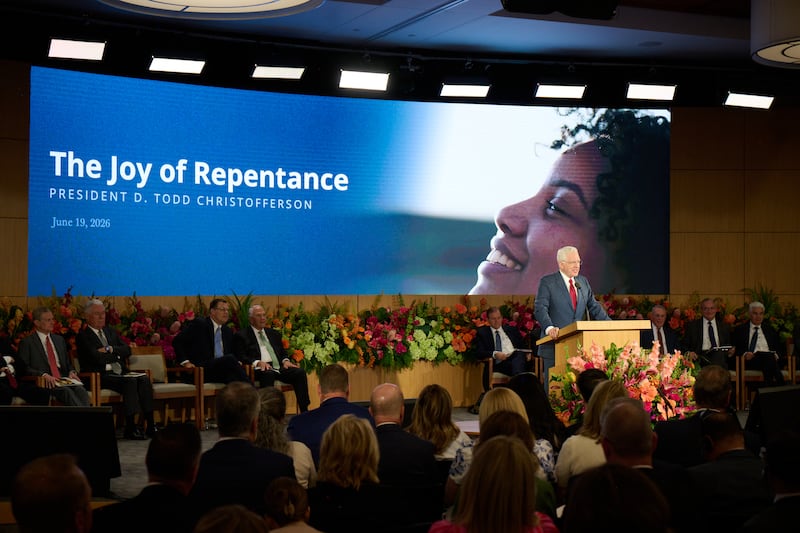
Teaching that repentance is possible is the good news of the gospel of Jesus Christ and the reason a missionary is called to serve. Helping another person repent and come unto Christ brings deep and lasting joy.
He quoted Church President Dallin H. Oaks, who in his April 2019 general conference talk, “Cleansed by Repentance,” said, “Repentance begins with our Savior, and it is a joy, not a burden.”
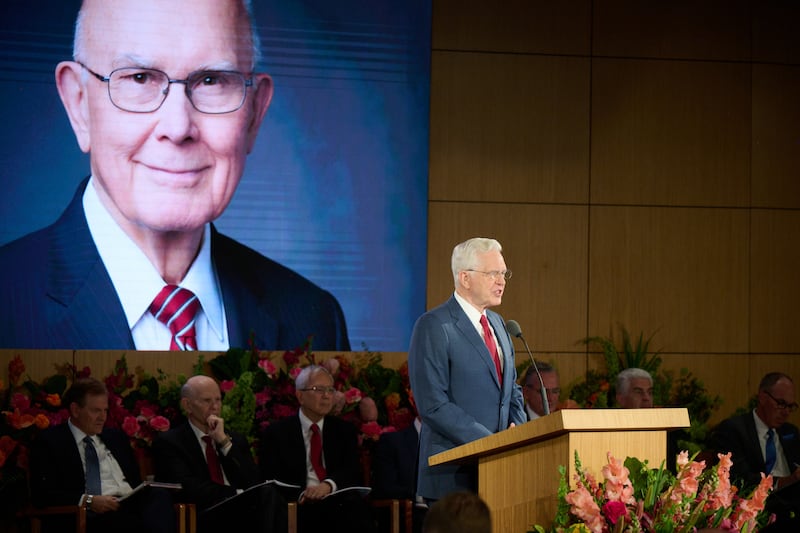
President Christofferson said the call to repentance implies first, that divine law exists; second, accountable persons have broken at least some of those laws; and third, the benefit — forgiveness — means there is a Savior who atoned for sins and can extend mercy.
As the Bible Dictionary points out, repentance is a change of direction and an orientation toward God; “Preach My Gospel” Chapter 3 teaches that repentance is submitting to God’s will.

Baptism is the step that completes this process of turning away from sin and to God. But, President Christofferson said, there is no need to be re-baptized; maintaining and revitalizing this covenant takes place through ongoing faith and further repentance; participating in the sacrament each week is one setting for this to happen.
But forgiveness of sins is not the only object or reason for repentance. “Repentance is the pathway to perfecting our obedience and therefore the development of a Christlike character.”
The goal is not just to return to Heavenly Father; it is to return in a condition to dwell with Him eternally — to choose to do what is right and to be like Him.
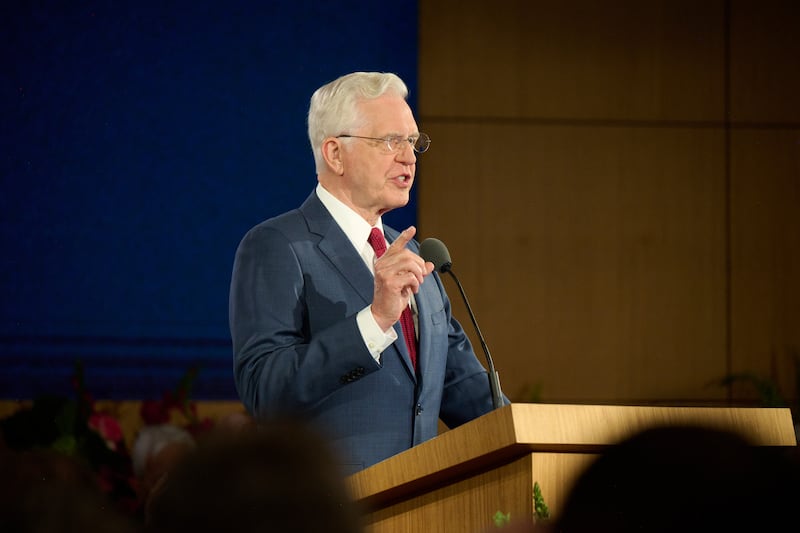
“Missionaries must themselves understand the doctrine and experience the joy of repentance to grasp their role as someone called to help others pursue a conversion from present existence to a new life in Christ,” President Christofferson said.
As missionaries plan and prepare lessons, they will pray about and discuss how those they are teaching can understand the need for repentance and build a lesson around an invitation to act.
However, repentance itself does not bring a remission of sins and cleansing of the soul; “it is Christ’s Atonement that justifies and sanctifies the repentant sinner,” President Christofferson said.
Repentance is necessary because it is a matter of preserving justice and agency, he explained. Repentance is a prerequisite to grace and forgiveness, but the Lord respects moral agency. We must choose to accept the Savior’s grace by repenting.

And there are no alternatives or substitutes, President Christofferson said. Some, like Korihor in the Book of Mormon, teach there is no sin. Others say God excuses any and all transgressions “simply because He loves us.” Some believe God will pardon all but the most serious sins.
But the truth is the Lord “cannot look upon sin with the least degree of allowance” (Doctrine and Covenants 1:31). The Lord promises, “As often as my people repent will I forgive them their trespasses against me” (Mosiah 26:30).
“Although we are imperfect and may fall short again, there is more grace, love and mercy in Jesus Christ than there is failure, flaw or sin in us,” President Christofferson said, quoting “Preach My Gospel.” “God is always ready and eager to embrace us as we turn to Him.”
Forgiveness of others is a crucial element of forgiveness as well, he said.
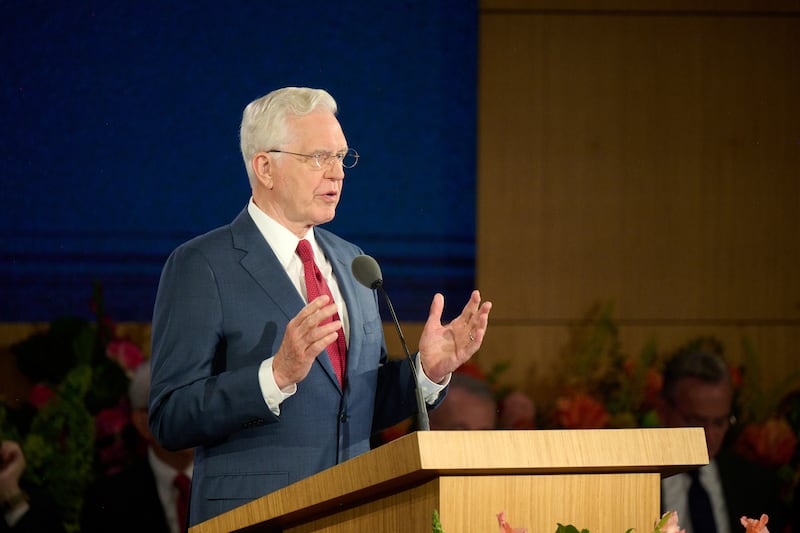
In summary, President Christofferson asked the mission leaders to remember these five principles, which he promised will strengthen them in fulfilling their missionary purpose and will help guide their missionaries to lifelong conversion in Jesus Christ:
- Embrace the joy of repentance as the focus of daily missionary labors.
- Help missionaries better understand the nature and implications of true repentance.
- Connect the joys of repenting to baptism and a covenant relationship with Christ.
- Help missionary companionships plan their teaching around the commitments their friends need to fulfill to achieve personal repentance.
- Emphasize that a missionary’s ultimate goal through repentance and baptism is leading God’s children to eternal, celestial lives.
“The Good Shepherd rejoices when we repent and return to His fold, and when we help another to repent, we share in this joy and feel a part of what He feels,” President Christofferson said. “For a missionary, could there be a sweeter or more life-shaping experience than this?”
