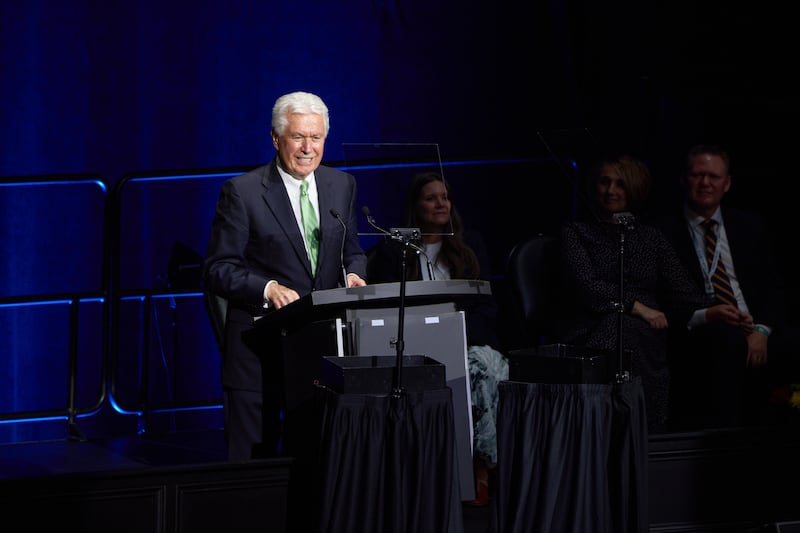

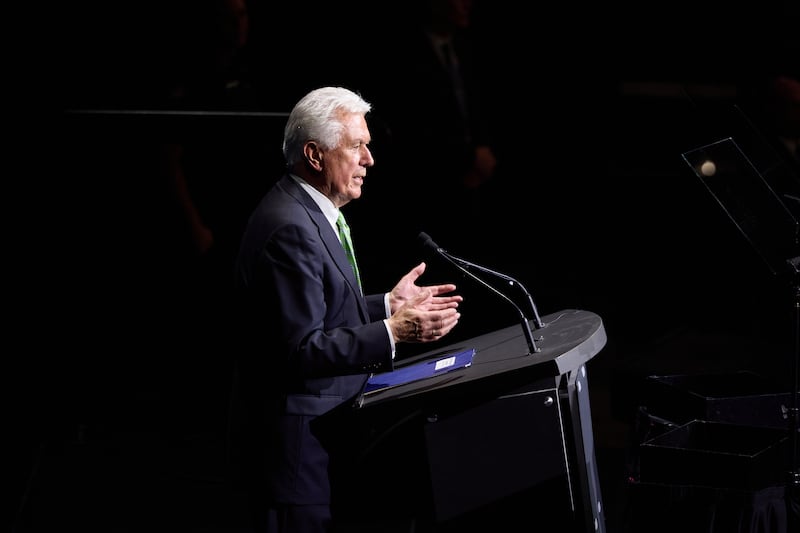
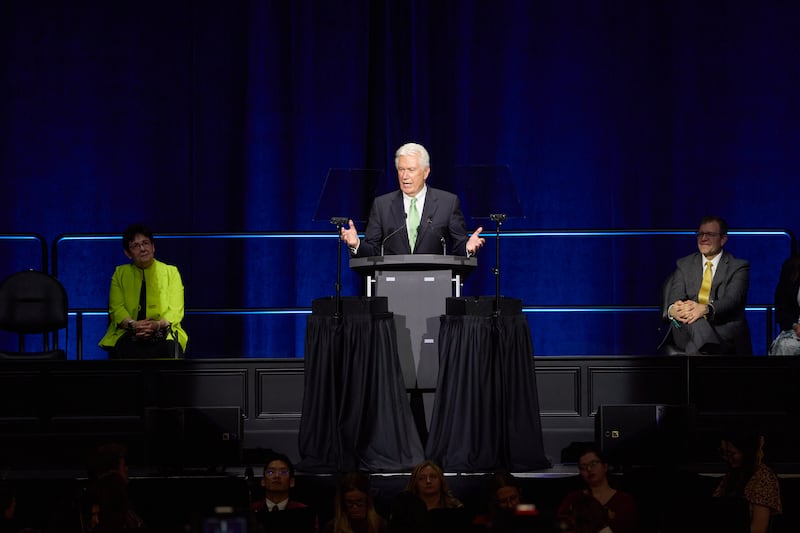
OREM, Utah — In times of fear, seasons of worry or moments facing difficult decisions, one can learn from the lessons of King Jehoshaphat and “be not afraid or dismayed” (2 Chronicles 20:15), taught President Dieter F. Uchtdorf at a Sunday, Nov. 15, Utah Valley Institute of Religion devotional in Orem, Utah.
The acting president of the Quorum of the Twelve Apostles spoke of the righteous Old Testament king of Judah who trusted in God when an overwhelming enemy army surrounded his kingdom. Jehoshaphat proclaimed a fast, gathered his people in Jerusalem and turned to God in prayer, rather than relying solely on military strategy.
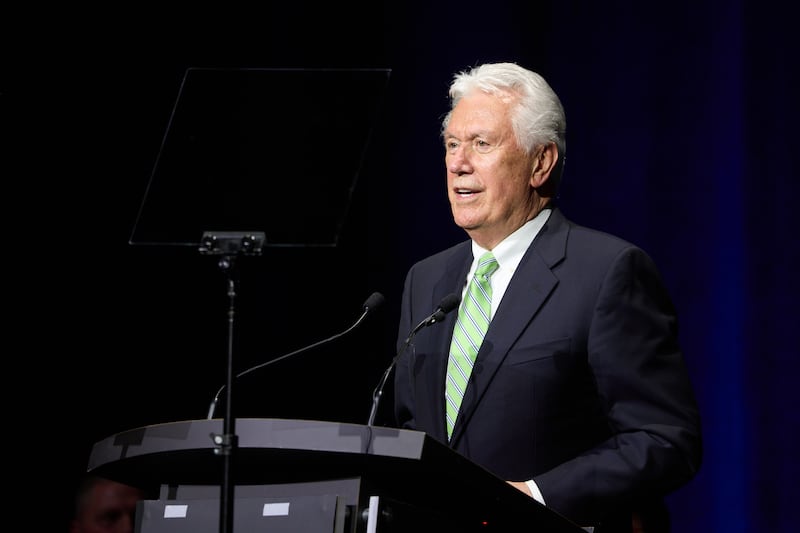
“We should understand this story carefully,” President Uchtdorf said. “It does not mean that faithful people will never face hardship or that every problem will disappear in precisely the way we hope. Some battles are long. Some answers come slowly. Some trials do not end when we think they should.
“But the story teaches that we are not alone in our battles,” he continued. “God hears the prayers of His children. He will strengthen, guide and deliver us in His way and in His time. And because of Jesus Christ, sorrow, failure and fear do not have the final word.”
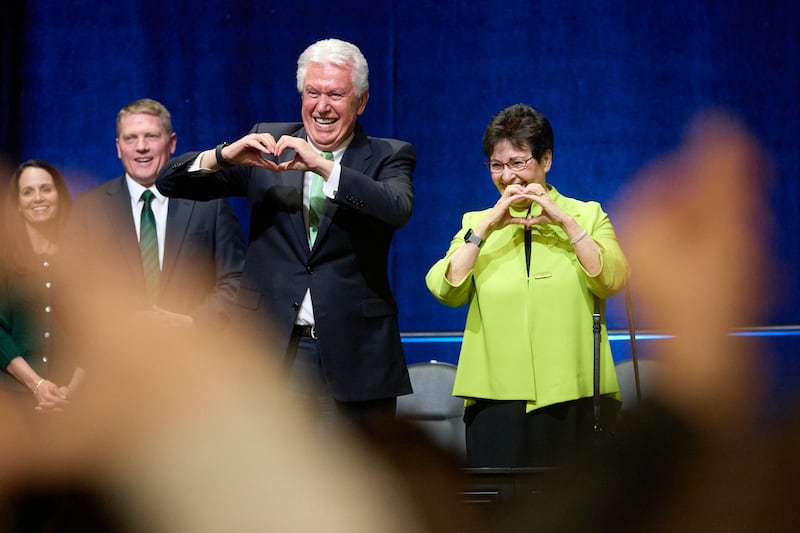
President Uchtdorf said that as he has pondered Jehoshaphat’s story, six lessons have stayed with him:
- “Seek the Lord before the crisis.”
- “Turn to God when you do not know what to do.”
- “Prepare in times of peace.”
- “Draw near to God.”
- “Trust the Lord and His prophets.”
- “Praise God before the answer comes.”
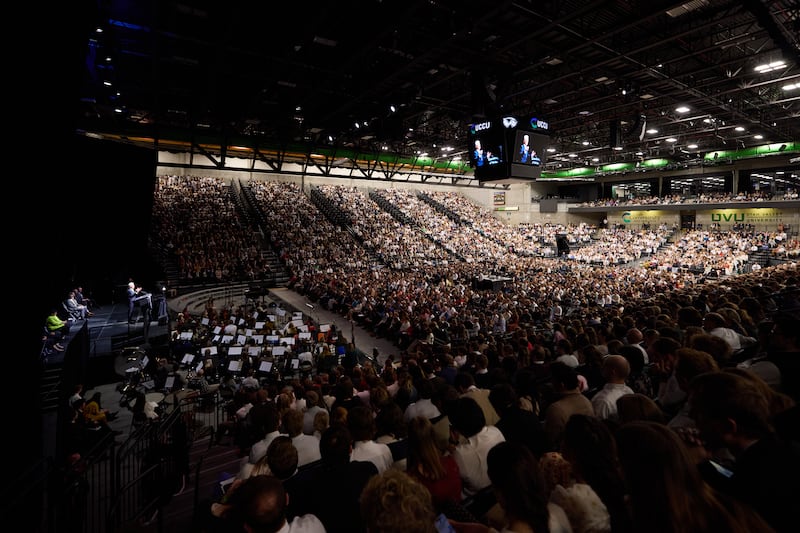
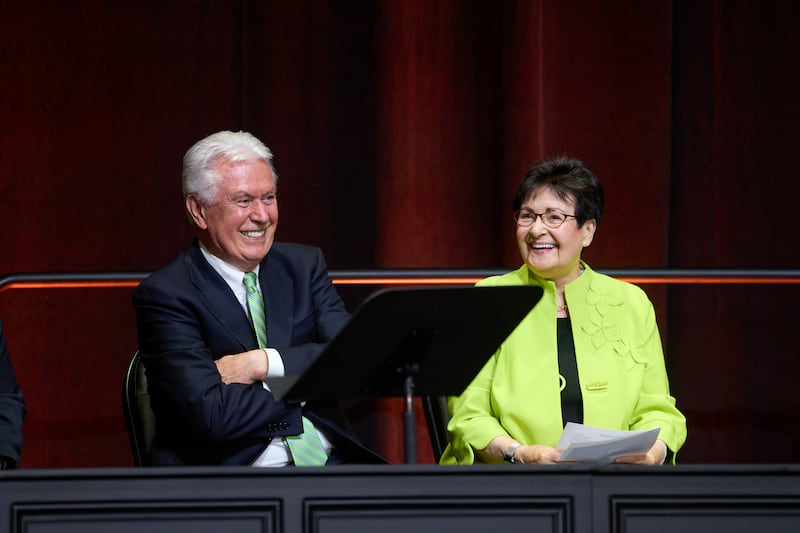
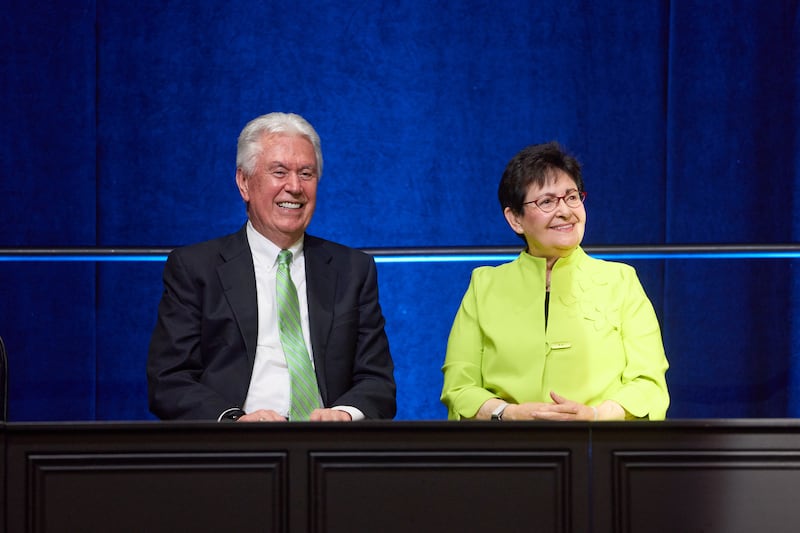
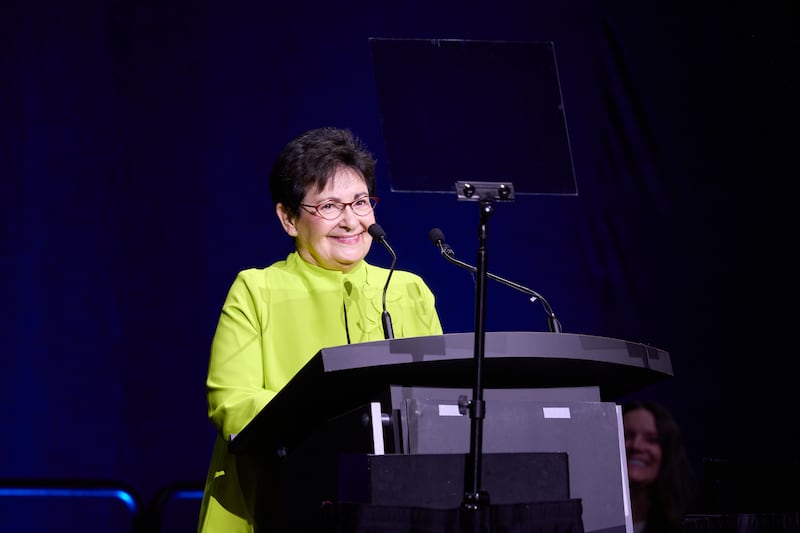
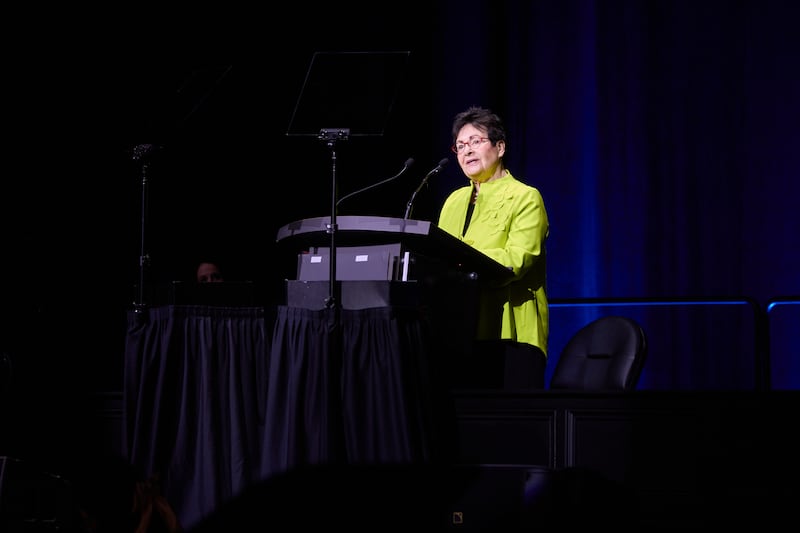
President Uchtdorf was accompanied by his wife, Sister Harriet Uchtdorf, who also spoke. The evening devotional was held not in the large chapel in the institute’s building on the Utah Valley University campus but in the nearby UCCU Center, home to major UVU events such as commencement exercises and indoor athletics.
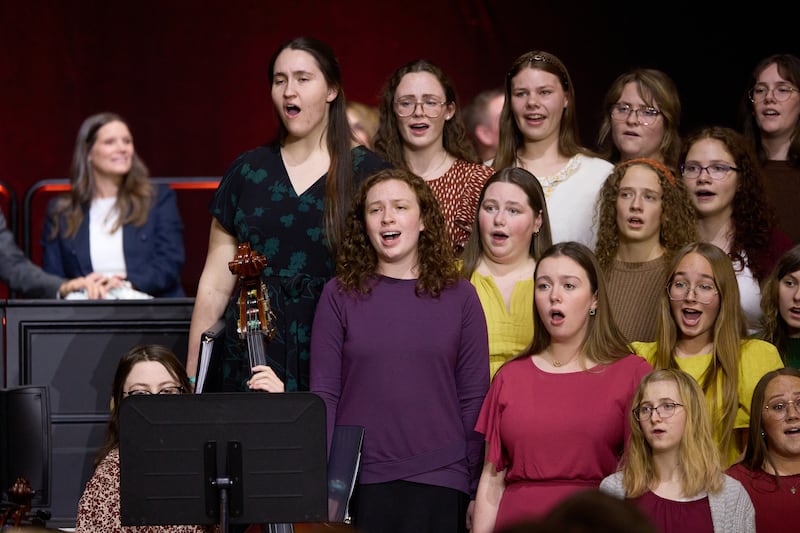
First-year UVU President Jon Andersen also shared a message during the devotional. Prelude selections and a special musical number during the devotional were performed by the Utah Valley Institute Singers, Valleywide Choir and Orchestra.
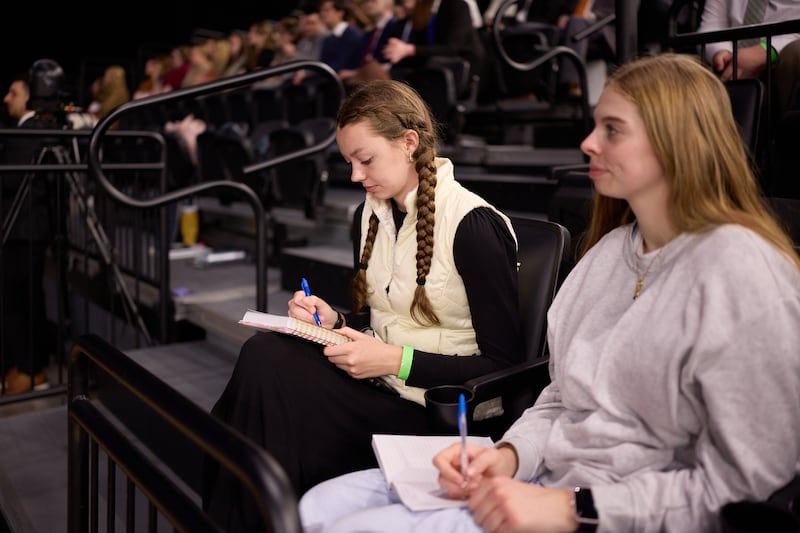
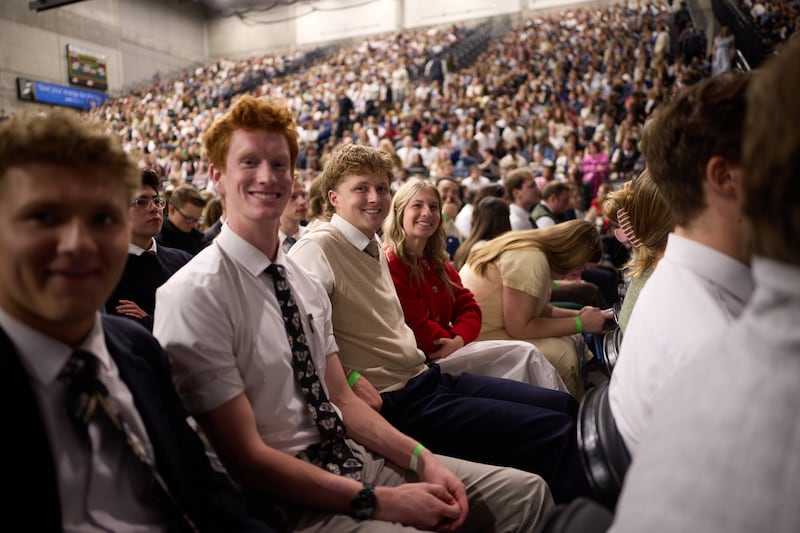
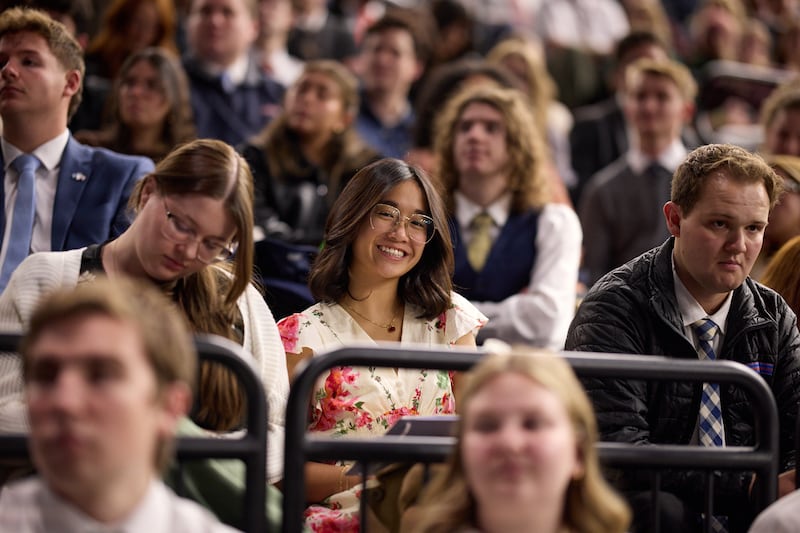
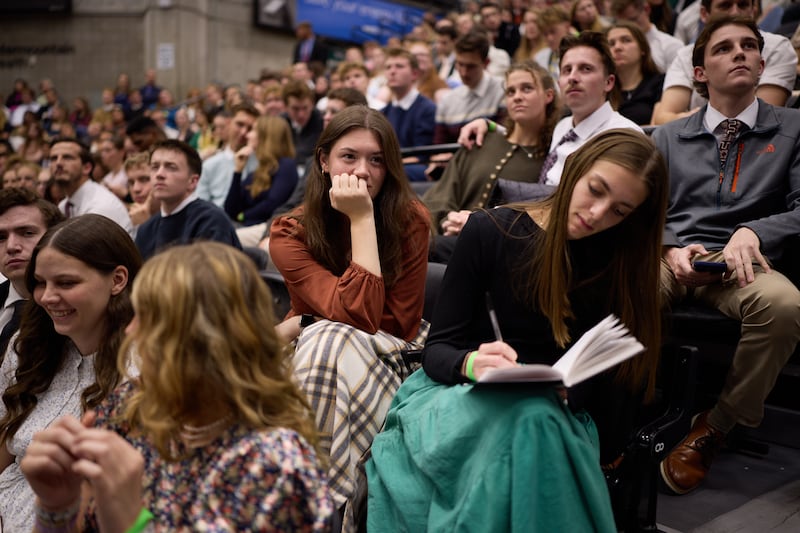
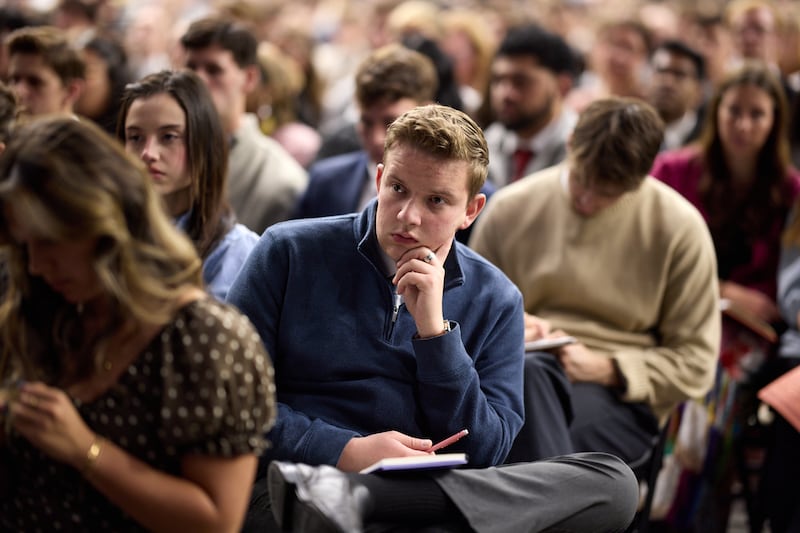
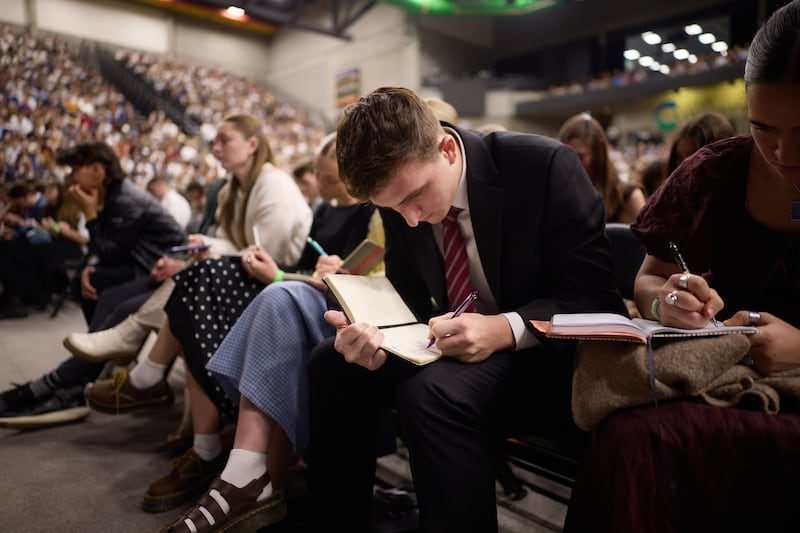
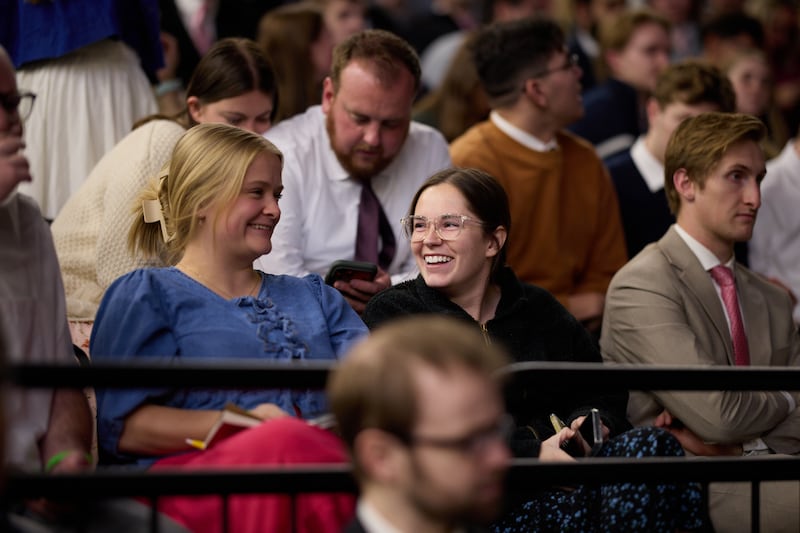
Institute students, UVU students and others filled the 8,000-seat UCCU Center, with another 1,000 or so seated on the floor.
Recapping the story
Fortifying both the cities of Judah and the hearts of his people during preceding peaceful years, Jehoshaphat responded to news of an approaching great army with prayers of uncertainty and the faithful statement “our eyes are upon thee” (2 Chronicles 20:12). President Uchtdorf called it a beautiful prayer — “honest about fear, honest about weakness and full of faith.”
Gathering the people together outside the house of the Lord to seek the divine direction, Jehoshaphat prayed — remembering God’s power and promises while acknowledging their danger. “We stand before this house, and in thy presence, (for thy name is in this house,) and cry unto thee in our affliction” (2 Chronicles 20:9).
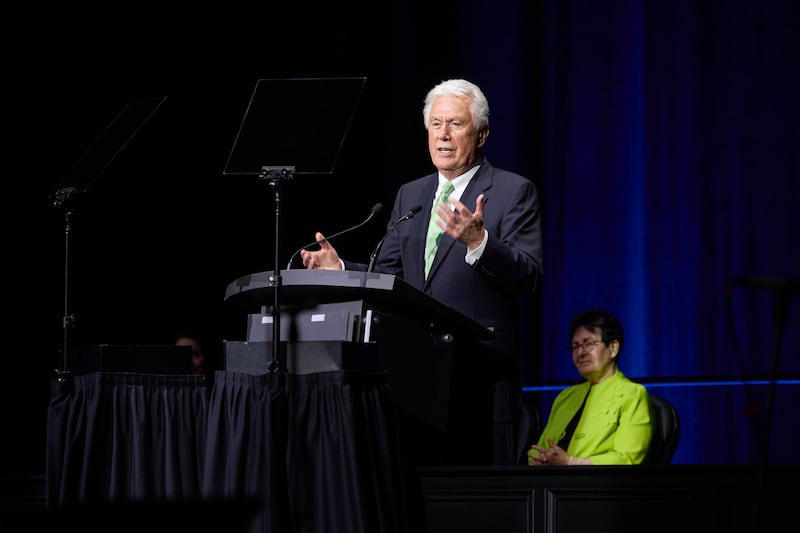
As the king prayed, the Lord’s Spirit came upon the people, and the people were told, “Be not afraid nor dismayed … for the battle is not yours, but God’s” (2 Chronicles 20:15).
Said President Uchtdorf: “Faith is not always easy. It may ask us to move forward before we see the whole path. It may ask us to wait and trust that God sees what we cannot.”
He recounted that the next morning, Judah went out to meet the overwhelming army, with the king encouraging them: “Believe in the Lord your God” (2 Chronicles 20:20).
But rather than heavily armored soldiers at the front of the army, Jehoshaphat placed singers, voices praising of God. In turn, the Lord brought confusion among the opposing forces, which turned against one another.
Once delivered, Judah gathered to thank the Lord in what became known as the Valley of Blessing.
Seek the Lord before the crisis
President Uchtdorf underscored Jehoshaphat’s peacetime preparations in strengthening both the kingdom’s fortifications and the people’s faith.
“That is a lesson for us,” he said. “The time to seek the Lord is today — not only when we are frightened, not only when a decision becomes urgent and not only when the skies grow dark.”
He reminded his listeners of their many choices — prayer, scripture study, worship, covenant keeping, following the Savior, honesty, repentance and seeking counsel from others. “These choices will not prevent every storm, but they will help you know where to turn when the storms come.”
Turn to God when you do not know what to do
President Uchtdorf said one doesn’t have to pretend he or she understands everything. “We do not need to solve our problems before we pray. We can come to Heavenly Father with our question, disappointment, sorrow, uncertainty — even fear.”
God hears individual prayers and knows hearts individually, reassured the Apostle, adding that answers to prayers may come as an impression, through a scripture or as counsel from a trusted friend.
“It may come as courage to keep going. Sometimes our circumstances change. Sometimes the Lord first changes us, giving us greater patience, perspective or strength.”
God does not promise that one will never walk through difficulty; rather, He promises that one will not walk alone, President Uchtdorf taught.
Prepare in times of peace
It’s easy to postpone important things in favor of what feels urgent, President Uchtdorf said, listing examples of planning to pray, returning to the temple or repairing a relationship when life is less busy or more time is available.
“But discipleship needs to be built in ordinary days — in quiet prayers, by small acts of service and by private and sacred choices,” he said. “Those ordinary moments prepare the heart for extraordinary challenges.”
Draw near to God
When Jehoshaphat faced danger, he prayed and invited his people to do the same. “You too will draw near to God through prayer, worship, scripture study and temple service,” President Uchtdorf said.
“If you are carrying a burden today, please do not feel that you must carry it alone. Take it to your Father in Heaven. Let the Savior draw near. And when appropriate, let trusted family members, friends, leaders and fellow disciples stand beside you. Asking for help is not weakness; often, it is one way the Lord answers prayer.”
Trust the Lord and His prophets
Jehoshaphat urged the people to believe in the Lord and trust the prophet’s message, President Uchtdorf said. “You, too, can find strength in the counsel of living prophets and apostles. They point you to Jesus Christ and teach you how to build our lives upon His gospel.”
Trusting God does not mean that one never asks questions or simply sits back and waits for everything to happen, the Apostle said. Rather, faith calls to act on the light already received, with individuals making the best choices by studying things out first, seeking the Lord’s guidance and trusting His guidance to guide them as they move joyfully forward.
One of the hardest parts of faith can be patience, when the Lord’s timing doesn’t match an individual’s own timetable. “A change you are working toward may take longer than you expected. In those moments, remember that God sees more than you do,” he said, adding, “He loves you perfectly, and He will guide you as you trust in Him.”

Praise God before the answer comes
President Uchtdorf emphasized Jehoshaphat’s singers praised and thanked God, all while the danger still threatened before knowing how the battle would end. He encouraged his listeners to offer praise and gratitude and remember that sorrow is not the whole story.
“Sometimes the song of faith is not a strong hymn sung with great power,” he said. “Sometimes it is a quiet prayer whispered through tears. Sometimes it is simply the decision to keep moving forward with the Lord.”
Concluding reminder and testimony
Concluding with invitations and promises, President Uchtdorf encouraged his listeners to be not afraid nor dismayed but to keep their eyes on God.
“The Savior will help you take the next step,” he said, adding, “God will bless you with courage, patience and peace whenever they are needed, even in the middle of uncertainty.”
He returned to the list of learnings from the story of Jehoshaphat, turning each into an invitation — to walk in the way of the Lord, rely on His promises, prepare in times of peace, trust Him in times of distress, rejoice in Heavenly Father’s blessings and lifting one’s voice in praise of Him, even while waiting.
Said President Uchtdorf: “May these things bring added meaning, comfort and a higher joy and beauty into your lives.”
Sister Uchtdorf on education and dating
In her remarks preceding her husband’s, Sister Uchtdorf spoke of the personal nature of the God’s plan for each of His children. To the students thinking of their future in life, she underscored that “education and dating work together” and then listed the following points:
- “Education trains your mind. Dating refines your heart.
- “Education teaches analysis and discipline. Dating teaches empathy and communication.
- “Education prepares you for a life in the world. Dating prepares you for a covenant partnership.”
Both require humility, effort, patience and balance with each other, she added.
“You are not choosing between building a mind or building a heart. You are building both. Trust the Lord’s timing. The Lord’s plan and timing are individual.”
What they were saying
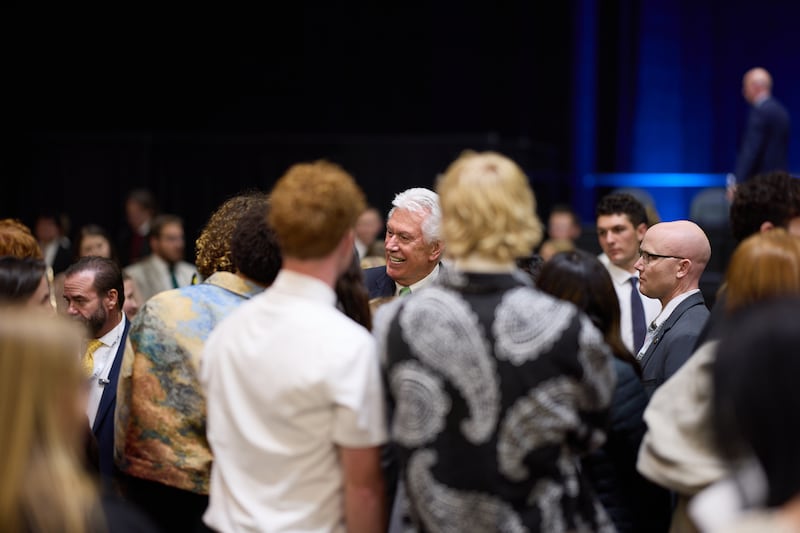
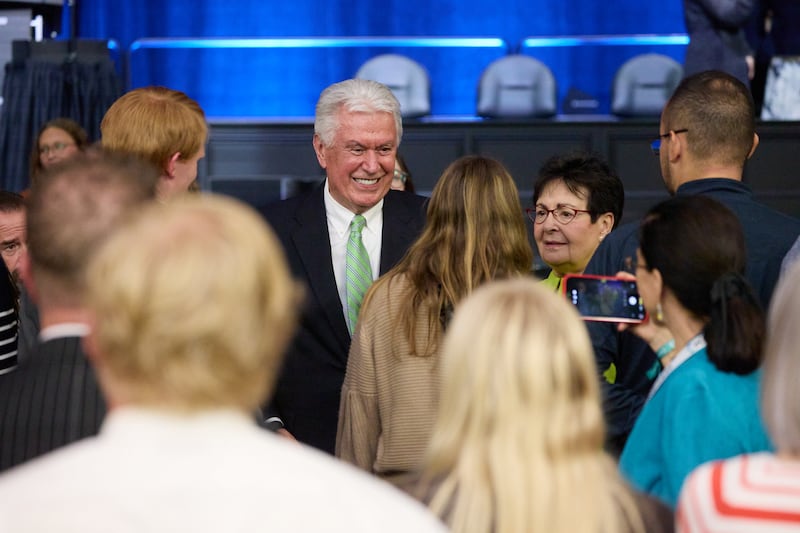
After the devotional and after the Uchtdorfs have made a brief pass across the front of floor section to greet and wave to as many as they could, attendees were still buzzing about the devotional, the messages and the learnings from the Spirit.
David White, of Orem, Utah, and both a UVU and Utah Valley Institute student, said: “I learned that fear is something that shouldn’t control your life and that you are in control of your own destiny as long as you put your trust in Jesus Christ.”
And Diana Grace of Lehi, Utah, who played the harp in the Utah Valley Institute Choir, said: “The Spirit taught me that even though things can get all crowded and really scary, the Lord is still with you, you can praise the Lord, and giving the Lord all your care and praise and thanking Him for everything will help you get through hard stuff, like school, career and dating.”