



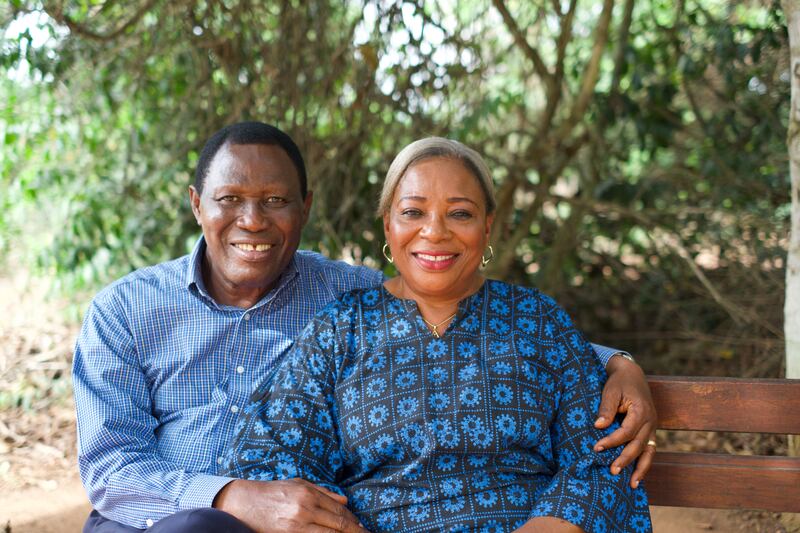

Editor’s note: This is the first in a three-part series on the “Living Record: A Church News Documentary Series” on BYUtv called “Voices for Faith.” Part 1 examines threats to defending religious freedom through personal stories and discussion with scholars. Part 2 explores approaches to religious freedom through personal stories and discussion with scholars. Part 3 highlights the power of working together toward religious freedom through faith stories.
On June 14, 1989, the government of Ghana banned all activities of The Church of Jesus Christ of Latter-day Saints in the country.
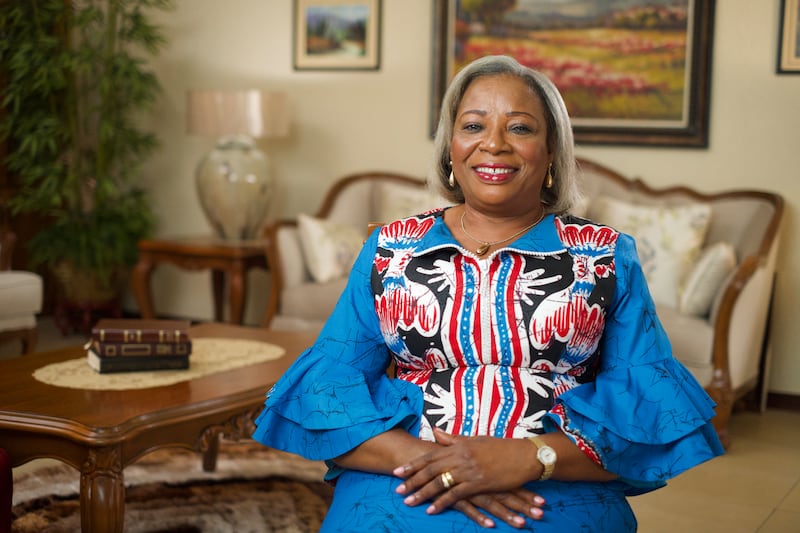
That day, police and soldiers wielding machine guns rushed into the Ghana Accra Mission home and ordered everyone to leave. Emelia Ahadjie, a mission secretary, courageously decided to stay.
“I stood bold, like Esther of old, and say, ‘If I perish, I perish’ (Esther 4:16),” she recounted. ”When they open the door, they were furious. ‘We told you guys to leave, and you are still here.’ I was afraid. How about if they shot me? How about if they beat me? I was looking straight into their eyes, tears running down my cheeks, but after saying the prayer silently in my heart, I was able to gather courage and told them, ‘I’m here because of you; if we all leave, who would you talk to?’”
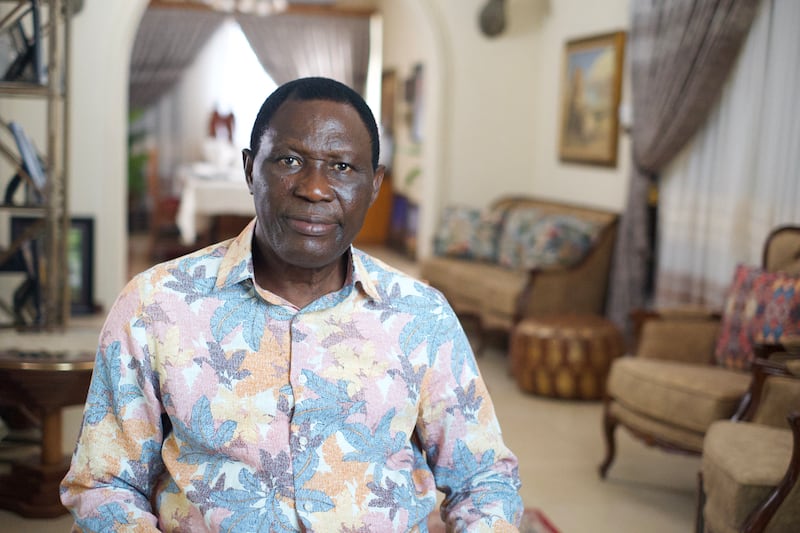
Her husband, President Richard Ahadjie, who served as president of the Koforidua Branch at the time, went to the mission home but was not allowed to enter. He saw Ghana Accra Mission President Gilbert Petramalo surrounded by soldiers. Richard Ahadjie attempted to return home but was detained, escorted to the police station and placed in a cell.
“They said they need to take my reports. ‘What really are you people doing in your church?’” said Ahadjie, who was released but instructed to return to the station each day while police investigated the Church. “I felt so bad that through the worship of our Lord and Savior, Jesus Christ, one would find himself in a police station in such a manner.”
Foreign missionaries were sent home, meetinghouses were locked, and Latter-day Saints were prohibited from assembling for worship. For the next year and a half, members were permitted to hold meetings only in their homes.
For the Saints in Ghana, this period became known as “The Freeze.”
Reflecting on the experience, Emmanuel A. Kissi, who served as acting president of the Ghana Accra Mission from 1989 to 1991, said, “Why shouldn’t we be free to serve our God?”
The Freeze is among several stories highlighting the importance and value of religious freedom in the “Voices for Faith” Church News documentary series on BYUtv. The first episode aired in April 2026.
‘Marching forward with faith’
The Freeze lasted from June 14, 1989, until Nov. 30, 1990. During that time, Richard and Emelia Ahadjie said, a member of their branch had a farm in the forest. They woke before 4 a.m. and walked miles to hold a small sacrament service in the forest each Sunday.
“By the time we get here, we are exhausted, but the sacrament has been prepared, and we see our brethren seated, the joy and happiness comes back, and we realize that, yes, we are doing what the Lord expects us to do as leaders of the Church and then also as Saints,” Richard Ahadjie said.
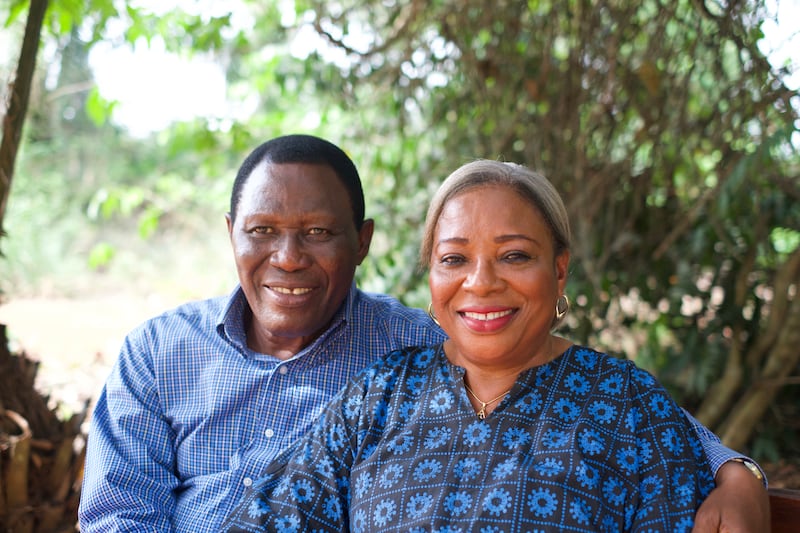
Added Emelia Ahadjie: “The Lord is mindful of His children, and so He provided a place for us to continue with our worship. We are marching forward with faith.”
At the same time, members prayed for the government to lift its restrictions so the Church could return to normal activity.
Emelia Ahadjie was permitted into the mission office because she was the only one remaining who understood how to use the telex machine, which was connected to a dedicated point-to-point telephone switch. It was capable of quickly printing text-based messages from Church headquarters in Salt Lake City or Europe Area headquarters in Germany.
She kept dialogue open among the government, local Church leaders and general Church leaders overseas, including the Europe Area president, Elder Richard P. Lindsay, and his counselors, Elder Alexander B. Morrison and Elder Robert E. Sackley, all General Authority Seventies.
Because of the time difference, Emelia Ahadjie said, she slept in the office — on desks. “It was very uncomfortable,” she said, but “the dialogue continued, and it went on and on and on.”
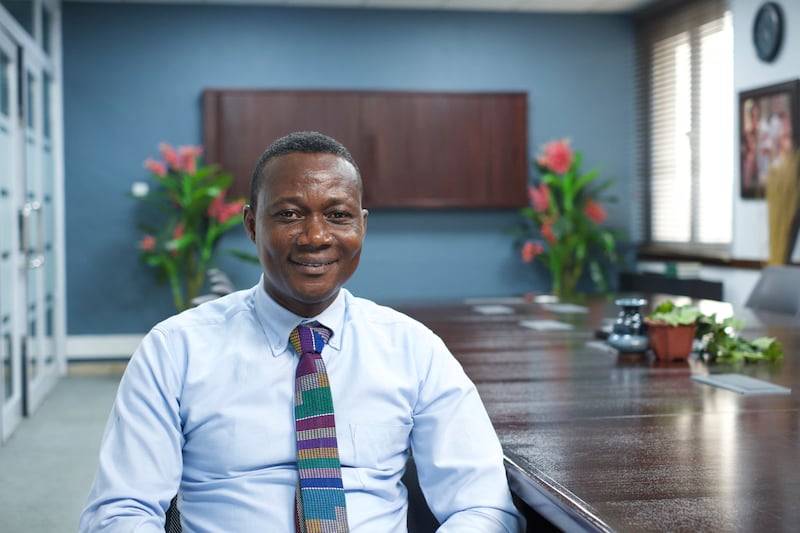
The government thought Church members might revolt, but they complied with the laws, said Prince Ankrah, a historian for the Church’s Africa West Area.
Eventually, the government recognized that it had been misinformed about the Church’s activities and operations.
“Somebody, out of haste, took a drastic decision, and all this came about. There was empirical evidence to the government that this is what they are saying, but this is what the Church is exactly doing. The government gave us a listening ear, and so we were able to satisfy all their questions in entirety,” Emelia Ahadjie said.
On Nov. 30, 1990, the government of Ghana announced The Freeze was over.
“The members were obedient,” Emelia Ahadjie said. “We waited on the Lord, and at the right time, He made all things beautiful.”
Members returned to church “with tears of joy, with gratitude for Heavenly Father listening to our prayers,” said Flint Mensah, a Latter-day Saint who experienced The Freeze.
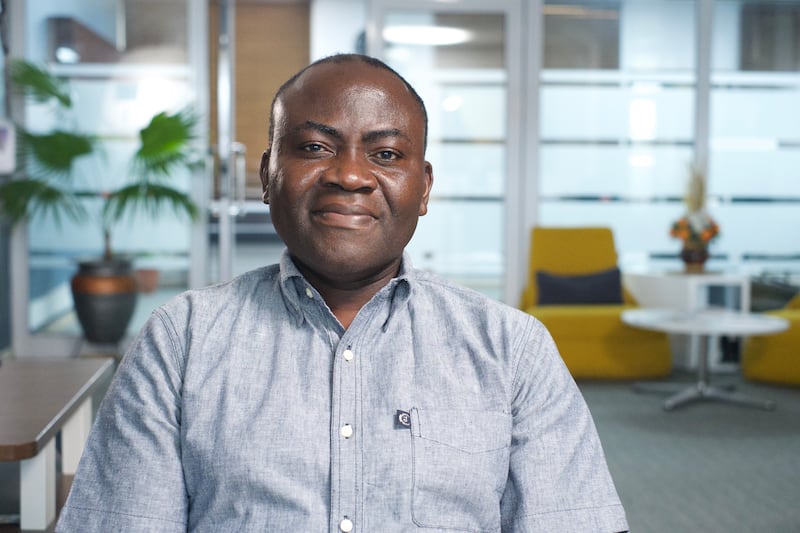
Members noted The Freeze unexpectedly served as a missionary tool. Many people became curious to learn more about the Church. Attendance at meetings was 120% of Church membership, Emelia Ahadjie said, and new congregations were organized.
The Freeze taught Ghanaian Latter-day Saints about the value of religious freedom and why it matters.
“Religious freedom is very, very important. It is necessary for every human being. It allows for us to be able to understand each other,” Ankrah said.
Mensah said religious freedom must be protected.
“I never had ever imagined taking away the privilege of worshipping the Almighty,” he said. “That experience taught me how important religious freedom is.”
Said Emelia Ahadjie: “If we are allowed religious freedom, we know our purpose as human beings on earth.”
Added Richard Ahadjie: “Our Heavenly Father wants us to be free in all things. We have to be conscious and be responsible because freedom of religion matters.”
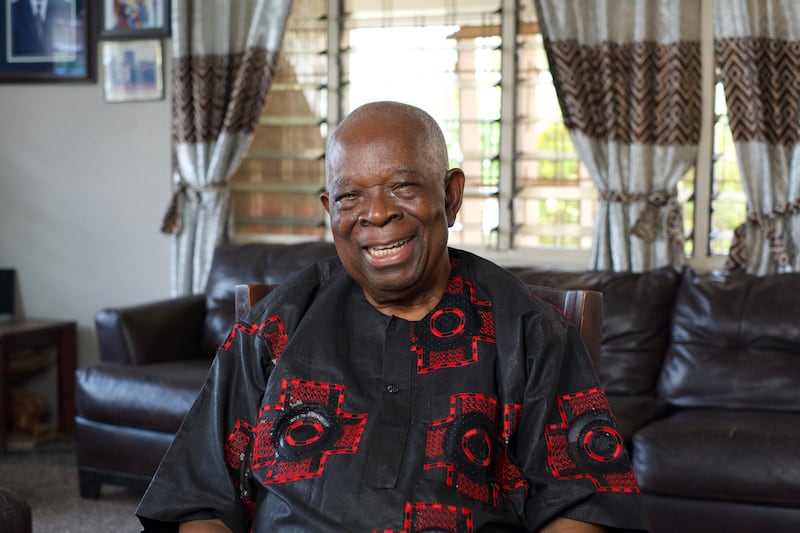
Thoughts on religious freedom
“Voices for Faith” Part 1 features some discussion with faith leaders and scholars on why religious freedom matters.
Elder Quentin L. Cook of the Church’s Quorum of the Twelve Apostles said religious freedom isn’t about power, it’s about faith.
“It’s about what you believe, allowing everybody to have that relationship with God and their faith that allows them to be who they think they ought to be,” he said.
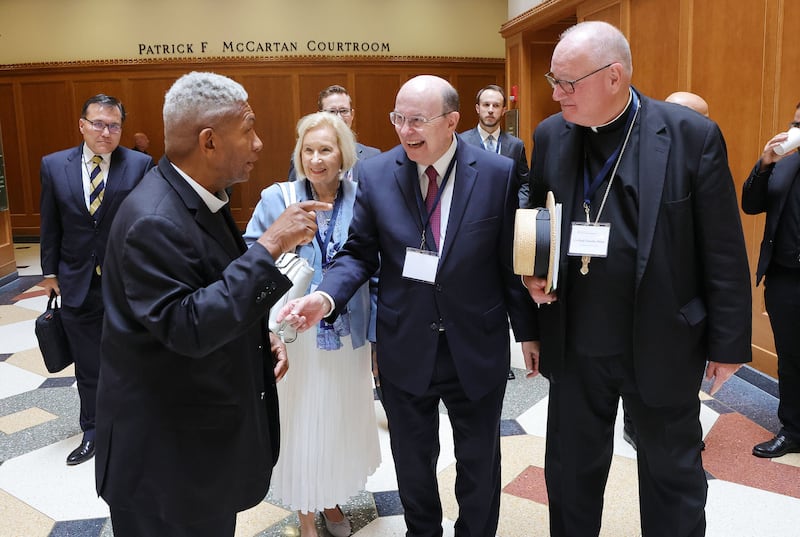
G. Marcus Cole, Joseph A. Matson dean and professor of law at the University of Notre Dame, said: “There is a misconception that religious freedom is about allowing people of faith to dominate other people or to create a legal structure that imposes their faith on other people. That conception of religious freedom has led to what we think of as the culture wars.”
Asma T. Uddin, author, lawyer and assistant professor of law at Michigan State University, said, “I think some of those complexities can be scary and intimidating for even the most devoted advocates of religious liberty, which is just what are the realities on the ground.”
Said the Rev. Amos C. Brown, pastor emeritus of Third Baptist Church of San Francisco, California: “Freedom is a human right, but also if that freedom is to have integrity, if it’s to have authenticity, there must be responsibility. You don’t have freedom and use the freedom irresponsibly.”
Standing up for others
Growing up in a “tumultuous” home, Rabbi Diana Gerson said she used to visit her local synagogue on a regular basis.
“The synagogue really became, for me, my safe place,” she said. “Sitting kind of under the Ner Tamid, that eternal light, having my own personal conversations with God. What an incredible gift that was. The door wasn’t locked, that a child at the age of 5, feeling a need to have a connection to something bigger and greater, to bring troubles or questions, was right there. It was so accessible.”
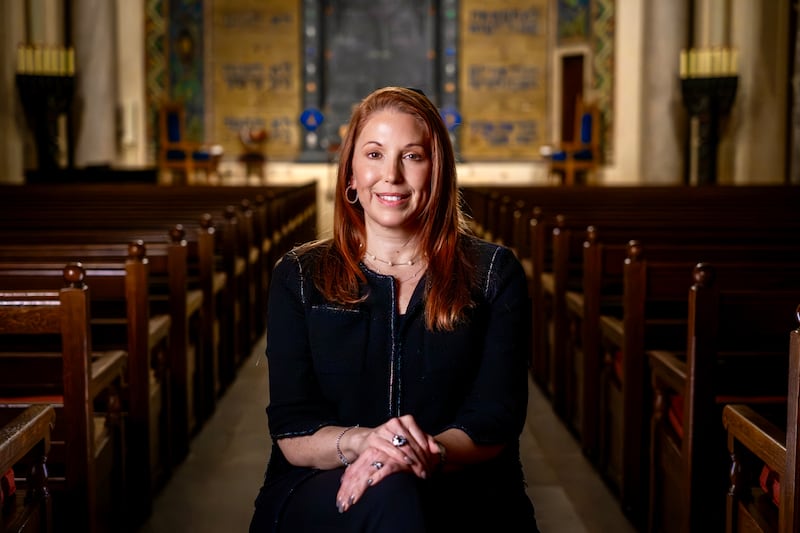
Religious freedom can always be taken too far, and that’s generally when it diminishes the voice or practice of somebody else, said Rabbi Gerson, who serves as an associate executive vice president with the New York Board of Rabbis.
“I think we run the risk when we wave the flag of religious freedom, we use it sometimes to discriminate against others,” she said. “Can a law legislate according to everyone’s faith and belief? I say no, because there’s going to be someone out there whose religious belief and practice is going to be infringed upon either way.”
Rabbi Gerson believes that when someone attempts to close another’s church, mosque or temple, individuals, groups and communities must stand up in response.

“We need to put ourselves out on the line for them,” she said. “Break bread with people. Go sit down at each other’s table. Don’t shrink. Don’t change who you are. Inside of every human being, there is a light of the divine. We are made, created B’Tzelem Elohim — in the divine image — that’s what Judaism teaches. Find your path, and there will be someone to walk with you."
‘One generation away’
Robert P. George was the first in his family to go to college.
Today he is the McCormick professor of jurisprudence and director of the James Madison Program in American Ideals and Institutions at Princeton University.

In his professional life, George has been “blessed and honored” with numerous opportunities for public service, including serving as chairman of the U.S. Commission on International Religious Freedom, where he advocated against the persecution of religious minorities.
While Americans are blessed with religious freedom, George noted, 75% of the population of the world lives under regimes that do not fully honor religious freedom, and some regimes “viciously” persecute religious minorities.
“It’s an inestimable blessing to live in the United States, where we can arrive at our own conclusions. The conclusions aren’t imposed on us by the government or some other power, and where we can live faithfully according to our beliefs, we can practice our religion, and that’s why we have to push back these assaults on religious freedom,” he said.

“It’s a cliche, but it’s a true cliche that we’re always just one generation away from the loss of liberty; it doesn’t become a machine that goes of itself. Each generation must protect and preserve it and hand it on to the next generation.”
2 previous ‘Living Record’ series
“Voices for Faith” is the third three-part series produced by “Living Record: A Church News Documentary Series” for BYUtv.
Toward the end of last year, the first series, “Harvest of Faith,” featured a look at the Church’s welfare farms, food processing and distribution facilities, and AgReserves, an investment auxiliary of the Church.
It was followed by another series, “People of Faith,” featuring the stories of Latter-day Saint pioneers in Brazil, Hawaii and the Philippines.
