



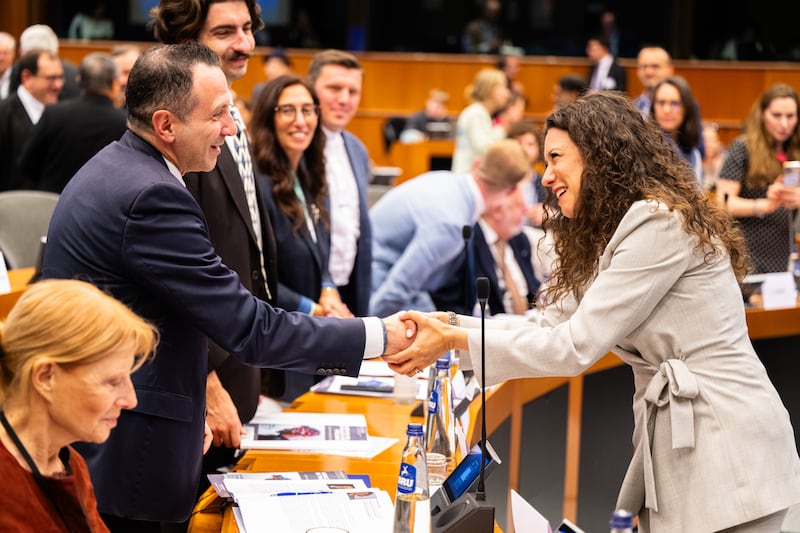

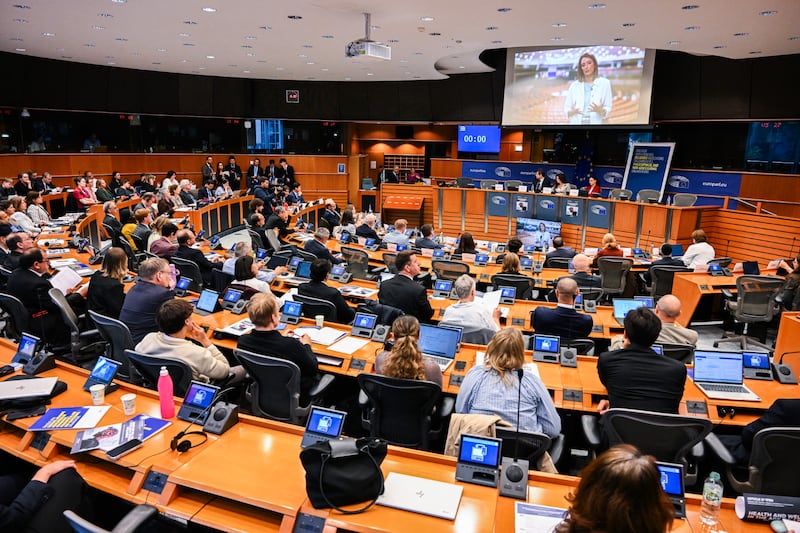
On June 9, the European Union and the International Affairs Office of The Church of Jesus Christ of Latter-day Saints participated in a seminar at the European Parliament in Brussels, Belgium.
Titled “Health and Well-being in the Age of Artificial Intelligence: Communities Tackling Isolation and Digital Risks,” the seminar brought together leaders of churches, religious associations, philosophical groups and non-confessional organizations to discuss the growing impact of artificial intelligence on human health, loneliness and social connection.
Francesco Di Lillo, director of EU and International Affairs for the Church, participated in a panel discussion highlighting the Church’s engagement in conversations surrounding AI.
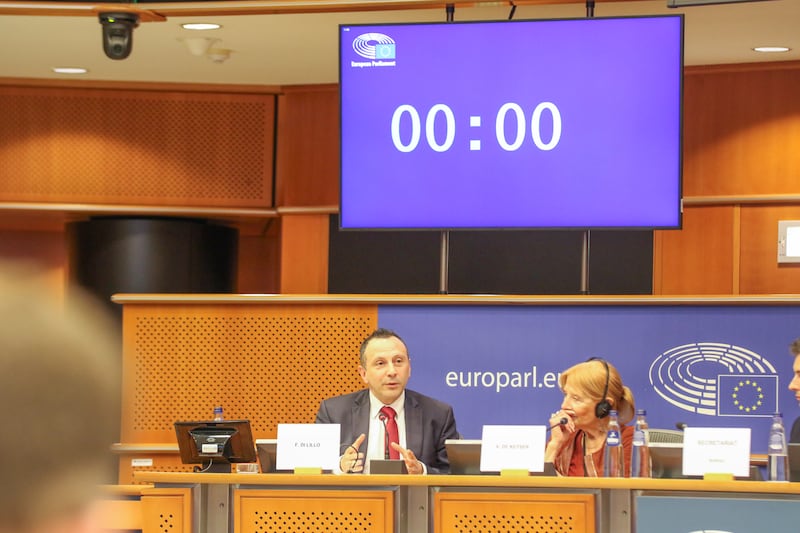
During his remarks, Di Lillo quoted Elder Gerrit W. Gong of the Quorum of the Twelve Apostles.
“You are not a random data point in an unfeeling algorithm,” said Elder Gong in a series of YouTube videos addressing AI. “You are a beloved child of God.”
Building on those principles, Di Lillo called for a more attentive implementation of the EU AI Act, which reflects the European Union’s human-centered approach to AI.
According to a news release on ChurchofJesusChrist.org, he suggested the act’s risk-based framework should be interpreted not only in terms of physical safety and technical performance — but also through its effects on human agency.
Di Lillo also shared perspectives from European young adult Latter-day Saints who attended the Nexus Conference in Brussels. He noted concerns that AI may improve systems while simultaneously weakening human relationships.
In his closing remarks, Di Lillo emphasized the need for both policy and moral leadership. He said the future of AI governance in Europe will depend not only on regulating risks but on ensuring that technological progress serves individuals and strengthens the social fabric of society.
At a parallel event in the European Parliament Liaison Office in Rome, Italy, Alessandro Dini Ciacci, director of communication for the Church in Italy, outlined three key areas of concern and opportunity regarding AI.
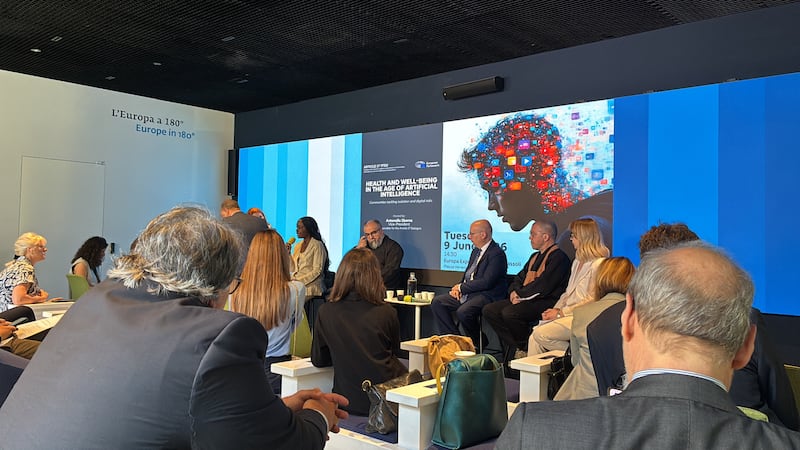
First, Dini Ciacci highlighted the importance of reliability in AI systems. He noted that users often view AI-generated outputs as trustworthy, despite the technology’s potential for inaccuracies.
Second, he stressed the need to cultivate critical thinking, warning that widespread access to information does not automatically lead to understanding. He said younger generations risk becoming highly informed at the expense of being less accustomed to evaluating the content they consume.
Dini Ciacci suggested involving youth in developing solutions that maximize AI’s potential. Doing so allows the youth to learn how to safeguard their information and strengthen critical thinking skills.
Third, he addressed the impact of AI and digital habits on human relationships. He warned that AI can increase isolation and emphasized the need for concrete efforts to foster in-person interactions.
According to the same news release, the seminar reflected the Church’s ongoing involvement in discussions about AI. As AI continues to raise opportunities and concerns, Church representatives continue to emphasize the importance of strengthening families and individuals in Brussels and around the world.
