CHICAGO, Illinois — At a time when many religions are facing declining attendance and aging membership rolls, new research shows there are actions that leaders and parents can take to help young people stay engaged.
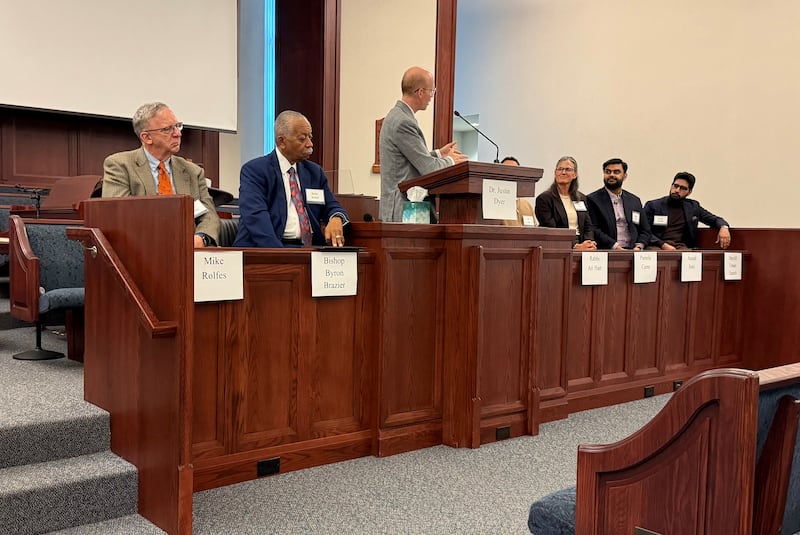
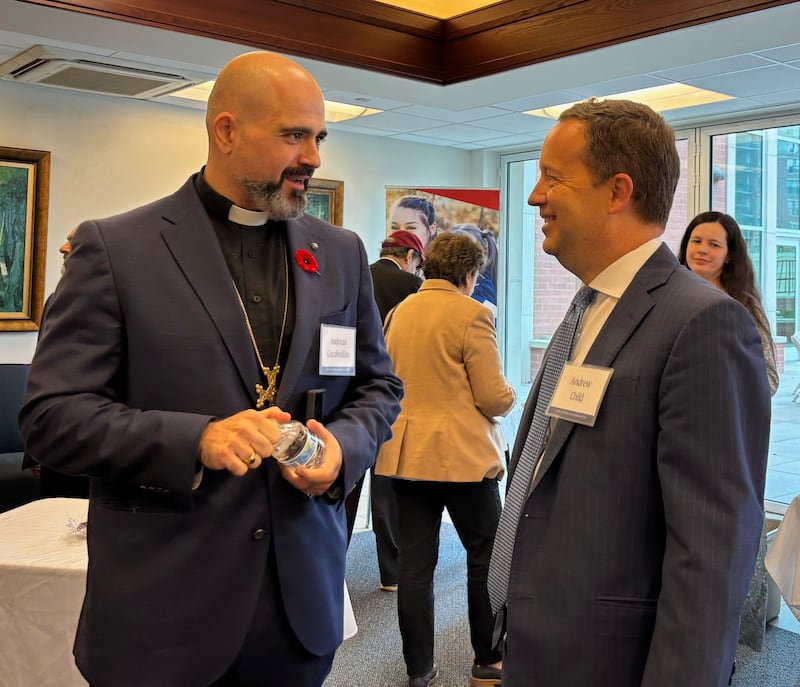
Dr. Justin Dyer, a Wheatley Institute fellow and religion professor at Brigham Young University, spoke Oct. 14 to a religiously diverse audience at a gathering hosted by the Chicago-area Communications Council of The Church of Jesus Christ of Latter-day Saints.
Dyer’s research includes a 10-year study tracking more than 3,000 young people with the goal to understand what makes them flourish in life.
The idea that religion does not benefit — and even harms — individuals or society persists, especially in the media, Dyer explained. But the very best research shows that, on average, religious people have greater happiness and stability, stronger parent-child relationships, less domestic violence, better health, lower suicide rates and other positive traits.
“You can just go down the list of any good outcome you want in life, and religion is on average related to better levels of it,” Dyer said.
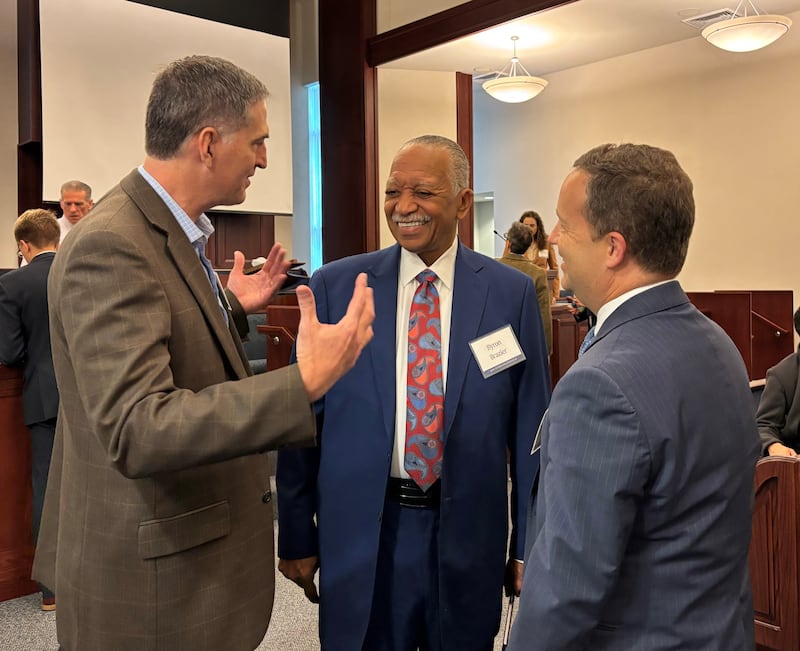
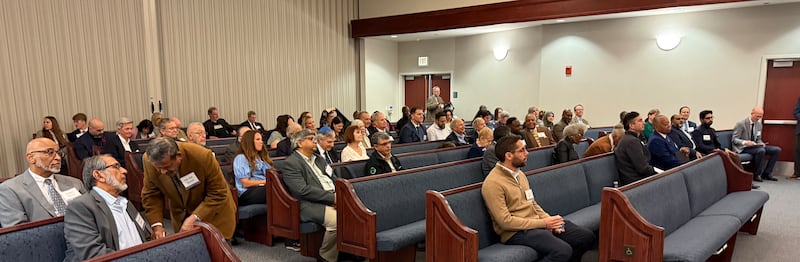
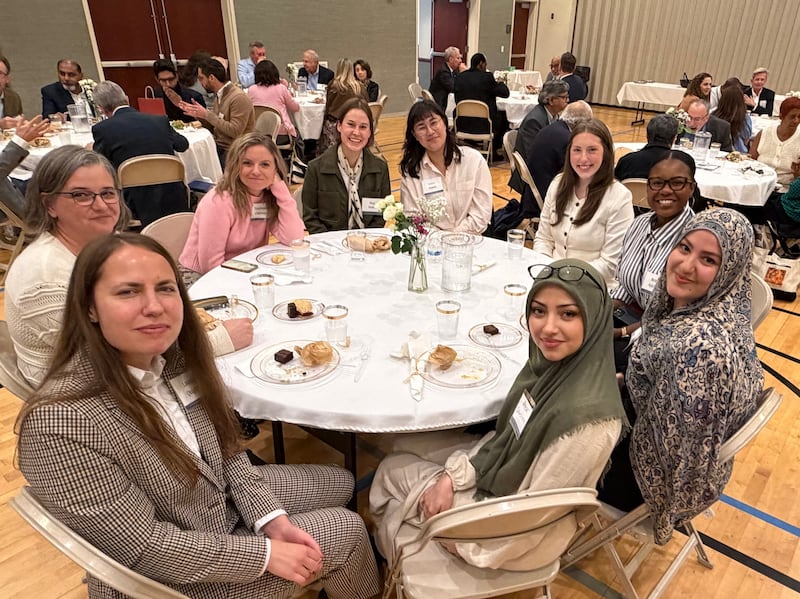
The 4th Annual Chicago Interfaith Symposium drew more than 100 people to the Church’s downtown chapel to explore the topic “Faith, Doubt and the Next Generation.” The daylong event featured a panel of top religious leaders in the area.
A second panel gave young adults themselves a voice as they shared what has worked for them to remain active in their various religious traditions.
“The panel of young adults was phenomenal in expressions of their faith,” Dyer said after the event. “We learned a great deal about what religious leaders can do to best connect with them today.”
Panelists pointed to possible reasons some young people choose to disaffiliate. Among the speakers was Ketan Vaghani who, guided by his Hindu faith, serves as a leader of BAPS Youth activities. He said some of his friends and associates have grown up amid deep traditions — things that have always been a certain way. It’s easy to get locked in without a real understanding of them, he said.
“For me and many people I work with, it’s really about understanding the values, and what is underneath some of those traditions, and helping everyone understand the ‘whys’ behind them,” Ketan said.
Connecting with young adults happens when you meet them where they are, said Olivia Ahlberg, a lifelong Catholic who completed a five-year mission with the Fellowship of Catholic University Students.
“And young people are on social media,” she said.
By meeting them “with truth and love,” eventually online encounters can lead to more meaningful interactions off the phone. Tech can be an entry point, Ahlberg said, starting with the digital and moving to the real.
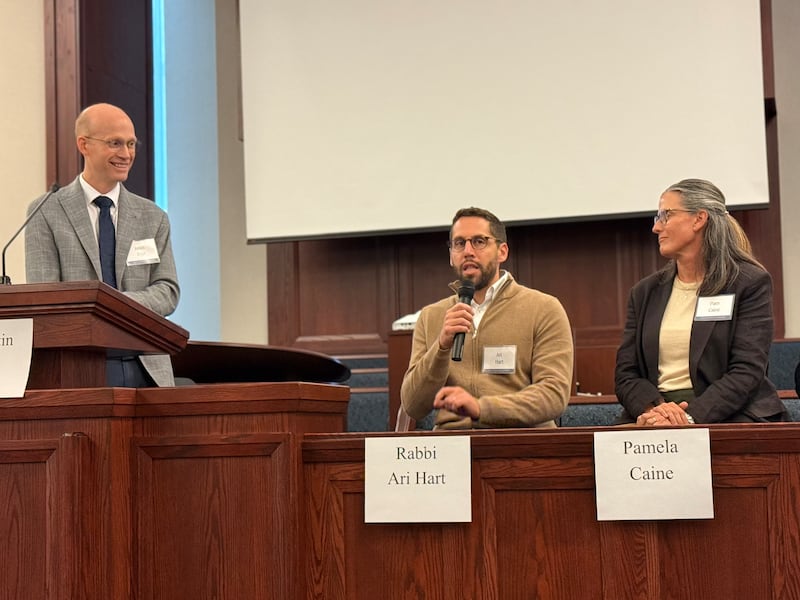
Rabbi Ari Hart, of Skokie Valley Agudath Jacob Synagogue, sat on the leader panel and said he has witnessed how providing service opportunities for young people reinforces their ties to religion.
“I’m a big believer in service, finding opportunities for young people to engage in service that attaches to some of their core beliefs,” Hart explained. “They might have heard in synagogue or church that we value kindness, we value whatever, but here’s how it manifests itself in the world.”
He told of an ongoing project in which two large refrigerators sit outside his synagogue filled with food that anyone in the community can take at any time.
“It’s meaningful for our children to go to the fridge with friends and stock it and clean it and take selfies by it,” Rabbi Hart said, adding that service with a purpose that’s visible is powerful.
In his ongoing study, Dyer suggests several actions can lead to a greater likelihood teens will remain engaged in religion into their 20s. According to his findings, parents and leaders can guide them to:
- Experience the divine in daily life.
- Learn their purpose, dignity and inherent worth.
- Ask hard questions by providing a safe space.
- Work with mentors who have been there.
“I think everyone came away with a greater desire to bless our young people and a greater understanding of how we can do that,” Dyer said.
Ahlberg said she has great hope for her generation.
“The world wants us to buy into this lie that religion is dying, but it is not dying,” she said. Ahlberg referenced an increase in numbers of Catholics since the pandemic and said: “Gen Z is leading these numbers. Gen Z wants religion.”
— Colleen Thomas is a media specialist for the Church’s communications council in Chicago, Illinois.