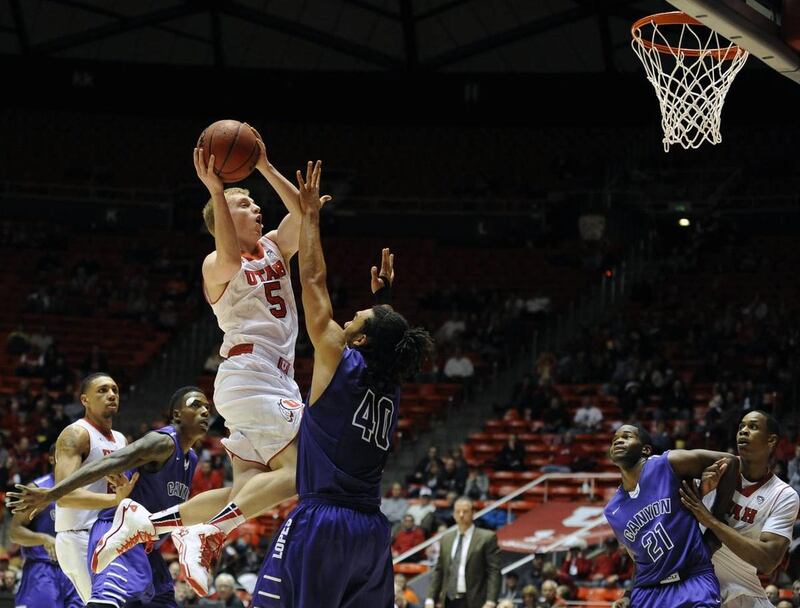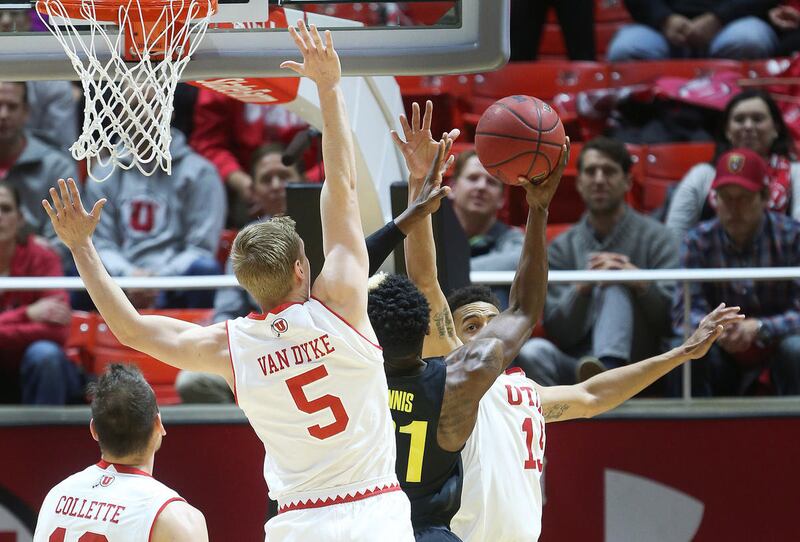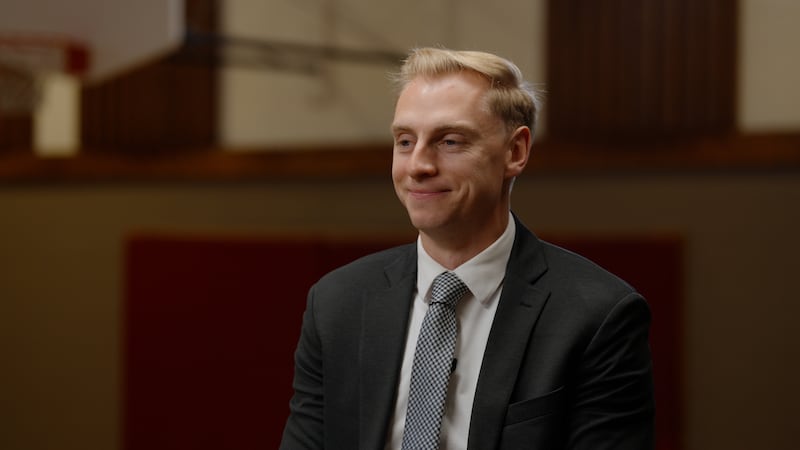

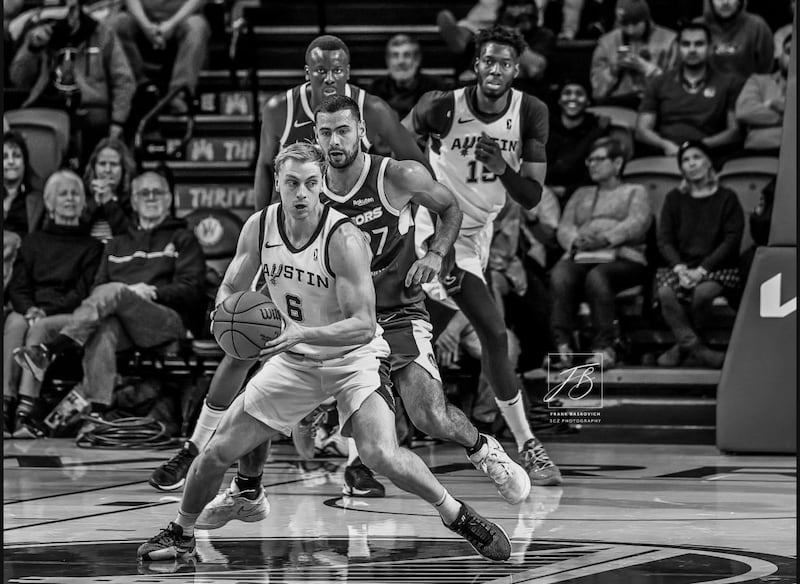
Although professional basketball player Parker Van Dyke has worn jerseys for the Salt Lake City Stars and Austin Spurs, he sees his first identity as a disciple of Jesus Christ.
Parker currently plays for the NBA G League and broadcasts high school games. He has also played professionally in Europe, after starting for the University of Utah Utes and serving a full-time mission in the Alabama Birmingham Mission.
Through all this, Van Dyke’s advice to others is to be builders — both on a team and in The Church of Jesus Christ of Latter-day Saints.
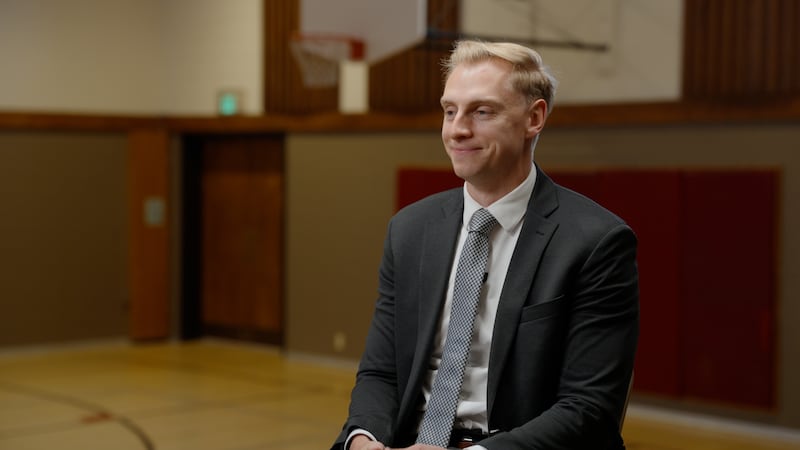
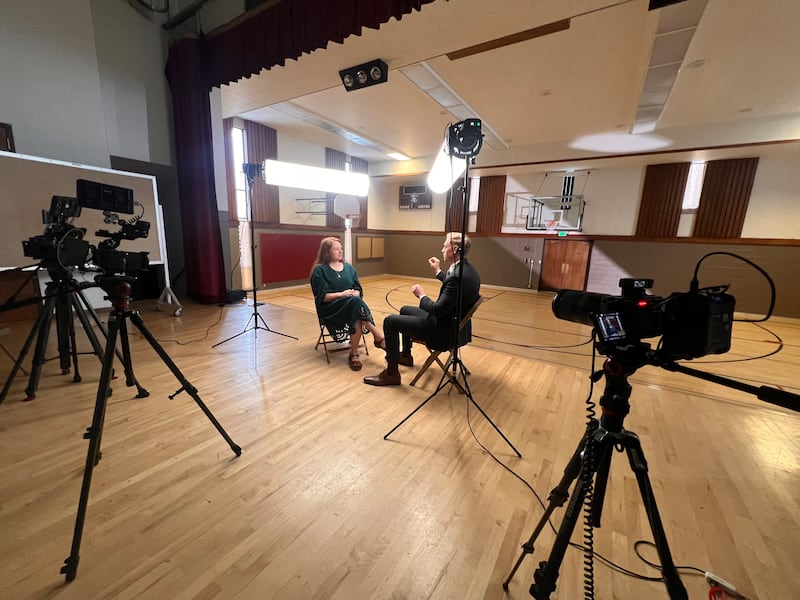
He joins Church News reporter Mary Richards in the church meetinghouse gym where he grew up playing in Salt Lake City.
Listen to this episode of the Church News podcast on Apple Podcasts, Amazon, Spotify, bookshelf PLUS, YouTube or wherever you get podcasts.
Transcript:
Parker Van Dyke: Your identity as an athlete should be like fifth or sixth on your list. And so my advice to a lot of athletes is: Yeah, don’t lose sight of your true identity. And so, like President Russell M. Nelson brought up, disciple of Christ, child of God, child of the covenant. Those will lead and guide you to a fulfilled life, and it will enhance your life as an athlete. And so that’s one of my things that I’ve always strived to be, is I want to be a disciple of Jesus Christ first. If I strive to do that first, then the other things in my career will tend to fall in place.
0:35
Mary Richards: This is Mary Richards, reporter at the Church News. Welcome to the Church News podcast. Today, we are taking you on a journey of connection as we discuss news and events of The Church of Jesus Christ of Latter-day Saints.
Parker Van Dyke is a collegiate and professional basketball player, a broadcaster and a member of The Church of Jesus Christ of Latter-day Saints. He grew up in Salt Lake City, and his career has taken him around the country and around the world. He joins me now on this episode of the Church News podcast to discuss his life and his faith.
Welcome, Parker, to the Church News podcast.
Parker Van Dyke: Thank you for having me on. It’s an honor to be here, an honor to be on the Church News podcast.
1:21
Mary Richards: So, we’re recording in a very familiar place to you. This is the gym, can I say, where it all began, really?
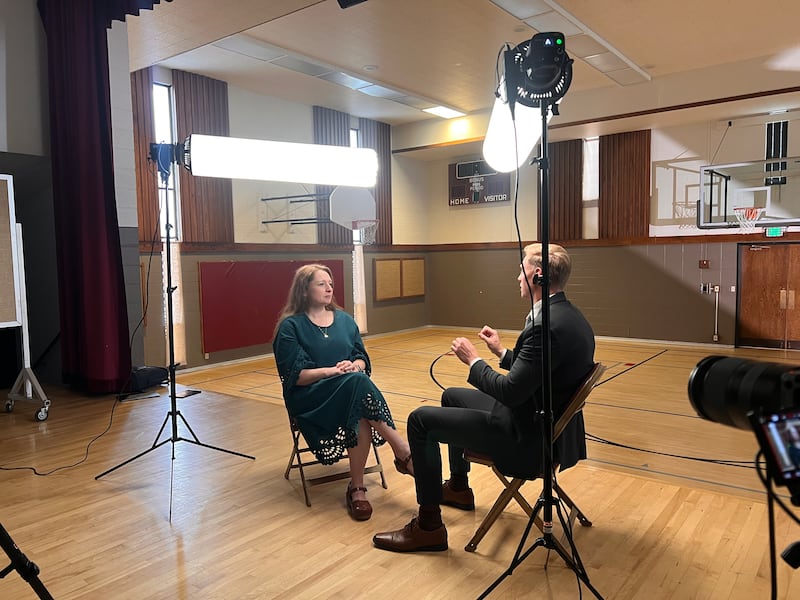
Parker Van Dyke: Yeah, this is my home ward building and the court where pretty much my whole basketball journey began. I spent so much time in this gym working on my game, and I don’t think anyone has taken more shots in this gym than me. And so it’s a humble gym, but it’s beautiful to me because, yeah, this is where I grew up coming and working on my skills. And it’s also a place where I grew up coming to church and rubbed shoulders with my neighborhood and my community and really was the foundation of my basketball, but the foundation of my testimony, as well, was in this building.
2:04
Mary Richards: I’ve met some of the members of your ward, and they all told me, “He is such a nice guy. I’m so excited you’re talking to him.” You have fans, not just of your basketball career but of you as a person, of your life. And that was really sweet to hear.
Parker Van Dyke: I’m glad you were able to meet some of them. I’m so grateful, as I look back on the people I was able to grow up around, the people I was able to rub shoulders with, is the best that the world has to offer, honestly. And they’re a big part of what I was able to accomplish in my basketball career and who I am today. And so I’m so grateful for all the leaders I had and all the people I grew up in this neighborhood with. And they’re a big part of my journey.
I like to call this church, this gym, this is one of my Waters of Mormon places, a place where it’s beautiful to me because it’s a place where I was able to come to the knowledge of my Redeemer. And so it’s special to be in here and do this interview.
3:00
Mary Richards: You’ve got two brothers and family that supported you all the time. They would drive you here to play basketball.
Parker Van Dyke: Of course, yeah. Yeah, as I was driving up here and as I’m in here now, I’m reminded of all these memories of me and my brothers getting in the car with my dad on January days like today, and we’d come to the gym and play. And some of the best moments of my life. And it wasn’t anything — it’s not like we were doing this, “Oh, we’re doing this to be great basketball players. We do this to be professionals one day.” We’re just doing it because we love doing it.
And so, my family is also such a huge part of my journey. My parents were so supportive and laid the ground for me to be great. And then my brothers as well. My older brother, especially, he was the one that had the initial drive that I kind of followed. And it all started in this gym.
3:50
Mary Richards: That’s so amazing. We’re not far from the University of Utah. You grew up watching them and that basketball program, and then you joined it. What was it like to start for the Utes? You were a childhood fan, and then you started for them.
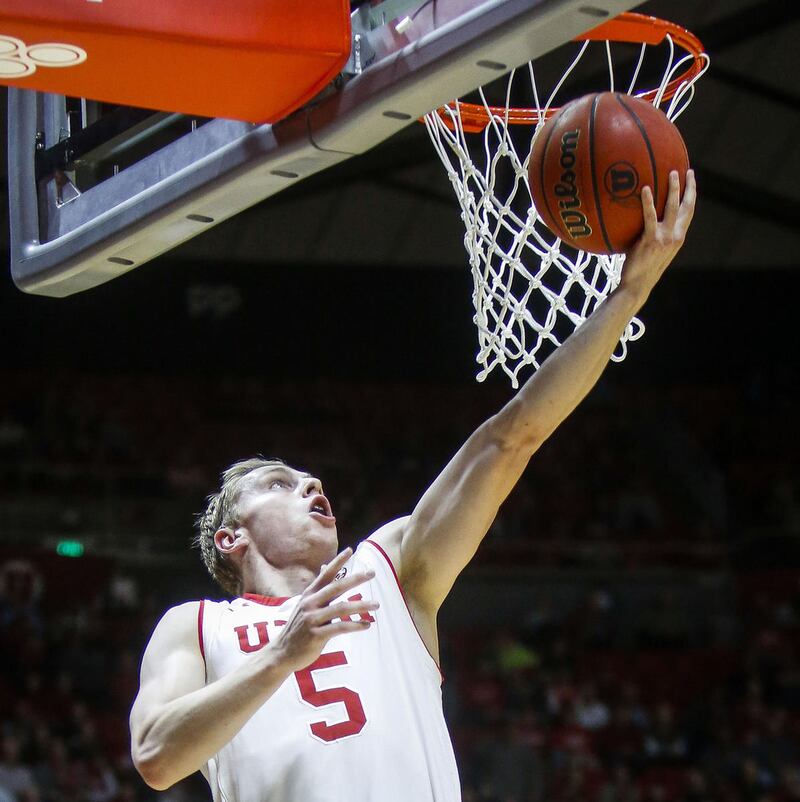
Parker Van Dyke: A dream come true, honestly. Growing up, going to the Huntsman Center — and again, it was such a big component of my family. And so, going with my grandparents and going with my aunts and uncles and cousins and all of that stuff, it was something that was a part of our family. It was something that we did.
And as a kid, you always envision yourself on the court. And I never really thought it would be a reality. But then once it was, it was, yeah, a dream coming true. I remember, I have memories of my first time running out of the locker room and hearing the Utah fight song and playing on the court. To be the local kid and to wear “Utah” across my chest was something that was, yeah, a dream come true in every sense of the word and something I’m still so grateful for.
4:47
Mary Richards: And we would watch you play. I went to BYU, but my husband went to the University of Utah. And so we’ve had basketball season tickets and gone to the Huntsman Center. And it was always so cool to see you, knowing, “He’s from Salt Lake City. He’s right — he grew up in these neighborhoods.” And we were at a game where you had seven three-pointers. That was so exciting.
What kind of memories do you have of playing? Is that one of your key memories?
5:08
Parker Van Dyke: That’s a key memory for sure. That was against University of Arizona, who’s obviously one of the top programs in the country, and a huge win for my team that year. It was the only time I actually beat Arizona, so that was a special, special moment.
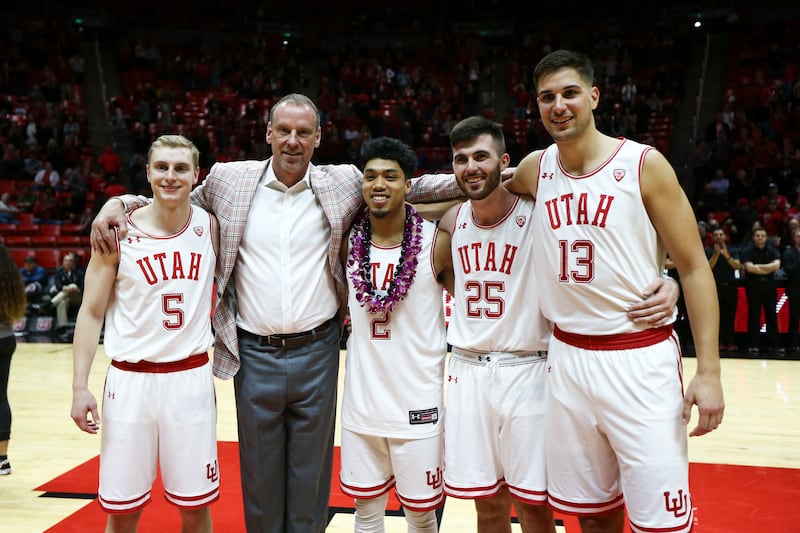
And there are so many. I can go through so many games. I will say one very special moment in the Huntsman Center that stands out is actually my last game there. Like you’ve mentioned, being the local kid and being so close to the university my whole life, my senior night, I pretty much had my whole family, extended family, friends from high school and all of that, pretty much everyone in the Huntsman Center for my final game there.
And so, those are some of my cherished memories. After the game, we beat UCLA, and then we’re all on the court afterwards taking pictures and kind of soaking it all in. And it was one of those moments that once again confirmed to me that that was the place for me. That was the place for me to go and play. Man, it’s blessed my life in so many ways, even beyond basketball.
6:09
Mary Richards: And you had a time where you went on a full-time mission. So you were playing, and then you served, and then you came back.
Talk a little bit about your mission.
Parker Van Dyke: I loved my mission so much. I served in the Alabama Birmingham Mission. And for me, it only helped me in my basketball career. As I played my freshman year, like you mentioned, I left for two years. And on those two years, I really developed in every aspect of life, physically, spiritually, all of that. So I came back a much better leader. I came back much more confident, much more secure, a much greater perspective on life.
And ultimately, as I look back on my mission, there’s so many lessons that I gained and so many special experiences. And Alabama is so special to me, similar to this gym. There’s places there where that’s where I truly learned the gospel and grew a relationship with my Savior. And as I look back, I’m so grateful for the people. I think as more time goes on, that’s what I’m most grateful for, is the relations I’ve created on my mission, whether that was my companions, the other missionaries I served with, my mission president and his wife, the members, the people I was able to teach. Some of my closest and best relationships are from those moments.
And so, if there’s anyone watching this who is deciding whether to go as they’re an athlete, it’s such a beautiful thing. And to me, it only enhanced my athletic career because it made me such a better person, and it gave me the tools, from a gospel standpoint, to be a very successful athlete.
7:40
Mary Richards: Yes. It changed your life in so many ways. I think about how my son — who just returned — before he left, his grandparents told him: “Of course you’re going to try to spread the gospel, introduce others to the Church, but you’re also going for yourself. The only person, if you only convert one person on your mission, let it be you.” And he came back saying, “That was absolutely true. I’ve grown so much as a person.”
And my boys are athletes too. And it’s never been a question for them. But I love how you pointed out that for some, it could be a question. And they’re trying to think as they balance and look at their future. But our prophets and apostles have taught that serving a mission is so key. So I’m glad you had that experience.
And there were church gyms in Alabama, where you could do a little basketball.
8:22
Parker Van Dyke: Of course, which is great. It’s great to go stateside because there was an opportunity for me. I was able to play quite a bit of basketball and use basketball as a way to connect with people. I love in Matthew 5, we read, “Let your light so shine” that other men will — you’ll be able to glorify God through your works and through your talents.
And so I was able to use that as a tool to help the community come into the Church. You know, “Let’s learn the gospel, Let’s —” because there’s so many people out there. We take for granted our great community and culture, I think, we have in Utah. And a lot of it’s because of the gospel and the Church. And there’s people out in the world who are longing for something like that. And so to use basketball as a tool to help bring that to people was very special.
And another thing I think about as my mission, as I look back, we always talk about it as a sacrifice, like, “It’s this big sacrifice. I’m leaving things for two years.” As time goes on, you realize it’s an investment. “I’m investing two years of my life” because investment is I’m gaining way more than I’m giving up. And so that’s how I view it. I’ve gained so much from my mission. And so it’s been one of the best investments I have ever made.
9:26
Mary Richards: That makes me think about covenants in a different way. I love that, because I think about we covenant to sacrifice. But in this way, it’s this blessing where you’re getting those blessings back from Heavenly Father and Jesus Christ in those covenants you’ve made with Them.
I keep thinking, too, of the phrase from “The Family Proclamation,” “wholesome recreational activities.” Of course, that’s part of what we want our families to be, but that can be a part of a community focus as well.
I think my son played a lot of soccer in Bolivia and other sports where you’re meeting people, you’re talking to people.
9:57
Parker Van Dyke: Yeah, I think sports are one of the best, probably the best, worldly platform to learn the gospel of Jesus Christ. I really think so. You think of discipline and teamwork, and it’s kindness and compassion, things like that, working with your teammates, working out differences, things like that, trying to become unified through our differences. To me, that’s the gospel.
As I think about memories back on this court, I was kind of learning those attributes without even knowing that I was. And so I’m grateful for that aspect of sports that can bring people together and use it as a way to apply in a gospel-centered life.
10:39
Mary Richards: Yeah. I love that. I can imagine you and your dad or your brothers on this court, and he’s not saying, “Pause, we’re going to stop a moment and talk about this lesson.” It’s part of that, as you’re working together and playing and learning and practicing and building on your skills and everything.
I think too about spiritual self-reliance and building that. I love how you connected that with sports. That’s really cool.
11:03
Parker Van Dyke: Yeah, I think the older you get, you realize it’s all connected. It really is. And so, I think about on my mission or at times in this building, as I was working on my game in this gym, and then on Sundays I was going to Young Men’s and I was going to sacrament meeting and I was serving, things like that, they were all kind of interconnected.
And that’s just a beautiful thing that I’ve been able to realize through a talent that I’ve been blessed with. And, yeah, I’m forever grateful for that connection. I was forever grateful to be able to utilize that to help people come unto Christ while I was a missionary, too.
11:40
Mary Richards: I want to talk about after college, you then really had the opportunity to play around the U.S., but around the world, too. Talk about some of your years playing in Mexico and Europe and all of those things.
Parker Van Dyke: Yeah, when I finished my career at the University of Utah, I wanted to continue to play. And the beautiful thing about basketball is there’s plenty of opportunities. Even if you don’t make the NBA, there’s basketball leagues all over the world.
Got a great opportunity to play in Mexico, which was a great experience. It was cut short, unfortunately. COVID hit, which delayed some things in my life. And I learned a lot during that time because doors weren’t necessarily opening that I wanted to open and I felt like I deserved. But through continued patience and continued working, doors began to open.
So I was able to go to Europe. I started in Estonia, which was another rough experience because it was the middle of COVID. But then once again, that opened another door to go to Germany, and I was there for two years, which was an amazing experience. And then Spain after that.

And so, I look back at my time in Europe and, again, it’s these moments I’m so grateful for. They weren’t easy, but through faith and through persistence and kind of relying on God’s timing, there were opportunities that presented themselves. And sometimes that’s — there’s sometimes times when you are waiting for that door to open and you want to give up. But right before you’re about to give up, if you just keep going a little bit longer, something will open. And I learned a lot during that process.
13:09
Mary Richards: Faith and trust and perseverance. Yes, absolutely. And you probably met a lot of really amazing people too.
Parker Van Dyke: I did. Great, great people, people I still am connected with. And again, as time goes on, it’s the relationships I’m most grateful for. I remember great games and great moments, but it’s the teammates that you have, it’s the coaches you have.
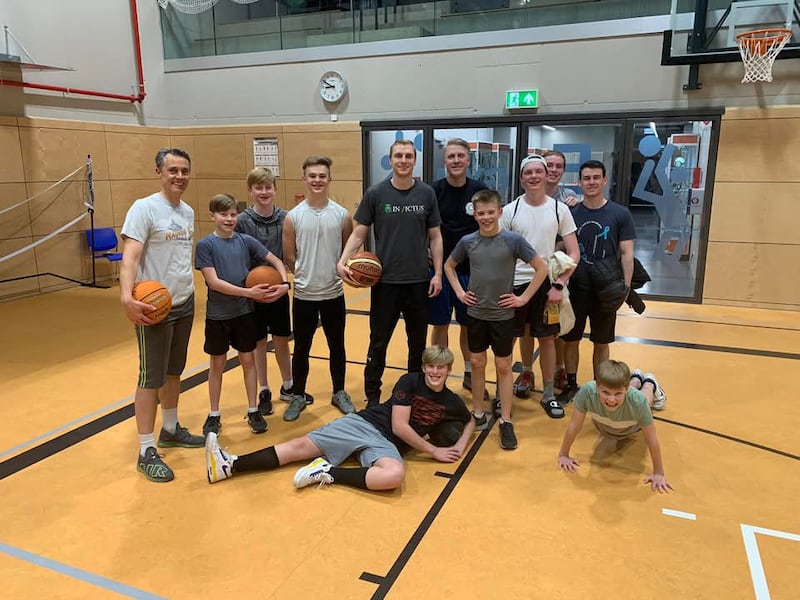
The beautiful thing we take for granted, again, here in Utah is the organization of the Church, where I can go anywhere in the world, any of us, and there’s a church there, there’s a community there. And so, members of the Church that I met over there, these are people I’m still connected with, and they’ve just enhanced my life in so many ways.
And I’m so grateful, so grateful for that. It makes you want to keep doing things because you continue to build those relationships that help your life and help your faith.
13:58
Mary Richards: Yes. I love how you talk about meeting people all over the world. I’ve had the opportunity to travel on assignment for the Church News, and I love going into a building, seeing a picture of Christ that I recognize, opening the hymnbook and being like, “I know this hymn. These words are different, but I know this hymn,” and realizing we’re all in this.
It’s that unity, I guess, that you were talking about too.
14:19
Parker Van Dyke: Yeah, you can be in such a foreign place, so far from home, yet there is a place, yeah, you can be unified in there. And there’s always a place where you can go and feel familiar. And that was very important, especially when you are living abroad and alone, you can rely on that.
And I also think I’m grateful for those moments in my life as well, because it allowed me a chance to really rely on Heavenly Father as well and rely on these things that we talk about so often — relying on prayer, relying on gospel study, relying on church attendance, things like that — because those are things that really help you during those hard times, but they also enhance the good times as well. Those aren’t things we should do when life is bad. We should always — it’s a continual process.
And those experiences overseas kind of just reinstituted and reiterated all of the things that I learned on my mission and all the things I learned in this building growing up.

15:17
Mary Richards: Yeah. It’s who you’re becoming. You’re not siloed, like, “And then I sometimes do this and sometimes —” it’s who I am, and that sort of thing.
And now when you’re here back and not traveling and here in Salt Lake, you go to a YSA ward.
And what’s that like to meet and worship with those of your same age and situation?
15:35
Parker Van Dyke: It’s a great experience, and it’s inspiring, honestly, because you go to these wards, and you’re around people around your same age who are in the same phases of your life. We’re all just kind of trying to figure it out, that next step. We’re leaving school or we’re entering adulthood, and everyone’s just trying to kind of figure it out.
But it’s inspiring because everyone, even though things haven’t happened maybe that they have hoped for or they’ve wanted for — whether that’s professionally or relationshipwise — yet they’re still coming. They’re still pushing forward, and they’re still putting their faith in Christ. They still have hope for those better days to come. And so you can kind of lean on one another during this weird transitional phases of life.
And so that’s what I would think and say: I get inspired when I’m around my peers, because even though there might not be ideal situations, we’re going to keep coming, we’re going to keep serving, and we’re going to keep relying on God.

16:32
Mary Richards: You’re making me think of some previous podcast interviews we’ve been able to do. For example, with President D. Todd Christofferson. He talked to us about the strength of this generation, these young adults who are just so good. They’re trying their best, and they’ve got such strong testimonies. They’re filling institute buildings. They’re serving in callings. They’re going to these YSA conferences. Or maybe they’re in their family wards, and those kinds of things, I think, it’s just so impressive.
Now, as I move into a stage of my life where I’m parenting young single adults, I want to think: How can I encourage them, uplift them and keep them on this path?
17:12
Parker Van Dyke: Yeah. Well, I hope to be a part of that. President D. Todd Christofferson is probably my favorite. I love hearing him and love hearing his conference talks. I’m so grateful for the way I was brought up. And I think maybe some advice from a nonparent to a parent here, continuing allowing your kids and allowing those growing up the opportunities to be around gospel-centered things.
So, I used to think on my mission, there were times on my mission where I was like, “OK, I now understand why my parents taught me that.” In the moment, I didn’t quite understand it. But once I — so what I guess I’m trying to explain is no effort is wasted in invitation or in teaching because eventually, I think, it’ll click. And so I’m just grateful for all the opportunities the Church has provided for people around my age or in my same phase of life to be involved and to be engaged.
I also think it’s important to be a producer, not always a consumer. Sometimes we think to ourselves, “What can the Church do for me? What can God do for me?” And it helps to be like, “Well,” to turn that around a little bit, it’s like, “Well, what can I do for the Church? What can I do for God? How can I be a producer?” rather than just always thinking like, “OK, what can be done for me?” I think that changes your perspective on why it’s important to be engaged.
18:34
Mary Richards: Be a part of building the kingdom, really. Yes. I love that. I love that thought.
This idea of collegiate athletes today who are members of the Church, or who aren’t, this kind of idea maybe can translate to them too: “What are you doing to be a producer, to build the kingdom?”
But you’re not that far removed from college, but there’s a lot of differences now.
18:57
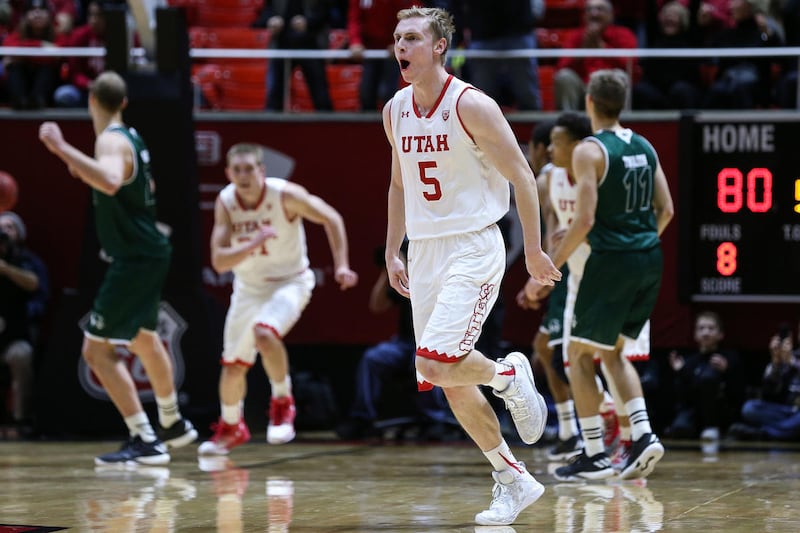
Parker Van Dyke: There’s a ton of differences. It seems to be a completely different world that I even played in. And a lot of it’s because of the NIL and the, I guess, the relevance and the prevalence of the transfer portal. So this idea of someone going to one school and being there for multiple years, it almost is nonexistent, which saddens me because that was something that was beautiful for me, was that I wanted to be a Ute, I wanted to play at the University of Utah, and so there was no going anywhere else, because having success there meant a lot to me. Now there’s other things.
And I do think it’s actually a great blessing that these athletes are able to gain through the financial support and through the NIL opportunities. I guess my advice to that is make sure money isn’t the only reason why you go somewhere. Try to look at the things beyond basketball. How are you going to fit in there? How are you going to fit in with the community, with the coach, things like that?
And so I think, just like in life in general, money can be a great thing and a thing that can enhance your life, but it just can’t be the utmost priority. Because no money or not, the same things to be successful need to be applied — great work ethic, great energy, great attitude, great skills, things like that, being coachable. Those things will never be replaced. Even though the game has changed, the way to be successful is still the same.
20:22
Mary Richards: They might want to be careful of the voices they’re listening to, then. Maybe somebody’s telling them, “Oh, because of XYZ, oh, let’s get you over here or over there.” But what is it in the end, like you said, “Are you coachable? Do you have those skills? Are you doing these things for the right reasons and really looking at all of that?”
20:40
Parker Van Dyke: I think value of a place to go to play in school can be quantified in other ways other than money. So if you’re in a place that you are valued, that you’re developing, that you’re playing well, that your team’s really good, It may be worth taking a little less money to stay there than risking going somewhere else for more money but that may not be the same situation.
Those are tough decisions to have, because as I look back at my recruiting process, I didn’t have a wrong decision in front of me. And I think these kids as well, I don’t think they have wrong decisions. I think it’s good, better, best. And that’s where I think, as Latter-day Saints, we can really rely on the gifts that we’ve been given, the gift of the Holy Ghost and reliance on prayer and God to make those decisions. And that’s something that would be my advice to those who are in similar positions as me or trying to make decisions between multiple good options and which one’s the best.
21:37
Mary Richards: It’s making me think, too, maybe a discussion about identity and remembering who you really are. And I think about President Russell M. Nelson teaching so beautifully about your first identity is a child of God.
If you wrap it up too much, maybe, in your being an athlete, could that be detrimental in some ways?
21:55
Parker Van Dyke: Yeah, I love that. That’s one of the first things that came to my mind when we were preparing for this, is your identity as an athlete should be like fifth or sixth on your list. And so my advice to a lot of athletes is: Yeah, don’t lose sight of your true identity. And so, like President Russell M. Nelson brought up, disciple of Christ, child of God, child of the covenant. Those are things, if those are your top priorities, those will lead and guide you to a fulfilled life, and it will enhance your life as an athlete.
And so that’s one of my things that I’ve always strived to be, is I want to be a disciple of Jesus Christ first. If I strive to do that first, then the other things in my career will tend to fall in place. And so I think if that is your driving force as your identity, then that will really benefit you as an athlete.

22:48
Mary Richards: I love how we began, because at first I thought, “Let’s talk about this gym and all the memories you have here.” But you expanded that to the memories in this building and the way you grew in the gospel. And so I thought that is so beautiful.
And plus, not everybody is going to be an athlete forever. You’ll always be an athlete, but that will ebb and flow, or there’ll be some changes in what’s happening in your life. And so there’s different times when maybe a chapter will close and a new chapter will open.
You’re still playing, but you’re also going into a lot more broadcasting, which I think is pretty exciting. Do you want to tell me about some of the things that are happening there for you in broadcasting?
23:26
Parker Van Dyke: Yeah, I’m taking some time off, I guess, playing basketball full time, I guess, right now. And so I’ve teamed up with a good friend of mine, and we’ve started broadcasting — something I’ve always been interested in; I did a little bit in college. And so we’ve started going around some of the top high school games here in the state of Utah and just doing full-on broadcasts of the games. And it’s been a really fun experience and another way to be a part of the game, but just in a different platform.
I think even when I’m done playing, the game will always be part of my life, and I still think there’s so much more for me to give to the game and, in that, give to the players behind me and try to help them achieve their goals and their dreams. And so I’ve been able to notice that these last couple months that we’ve been broadcasting games, is shining a light on the current players in the state and their talents and their abilities, and then also trying to lend some advice of like, “Hey, these are things that I did when I was your age. This is how I achieve my goals. This is how you can do the same thing.”
So it’s been a great platform, again, to provide a service and also enjoy it. And it’s something I’ve really enjoyed.

24:29
Mary Richards: Yeah, some mentoring, some things like that, some coaching. And that’s how we connected for this podcast. I saw you at one of those broadcasts for one of my son’s games. And it really is, I guess going back to what we were talking about with sports, I think it’s such — it’s exciting. How could you not — I don’t know. There are many people who have other interests. But I was excited to meet you because sports to me are just — they’re just exciting, and they’re fun and this way to connect.
And I love what you said about now looking at the next generation of players and helping them, because you want them to grow up to be good people. You’ve talked about this; being a good person on the court and off the court.
25:08
Parker Van Dyke: And again, I look back to this time spent in this building. I was surrounded by so many great people that helped me get to where I am now, and they’re going to continue to help me to keep going. I can give that back. I can be like someone who was older than me back then to these other kids and, again, try to teach them the way — use basketball as a platform to be great on the court and to be great off the court. That’s where I love this connection. I love that we’re here, because it’s this connection between the court and the chapel. I’m utilizing both to be a great disciple of Jesus Christ.
And so, my message to these kids is don’t — they can be together. You don’t have to separate them. Make sure the Lord is a part of your journey. Bring Him along for the ride, I guess, because one, He’s going to help you more than you could do on your own, and He wants to be a part of it. He wants to be a part of it.
26:02
Mary Richards: Yeah, that is so beautiful. I wanted to ask you about having Him help you as you build your skills and talents. Because at first I thought, “Well, Parker Van Dyke, he’s amazing. He was born this way. He’s so talented. He was just born with a basketball, and he’s just doing great.” But you’ve had to work at it.
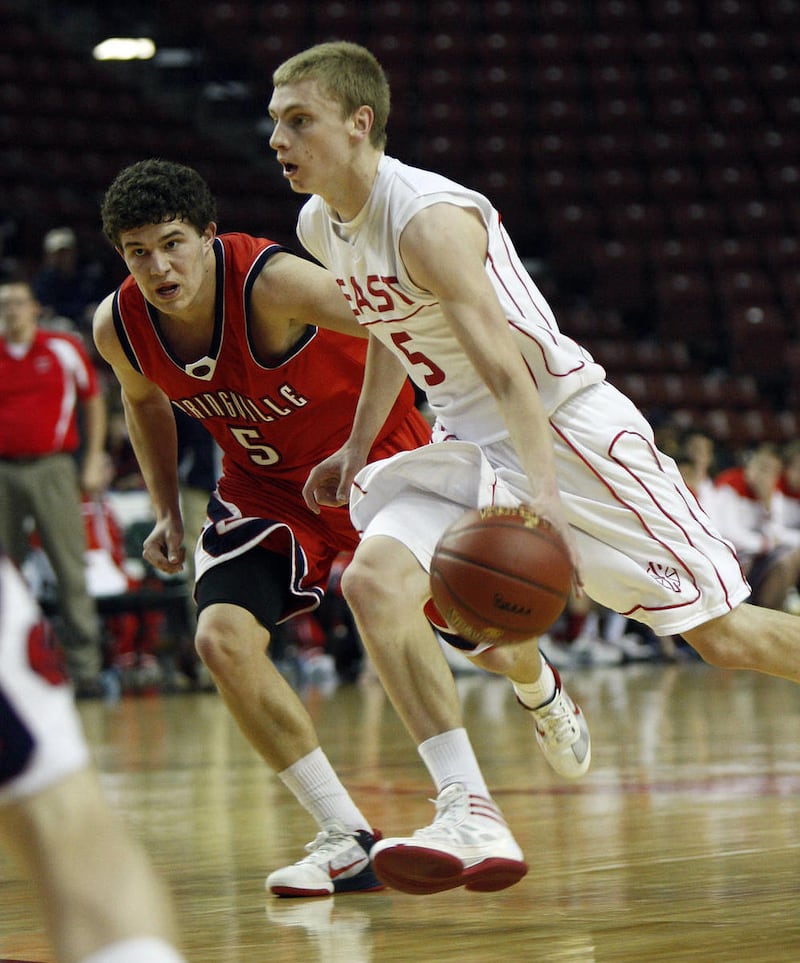
You see a gospel lesson there too, where many of us have gifts and talents of all kinds. And some come naturally, and some we have to constantly work at. You probably shot thousands, millions of shots in this gym, even though you’re naturally talented. It goes hand in hand, I guess, that building and working in addition to letting your talents be magnified.
26:37
Parker Van Dyke: Yeah. And I think it’s just multiplying your talents. We know the parable of the talents. And taking what God has blessed you with and utilizing them to enhance your own life and enhance the life of others. And then finding joy in the work as well. I could go out, after this interview, I could go out and go do a basketball workout right here for no reason but just to do it itself, just because I enjoy it.
And I think that’s the same thing, that can be the same thing, with the gospel. We talk about enduring to the end, but it can be enjoying to the end. I ultimately do these things. I go to church, and I try to live the gospel, ultimately because I do enjoy it, and I like it. And that can be the same thing with practice in basketball and in sports.
One of my favorite scriptures is John 10:10, because Christ says, “I came to give life, but to give life more abundantly.” And I really do think that is a main message of the gospel, is we don’t just do these things out of duty. It really does enhance our lives when we live this way.
27:43
Mary Richards: Yeah. That’s beautiful. It kind of really does lead to what I was hoping to ask for our last question on the Church News podcast. And we always ask — we give our guests the last word — and we ask them, “What do you know now?”
And so, along those same lines, Parker, what do you know now about building your skills and talents and building your faith with the Lord’s help?
28:05
Parker Van Dyke: I think it’s all connected, like we’ve talked about. I think President Russell M. Nelson says along the lines that a life with God is much better than a life without. And I truly believe that.
Throughout all my travels and where all I’ve been, I’ve witnessed that in other people’s lives who also are believers, how their life is enhanced. And I’ve witnessed it in my own. And I’m so grateful for my faith and how it’s propelled me throughout this journey. Because there’s things I was able to overcome that I needed the help for. And I’m grateful for that.
And I’m also grateful for this idea of being a builder. Another thing I love about basketball and sports is when you’re part of a team and you’re a leader, you’re trying to build your teammates. A great attribute of a great player is you make the teammates around you better.
And so my message to, I think, YSAs or anyone in the Church is: Let’s all be builders. Let’s stay and lift. Anyone, it’s easy to leave, or it’s easy to tear down, but let’s build and uplift and fight the urge to tear other people down, or fight the urge to leave. But let’s stay and lift. We need the Lord, we need the Church, but the Church and the Lord need us as well. And so let’s be builders.
29:25
Mary Richards: Thank you for listening to the Church News podcast. I’m Church News reporter Mary Richards. I hope you learned something today about The Church of Jesus Christ of Latter-day Saints and had your faith in the Savior increase by looking through the Church News window as a living record of the Restoration. Please subscribe, rate and review this podcast so it can be accessible to more people. And if you enjoyed the messages we shared today, please share the podcast with others. Thanks to our guests; to my producer, KellieAnn Halvorsen; and to others who make this podcast possible. Join us every week for a new episode. Find us on your favorite podcasting channels or with other news and updates about the Church on TheChurchNews.com or on the Church News app.