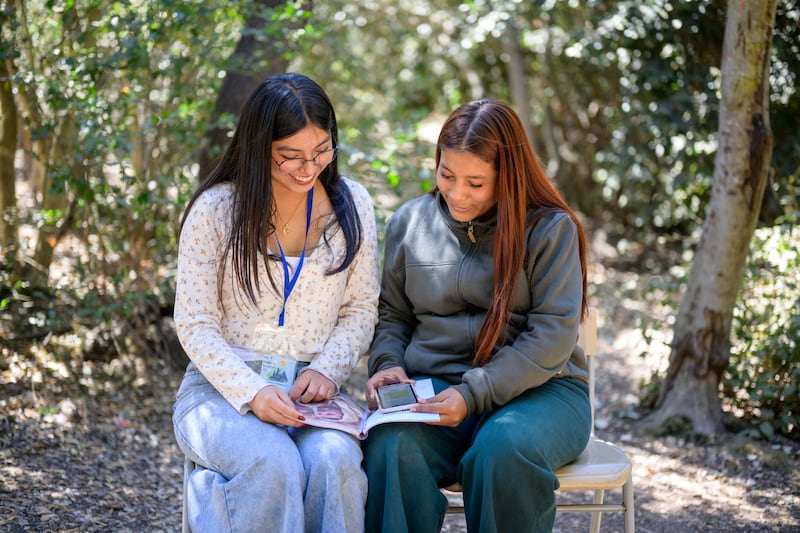

Beginning Sept. 6, youth classes in The Church of Jesus Christ of Latter-day Saints will look different — shorter meetings, a new discussion-based curriculum and a revised “For the Strength of Youth” guide.
In a recent Church News podcast interview, Young Women General President Emily Belle Freeman and Young Men General President Timothy L. Farnes discussed the new resources and how to navigate the transition.
President Freeman hopes these changes can “equip” and “empower” youth to live and share the gospel as they help prepare the world for Jesus Christ’s Second Coming.
“We have the greatest missionary force that has ever served in this dispensation serving right now,” she said. “This curriculum was partly designed to help them be able to live in the world that we live in but also teach this gospel and have strong testimonies as they talk about Jesus Christ.”

President Farnes said the resources have one purpose. “It’s not just learning, it’s about living and becoming lifelong disciples of Jesus Christ.”
Here are five ways youth, leaders and parents can prepare for the Sunday changes.
1. ‘A guide for strength’
President Freeman and President Farnes said the new youth curriculum is built on the 12 chapters of the FSY guide — doctrine and eternal truths — with an enhanced purpose and both strategies and counterstrategies needed to combat today’s challenges.
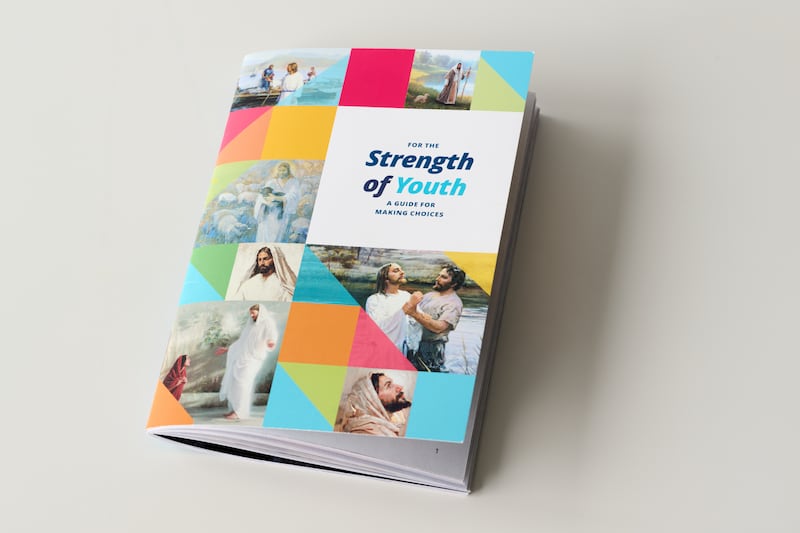
“We would refer to it as a guide for strength — a guide for finding strength in Jesus Christ — because that’s what the youth today need to face everything that they’re up against,” President Freeman said. “It’s not a rule book. It’s a principle-based guide.”
2. Resources to use each Sunday
What resources should youth bring to Church?
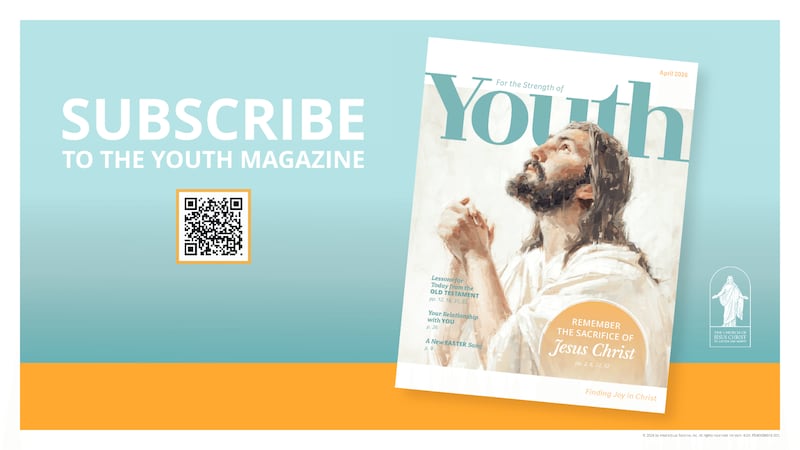
President Farnes suggested youth have their scriptures, the FSY guide, the For the Strength of Youth magazine and “a heart ready to learn.”
“The most important thing they bring is the desire to learn to be a lifelong disciple,” President Farnes said.

The FSY guide provides the curriculum for fast Sundays, while the last eight pages of the monthly youth magazine contain discussion outlines for the second, third and last Sundays of the month.
Each family receives free one mailed subscription to the magazine. Families with multiple youth can ask ministering brothers or sisters to order magazines, print the PDF of the curriculum pages or access the digital version online.
3. Doctrine within five minutes
President Freeman said the key for 25-minute meetings is getting into the scriptures within the first five minutes.
“Each of these discussion outlines is built for that,” she said. “Over time, I think we will realize that relationships will deepen in our classes and in our quorums — and testimonies will strengthen — because what becomes the priority of those 25 minutes is Jesus Christ. We’re going to see lives change because of that.”

Added President Farnes: “Rather than maybe worrying about what am I going to teach in that 25 minutes, maybe it’s how am I going to inspire, lift, encourage and help them have a greater aspiration to live like a lifelong disciple of Jesus Christ.”
4. Adult leaders should mentor
President Farnes and President Freeman said adult leaders should not hand off teaching entirely to youth. Like a parent running alongside a child learning to ride a bike, adult leaders should model, mentor and ensure doctrine is taught correctly.
“It’s important as we prepare these young men and young women for missions and also leadership in the Church that we take this time to do that training, running beside and helping them,” President Freeman said.

The new curriculum uses three discussion questions per class. Presidencies and advisers can counsel together about who leads each of the three questions — such as an adult leader for one, a youth for another, even a Relief Society or elders quorum member for a third.
The goal is whole-class engagement, where youth can ask any questions.
“Engagement invites the Holy Ghost,” President Farnes said.
Added President Freeman, “This is not a class as much as it is a conversation about relevant things that are tied to the gospel of Jesus Christ.”

5. Make discipleship daily — not weekly
Both leaders emphasized that Sunday discussion should be the culmination of a week of living the gospel — not the only encounter with it.
President Farnes pointed to 3 Nephi 17:3, where the Savior told the people to go home, ponder, pray and prepare their hearts to return and share.
“Imagine the class or quorum when they’re coming ready to share how they’ve lived the gospel,” he said. “Lifelong discipleship begins with daily discipleship. That’s what it’s all about.”