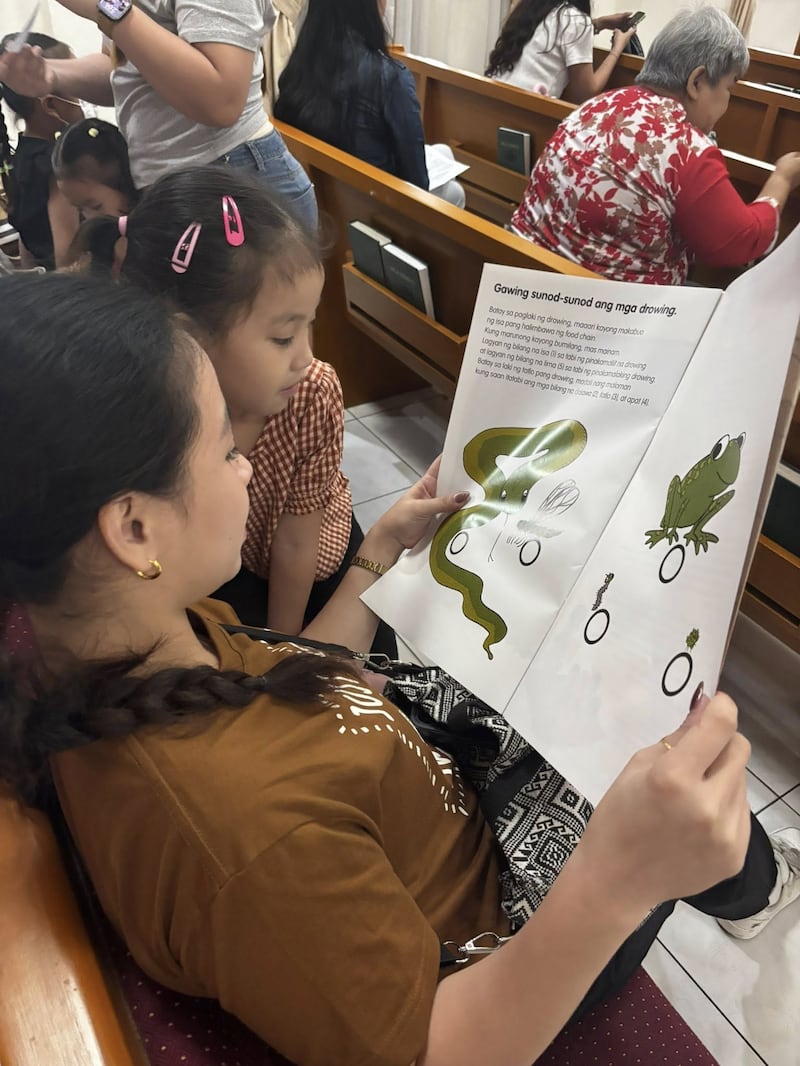

MANILA, Philippines — Because of abundant cases of malnutrition in the Philippines, many children are suffering from stunting and wasting — meaning they are not getting the nutrients they need to grow and develop properly.
The Church of Jesus Christ of Latter-day Saints has been working for several years to address these concerns, both with its member children and in the community. And as these efforts grow, more children and their families are seeing their lives improve.
In 2018, the First Presidency approved a program to address child malnutrition among its members in developing countries. The Philippines was the first area to pilot the project, beginning in 2019. Since then, 125 stakes and districts have responded to this initiative.
The Child Nutrition Program aims to determine the status of the Church’s infants and young children up to age 5 and develop interventions to bring everyone to a healthy level. The program also aims to educate mothers and expectant mothers on proper nutrition for themselves and their children.
Through this initiative, local Church leaders can collaborate with government agencies and nongovernment organizations to educate families on the effects of malnutrition and help them implement long-term solutions.
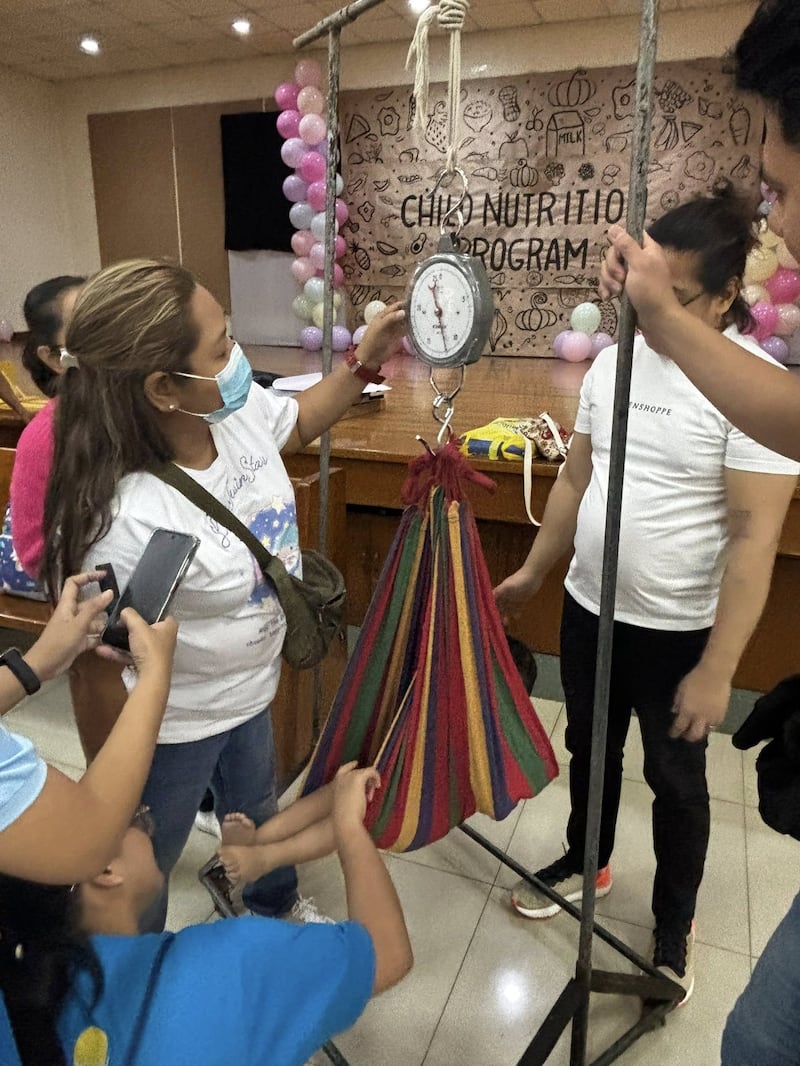
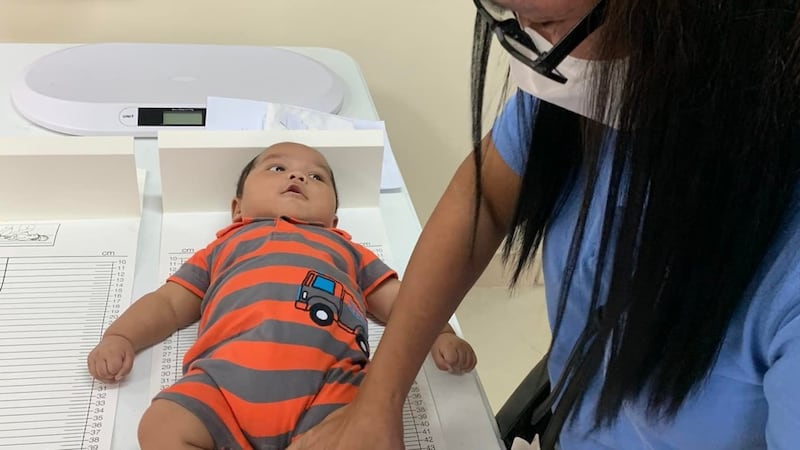
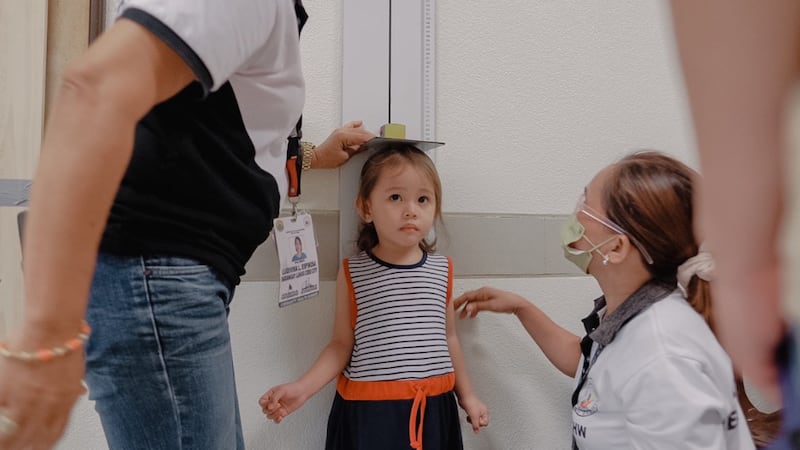
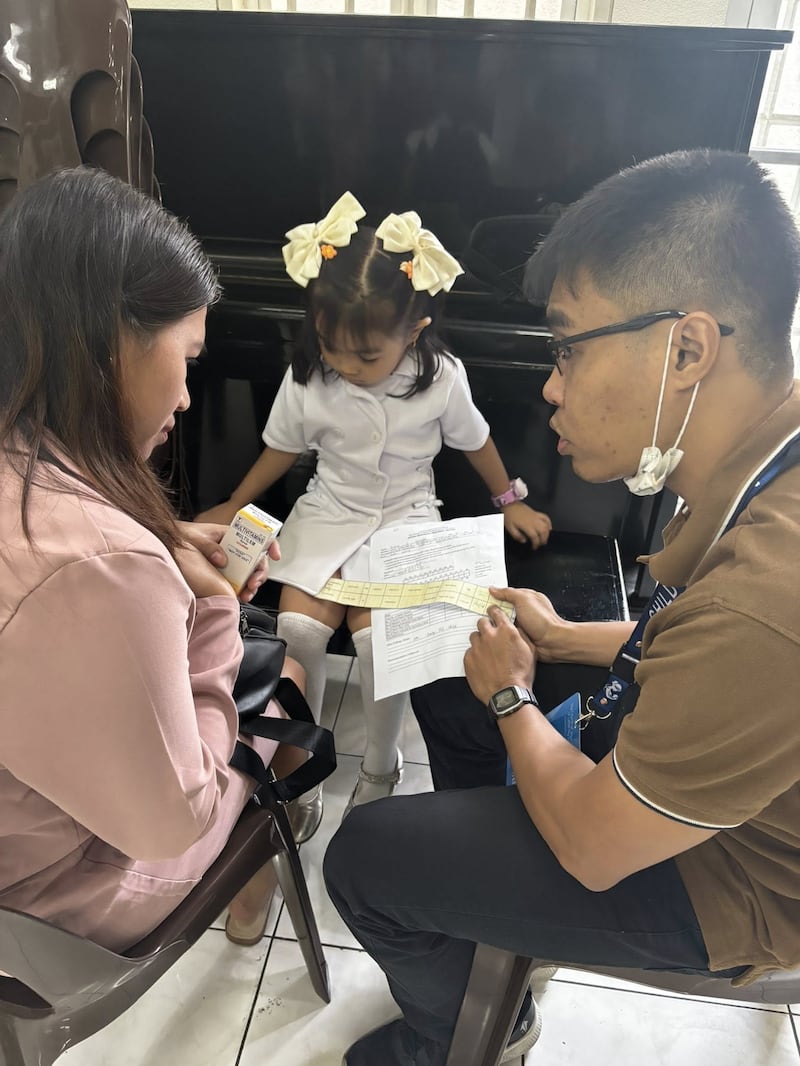
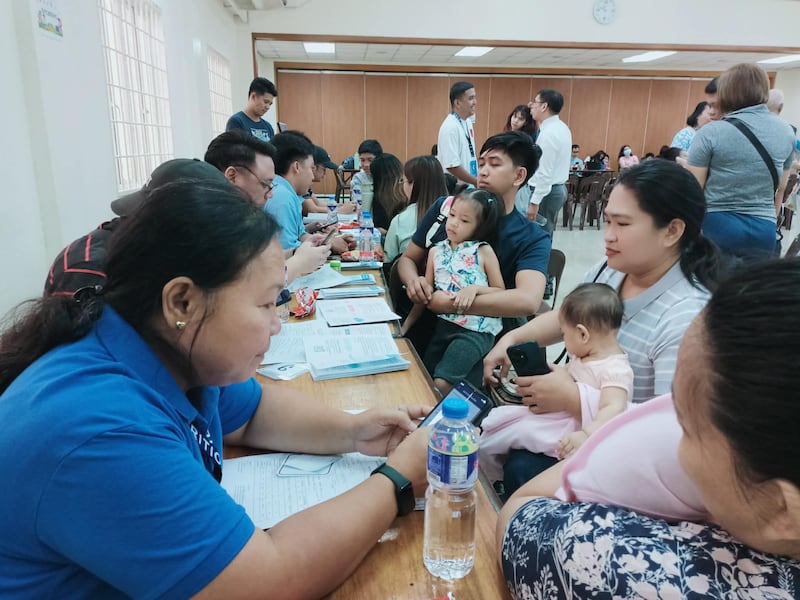
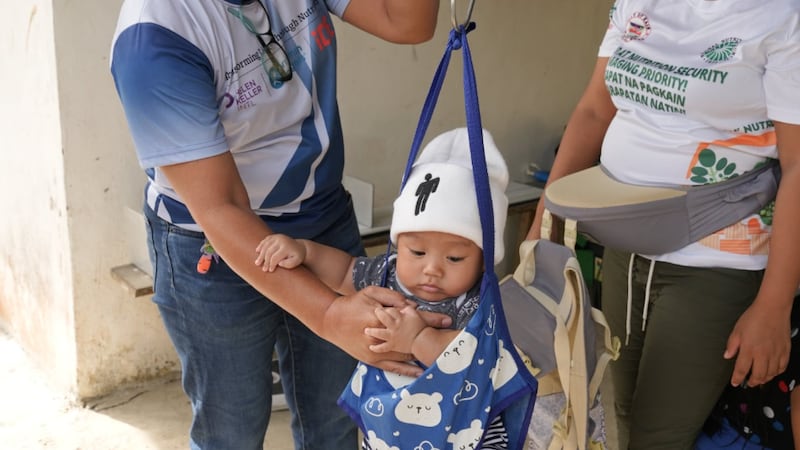
At the screenings — held at stake centers — each child is weighed and measured. Those who are trained speak to the parents about how to include more nutritious ingredients in their children’s meals and what to look for as their children grow older.
After a child is identified as malnourished and the family creates a plan, their local leaders and ministering brothers and sisters check in with them regularly to see how things are going.
Through these regular check-ins and ongoing education about child nutrition, families can hopefully grow on their own path to self-reliance — and in turn help others in the community.
More information about improved nutrition and resources for parents and leaders can be found by going to caring.ChurchofJesusChrist.org and scrolling to the section called “Children Nutrition.”
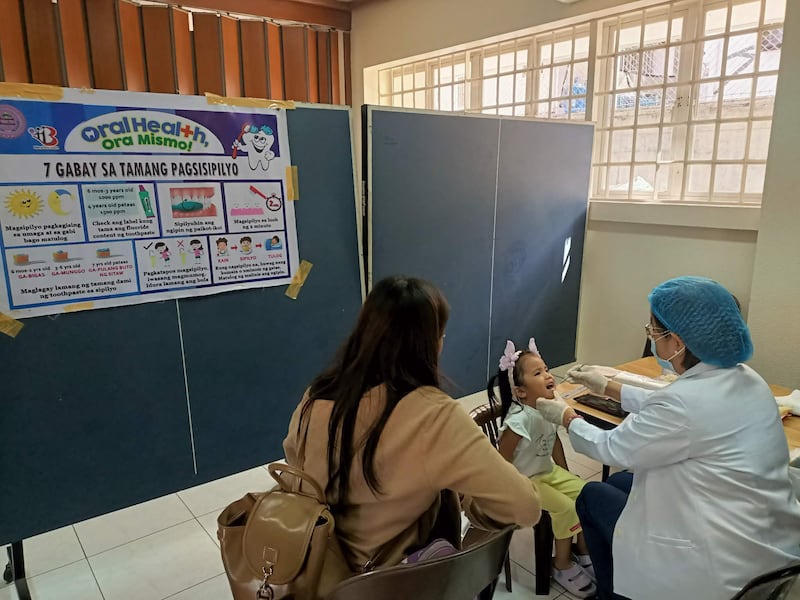
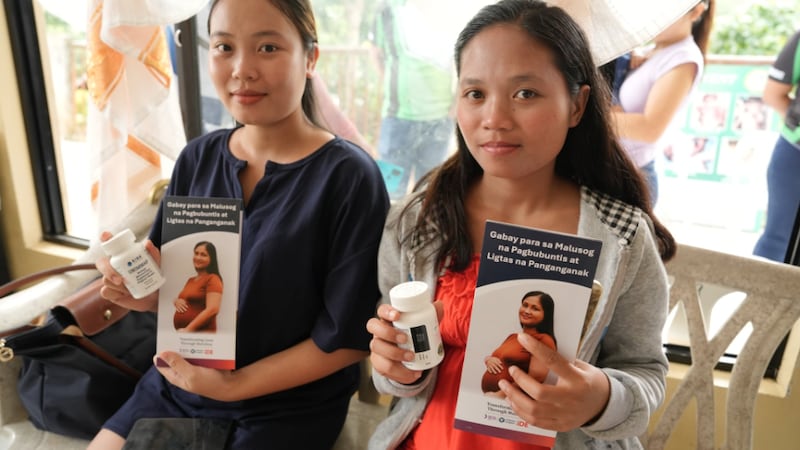
During one screening at the Makati Philippines East Stake Center, Dr. Kristine Balictar, an OB-GYN at Bicutan Medical Center, met both expectant and new mothers.
“I feel happy participating in this activity to check the mothers to make sure they are healthy,” she said. “This is a big help to pregnant women because sometimes there are those who choose not to go to prenatal checkups due to budget constraints.”
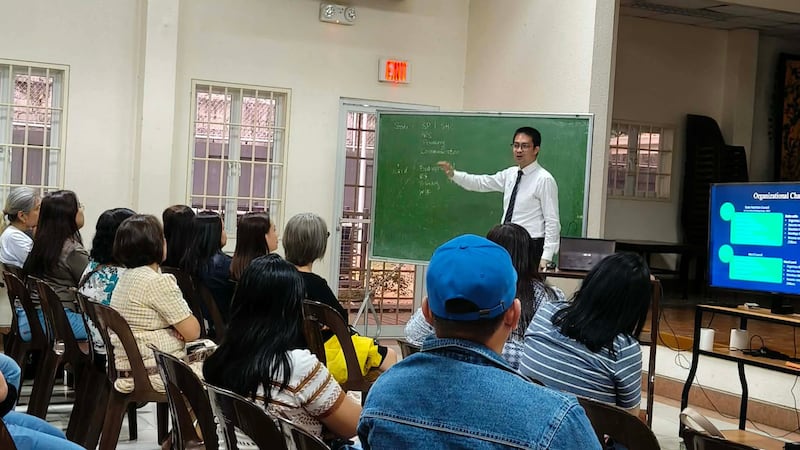
When the Pasay Philippines Stake hosted its first screening on April 18, stake leaders, dietitians, physicians and pediatricians from public and private health clinics explained the program in a group and spent time meeting individually with parents and children.
The Facebook page for the Church’s Welfare and Self-Reliance Services in the Philippines posted about the event, saying: “Together, you are strengthening families and building a healthier future for our children. Thank you for your remarkable service and looking forward for the next exciting phase.”
Similar sentiments were published on Jan. 24, when the Caloocan Philippines Stake held its first screening.
“This is truly a significant step forward in caring for our children and families,” the Welfare and Self-Reliance Services post said. “Here’s to healthier children and a stronger, more resilient community.”
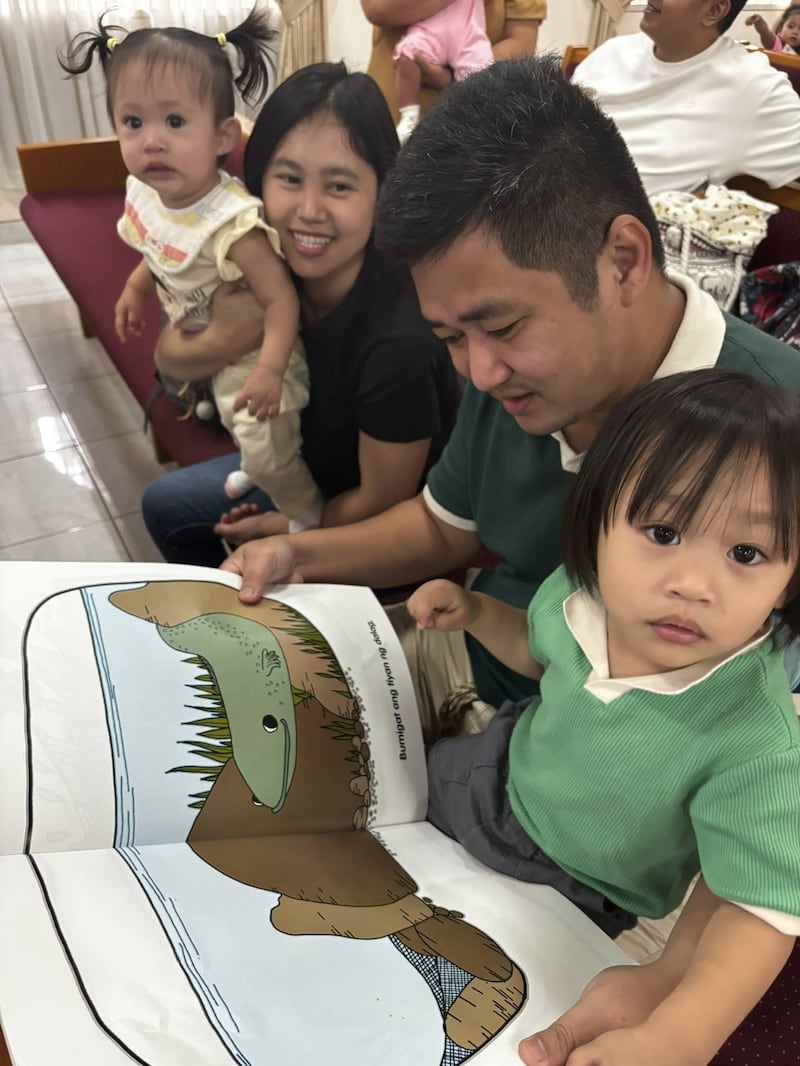
Caring for women and children in Filipino communities
Besides its efforts to care for member children, the Church is also working with other organizations in the Philippines to help improve the well-being of women and children in the broader community. This is part of the Church’s global Caring for Women and Children initiative, as led by the Relief Society, in which the Church has donated millions of dollars and brought together other nonprofit organizations in cohorts around the world.
This initiative seeks the greatest possible impact by funding efforts to bless the lives of women and children under 5 years of age through maternal and newborn care, child nutrition efforts, immunizations and education worldwide.
On Aug. 13, 2025, the Church hosted a three-day child well-being convening workshop in Quezon City. Government leaders, health and nutrition experts and humanitarian organizations reviewed ongoing efforts and strengthened their collaboration on child nutrition and women’s health initiatives across the country.
Elder William K. Jackson, General Authority Seventy and second counselor in the Philippines Area presidency, thanked those present for working with the Church and acknowledged the remarkable work their organizations are doing around the world.
“The things people can accomplish if they put their minds to it really are amazing and outstanding,” he said.
Delegates visited project sites across the Philippines to observe screenings in person, led by Helen Keller Intl, Vitamin Angels and the Church.
On Feb. 11, the Church and Helen Keller Intl launched an effort called “Resilient Roots” to improve nutrition for a child’s first 1,000 days of life. This project — working with the municipality of Quezon — particularly focuses on community gardens to promote health, food security and self-sufficiency.
In his remarks, President Wilfredo M. Estrada Jr., first counselor in the Philippines Tuguegarao Mission presidency, said: “If you look for the needs of others, humility follows. By helping families and children, we create a better future.”
One month later, local Church leaders, Project HOPE, government officials and the health department met in Quezon City to further their joint efforts. A turnover ceremony included nutrition commodities, health equipment and community information tools aimed at strengthening maternal and child nutrition services in neighborhoods identified as having the greatest needs.
Olive Esquivias of the Quezon City Health Department expressed gratitude for the support provided by Project HOPE and the Church.
“Malnutrition continues to affect many vulnerable families,” Esquivias said. “These resources will strengthen our health center programs and support community health workers who serve on the front lines of child and maternal health.”
President Norman Tolentino, second counselor in the Quezon City Philippines Stake presidency, reflected on when Jesus fed 5,000 people with five loaves and two fishes.
“Just as small offerings were multiplied to feed thousands, our combined efforts can bless many lives,” President Tolentino said. “Through compassion, cooperation and service, we can continue helping families and communities.”