



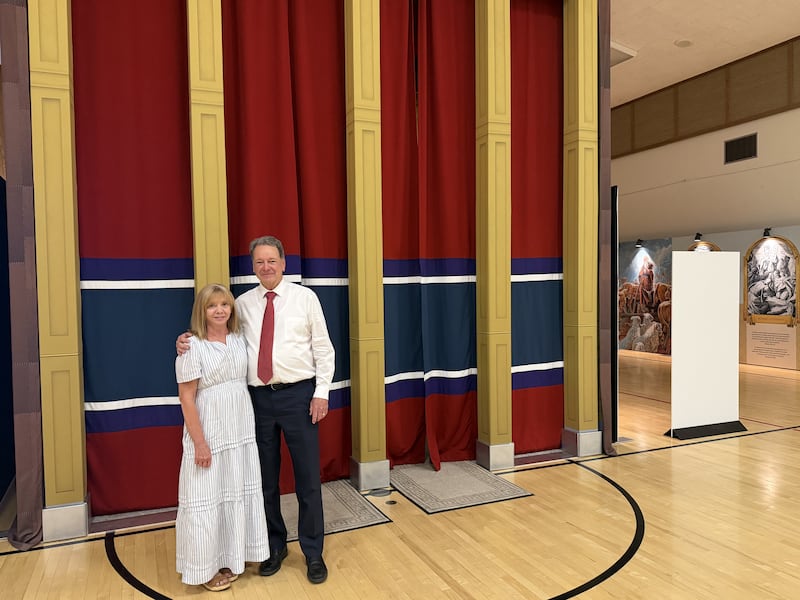

FARMINGTON, Utah — Inside the dimly lit Farmington Utah North Stake Center, dozens of youth and young adults nervously stand in their Sunday clothes, mentally preparing to teach about ancient biblical symbols from the tabernacle.
They stand at one of nine stations throughout the building, including the brazen serpent, the tabernacle gate and the holy place. They cautiously explain the object’s symbolic meaning and begin to share their testimonies as visitors from nearby stakes stand and listen.
“Then they come back an hour later. They’re all testifying and talking. That’s a great experience for them,” said David Dixon, Latter-day Saint architect of the new tabernacle replica.
“It changes their lives and prepares them for missions,” he said. “It prepares them to go to the temple. Prepares them for a life of service.”
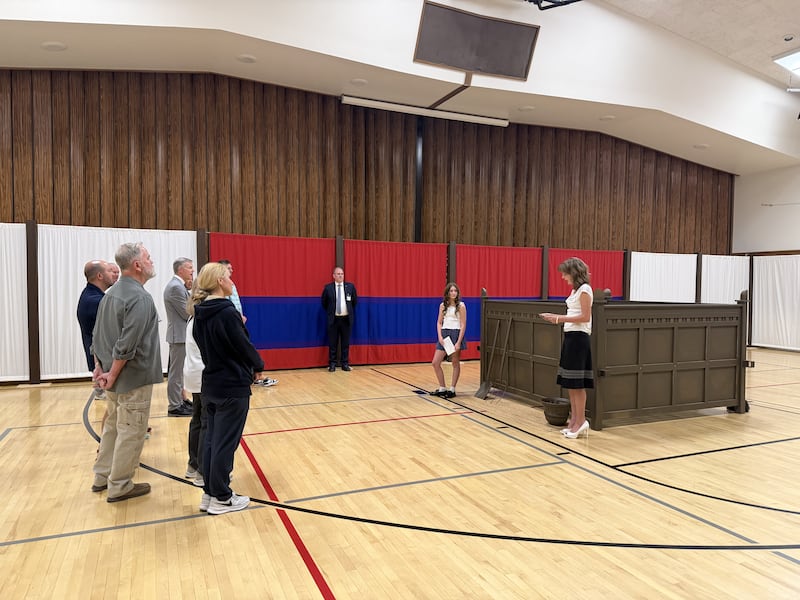
In 2022, Dixon was part of The Church of Jesus Christ of Latter-day Saints’ original Tabernacle Mission — missionaries would set up a traveling Old Testament tabernacle replica complete with tour guides and a visitors’ center across the Southwest.
When the temporary mission officially ended the following year, requests still came in from stakes in Texas, Colorado, Arizona and more. Without the resources of the mission, one setup could cost up to $30,000.
“And so I started thinking, how could we make this more available so it doesn’t just sit in a trailer all the time?” asked Dixon. “I just had this idea that maybe we could do it inside the building, and it could be much simpler, lighter weight, and could go to any stake center where people wanted it.”
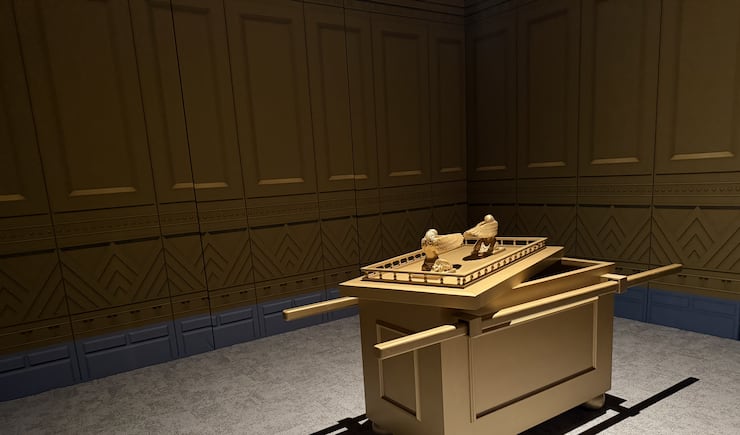
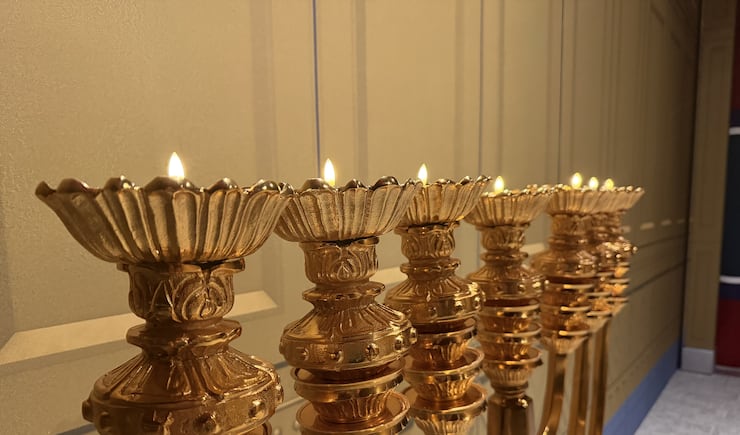
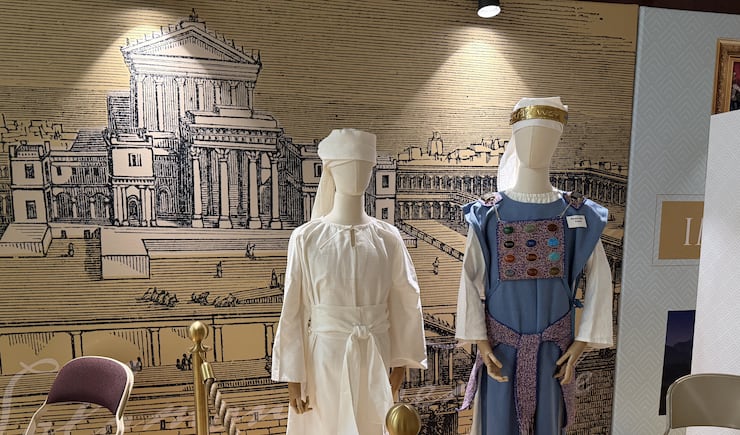
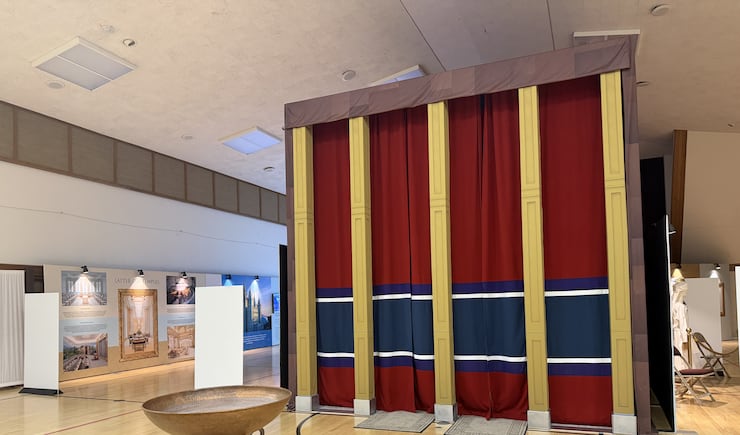
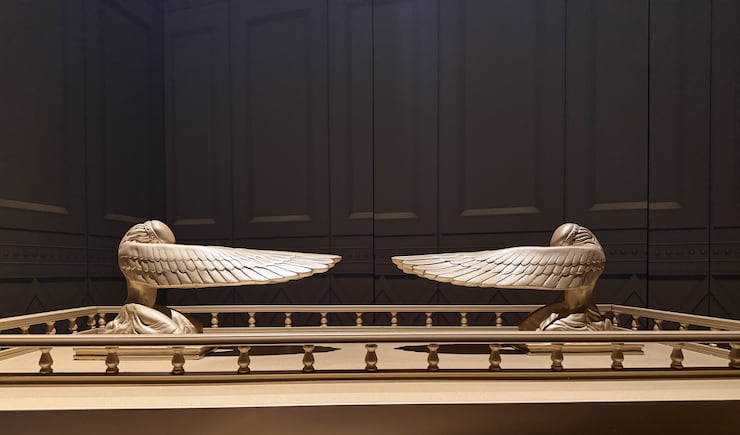


As an architect, his first step in recreating elements of the tabernacle replica was modeling it in 3D to see if it — and the accompanying visitors’ center displays — could fit in the dimensions of a stake center.
“This new setup is so much more simple than the other one — it’s not heavy, so the sisters can be involved the same as the men,” he said.
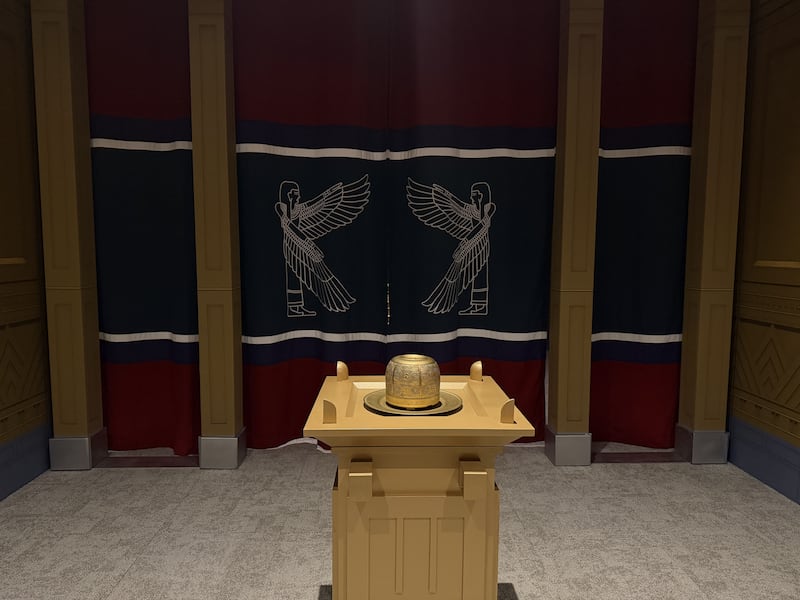
Dixon and his wife, Eulale Dixon, were instrumental in setting up the replica in the Farmington stake center. From the fabric on the ceiling to pieces of furniture to the style of angels sewn on the veil, “we tried to make everything as authentic as we could,” David Dixon said.
Standing beside a 3D-printed “altar of incense” derived from the Old Testament, he noted differences in the veil of the Church’s original tabernacle replica and his newly designed model.
Angels sewn on the veil, which were originally designed in the Hebrew style, “would have had an Egyptian flavor” to them, he said. “It wouldn’t have been just Hebrew,” Dixon argued, pointing out that the Israelites lived in Egypt hundreds of years.
“And so we designed it with an Egyptian flavor throughout,” he said, smiling.
“It’s life-changing for the adults that really understand it and life-changing for the youth,” Dixon said. “And that’s where we get our biggest joy from, is from the youth and to see them change.”
Before he embarked on his project of creating another ancient tabernacle replica, Dixon said he “didn’t realize how much it was tied to the Savior. Every aspect of it was a foreshadowing of Him and His Atonement. Everything in the tabernacle represents Jesus. He’s the gate that we go through, the one and only way back to the presence of God. He’s the sacrifice on the altar of sacrifice. He’s the Light inside the tabernacle, the Light of the World.”
