



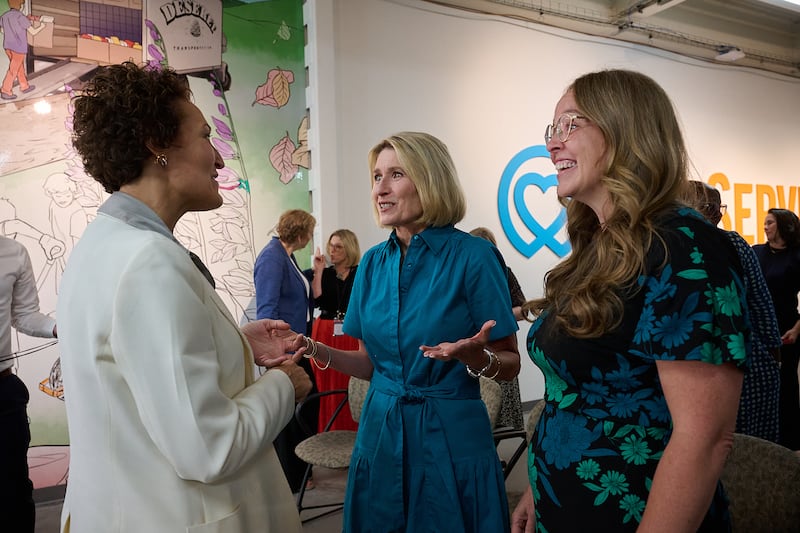

As humanitarian and nonprofit organizations around the world work to help those in need, they are often working in competition for resources, government support and even volunteers. But through the ongoing efforts of The Church of Jesus Christ of Latter-day Saints to care for women and children in several countries, that competition has been transformed into collaboration.
In 2024, the Church expanded the Caring for Women and Children Initiative to improve the well-being of women and children. This involved taking eight separate global humanitarian organizations and grouping them together into four consortia, each focused on projects benefiting women and children in 12 high-need countries.
Consortium one is made up of three organizations and provides women and children with access to vitamins, supplements, medications and higher-nutrition foods in 12 countries, including Nepal, Bangladesh, Cambodia, Philippines, Sierra Leone, DR Congo, Nigeria, Ghana, Zambia, Kenya, Senegal and Mali.
Consortium two includes three organizations working in Ghana on maternal newborn care, water projects, and sanitation and hygiene.
Consortium three has two organizations working on maternal and newborn care, immunizations and nutrition for mothers and children in Sierra Leone and Zambia.
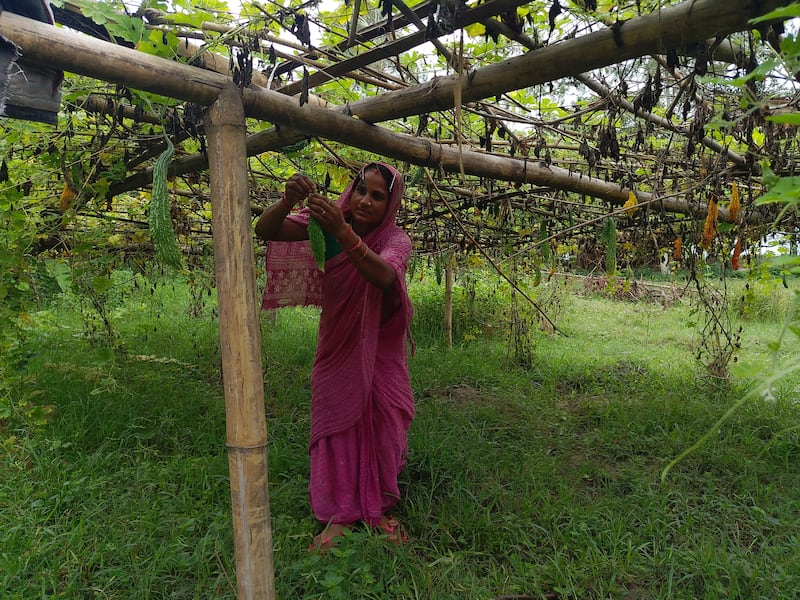
Consortium four includes four organizations working in Nepal to improve agriculture and nutritional practices among farmers and to upgrade medical clinics and provide economic opportunities for women.
“We brought these individuals together with a feeling that these are the individuals who could work together,” said Elissa Gifford, director of Humanitarian Services for the Church, on the Church News podcast. “It’s not easy to ask organizations who are used to working independently to take a new approach and instead to work this kind of collaboration — they’re working together in the field regularly, but to work at this level in this tight of a collaboration is different.”
Relief Society General President Camille N. Johnson said the collaborative effort also involves local governments who “have a desire to see their people increase in capacity and opportunity.”
“So I think that’s made a difference,” she said. “And it really does take the three: the NGO, the Church, lots of good people working on the ground and then those governments willing to participate and communicate with us about needs.”
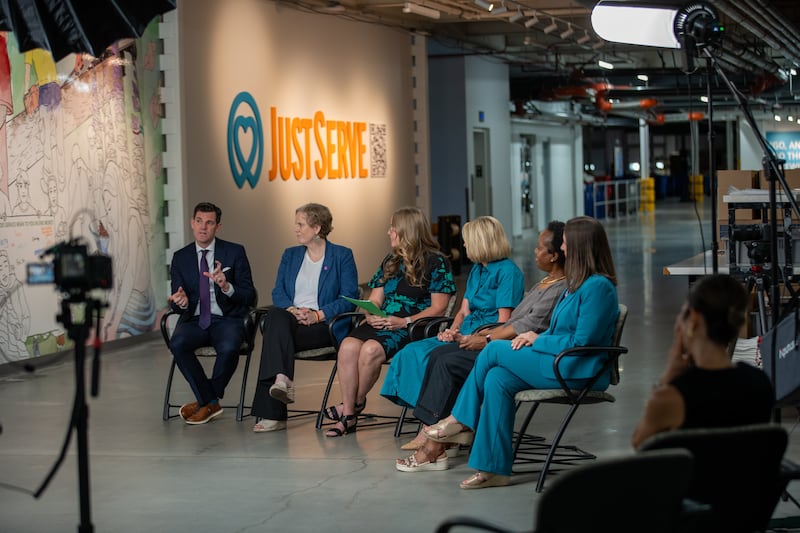
When talking about why women and children were chosen as the beneficiaries, Gifford said women and children are often some of the most vulnerable in a community. But they are also some of the greatest catalysts for change.
Sarah Bouchie, president and chief executive officer of Helen Keller Intl., quoted Helen Keller, who said: “Alone we can do so little, and together we can do so much.”
Said Bouchie: “A car doesn’t get built by one person. A house isn’t built by one person. You need all kinds of expertise to be able to make that happen. And the same thing is true when you’re trying to make lives better for women and children.”
Dr. Winifride Mwebesa, Save the Children U.S. international programs division senior managing director, shared how she’s seen the initiative actually make a difference. In one example, she said Bwendo, a mother in Zambia, arrived at the Mongu District Hospital in prolonged labor, which required an emergency C-section.
Mwebesa said the hospital had a recently rehabilitated operating theater, NICU, special newborn care unit. The health care providers also had proper training, so when Bwendo’s baby was struggling to breathe, they knew what to do.
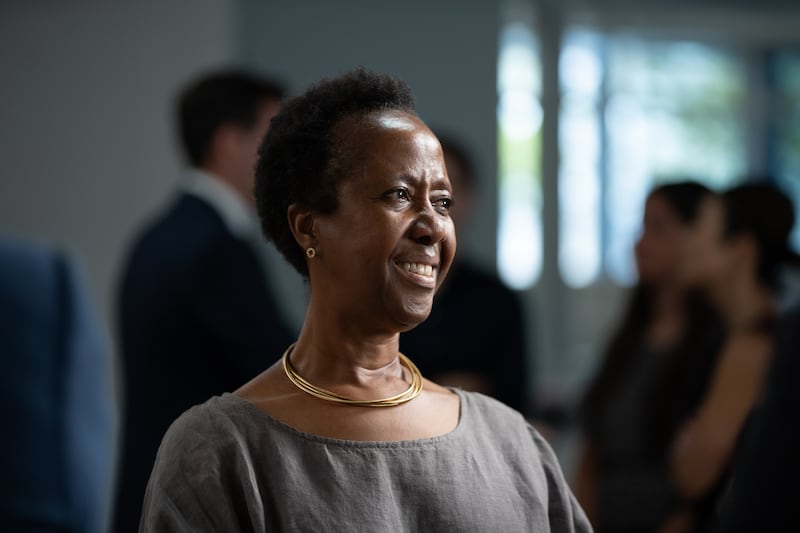
“They quickly were able to help that baby, resuscitate the baby and provide the care they needed,” she said. “And both Bwendo and her baby were able to go back home, and they’re healthy today.”
Mwebesa said as mothers like Bwendo return to their homes with healthy babies, the “communities around them have renewed confidence in the services that their health services are providing.”
To date, the Church has invested $184 million over three years in this initiative and reached 52 million women and children. But President Johnson said the focus has always been on reaching the “one.”
“In every community in which we live, there are women who can’t read, and there are children who are malnourished,” President Johnson said. “So, my invitation is for people … to look for the one closest to them and address the needs of that one woman or child. That’s how we’ll tackle this really immense challenge.”
Dr. Mwebesa said, “Each of us has something that’s valuable that we can contribute.”
“And what’s amazing is that you shouldn’t be afraid, because you’re probably not going to be the only one who shows up,” she said.
