



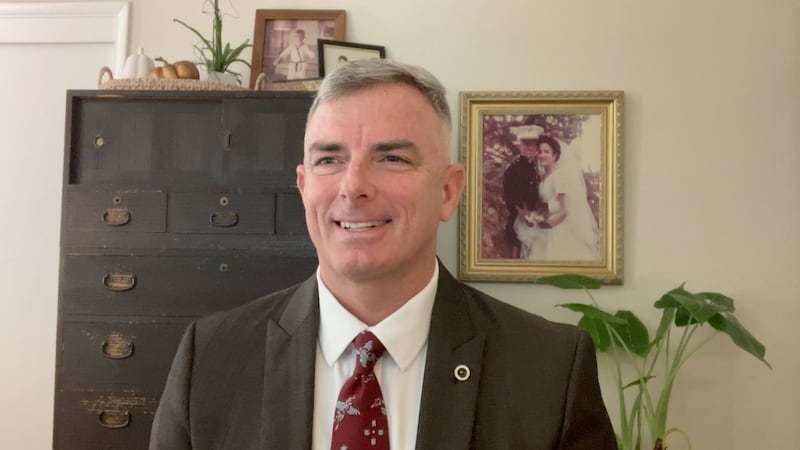


While Veterans Day is observed in the United States each November to honor military service, The Church of Jesus Christ of Latter-day Saints seeks to minister to its military members, veterans and their families wherever they serve throughout the year. This is done through faith, belonging and Christ-centered support.
On this episode of the Church News podcast, Jason S.D. Perry, a retired U.S. Marine Corps colonel who is currently the director of wargaming at the Naval Postgraduate School in Monterey, California, joins Church News reporter Mary Richards to talk about his 30-year military career and military service as a Latter-day Saint.
Perry discusses faith and resilience, underscores the vital role of military chaplains and local Church members and leaders, and offers advice for young Latter-day Saints considering military service.
Listen to this episode of the Church News podcast on Apple Podcasts, Amazon, Spotify, bookshelf PLUS, YouTube or wherever you get podcasts.
Transcript:
Mary Richards: I’m Mary Richards, a reporter for the Church News.
Nov. 11 is Veterans Day in the United States, which honors all living and deceased U.S. military veterans who have served in the armed forces.
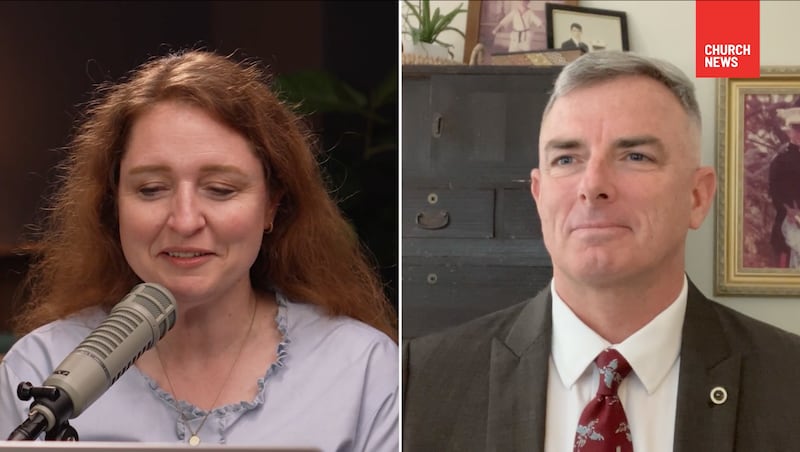
Joining me on this episode of the Church News podcast is Jason Perry, a retired U.S. Marine Corps colonel who is currently the director of wargaming at the Naval Postgraduate School in Monterey, California.
Welcome, Jason, or should I say Colonel, to the Church News podcast.
Jason S.D. Perry: Jason is great, and thank you. I really appreciate you having me here.
0:32
Mary Richards: I love this opportunity to talk to you surrounding Veterans Day and thinking about our veterans and our military members, their sacrifices and their family members and all of those things that go into that.
First, maybe introduce yourself a little bit to our listeners and viewers and a little bit about your service and your military history and experience.
0:53
Jason S.D. Perry: Sure. So, let me start by saying thank you. I really appreciate the opportunity. And also to say, one, happy birthday to all of my fellow Marines. So, 10 Nov. is a special day for us. So happy birthday, Marines. Semper fidelis.
And also a happy Veterans Day to all those who have put the uniform on and served. We remember you, and we certainly remember those — while we have a day set aside for them who are not here with us — but those who offered the ultimate sacrifice in that service. We remember all of you.
We’re recording this in October, I think, and the Navy’s birthday — I work at the Naval Postgraduate School, and I would be remiss if I didn’t say happy birthday to my fellow sailors as well as we’re recording this in October.
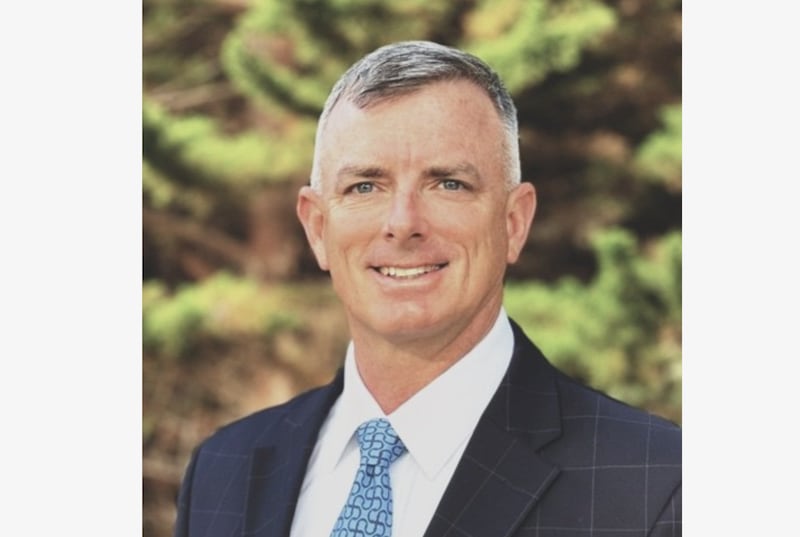
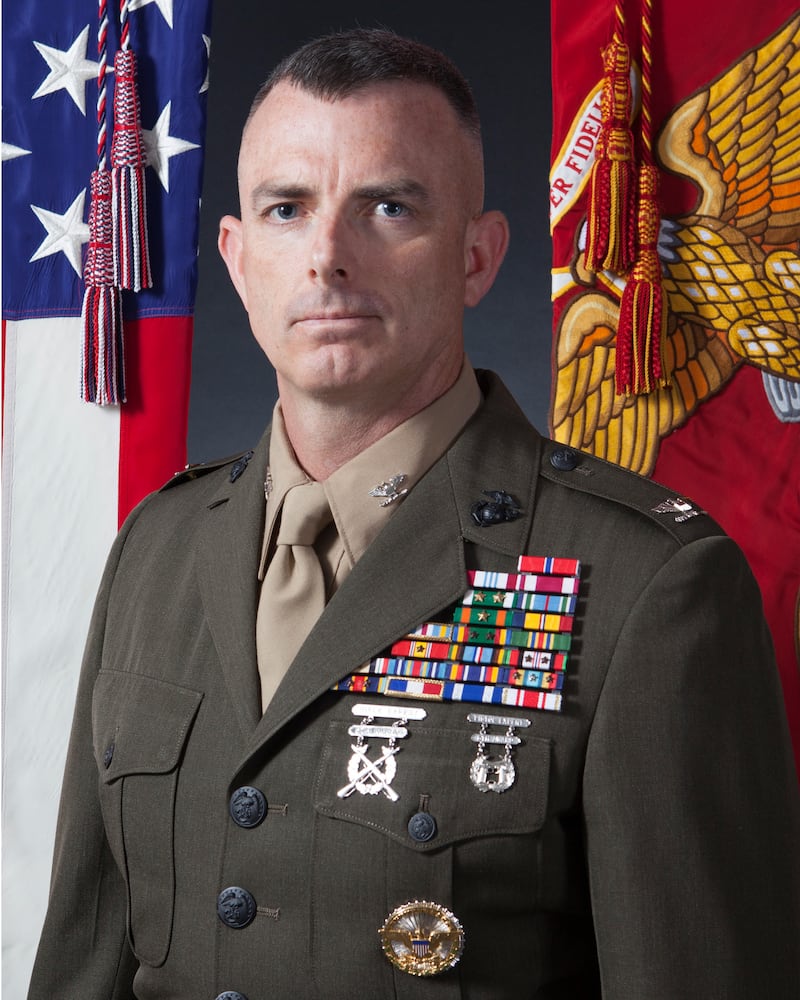
So, thank you. Yeah, like you said, I just retired last year from the Marine Corps. I was an infantry officer in the Marine Corps for the past 30 years. I’m still kind of adjusting to this civilian life, although I do get to continue to work with members of the service from all services in my current capacity, which I’m very grateful for.
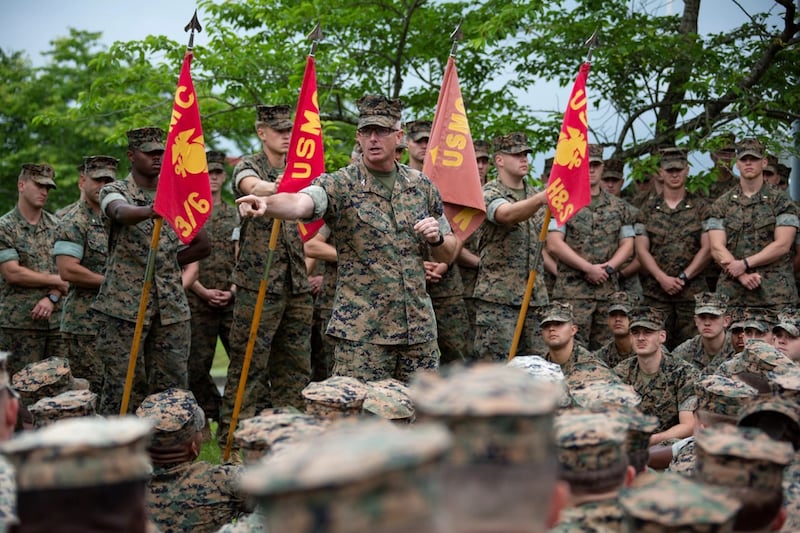
I had a typical infantry officer career. I graduated from Brigham Young University and served in command positions from platoon commander, company commander, battalion commander, regimental commander, up to my last job in an operational capacity was as the assistant division commander at 3rd Marine Division out in Japan. I spent the four years prior to moving here to Monterey in Japan, which is neat because that’s where I served my mission. I served a mission from ’89 to ’91 in Nagoya, Japan. And fortunately, my Marine Corps career has allowed me to stay connected to Japan, which has been a real blessing.
I also, while I was a Marine Corps, typical infantry experiences, Iraq, Afghanistan, a little dust-up in the Philippines that I was a part of, and then some typical deployments at sea on our marine expeditionary units, or MEUs. Also outside of the infantry, when I wasn’t doing those, I did a lot with the U.S.-Japan alliance. I worked in the Office of the Secretary of Defense. I worked as a liaison to the Japanese, Japan’s Ministry of Defense and the Ground Self-Defense Force there and then commanded in Japan.
So it’s been — it was a quick 30 years. That’s all I can say. It went by way faster than I anticipated and has a lot of fond memories as a Marine.
3:43
Mary Richards: What initially inspired you to serve in the military and to join the Marines?
Jason S.D. Perry: Yeah, that’s a good question. So, my father is a retired Marine. He passed away last year, but he also served. I was about 12 years old when he retired after 25 years in the Marine Corps. He was actually wounded on the day I was born in Vietnam. And so I grew up on Marine Corps bases until I was in junior high school.
And then he retired out to North Carolina, in the mountains of North Carolina. I went to junior high school and high school there. And then after Brigham Young University and a mission, I decided that I would join the Marine Corps. And I don’t know that it was following in my father’s footsteps that was necessarily the big driver, but it was clearly a bigger influence probably than I knew at the time.
I also had wonderful friends. I got to Brigham Young University, ended up joining Army ROTC there. And a shout-out to my good friends who I was there in ROTC with. My nickname on this team I was on was Marine. I was always bound for the Marine Corps, and they knew it, and I knew it. But they were a fantastic example to me of what faith-based military leadership could and should look like, both the faculty there and my friends.
And I stay close to many of them to this day, and they really were influential to see what a strong sense of camaraderie I could find in the military. And so I think I have a lot of that. And then just my own, I guess, interests and a little bit of, “I wonder if I’m up to it.” And that challenge, I think, was attractive to me.
5:40
Mary Richards: So then, like you said, you’re thinking about, could you do this?
What would you say to a young Latter-day Saint who would be maybe considering or even preparing to enter military service, and then they wonder whether that and their faith can go successfully together?
5:56
Jason S.D. Perry: That’s a great question. First of all, to answer the last question first, “Can your faith and can military service successfully be combined?” I think the answer to that is a resounding “Yes, absolutely.”
You know, for young people who are thinking about serving in the military, I think one, I would tell the young men who are thinking about it, “Go on a mission.” Your mission will prepare you both spiritually for the challenges that lie ahead, but those challenges will be in your path regardless of whether you go in the military or whether you choose a different route. None of us live through this life without having the challenges ahead of us.
But aside from the physical aspects of being in the military, the physical courage required to go and do the things — and I’m going to talk from my own personal experiences, but the physical courage required to go and fight in defense of whatever, wherever and whenever that’s required of you. Aside from that, in the military, the moral courage that we need to be true to our standards and our covenants is a huge part of, I think, of being a successful Marine. But holding to those values is also a huge benefit as we serve.
So I would say, one, prepare yourself, obviously, physically to go into the service, but then prepare yourself spiritually, because that building your foundation of faith is something that you will stand on for the entirety of your enlistment or your career, whichever you choose to pursue.
7:59
Mary Richards: That foundation, I love that thought.
You know, too, I’ve been thinking about how that service, like, if you look back over your three decades of service, how did that shape you as a husband, as a father, as a leader, but also a disciple of Jesus Christ?
8:15
Jason S.D. Perry: I’ve thought about that. As I got older, as I got older, as I became more senior and maybe had a little more responsibility, I think I grew into an understanding.
You know, this is — I’ll caveat everything I would offer in this podcast to say that I grew to know the things that I know today. I didn’t come in on Day 1, I don’t think, with a really clear understanding of what blessings would come to me, what strength would come to me because of my faith. I don’t think I knew that going in. I probably had a good sense of it, but I really felt it acutely as I got older, more experienced in military leadership, more responsibility.
So, in practical terms, I mean, real challenges that military leaders wrestle with and that are, in my case, Marines and sailors wrestled with and helping them through some of the challenges of life as they navigate both life as a young man or young woman, but then also the stressors and the challenges that military life brings.
But it’s interesting because I think toward the end of my career, I found myself leaning a lot on what we learned in the military in terms of military leadership. And when we do operational planning, we often talk about task, purpose, method and end state. And to me, anytime we would go out and do an operation, that was job No. 1.
Everybody in that operation, everybody in my unit, I had one responsibility, and that was to ensure that everybody in that unit understood the task, that they understood what their purpose to achieve that task was, that they knew how we were going to do that thing. And I’m talking operations against enemy forces on the battlefield, right?
And with all the different people to sustain, sustain, to maneuver, to maintain equipment, to — and ultimately to fire artillery rounds or whatever it is we were shooting — they had to know what the method, how we were going to achieve that task, how we were going to accomplish the purpose of the operation.
10:38
And then finally, they needed to understand the end state. And the end state is simply me as a commander telling everybody in the unit, “This is what I expect the battlefield to look like when this is all said and done.
And I’ve thought about that a lot in terms of, “Isn’t that how we are taught?” We have a purpose in this life. Heavenly Father has made it very clear what our purpose is. “Men are, that they might have joy” (2 Nephi 2:25). “This is my work and my glory — to bring to pass the immortality and eternal life of man” (Moses 1:39).
We are children of our Heavenly Father. This gives us purpose. It gives us a task. We know what we are here to do. We know why we are here. The method is called the plan of happiness, the plan of salvation. The method is for us to come to this earth, gain bodies, to fail, try again, repent and rely on the Atonement of Jesus Christ, to yoke ourselves to Him with covenants.
That’s the method. And the end state is ultimately us inheriting everything that our Father has one day when we leave this earth and we continue to progress. And so to me, when I think about — and I know this is a little grand thinking, but I don’t think so. I think fundamentally, if we understand the principles of leadership, those principles don’t change whether you’re leading a formation of Marines on the battlefield, or whether you are helping individuals in a Church calling, or just navigating our own lives as husbands and fathers and Church leaders or whatever our current situation is.
12:28
Mary Richards: You know, I would be remiss if I didn’t bring up family and separation, the sacrifices family members make for their deployed service members and their families.
Were there times — or maybe how would you say that faith becomes especially important during those times of separation?
12:50
Jason S.D. Perry: Yeah, I always thought the separations for me were easier on me than they were for my wife. Our families, our military families, we ask a lot of them, and they’re amazing. And I really — they’re such a source of strength.
Certainly our knowledge of the gospel and the nature of the family at least brings comfort. It doesn’t make it easy. Nothing makes the separations easy, but at least it brings comfort when you’re — especially when you’re in harm’s way and the uncertainty of that.
So, all I would say is while we celebrate veterans today, let’s not forget or fail to remember those families that make it all possible, because I think often they quietly bear more of the burden than we do sometimes.
I have one story, and I’d love for, I hope the chaplain that’s in this story is maybe listening to the podcast, because I don’t remember his name. I was in Afghanistan. I was a battalion commander. I’d probably been in theater four or five months. It was either right before a big operation we did or right after a big operation we did. And this operation was fairly kinetic. By kinetic, I mean there was a lot of fighting involved.
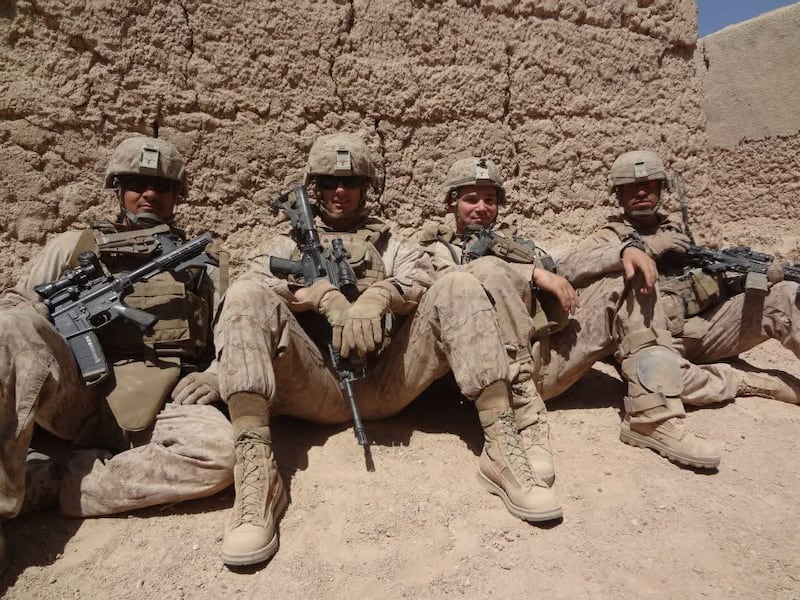
We were back. We were either getting ready to go or we were just back. Something tells me we were just returning from this operation. And as such, I was probably writing some condolence letters to mothers and fathers and doing the difficult things that are required of commanders.
But my executive officer, the second-in-command of the battalion, comes into my office and says, “Hey, sir, there’s a helicopter inbound, but I’m not sure what he’s inbound for, and he’s not on the air tasking order.” We have a schedule of aircraft that come in and out of our battle space, our area of operation. And I probably lost my mind a little bit because uncoordinated airplanes flying through my area of operations was not a welcome thing for me. I probably had some choice words for the executive officer, but like: “What are they doing? What are they doing here? I want to talk to the pilots as soon as they land,” something like that.
Well, they landed, and the XO came and said: “Hey, sir, whoever’s on the plane is looking for you. They came to see you.” I said, “Oh, OK, well send him in.” And I’d probably calmed down a little bit by this time.
15:26
Well, the Marine Expeditionary Force chaplain — so this is the senior chaplain in the Marines for the Marine Corps in Afghanistan at the time — he had gone out and found a chaplain from The Church of Jesus Christ of Latter-day Saints — I can’t remember where this guy flew in from — but put him on an airplane and flew him to my little forward operating base in the middle of Musa Qala in Helmand Province, Afghanistan, just to say hi to me.
And he said, “Lt. Col. Perry, I’m chaplain so-and-so.” And again, if that chaplain’s out there and listening, I would love to hear from him, because I do not remember his name. But he was truly an example of someone who risked himself. I mean, it’s not — first of all, it’s not easy to get to where I was. And second of all, fairly dangerous to get there. And yet he came out looking for me. On that day, I was the one.
And I don’t know that I felt like it at the time. I didn’t feel like I was under that much stress, although I was. I think sometimes the stress becomes normal stress. You just don’t know how stressed you are until you have a moment where that stress is kind of lifted from off your shoulders for just a moment.
But I think in about two hours, as we sat in my little office talking, and then we broke some crackers and blessed the sacrament and shared that moment, and we didn’t talk about church stuff that much. I mean, we did, but we just talked about life.
17:12
And then he left, and I just felt such a huge relief, such a huge burden lifted for that moment when, as the battalion commander, you’re responsible for everything that your unit does and fails to do. And you got 1,600 Marines who, sailors, who count on you to make good decisions. And on that day, though, he lifted a little bit of my burden.
And it was interesting because the next time I got to go back to a bigger base where there was a chapel, I went and I attended the servicemen’s gathering from The Church of Jesus Christ of Latter-day Saints. And the opening hymn was “Be Still, My Soul.”
And I thought, “Yeah, that’s — I felt that.” That Heavenly Father’s hand was in those details of my life, even though my life was so consumed by other things, that He would send one person to come out and minister to me on that day. I guess that was really a significant moment where I was a recipient of someone else’s service that I truly appreciated, and it built me up.
18:28
Mary Richards: Yeah. You’ve been used to giving, to leading, to go, go, go, and for a moment to kind of be still and have that comfort, that’s so beautiful.
I think too, I’m so glad you mentioned this chaplain, because how — I imagine wherever you were, even where you were stationed with, not separated from your family or not in a combat area, that this might have been another place where you would see the role of chaplains or local Church leaders or fellow Saints.
Were those ways that you felt loved from your Heavenly Father in order to worship with them wherever you were in the world?
19:06
Jason S.D. Perry: Yeah. I had a chaplain in Okinawa, and he would always — he was from a different faith group, but he was such a wonderful chaplain. He would always stick his head in my office once a week. He’d stick his head in my office and say, “Hey, sir, how’s your spirit?”
I so appreciated that because there aren’t a lot of people, again, you kind of bear the burden alone of command. And it’s not overly burdensome. I enjoyed being able to lead Marines. But at the same time, having a chaplain like that be — and he’d come in, and he’d offer to pray with me. And I’d, of course, always welcome him in, and we would pray. And then eventually I said, “Hey, Chaps, you mind if I pray this week?” And then we started taking turns praying.
You know, the chaplains who are endorsed by The Church of Jesus Christ work alongside chaplains from all faith groups who serve in the military, and they’re all — and we’ve just been so well served by them. I really appreciate the service they all render.
20:08
Mary Richards: Beautiful. We’re talking about chaplains, but there are other resources, and I know the Church has resources for military members and veterans, their families.
Why is it important for Church leaders and Church members to better understand our military members, our veterans and their families? And maybe talk about some of those resources.
20:29
Jason S.D. Perry: So, I’m in a ward that has a pretty heavy military, and it’s transient because we have schoolhouses in our current ward. So schoolhouses, generally military members are maybe stationed here for a year, maybe a year and a half or less. And so it’s pretty transient.
And having an awareness of those military members — I think there’s maybe some misperceptions. If I could take a minute and talk to bishops out there, I would say, “What do you do when a military member moves into your ward?” I’d say, one, we’re used to moving. We do it quite a bit. We know when we move to a new place, we’re going to make friends, and we’re going to try and do it really fast, because we don’t have any time to waste. And we’re going to maybe shed a tear when we leave. But that’s OK too.
So, we tend to be pretty good at diving right into the communities we join. You know, a lot of our military families, they do, they want to come in, they know they only have so much time, and they’re ready to go to work. And I would just say to them there’s a new self-identification system that’s coming out, LDS Tools, or the Tools application, and is going to give us an opportunity to identify voluntarily whether we are active-duty military or whether we are a veteran.
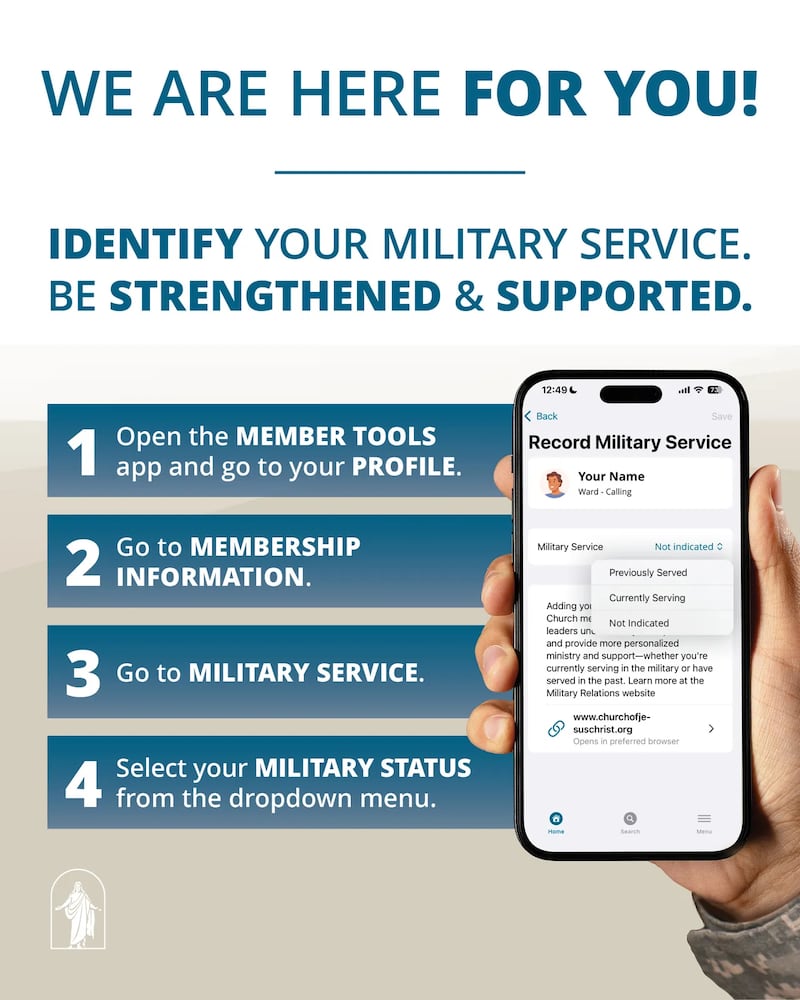
And I think for Church leaders, local Church leaders, I think that’ll be a valuable resource to be able to understand maybe where needs are, to help meet those needs, but also to not be shy about bringing those families in, wrapping your arms around them, invite them early on to serve. They’re used to diving right in and becoming part of a community early on.
They’re not victims of their service. We all walk away from life with our various scars, tissue and everything. And sometimes I think maybe there’s a perception that military service is so hard that we need to treat military members with kid gloves. I certainly had my share of bad days, but I’m not a victim of the service that I’ve rendered in the military. I’m not a victim of the separations I’ve had from my family. My family’s not a victim of those things. They have been challenges that have been faith-building in many cases. The trials are never removed, but they’re made lighter through our association with the Church.
And so, my message would be the resources are out there. Take advantage of them. To local leaders, embrace them. Bring those military families in. I think they have a lot to offer, and they do have needs. And it can be a real mutually edifying experience when we jump in and give them callings and give them assignments and give them opportunities to be a part of the community. And then when they leave, shed a tear.
23:50
One story, I was stationed at the Pentagon, and we had some wonderful friends in our ward there. And at the time, I wasn’t deployed a lot, but I was gone a lot. I was working in the Office of the Secretary of Defense at the time. But anyway, my wife and her best friend, they were pregnant with our third child, it was our third child, and at the same time. And they were not military. We were military. They were not military. They were such good friends of ours, still are.
And these two young boys were born within weeks of each other, my son and this friend of my wife’s. And then of course we PCS’d — we PCS’d [a permanent change of station], we moved away from the Pentagon, and we’ve moved so many times since then. But we stayed in touch with them through the years and have remained very good friends.
And now today, we were just at general conference a couple weeks ago, and this young man who we’ve known for so long and my son are classmates together now at Brigham Young University and just very close friends. They remain close friends to this day. And we had a chance to see him. And they’ve been friends since they were in the womb and continue to be friends.
And I just think the relationships we build, even though we physically move from place to place, those relationships can really grow. And the separation doesn’t have to be a reason not to invest in relationships with our service members.
25:25
Mary Richards: That’s so beautiful, those friendships, that ministering that happens too between military members and a ward and vice versa. There’s strength and friendship that can grow and last for years, like you’ve seen.
I’ve been thinking too, we’ve been talking about resources and all of that. We also have additional guidance that was just added to — in an update to — the General Handbook related to military relations. And so that can be significant too to help people to see it in the handbook is helpful for people all over.
25:59
Jason S.D. Perry: Yeah, you’re right. And recently I know our stake has taken advantage of it as well. Some of the funds that are available for our military relations efforts, interfaith efforts and also our ministry within the — for military relations missionaries who are out connecting young men and women, service members, to their wards, young men and women who might be separated from home for the first time in a school serving, and to make opportunities for them to fellowship with each other available, and also to advance interfaith opportunities on our bases and within the local chapels on local military bases.
So, the military relations committees in our stakes, our wonderful military relations missionaries who go all over the world, I have served with them everywhere I’ve gone, and they do amazing, amazing work to connect young people to the community of members and to give them a place where they can go and associate with each other.
So many thoughts in my head about service in the Church and service in the military. I served my mission in Japan, and I’ve had the opportunity now in the military to go and work in Japan. I’ve had so many blessings. My Church service has resulted in so many blessings in my military service, and my military service has created opportunities for me to serve better among the community I’ve been in, especially with Japan. For whatever reason, my career and my life has just circled back to Japan so many times. Often the blessings I feel like I’ve realized in my own life from my mission have come many, many years since my mission, where I just keep seeing that recurring blessing come. I see the same thing in our military service.
I had a moment in Afghanistan one time where we were sitting there, and I remember it was just a small group of people, and we were blessing the sacrament. And I just thought, “I wonder when the last time the priesthood had been exercised in this country.” I don’t know what the answer to that was, but I just thought, “There’s a presence here where when priesthood authority is being exercised, that the Spirit is there.” And I just thought, “What a privilege it is to be here at this time.”
28:42
You had asked me about how my faith in Jesus Christ influenced my approach to the military. There’s an emotional debt to pay sometimes when we ask military members to do the things we ask them to do. I believe that one of the biggest blessings I’ve received from my faith is to be able to put in eternal context the things that we do in the military.
Life and death is a hard thing for a lot of people. And in the Book of Mormon, we’re either hardened by our experience or we’re humbled by our experiences. And often those, if we take the same experience and allow ourself to be humbled, we can see the hand of the Lord in things. And I think that in my personal experience, especially in combat, is that if we’ll be humble enough to see the Lord’s hand in things, and if we can put things into an eternal context, into an eternal perspective, then we can have faith that “I don’t have to bear the burdens of these things alone.”
And I’ve seen so many times where Marines bear the burden personally of the things they’ve been involved in. And I don’t want to dwell too much on the bad stuff, but those days sometimes come. But the blessing I’ve seen is a real sense that I don’t bear those things alone.
30:19
The other thing is the power of prayer and the power of love. It’s interesting to be in a situation where you have enemies who are actually trying to take your life, and you’re involved in the same thing, and yet to recognize that we’ve been commanded to love our enemies. I feel like I’ve been blessed sometimes where I can say, “I love the people that I’m among because they are daughters and sons of our Heavenly Father.” Even though the things that we were engaged in were terrible, terrible things, I still had this eternal love for them, this choice to love them as Heavenly Father’s children, and then to be able to have the faith to know that because of the blessings that are available to us in the temple, that we will all have the opportunity to accept the blessings of the Atonement of Jesus Christ.
I can’t understate how powerful that is when maybe some of the things we experience are on the extremes of human experience, right? I hope most people never have to experience some of those extremes, but to the extent they do, there’s a strength that comes when we can humble ourselves, when we don’t seek those terrible things, but we can at least put them into an eternal context and have faith that the plan of salvation is available to all of us.
And I think that’s probably — when I look back at the good days and the bad days — that’s what I continually bring myself back to, and I lean on that, is that faith. And that’s what it’s done for me.
32:11
Mary Richards: That’s beautiful. It actually really does seem to answer our last question on the Church News podcast, because we always give our guests the last word, and we ask them, “What do you know now?” And really, I will ask you this, and then you can maybe give your final thoughts.
But I am so grateful for our time together and this chance to get to know you and hear of your testimony through all of your experiences in life and your service and your family and leadership.
After all that you have experienced, after this career, after your time with your family, your mission, everything in your life, what do you know now?
32:52
Jason S.D. Perry: I think what I know is I have a long way to go. I’ve been blessed by the experiences I’ve had, but I still am figuring it out, how to be a better person. I still have improvement to make all the time. I know that — well, I know the Church is true.
I know that the things that we are taught in Church, the blessings we receive through the restoration of priesthood keys on this earth, can see us through difficult days. I know that Heavenly Father is very much involved in the details. And it doesn’t matter where you are. You can be in a little village in Helmand, Afghanistan, and somebody knows where you are. And your Heavenly Father, who loves you perfectly, knows that. And whether it’s a person that He sends on a helicopter, or if it’s just a small, peaceful moment of comfort that you might have in the middle of a more chaotic situation, He knows you.
The importance of covenants. Not to get into my patriarchal blessing, but I saw so many times the blessings, the promises that were given me in my patriarchal blessing in very real and visible and tangible ways realized. What a blessing that has been to me.
The other is just gratitude. Gratitude for my family. I cannot — Sister Perry is an amazing young lady, and there’s no way 30 years and raising children through all those challenges, it wasn’t easy. It wasn’t easy on her. And yet she stood up straight, she squared her shoulders, and she stepped right there along with me. And I really appreciated that.
34:55
The other thing is that I think I’ve learned in a greater appreciation for the blessing we have to be agents unto ourselves. We have the opportunity and the blessing to act in whatever circumstances we find ourselves. We are not acted upon. Separation from your family is not something that happens to you that you’re just a recipient. It is an opportunity for growth. It’s an opportunity to build strength. It’s an opportunity to grow together as a family.
It’s not something to be afraid of. It’s not something to necessarily you have to enjoy, but those moments in your life that might seem really, really difficult are opportunities for us to really see just how strong we are because we are children of our Heavenly Father, because we have that divine seed in us, that divine source of strength. And when we yoke ourselves, bind ourselves to our Heavenly Father and lean on Him and not on our own devices, it’s amazing what we can accomplish.
Like I said, I joined the Marine Corps in some ways because I just wasn’t sure I was up to the challenge. And I thought, “This could be interesting.” And every time I felt like maybe I was in over my head, I just had a little hand that was keeping me up. And I looked around at the people around me. I’ve been so well supported by Marines on my right and my left. And none of us do this alone. I certainly didn’t do 30 years in the Marine Corps alone. I had some tremendous Marines on my right and my left and ahead of me and behind me.
And I think the gospel’s the same way. We minister to others, we are ministered to. Sometimes we’re called upon to lead, and sometimes we’re called upon to follow. And I think those are all lessons that I saw in very real terms during my time in the military. So I guess in a nutshell, that would — I don’t know if that was a nutshell, though. That might have been a bit of a tangent, but that’s what I learned.
