





The new age-group names for young women in The Church of Jesus Christ of Latter-day Saints are “to help young women understand their divine place in God’s work, to represent their spiritual dignity as His beloved daughters and to highlight their progression,” the First Presidency wrote in their April 20 letter announcing the change.
Each of the names — Builders of Faith (young women turning 12-13), Messengers of Hope (turning 14-15) and Gatherers of Light (turning 16-18) — carry meaning and responsibility, said Young Women General President Emily Belle Freeman.
She wrote about the age-group names, their meaning and why they were chosen in an article in the digital issue of the May 2026 For the Strength of Youth magazine.
President Freeman explained that the names are foundational to the Young Women program and their roots point back to names that young women used in the early 1900s. These names are also inspired by scripture and the verses of the hymn "As Sisters in Zion" (“Hymns,” No. 309).
“From the beginning of time, the role of women has been essential to God’s plan. Our role has been to inspire faith with our testimony, share our witness of Christ and build up the kingdom of God. We are givers of life with sacred responsibilities and divine destinies,” President Freeman wrote.
President Freeman said her hope is that these names will become a reminder to young women of their faith in Jesus Christ and will prepare them to become part of the lifelong sisterhood of Relief Society.
She invited young women in branches and wards to consider an activity or devotional where they can study each of these names through some of the resources below.
Builders of Faith (ages 12–13)
The scriptural basis for the name of this class comes from Ephesians 2:20: “And are built upon the foundation of the apostles and prophets, Jesus Christ himself being the chief corner stone.”
“A Builder of Faith helps build God’s kingdom through her faith in Christ, steadfast witness and actions that uplift and encourage others,” President Freeman wrote.
The first verse of “As Sisters in Zion” says:
The blessings of God on our labors we’ll seek.
We’ll build up his kingdom with earnest endeavor;
We’ll comfort the weary and strengthen the weak.
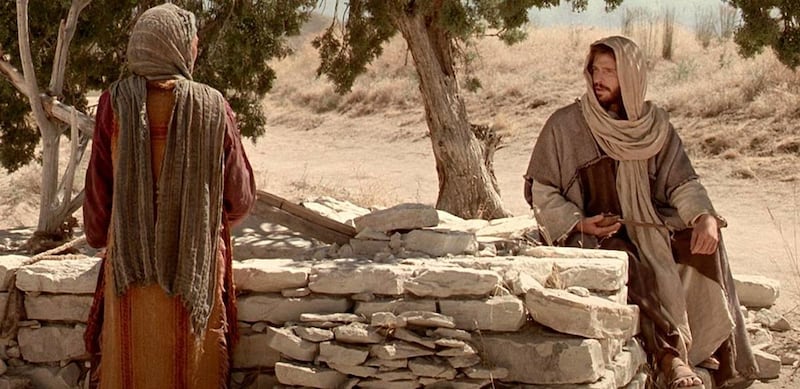
After Jesus Christ testified of His calling to the woman at the well, she became a “builder of faith” for the Samaritans, President Freeman said (see John 4).
Messengers of Hope (ages 14–15)
The scriptural basis for the name of this class comes from Mosiah 18:8-9, which speaks about being “willing to mourn with those that mourn; yea, and comfort those that stand in need of comfort, and to stand as witnesses of God at all times and in all things.”
“A Messenger of Hope carries Christ’s message of hope to the weary, speaking peace, sharing comfort and lifting hearts through the power of the Spirit,” President Freeman wrote.
“As Sisters in Zion,” verse 2, reads:
And this is a gift that, as sisters, we claim:
To do whatsoever is gentle and human,
To cheer and to bless in humanity’s name.
President Freeman gave the scriptural example of Mary Magdalene, who was the first to see the risen Lord and become a witness of Christ and “a messenger of hope” (see John 20).

Gatherers of Light (ages 16–18)
The scriptural basis for the name of this class comes from Doctrine and Covenants 50:24: “That which is of God is light; and he that receiveth light, and continueth in God, receiveth more light; and that light groweth brighter and brighter until the perfect day.”
“A Gatherer of Light trusts divine guidance and draws strength from covenants as she seeks, gathers and reflects God’s light,” President Freeman wrote.
“As Sisters in Zion,” verse 3, says:
If we but fulfill it in spirit and deed.
Oh, naught but the Spirit’s divinest tuition
Can give us the wisdom to truly succeed.
President Freeman gave the example of Emma Smith, who “as a gatherer of light” was set apart to teach scripture and encourage the Latter-day Saints (see Doctrine and Covenants 25).

In conclusion, she wrote to young women: “You are seen by God. You are known. You are named. You are beloved. The Lord has a great work for you to do. You have an eternal nature and a divine destiny. You are His.”
