




As part of its global effort to care for those in need, The Church of Jesus Christ of Latter-day Saints is actively involved in several humanitarian projects in Brazil.
So far in 2026, these efforts have included constructing a hospital elevator in São Paulo, distributing food baskets in Pernambuco, donating water filtration kits in the Amazon, fighting childhood cancer in Ceará and supporting educational initiatives in Paraíba.
Constructing a hospital elevator
In São Paulo, a donation from the Church helped provide a new elevator at the Institute of Cancer Dr. Arnaldo Vieira de Carvalho. A May 12 post on the Church’s Brazil Self-Reliance Facebook page reported that representatives from the Church recently participated in a handover ceremony for the elevator, which is now completed and in operation. The elevator enables medical staff to more safely and efficiently transport patients and equipment between different areas of the hospital.
This donation continues a collaboration between the Church and the cancer institute that began a few years ago when the Church donated hospital equipment to support surgical procedures and diagnostics. The Church’s contributions have helped modernize key areas of the hospital, directly benefitting patients and staff, according to the social media post.
Distributing food baskets
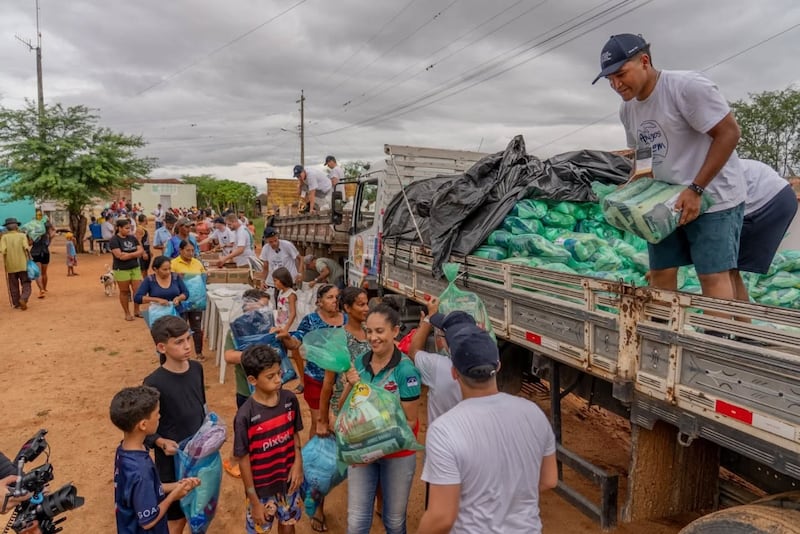
In the backcountry of the Brazilian state of Pernambuco, members of the Church’s Welfare and Self-Reliance Department volunteered alongside missionaries from the Brazil Recife South Mission with Amigos do Bem — one of Brazil’s largest nonprofit organizations dedicated to combating hunger and poverty in the region. The volunteers helped distribute food baskets in local villages, according to an April news release on the Church’s Brazil self-reliance page.
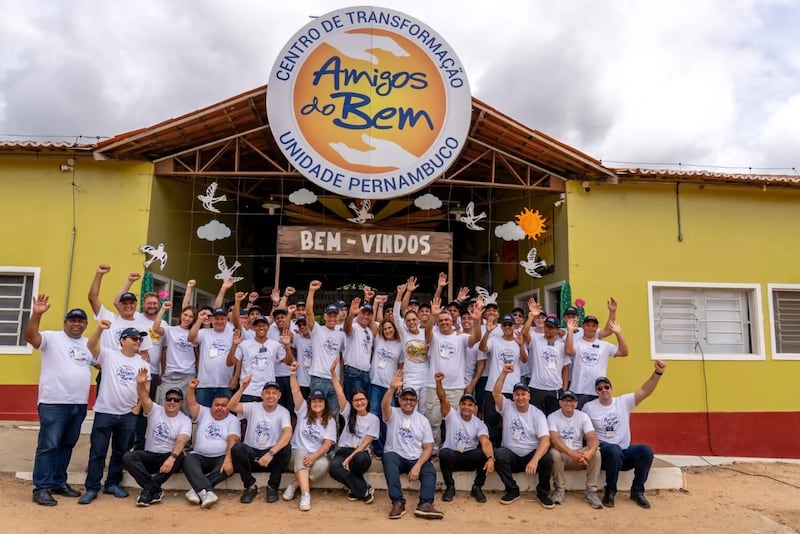
Additionally, the release stated that the Church recently announced a donation to a Centro de Transformação (Transformation Center) under construction in São Domingos, Pernambuco. The new educational complex is expected to serve approximately 2,000 children and their families. The Church’s donation will go to equipment, teaching materials and the implementation of vocational courses.
Donating water filters
The Church collaborated with Religiões pela Paz Brasil (Religions for Peace Brazil) and nonprofit Água é Vida Brasil to donate 8,784 nanotechnology water filtration kits to indigenous communities in the Amazon region of Brazil. A reel posted in February on the Church’s Brazil Self-Reliance Facebook page explained the impact of such a donation to hard-to-reach regions affected by drought and water scarcity.
The filtration kits allow water to be purified directly from natural sources, including rivers. In addition to distributing the kits, volunteers from the organizations trained local individuals to properly use and maintain the filters to ensure a safe and sustainable solution for years to come.
Fighting against childhood cancer
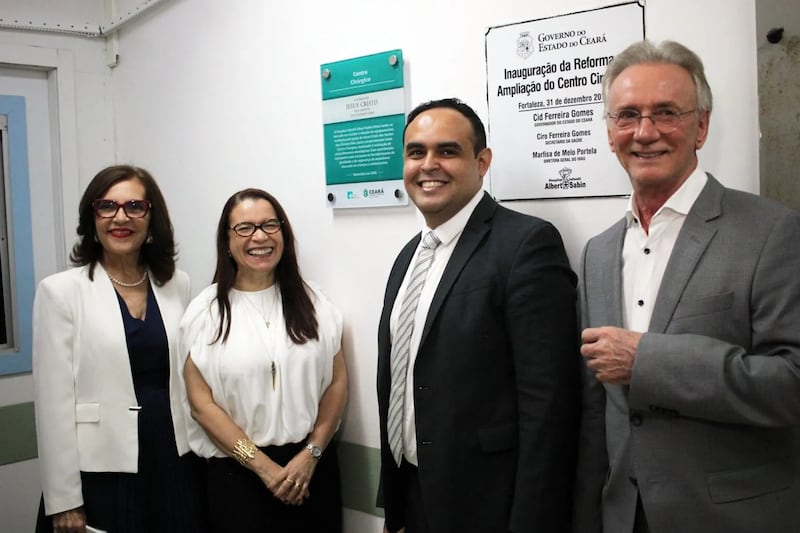
As part of a national initiative to fight childhood cancer in Brazil, the Church recently donated surgical and diagnostic equipment to Albert Sabin Children’s Hospital in Fortaleza — the only hospital in the state of Ceará qualified for highly complex pediatric oncology treatments, according to a February news release on the Church’s Brazil self-reliance page. The initiative to strengthen pediatric oncology care is being developed in collaboration with the Instituto das Cidades Inteligentes, an organization providing technical evaluation of public hospitals in Brazil.
On Jan. 20, the Albert Sabin Children’s Hospital held a ceremony to celebrate progress on the initiative. The secretary of health of the state of Ceará, Tânia Coelho, attended the event as well as representatives from the hospital’s management and technical staff, institutional partners and the Church.
Supporting educational initiatives
Earlier this year, the Church donated lab equipment to the gastronomy program at the Citizen Technical Integral School João Pereira Gomes Filho, located in João Pessoa, in the state of Paraíba, Brazil. Gastronomy is the study of the relationship between culture and food.
Representatives from the Church participated in a handover ceremony at the school, highlighted in a reel posted in January on the Church’s Brazil Self-Reliance Facebook page. Students and faculty expressed appreciation for the equipment that will greatly enhance the course training and provide more opportunities for students and their families.
