



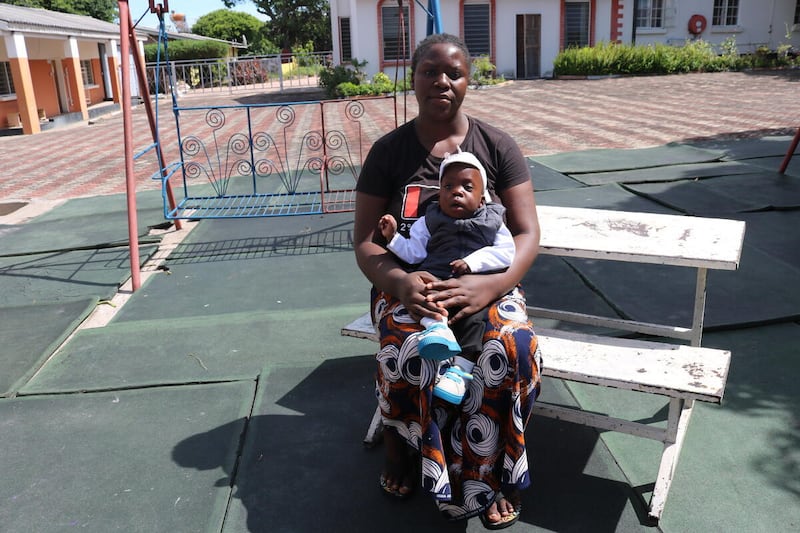

On Dec. 20, 2024, in Mongu, Zambia, a country located in south-central Africa, baby Samuel was born at just 26 weeks.
Weighing just under 2 pounds, Samuel’s body was severely underdeveloped. His lungs struggled to breathe, and he wasn’t able to regulate his own body temperature and feed properly.
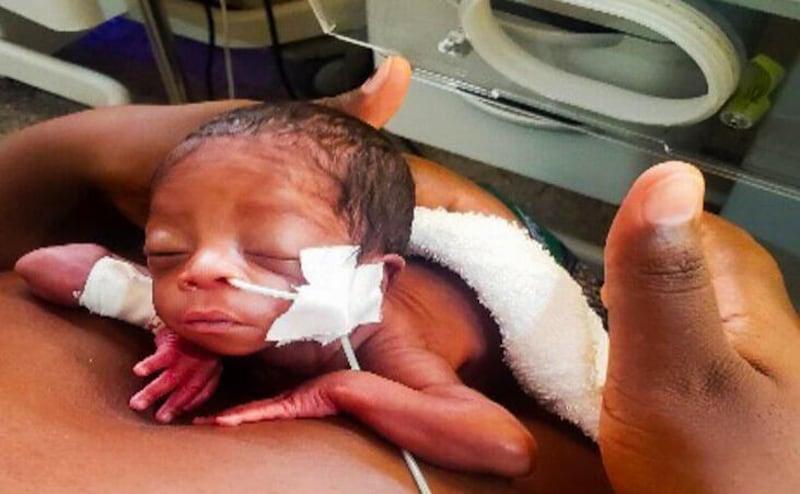
His condition worsened over the next few days, according to the worldwide nonprofit organization Save the Children. Samuel’s weight dropped even more, and he began to suffer episodes of apnea, a condition that causes the body to stop breathing for extended periods of time.
In a country with a 4% under-5-years child mortality rate — Zambia currently ranks 30th in the world for highest child mortality rates — Samuel’s likelihood of survival was slim.
“I truly believe that my baby is alive and progressing today because of the care and support we received,” said Samuel’s mother, Nasilele. (Her last name was withheld for privacy purposes.)
A month prior to Samuel’s birth, the Newborn Intensive Care Unit staff at Lewanika General Hospital received new and updated training on newborn care.
Provided by Save the Children, the training focused on maternal and newborn health and nutritional care.
This specific initiative, titled “Integrated Maternal, Newborn and Child Health and Nutrition Project,” was funded by The Church of Jesus Christ of Latter-day Saints.
The training implemented an improved newborn feeding technique called kangaroo mother care, designed specifically for premature infants.
It was this technique that ultimately saved Samuel’s life.
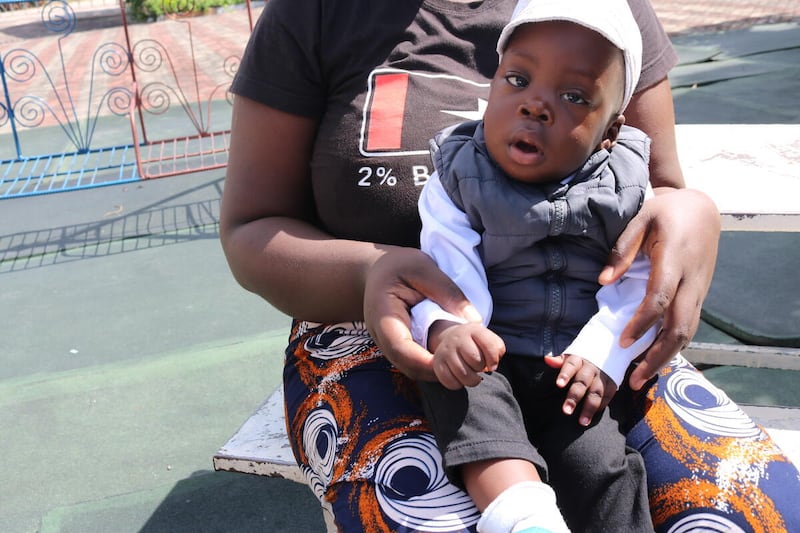
“From the day Samuel was born, the nurses and doctors never left us alone,” said Nasilele.
“They explained everything to me, encouraged me when I was afraid and taught me how to care for my baby, even when he was so small.”
Kangaroo mother care focuses on mother-child bonding through skin-to-skin contact and breastfeeding.
The method keeps the premature newborn wrapped in a cloth — much like a kangaroo pouch — and held against the mother’s chest. This helps the child hold a stable body temperature and aids in reducing stress on the body.
The technique also helps the mother alert NICU staff when the child stops breathing, allowing for faster emergency care.
With their newfound knowledge of infant care, the nursing staff’s approach to helping infants like Samuel had completely changed.
“Before our recent training, managing such a fragile baby would have been very difficult, and his chance of survival would have been much lower,” said a hospital worker who helped with Samuel’s care.
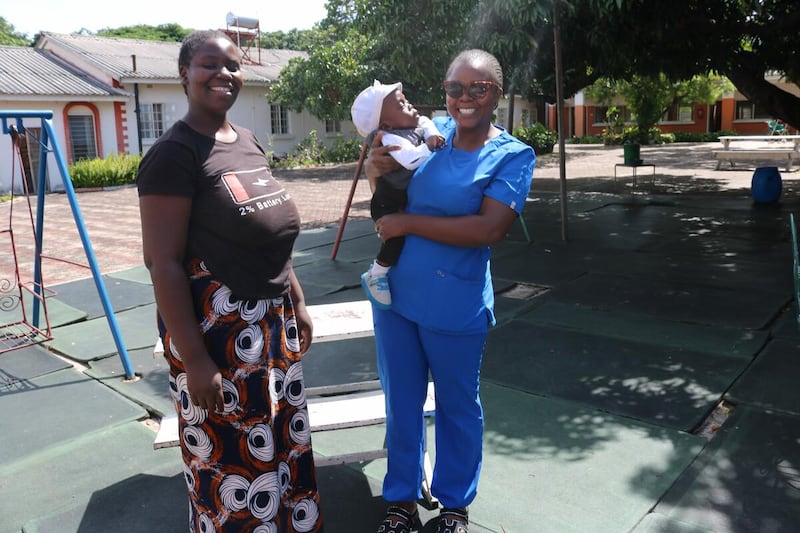
Despite the odds, and with the help of medical staff both day and night, Samuel began to improve. He gained 2 pounds, he began to feed consistently, and his breathing stabilized.
Less than four months after he was born, Samuel was discharged from the hospital.
By the time he was 10 months old, Samuel weighed 18 pounds and has been healthy and improving ever since.
The Church of Jesus Christ of Latter-day Saints made its first donation to Save the Children in June 2024, just six months before Samuel’s birth.
The Integrated Maternal, Newborn and Child Health and Nutrition Project is part of a larger $55.8 million donation to Save the Children and seven other charities.
In 2024 alone, the Church donated $1.45 billion in global humanitarian efforts. In 2025, the Church donated $1.58 billion to global humanitarian aid.
Now, in 2026, the Church continues to donate to humanitarian charities, with its most recent emphasis being the support of women and children.
Save the Children is an international organization and a world leader in its efforts to help children. In Zambia, their efforts seek to provide proper healthcare, nutrition and education.
It also fights for children’s rights and protection. The nonprofit organization has been active in Zambia since 1983.
Children in Zambia are confronted with a variety of challenges every single day. The multidimensional poverty rate is over 70%, causing a lack of basic resources to millions of children.
Thanks to considerable efforts in healthcare, the aforementioned under-5 child mortality rate has begun to decrease compared to past decades.
