
The Church of Jesus Christ of Latter-day Saints is growing in a number of island nations in the Pacific Area — and that growth has spurred some unique challenges.
In a recent video interview posted on the Pacific Area’s YouTube channel, Elder Peter F. Meurs, General Authority Seventy and Pacific Area president, explained how some Latter-day Saints in remote areas live in humble circumstances and lack access to electricity, internet or running water.
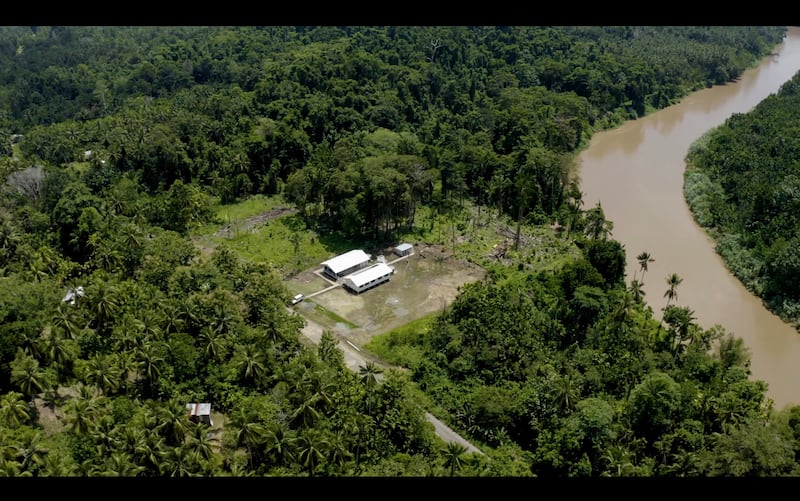
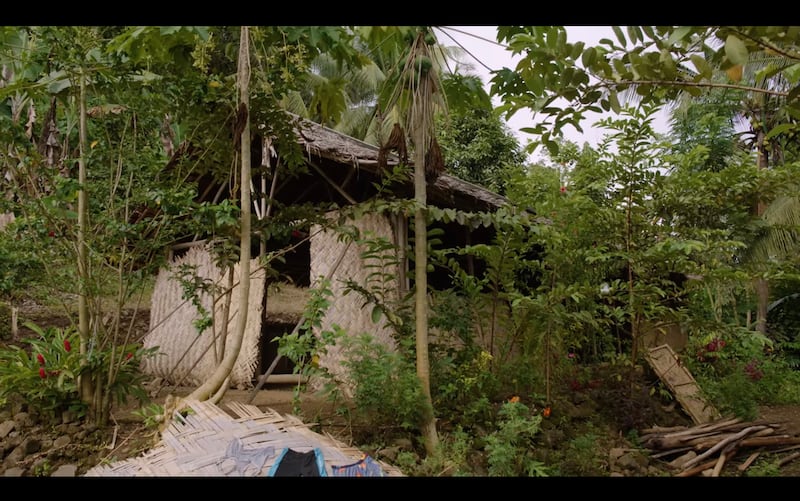
“In these places, there’s typically very few roads. There’s very poor or no transportation, and some will walk to church for two to three hours,” said Elder Meurs. “When they get there, they get to a bush chapel that has basically no technology, no facilities.”
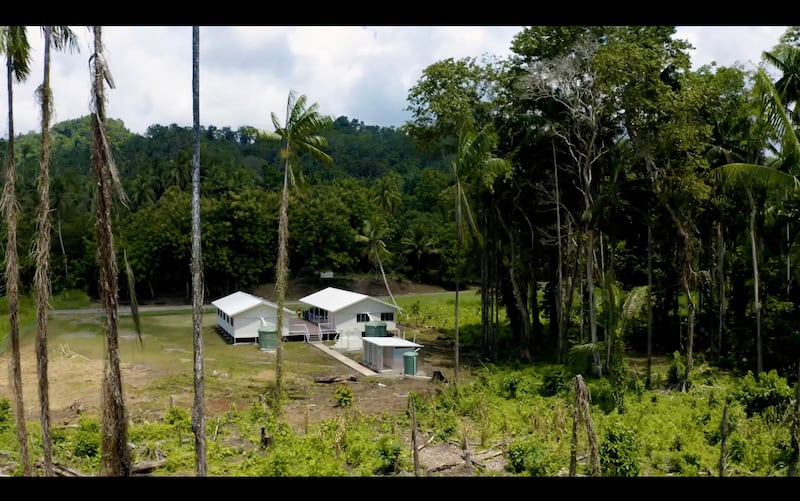
As a solution, the area created what they call the Simple Meetinghouse Plus Project — an open-concept meetinghouse with an extra wing of classrooms. These simplified meetinghouses are equipped with solar panels, batteries, lights and satellite internet service.
They provide shelter from the sun and rain while also harnessing both for sustainability. The solar panels convert sunshine into electricity stored in batteries to power lights and other electronics. Tropical rain is caught and stored in tanks.
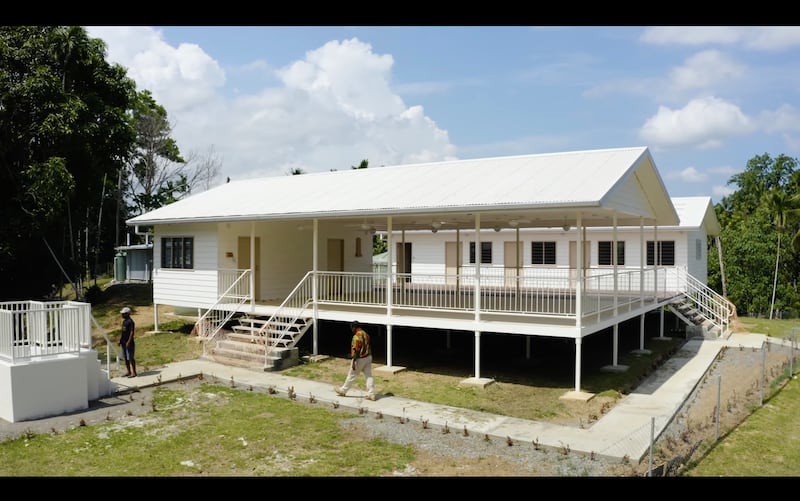
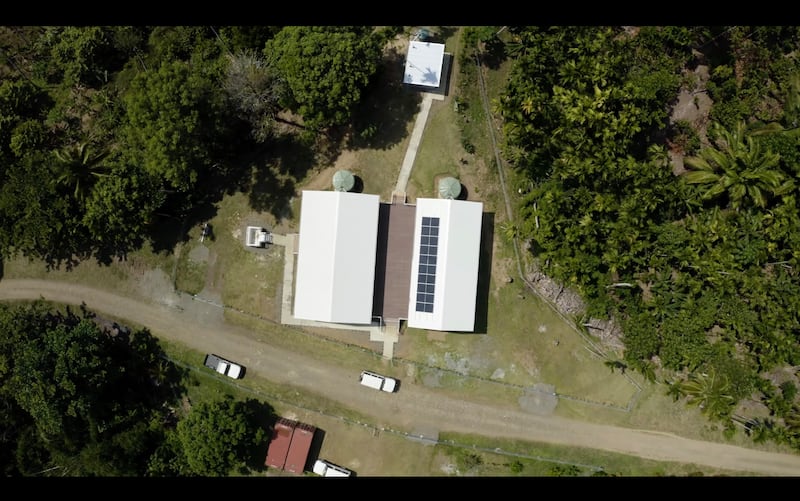
These buildings have all the facilities of a traditional Latter-day Saint chapel, but in a simple building, said Elder Meurs. The Church can build five to 10 buildings for the cost of a regular meetinghouse. “But the most important thing about these buildings is not what they’re made of; it’s what they make possible.”
Lights in the building enable school children to study and participate in the Church’s Succeed in School program. People can participate in seminary, institute and BYU–Pathway Worldwide classes. Youth activities, presidency meetings, priesthood training and self-reliance courses can be held. Church members can listen to or watch worldwide broadcasts like general conference.
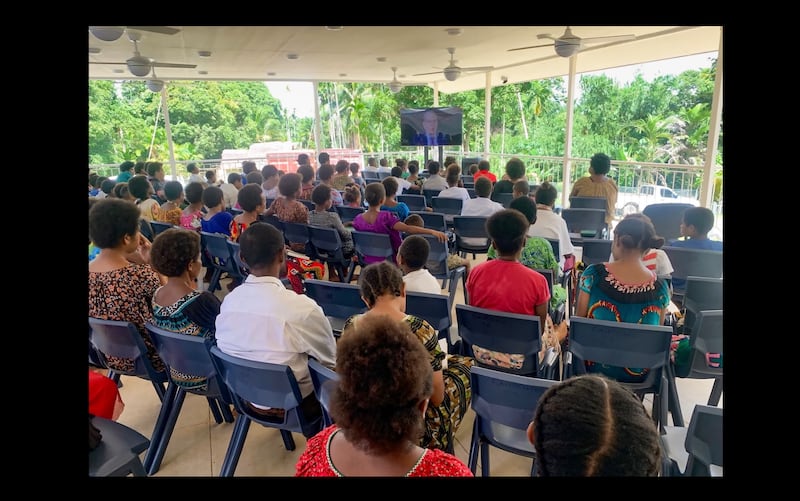
Mack Ambota, second counselor in the Eight Mile Branch of the Gerehu Papua New Guinea District in Port Moresby, Papua New Guinea, told the Church’s Pacific Newsroom: “It has helped us a lot with spiritual things. There is enough space to sit around and enjoy the environment. We have self-reliance courses here, and it helps them learn more and have more opportunities. The chapel brings more people. Last week there was not enough space for everyone. Plenty of people coming in.”
The branch’s Relief Society president, Rebecca Aga, noted that their old “bush chapel” was small and that many attendees would have to sit outside. “Now we have a new building here. It’s very good. It’s easy for us to fit everybody inside,” she said.
The new building has also spurred missionary opportunities. Betty Aputa, the branch’s self-reliance class instructor, said the new building “is helping us to reach out in our ministry, to reach out to others in the community. The courses run by the Church are bringing everyone here to this chapel, and we use it to introduce our self-reliance lessons. We are happy to share.”
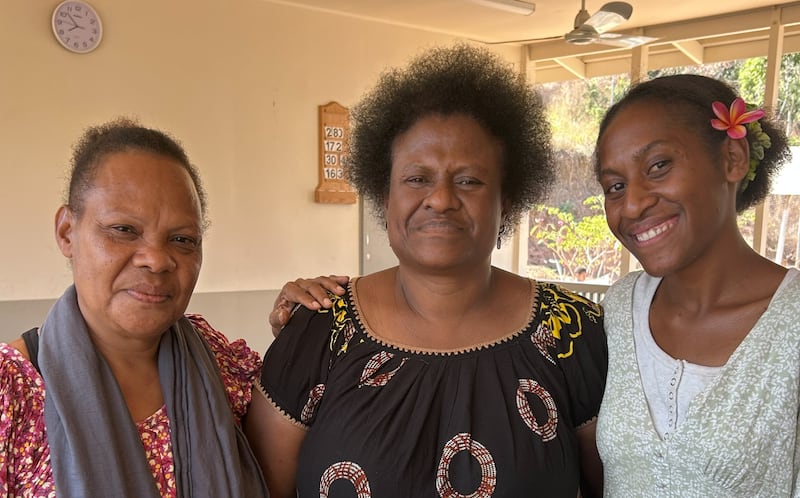
Elder Meurs said that in these remote locations, when the sun sets, everything goes dark. “Here in the darkness of these remote locations, the people can now gather. These are more than just buildings; they are spaces where even the most remote member can experience the Light of Christ.”
So far, 10 Simple Meetinghouse Plus structures have been built. Thirteen to 16 additional meetinghouses are scheduled for completion by the end of this year, including four in Vanuatu, one in Fiji and one in Kiribati.