
Korean senior missionary Elder Choi Chang-deok’s love for family history began as a child, when he would walk around the local cemetery with his father. Years later, he was elated to discover family records that had survived from the Japanese colonial period, which primarily spanned the first half of the 20th century.
“I believe it is a great blessing from my ancestors that it has come to my hands without being burned or lost over these many years,” he said.
As he used the records for his own genealogical research, Elder Choi had the impression that he should donate the records to the National Library of Korea, where they could be permanently preserved and accessed by more people.
“I hope my small faith will become a spark, igniting the faith of many and making the world a warmer place,” he said. “I hope the gospel will spread widely and we will remember our ancestors and draw closer to the Lord.”
As of December 2025, Elder Choi was serving his third mission, reported the Church’s Korean Newsroom. His main assignment was serving at the Busan Korea Stake FamilySearch Center, where he helped both members and friends of the Church discover their ancestors.
“The joy I feel while working on family history is indescribable,” he said. “I believe the Lord shares that joy.”
He also spends several hours each day entering data on FamilySearch. He said his personal goal is to input the names of every deceased person from all published records in South Korea into FamilySearch. He estimates that, with help, that goal can be accomplished in roughly 10 years.
Other Church members around Asia are also getting involved with family history and spreading the joy of genealogy. Read their stories below.
Family history fairs in Japan and Mongolia
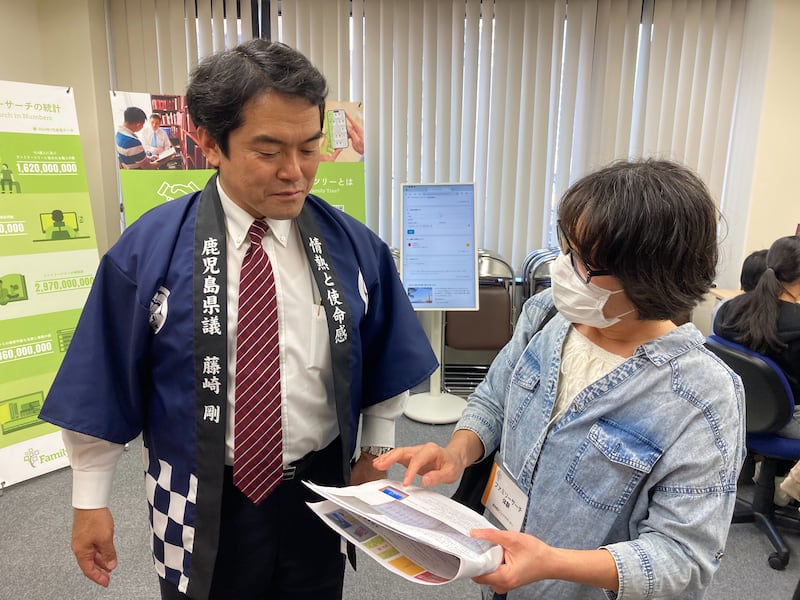
On Feb. 23, members in Kagoshima, Japan, held a family history fair to help community members discover their roots, reported the Church’s Japan Newsroom.
The fair — which was covered by two local television stations — aimed to make community members more aware of the Kagoshima Japan FamilySearch Center, which is one of 63 in Japan.
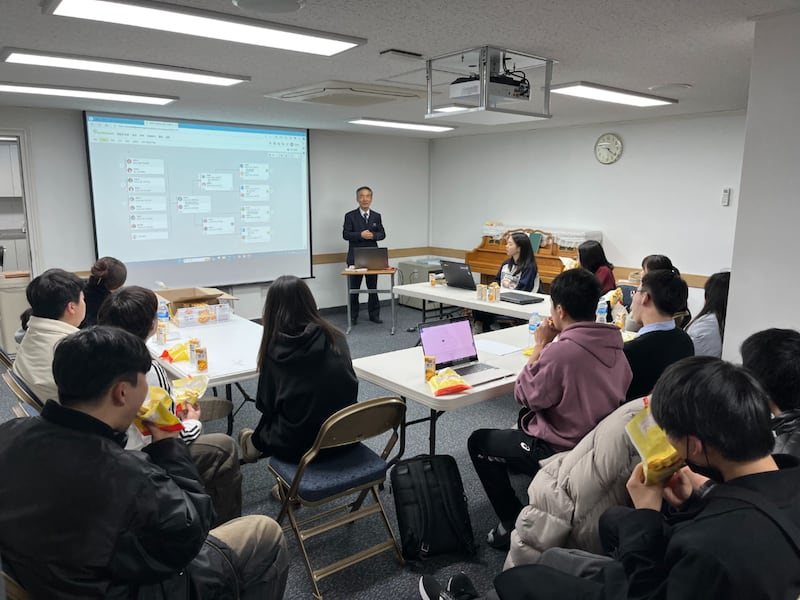
FamilySearch center coordinator Kazuyoshi Seza said, “We hope to continue to fulfill our role as a trusted and utilized base for family history research within the local community.”
Tsuyoshi Fujisaki offered a keynote address focused on taking advantage of the rapid digitization of records to do more genealogical research.
“Knowing where and how our ancestors lived, supported their families and progressed through the ages encourages us to think about how we should live our own lives,” he said.
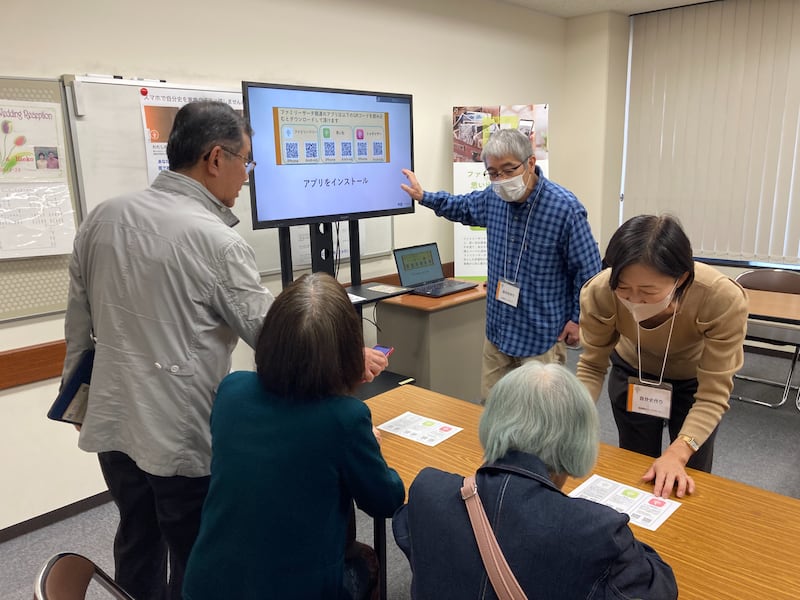
In addition to the keynote address, the fair offered booths to help people connect to their ancestors, like one where visitors could colorize and animate black-and-white photos using the MyHeritage website.
“It was like being reunited across time,” one participant said.
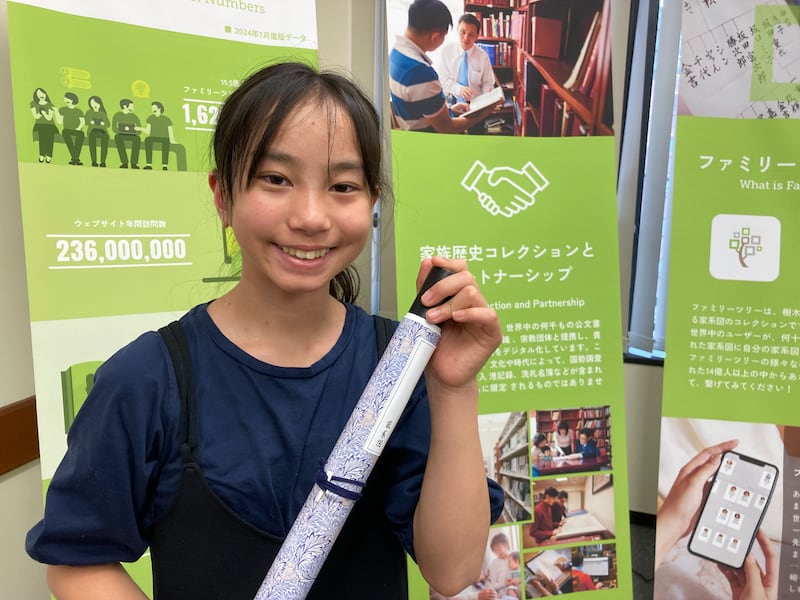
To help members prepare for the Osaka Japan Temple, which was announced in the October 2023 general conference, the Kyoto Japan Stake also held a family history fair on Oct. 25, 2025, according to the Church’s Japan Newsroom.
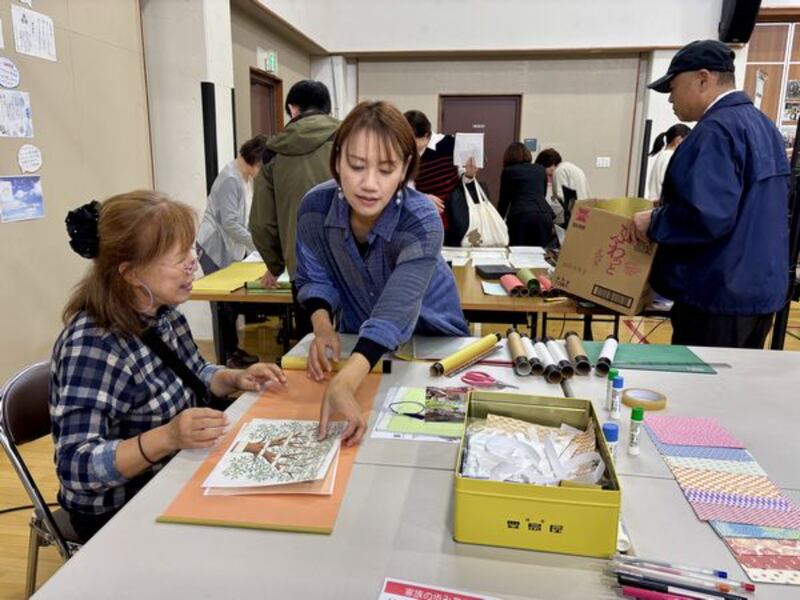
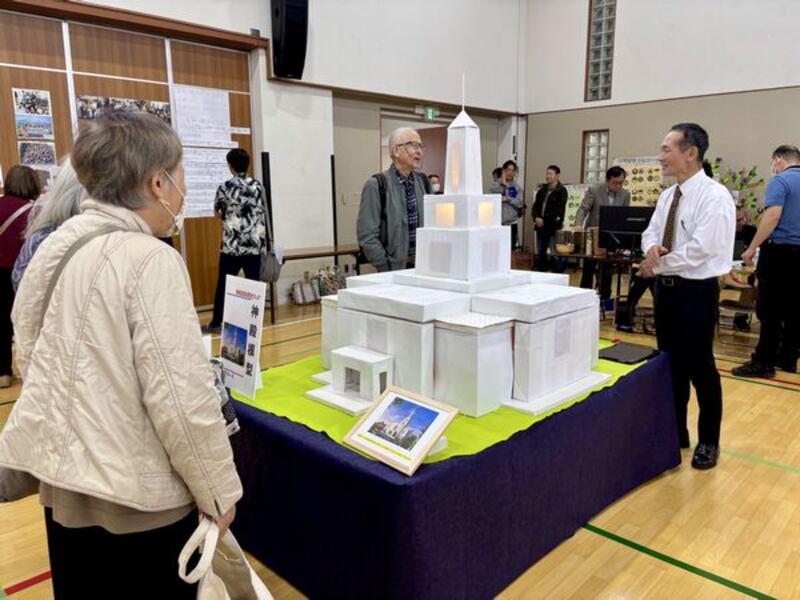
The 131 attendees visited an assortment of booths that taught individuals how to use the Family Tree and Memories apps, browse online record databases and read cursive records. The booths were complemented by a large paper model of the future Osaka temple.
Koji Iwase of the Kyoto Japan Stake said,: “I pray that the next event will be an opportunity to further deepen our understanding of temple and family history, to experience the excitement of exploring and developing it and to bring more gratitude and joy.”
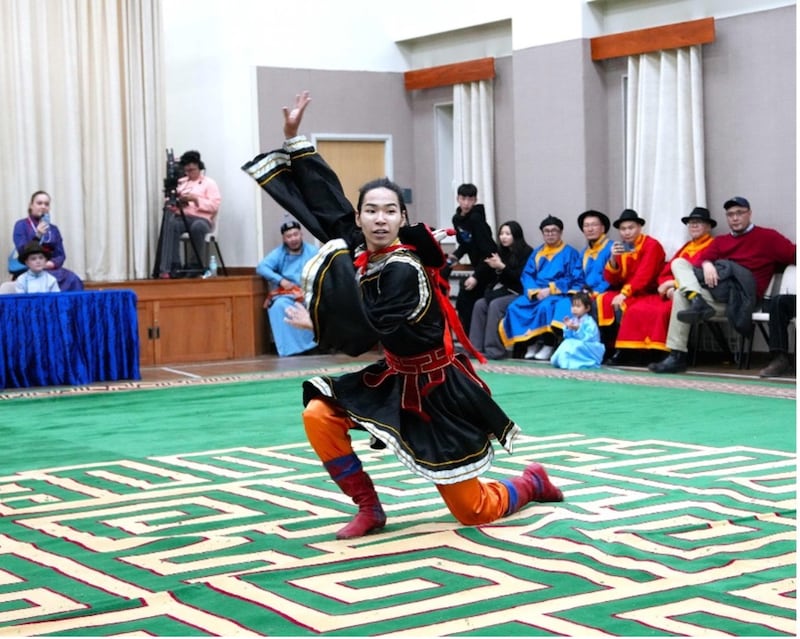
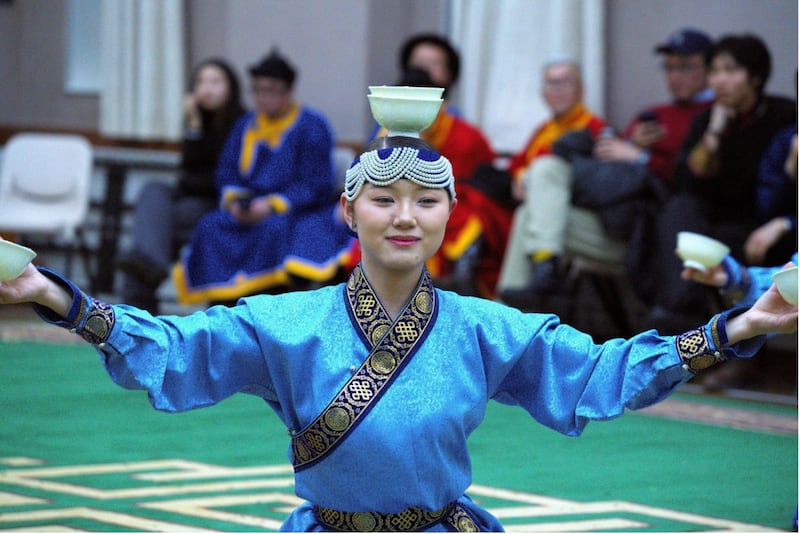
Members in Mongolia celebrated the Lunar New Year with a family history event on Feb. 14, reported the Church’s Mongolia Newsroom.
Combining national tradition with family history, the celebration featured performances highlighting traditional Mongolian dress and art.
Family name card kiosks in Japan and South Korea
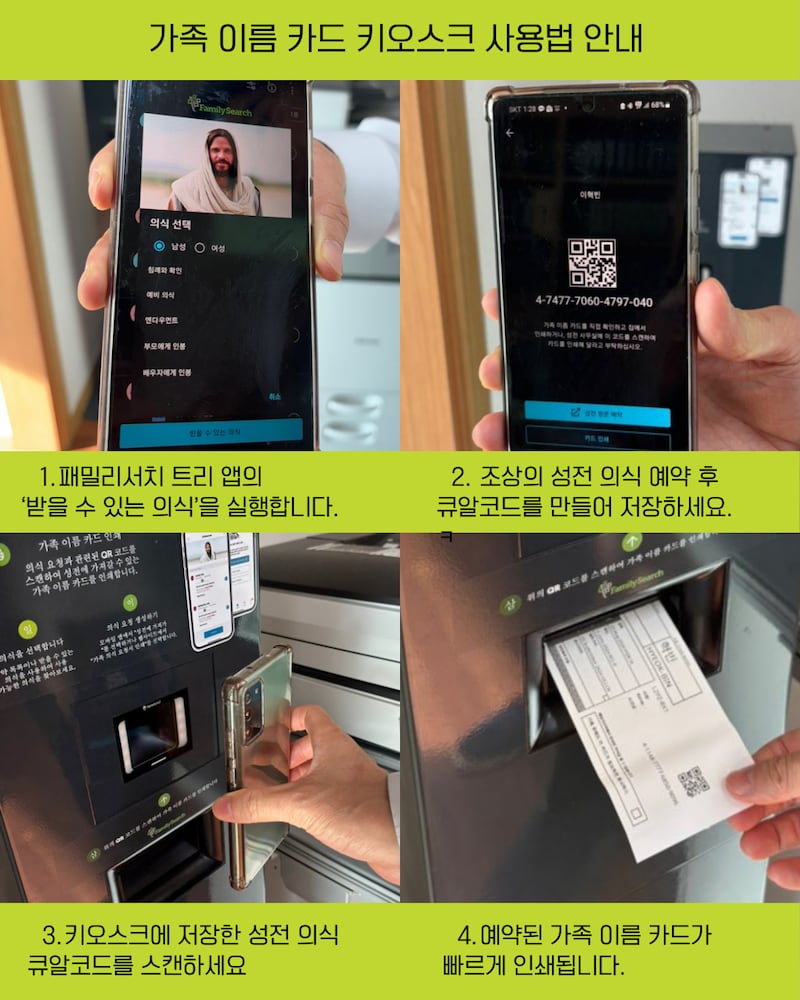
In an effort to encourage patrons to bring family names to the temple, family name card kiosks were installed at FamilySearch centers adjacent to temples in Japan and South Korea in November and December 2025.
According to both the Japan and Korea newsrooms, the kiosks are meant to eliminate barriers to printing one’s own family name cards, such as not having access to a printer.
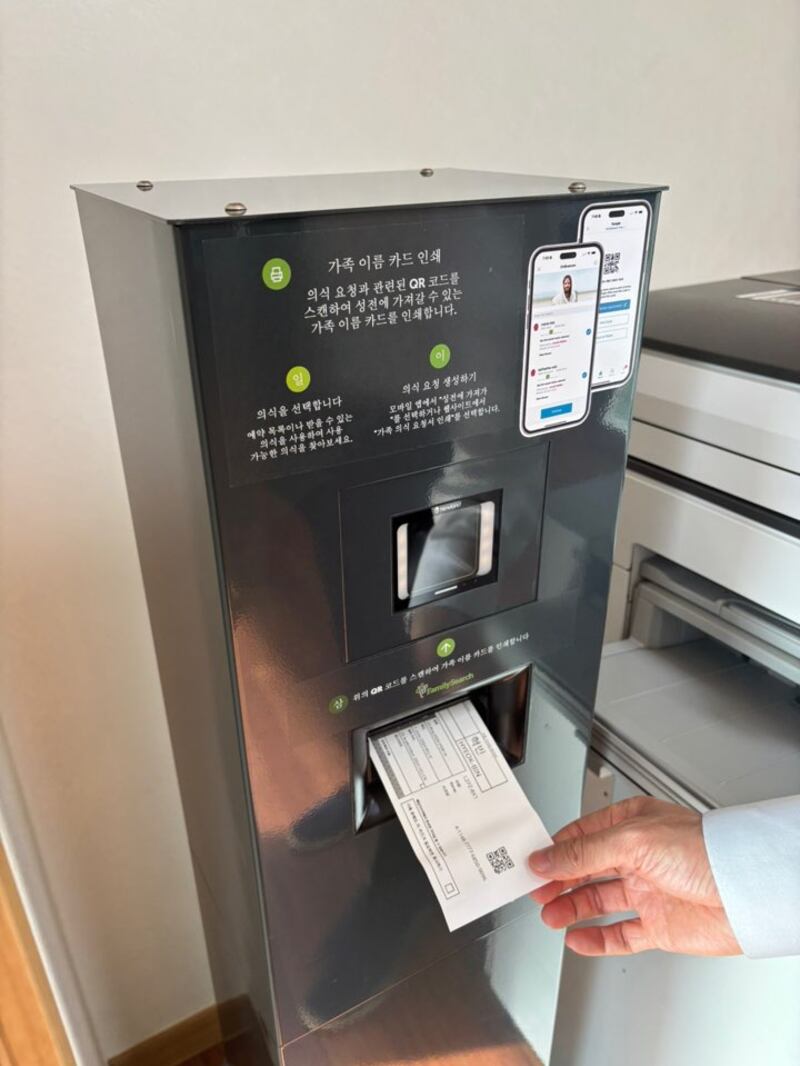
Using Ordinances Ready, patrons can scan a QR code at one of these kiosks, which will print the ordinance cards on small slips of paper — eliminating the added step of cutting out family name cards.
A representative of the Family History Department said, “It is our sincere hope that by 2026, it will be established as a sacred custom for the younger generation to visit the temple and not only participate in ordinances using the names on the temple card provided to them but also bring with them the names of their ancestors that they have discovered themselves.”