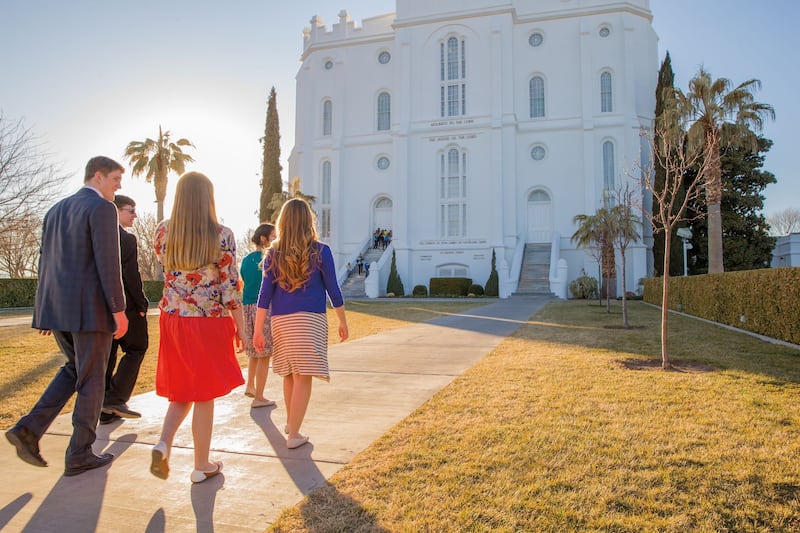


Refinements to the Children and Youth program of The Church of Jesus Christ of Latter-day Saints, coming in January 2027, are meant to help the rising generation become lifelong disciples of Jesus Christ.
Now the program will be centered around three pillars: Believe in Jesus Christ (gospel learning); Belong to Jesus Christ and His Church (service and activities); and Become more like Jesus Christ (personal development).
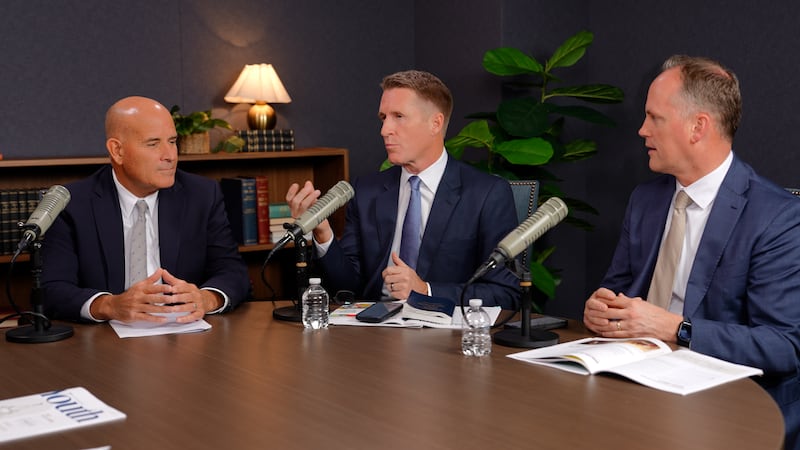
On this episode, Young Men General President Timothy L. Farnes and his counselors, Brother David J. Wunderli and Brother Sean R. Dixon, join Church News editor Jon Ryan Jensen to discuss what the refinements mean for young men, their parents and leaders.
Two other podcasts released today with the Young Women general presidency and Primary general presidency outline what the refinements mean for those organizations.
Listen to this episode of the Church News podcast on Apple Podcasts, Amazon, Spotify, bookshelf PLUS, YouTube or wherever you get podcasts.
Transcript
Jon Ryan Jensen: I’m Ryan Jensen, editor of the Church News. Thank you for joining us for today’s episode of the Church News podcast.
Recently, the Church announced refinements to its Children and Youth program. And in this podcast, we’re going to have one of three conversations from the Church News where we interview presidencies from the three different organizations affected by these refinements.
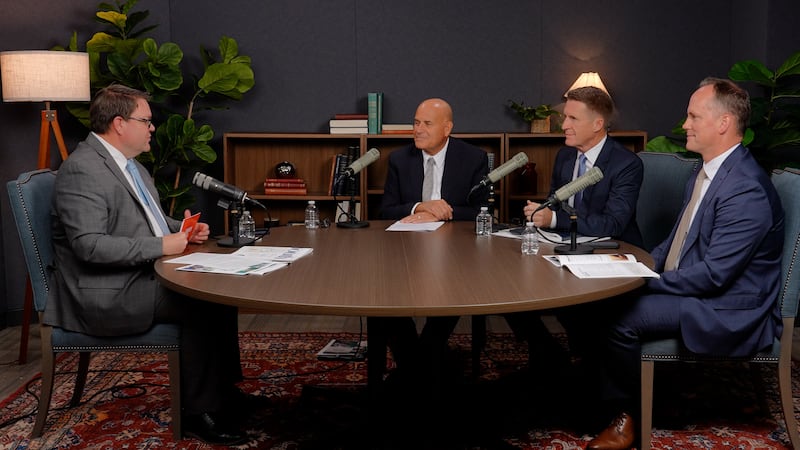
We have one interview with the Young Women general presidency, one with the Primary general presidency, and today we are going to be joined by the Young Men general presidency of The Church of Jesus Christ of Latter-day Saints to talk about these refinements.
Before we begin, I would like to invite our listeners and our viewers to go to youth.ChurchofJesusChrist.org to download the newest tool kit that is designed with resources to help you implement these refinements in your ward, in your family and with other responsibilities that you may have with youth in your life.
I want to welcome President Timothy [L.] Farnes, Young Men general presidency, and Brother [David J.] Wunderli and Brother [Sean R.] Dixon. Thank you both, or all three of you, for being here with us today.
President Timothy L. Farnes: It’s great to be with you again, Ryan. I appreciate it.
1:04
Jon Ryan Jensen: On Nov. 3, we had the announcement of these refinements. And, President, I just want to give you the first shot to really tell us what this is about and what people need to know before we really dive in deep on the conversation.
President Timothy L. Farnes: I think it’s a — it gives us the ability to maybe help the youth of the Church, the young men and young women, live more fully the gospel of Jesus Christ, to live with more intention and understand more fully who they can become, who they’re believing in and who they belong to. And those are the three pillars of the program. But in reality, it’s all about lifelong discipleship. And that really hasn’t changed much.
In chapter 10 of the handbook, it says the purpose of the Aaronic Priesthood quorums is to “help young men make and keep sacred covenants and deepen their conversion to Jesus Christ and His gospel.” So these really are just refinements, and maybe it’s to get us living more fully, becoming the disciple we’re expected to be, and connecting more fully with our Father in Heaven on a daily basis and His Son, Jesus Christ.
2:04
Jon Ryan Jensen: I like how you’ve described that, and I think that for those who are feeling like we’ve already seen some adjustments, this is not replacing anything that has just started with the new 25-minute classes. It’s just an iteration that helps us build on those.
And I know that you’ve had some observations yourself of some of that first tweak with the 25-minute classes?
2:26
President Timothy L. Farnes: Yeah. The first in the handbook right now is Gospel Learning, and that is “Believe in Christ.” Then we have Service and Activities, and that’s “Belong to Christ and His Church.” And the last is Personal Development, and that’s “Become Like Christ.”
Maybe we’ll begin with Believe in Christ, and that has everything to do with what happens on Sunday and maybe during the week. And the 25 minutes, I think people are a little more accustomed to that.
It’s important they know that we now have 12 topics to discuss during the year, and each of those are found in the “For the Strength of Youth” guide. And each of them has a theme and a doctrine that’s being discussed, and I think it’s important to lean into that. And there’s a lesson on the fast Sunday, and then the second and third Sunday, and then the last Sunday. Fifth Sunday is up to the bishop, and he can decide what he wants to talk about during that time.

But I think it’s important that they know that that is available to them online on the Gospel Library and also in their For the Strength of Youth magazine they get every month. And if they don’t have that, they can subscribe to that, one for free every household. And if they need additional ones, they can get additional through online resources as well.
Jon Ryan Jensen: Store.ChurchofJesusChrist.org has the ability to order them there. And depending on if you have distribution centers nearby, you can get them through those as well.
3:38
Brother Sean R. Dixon: And we understand that there’s some people that are still a little confused. Is it all in the “For the Strength of Youth” guide? Are all four weeks in the “For the Strength of Youth” guide? But it’s important that they have the magazine and that they understand that there is curriculum that has been written to support what is in the FSY guide, but it’s not just teach the FSY guide all month.
President Timothy L. Farnes: And maybe most critical is that they have that fast-Sunday lesson. They will always have a fast Sunday every single month, independent of conference or stake conference or other things that happen. And so the fast-Sunday lesson and the last-Sunday lesson are the most important. The second and third can happen in those second and third weeks if there are second and third weeks, or maybe they are compressed into one week if they only have two or three weeks in a month.
But that fast-Sunday lesson, a lot happens there. There’s invitations now that they’re accepting, and you can kind of think of an invitation as, “What is the Lord inviting me to do?” And then the goal is: “How am I going to achieve that? What am I going to do to accomplish that goal?” And there’s invitations that are at the front of the “For the Strength of Youth” guide in every chapter for every month, and it pertains to the topic that’s being discussed, the doctrine that’s being discussed.
Or they can make up their own invitation, inspired invitation, but in order to do that, I think it’s important that the advisers work with the youth during the week to understand what they’re going to be discussing and they come prepared, ready to accept an invitation, ready to do something different in their life and become more like Him.
5:04
Jon Ryan Jensen: I wonder if you could help us with one part of this, because for some of the parents who are hearing this, they’re saying, you know: “We’ve been asked to read the Book of Mormon together as a family, and we’re trying to stay up on ‘Come, Follow Me’ together as a family. And now we have these invitations that we’re trying to help our youth with as well.” I don’t want those parents to feel overwhelmed by what’s in front of them with this.
What counsel would you give to those parents so that they can easily wrap their arms around this and feel empowered to do what they need to, to bring the Spirit into their homes?
5:36
President Timothy L. Farnes: That’s a great question. I hope that the parents will be involved in that invitation, and maybe it’s something they work on together. Maybe it pertains to “Come, Follow Me” or reading the Book of Mormon or something else they’re doing as a family. Maybe in the past they thought the goals of the youth weren’t to be discussed, and I think the leaders, advisers — parents in particular — should be involved and engaged in what their young man or young woman or youth are trying to do or who they’re trying to become through accepting of those invitations.
6:03
Brother Sean R. Dixon: Formerly, there was the goal part of the personal development section of the program, and it all centered around the four quadrants and Luke 2:52.
Jon Ryan Jensen: Right.
Brother Sean R. Dixon: And so we’re no longer using that model right there, but we’re continuing to focus on goals, accepting invitations, but now in the context of the “For the Strength of Youth” guide and making those invitations anchored in the monthly topic rather than anchored back in Luke 2:52.
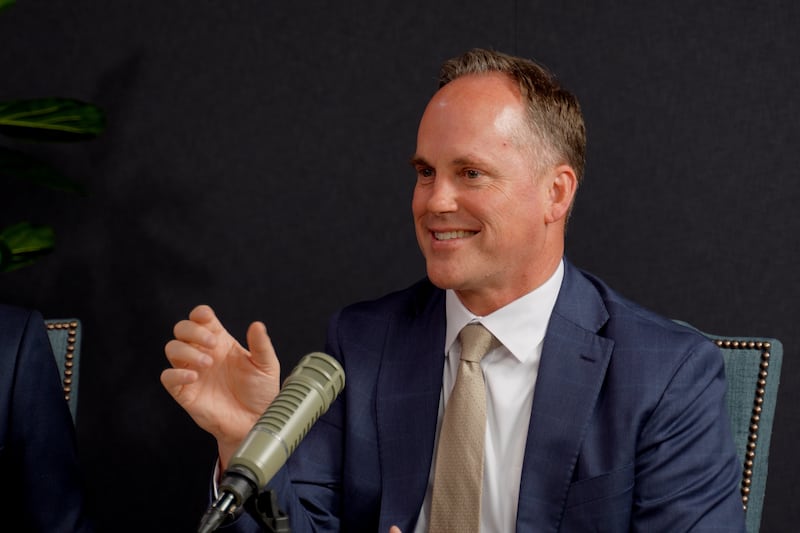
So some people are like, “Are we doing both of those things together now?” And that might feel overwhelming. The refinement is now we’re going to follow that same principle of acting in faith, but now focusing our efforts into the monthly topic of the “For the Strength of Youth” guide.
6:48
President Timothy L. Farnes: That’s a good clarity. It’s important they don’t think they have the four quadrant goals and also these new invitations on top of this to take place and hopefully push them into a higher, holier way.
The leaders, advisers, should be helping the youth study the topic during the week, come prepared to discuss what they’re learning and how they’re living. They should think of it, and there’s going to be some handbook changes that’ll come about in February, but we’re leaning into what those will be right now. And they should, either a youth or an adviser or a combination of the two, should come prepared to lead a discussion about what they’re learning at home, how they’re living the gospel and how it’s changing their lives, how it’s transforming them.
7:28
Brother Sean R. Dixon: Just recently since we’ve had this change, I’ve seen a young man teaching, or I should say leading a discussion, but he’s doing it with his father. In this particular quorum, the bishop felt inspired to ask fathers to be discussion leaders along with their priest-age young men. So as I watched this, the young man really was leading the discussion, but there were oftentimes where he would look over to his father and say, “Could you share the example you shared with me during the week as we prepared together?”
Brother David J. Wunderli: And the father would share that example and give his insight and wisdom from his perspective being older and more seasoned. So I think it’s a wonderful example of how this could work.
8:14
Jon Ryan Jensen: I love that too because it shows that they’ve had a discussion before he’s put in the moment. He wasn’t put out there, hung out to dry, so to speak, but had some preparation before.
Brother Sean R. Dixon: It was really obvious that Amulek was well prepared. And he became one of the great gospel teachers in his own right.
President Timothy L. Farnes: Amen.
8:34
Brother Sean R. Dixon: And I think we’re always looking to what the young men and young women are going to become. I mean, Amulek became a mighty teacher. Some of the greatest doctrine we learn in the Book of Mormon comes from Amulek. And it was because of that opportunity he had to teach alongside Alma and learn from him.
President Timothy L. Farnes: Great companionship.
Brother Sean R. Dixon: Yeah, powerful.
President Timothy L. Farnes: They led a great discussion, didn’t they?
Brother Sean R. Dixon: They did.
President Timothy L. Farnes: Think about that discussion.
8:58
Jon Ryan Jensen: Part of that becoming is what we do every day with the Book of Mormon. I understand there’s a requirement that is now part of this program as well. Is that right?
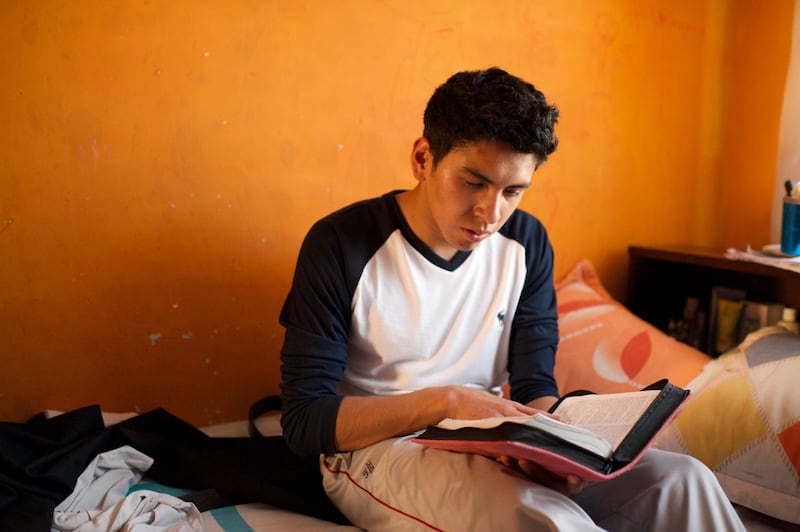
President Timothy L. Farnes: Yeah, the Book of Mormon is an integral part of everything moving forward. We want every young man to have read or listened to the Book of Mormon before he turns priest age. But also, a lot of the references in the curriculum and other places, and even the scripture hero stories on the last Sunday of the month, refer to a scripture hero from the Book of Mormon.
We all witness that the Book of Mormon will bring a power into the young man’s life like no other. And to avoid that deception, temptation, to stay on the straight and narrow path, that power will flow into their life the moment they begin a serious study. And maybe it’s just a few verses a day, but it’s important they open the words in the Book of Mormon to hear His voice and understand Him more fully each and every day. And that’s an integral part of what we’re doing moving forward.
9:55
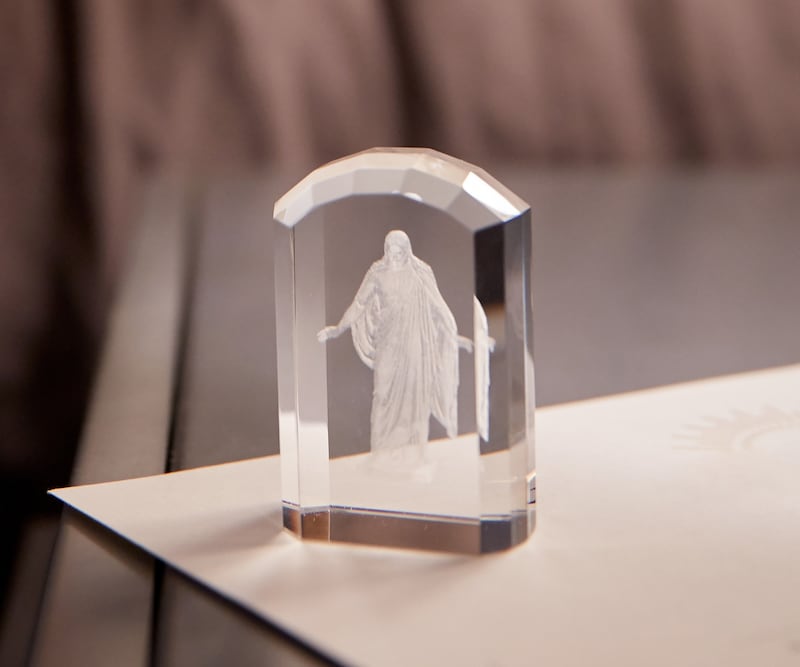
Brother Sean R. Dixon: And one of the things that’s new there is that they’ll be receiving emblems. And we’ve received emblems in the past. Those will mostly be retired and kind of repurposed as part of this refinement. And when each of the young men enter into the program and they become deacons, they’ll receive a Christus statue. It’s kind of a crystal statue. And that will be the opportunity for them to begin their time in the program understanding what it’s all about, that they are there to become lifelong disciples and focused on Jesus Christ. And they can put that somewhere in their room or somewhere that that can just be that constant reminder.
But then just before they become priests, as President Farnes mentioned, they can receive an emblem of achievement. And in order to receive that, there’s some things that they can do. And it’s acting on these invitations that they do each month, being able to accept invitations and then act upon them. And then that additional requirement of having read or listened to the Book of Mormon by that point. They’ll have an interview with the bishop, and he’ll have a chance to discuss what they’ve learned from their experience acting in faith, reading the Book of Mormon.
And then they’ll receive this oil vial. And on the oil vial, there’s an engraving of the temple, and it will help them to look forward to: “OK, my next steps are I’m going to be able to receive the Melchizedek Priesthood and actually give blessings. And I’m going to be preparing for my endowment.” So we don’t wait till they’re 18 to give them that. We do that a couple years earlier so that they can have that symbol in their hand to remind them about what’s to come.
11:41
Jon Ryan Jensen: I like this because when you look at how perhaps other parts of the world do this with a goal set at the beginning of a calendar year or a school year, you might set it, and then you don’t come back to it. And what we’re modeling here is that we’re going to set the goal every month and we’re going to revisit it at the end of the month to say, “How did we do?”
President Timothy L. Farnes: Even every week, right? But at the end of the month to really reflect. But yeah.
Jon Ryan Jensen: And then a new topic the next month, a new goal.
President Timothy L. Farnes: But all focused on becoming like Him.
Jon Ryan Jensen: Yeah.
President Timothy L. Farnes: So, yeah.
12:08
Brother David J. Wunderli: Right, no, I was just going to say I think it’s very important in all of that is those invitations really are individual. They’re not set invitations. They’re invitations that might be presented of “Here’s an invitation for you, but it’s adapted personal.” It’s personal into, “OK, how do I put that into my own life?” And I love how President Farnes just articulated that this is a forward — everything about these refinements are forward-looking. They’re beginning with the end in mind. It’s giving a vision to the youth where in a world of being tossed by the wind, let’s set a stake in the ground.
President Timothy L. Farnes: Love that.
12:51
Jon Ryan Jensen: You have talked about the way that this is all implemented through the For the Strength of Youth magazine and the different ways that that can be a resource. One of the additional resources in there is the new activity idea section as well. And so while we’re talking about the studying of the scriptures and the setting of goals, there are still activities that are expected for the young men as well, right?
President Timothy L. Farnes: Yeah, absolutely. Why don’t you talk a little bit about activities.
13:14
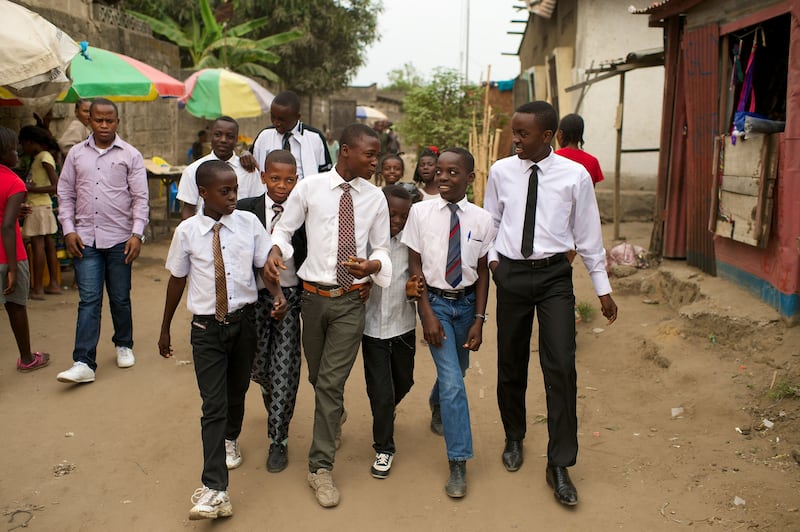
Brother David J. Wunderli: Well, you said the “new activities.” I don’t know that there’s really necessarily a new concept here. As was mentioned, the previous pillars, Service and Activities, was always one of the previous pillars, but we’re looking now at service and activity with an intended outcome. What is the intended outcome of service and activities? And that is that we have the youth feel like they belong, that they belong not only with a quorum or a class and that they’re accepted in there, but also that they belong in a way that they are participating. What is it that they’re doing to become more a part of the body of Christ?
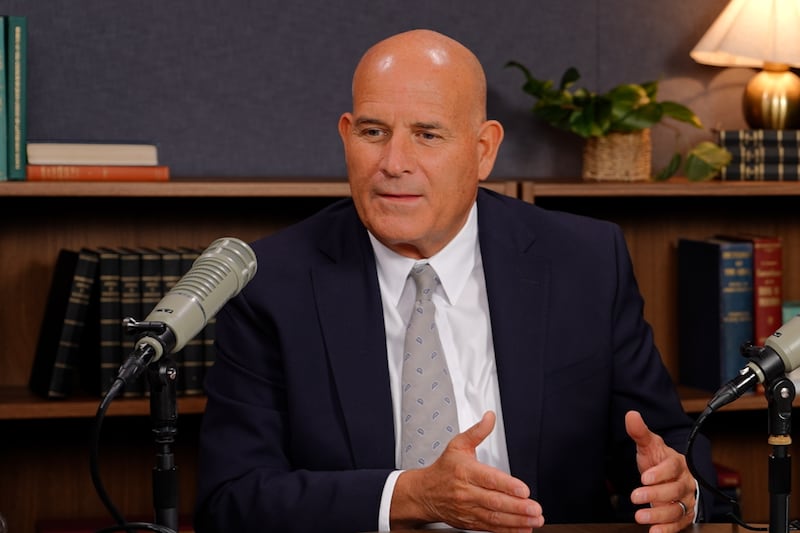
And as we talk about belonging to Christ and His gospel, we’re really also emphasizing belonging to the body of Christ in the sense that: “There’s a purpose here. I’m walking with Him. I’m abiding with Him. I’m doing something with Him. There’s a cause there.” So activities, service and activities continue, but with a greater intended outcome. And as we plan and focus on activities with that intended outcome, they’ll be more purposeful, they’ll be more intentional, and they’ll have a little bit — they’ll have more impact.
14:29
President Timothy L. Farnes: Talk a little about what’s coming though in the monthly magazine and then maybe what goes in that.
Brother David J. Wunderli: Yeah, so what is new, or what is a help that’s new, is that because this is service and activities, we’d like to always connect them to what they’re learning during the month. In the curriculum in each of the month’s magazines, there will be two suggested activities, and these suggested activities tie directly to that month’s eternal truths and the focus that we’re on. They’re not requirements to do those activities, but they are highly recommended because they connect so well to the lessons for that month.
15:05
Jon Ryan Jensen: I know in my ward, they’ve been a great starting point for conversation among the young men, even just like the goals. If they want to adapt them a little bit, that’s OK. We know what they tie back to in those few weeks.
Brother David J. Wunderli: Yeah, one of the challenges with creating a plan is really being creative and coming up with “What should that activity be?” And to have these suggestions every month, “Here’s two activities that you can choose from.” In addition to those activities that are in the monthly curriculum there on the youth magazine, we have also, we’ve got a wonderful advisory council. And part of the talent, or some of the talents of this advisory council is that they are creative and that they’re good at outdoor things and outdoor activities, and you’ve asked them to help create a repository of suggested activities.
So in addition to the two per month, we’ve created over 150 activities that have been written and created and suggested by them and others, but mostly by our advisory council members that we are beginning now going through the process of translating and getting them prepared. They’re being put into a repository, but it’s a resource for advisers and leaders to draw from.
16:20
President Timothy L. Farnes: Where will that be found?
Brother David J. Wunderli: So that’s going to be found — those are found — that will be found in youth.ChurchofJesusChrist.org, so the website, the Gospel Library. Those are the two primary places where we should always look for support for youth programming. But in addition to that, we have been and will continue to have little carousels of suggestions of activities each week in the Young Men Worldwide Instagram.
16:47
President Timothy L. Farnes: Those are all to kind of just give ideas. Elder [David A.] Bednar is constantly teaching us that he wants all of us, leaders in particular over advisers of youth, to experience Jacob 1:5, which is faith in anxiety unto revelation. He wants them to see maybe ideas and get some ideas from that. But at the end of the day, he wants them to know who they have in their quorum in such a way that they experience a little bit of faith and anxiety in planning and preparing an activity that will bring them unto the Savior, Jesus Christ.
So I pray that we’ll not just rely on these. It’ll be a good starting point, but it’ll be something that will turn us more fully to the Savior to receive revelation on how we can help our youth. I love the belonging, though, as well you talked about, and that’s so important that we just maybe spend a minute there.
17:34
Brother David J. Wunderli: Sure. One of the things that we’ve talked about is how important that is to feel like you belong. And we really consider two aspects of belonging. One is that you’re welcome, that you feel like you belong, that you’re welcome. The other part is that you feel like you’re part of the cause, that you’re part of the purpose.
And I’ve told this story before. My wife tells this story of a young woman in — she was a young single adult ward, and she got a visit from some ministering sisters that brought her cookies. How wonderful that was. But she called her mom, and she was really sad. And her mom said: “Why are you sad? You just got cookies,” right? She said, “I appreciate the cookies, but I would have rather baked them with those that bought them.” I think that’s just a reflection of belonging is more than just feeling like you’re accepted. It’s actually being a part of it, participating.

18:26
President Timothy L. Farnes: I love that. It’s like Elder [Gerrit W.] Gong says: No one sits alone. No one stands alone. No one walks alone. No one should be alone in The Church of Jesus Christ of Latter-day Saints. No one should ever feel that way. And that’s our responsibility as disciples of Jesus Christ, to make sure that people feel that love, His love, through us.
18:40
Brother Sean R. Dixon: I love when you’re planning activities to be thinking about, “Who’s not here?” not “What do all the people that are already here want to do?” but “What about the people that aren’t here? What’s something that they like to do, and how could we plan an activity that would bring them into the fire, help them to feel like they’re a part?”
And I witnessed that with a young presidency. They were planning, just kind of trying to talk about random activities they could do. There wasn’t much purpose. And a wise adviser, he just said this. He said, “Who’s not here today?” And the boys mentioned two people that weren’t there. And then he said, “What do they like to do?” And those two little questions that he asked transformed the meeting, and an activity was planned that was very purposeful that would bring in the boys that weren’t there. And just like: That’s it. That’s what belonging’s all about. That’s what we do, right?
19:32
Brother David J. Wunderli: I think going back to your Jacob 1:5 — activities, it’s not meant to be prescriptive. We really don’t want to prescribe these, and they need to be adapted worldwide. There are activities in Zimbabwe or Greenville, South Carolina, that will be different.
They will be adapted to the size of the quorum or the class. They’ll be adapted to the needs. And that’s the liberal application of this is that it needs to be applied locally to what the needs are.
I was just going to mention also, in addition, on this service and activities, camps. There’s been some misunderstanding with this, with the Scouting program going away. It was never intended that camping should go away.
And so in the regions where it’s feasible and up to the local leaders, boy, we sure hope that camping is continuing to happen, kind of high-adventure-type activities to multiday overnight things that are camps that should be happening. So there’s no pullback on that. There’s actually an emphasis on that. Let’s continue with that.
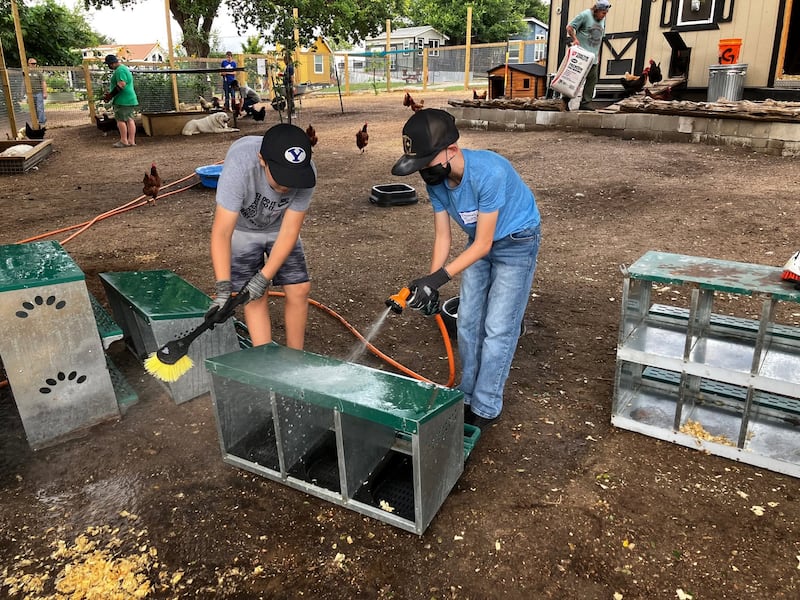
Brother Sean R. Dixon: There’s nothing like being in the wilderness doing hard things that helps pull a quorum together and to help them to be unified.
President Timothy L. Farnes: Less connection with the world, more connection with God.
20:51
Brother Sean R. Dixon: Yeah. And just being able to walk a trail with your bishop and build a relationship with him that way versus being called in once in a while into his office, like being able to relate to him as a man and maybe you’re having a hard time carrying your pack and someone comes up and helps carry your pack for you and what that might do.
Also, just doing hard things. In the world that we live in today, it’s kind of that young men today are kind of being pulled away from a lot of the hard things that they used to do, and we ought to get them in a setting, in an environment where they can be stretched, where they can learn resilience. Like, “Wow, I did something so hard.” I can think of a couple hikes I’ve done where I just thought, “I just can’t, I can’t do this.” And by the time I got done, I just felt like: “You know what? I just climbed a mountain. I can do anything.”
21:42
Brother David J. Wunderli: Think about how that changed you. Think about how that set the course of confidence and capacity and capability that you have.
Brother Sean R. Dixon: Accomplishing something you didn’t think you could do, with the help of a quorum. Wow, that’s magical.
Brother David J. Wunderli: And we need that. And it looks different throughout the world, but here locally especially, there’s opportunity to do that. The Church has actually purchased more campsites since the pandemic than less. So we are continuing to encourage that.
22:11
Jon Ryan Jensen: That’s happening all over the world, we’ve seen FSY camps existing and Church camps for families and ward campouts in different parts of the world as well.
Brother Sean R. Dixon: It’s the beauty of FSY, is this whole thing about belonging. I mean, you are actually put in an environment with FSY where you have opportunities to deepen your belief and then experience belonging, and a lot of times with people that you don’t even know. You are having to form these relationships and lead to habits that are going to help you to become something. So FSY has been a huge, huge blessing and is yielding some incredible results.
22:47
President Timothy L. Farnes: I think the bishops, the advisers should look at seminary teachers as an added adviser and FSY as an added activity. They should lean into those as part of what they do in helping the youth come unto Christ rather than looking at it as: “That’s a week away from me. I don’t need to worry about it” or “It’s a day away. The seminary teacher’s got it handled.” If there’s issues, call a seminary teacher, say: “Hey, we’re seeing this in the ward with some of the young men. Could you teach this? Could you add this to a lesson?” He should be one of your greatest advisers, that seminary teacher.
And then FSY, it’s changing lives. It’s a mini mission, if you will, that’s allowing them to open the heavens through the daily scriptures and reflection at night and the activities they have. Powerful things are happening. Get them to the FSY conference.
23:34
Brother David J. Wunderli: And that’s worldwide.
President Timothy L. Farnes: Yeah, it is.
Brother David J. Wunderli: We’ve been fortunate to be able to visit FSYs throughout the world and throughout the United States and Canada and Mexico, and my understanding is that there is an FSY camp going on every week.
President Timothy L. Farnes: Almost every week.
Brother David J. Wunderli: All year long. And what a blessing that is to the youth.
23:53
Jon Ryan Jensen: I know that for my own children, one of their first FSY aha moments was when my son went and for the first time stood with all of these other youth who he didn’t know, and they recited the Aaronic Priesthood Theme and the Young Women Theme. And he said that that was a really — I mean, he was surprised by it. Maybe he thought that just in his ward you stood on Sunday and recited that. But when they were all standing together and reciting that, it was a powerful moment for him.
24:23
Brother David J. Wunderli: Yeah. Think about the young men or young women that live in a branch and there’s only three of them in the branch and there’s only them in high school. And then to go to a place like that and feel like this, all of this under the umbrella of belonging, look at what that does for their feeling of belonging. And belonging not only with others but belonging to Christ.

24:44
Jon Ryan Jensen: I did want to ask, then: So, we have the becoming statements. The becoming statements don’t replace the themes. The themes are still in place, correct?
Brother Sean R. Dixon: Yeah. I think first of all, the become statements are a really powerful way of bringing focus to what it’s all about. So there’s actually 12 of them, and there’s one for each month, and it’s based on the topic of the month. And it also — they are kind of derived from the Aaronic Priesthood Quorum Theme. So you have that theme, and they’re taking the powerful messages of that theme and applying them to each of the monthly topics.
So, the first thing that will happen on a fourth Sunday, if you notice in the curriculum, there’s a statement, and it says to study together this statement. And we would invite all quorums to recite or read aloud that statement together — it’s such a powerful statement — and then to discuss exactly what it means. And really what those become statements do is they answer the question, “What is the work that God has for me to do?” So they all begin with that first paragraph of the Aaronic Priesthood Quorum Theme, which is, “I am a beloved son of God, and He has a work for me to do.” In January, we focus on, “OK, what is that work that He has for me to do that kind of is rooted in ‘God has a plan for me’?”
And so I’d just love to read a couple of these become statements. So for January: “I am a beloved son of God, and He has a work for me to do. I rejoice in God’s divine design of family. I desire to become a loyal husband, a loving father and a man of righteous influence.” So what’s the action in that, or what is it God wants me to become? He wants me to become a loyal husband, a loving father and a man of righteous influence.
And I just picture all of the young men, whether they stand or sit, but just reciting those words together, it’s like: “This is who I am. This is who God wants me to be.” And I think when we state that powerfully, then we’re like: “I’m going to remember those words when I have this moment to really compromise, make a choice that’s going to rob me of the Spirit. I’ll go back to that powerful become statement.” And they’re a little bit shorter, a lot shorter than the full Aaronic Priesthood Quorum Theme. But they’re also very specific to each of those months. I don’t know if you want to say more about that.
27:18
President Timothy L. Farnes: And most all of it comes out of the theme.
Brother Sean R. Dixon: Yeah, it grows out of the theme. So it’s an amplifying, would you say, of the theme?
Brother David J. Wunderli: Yeah, amplifying, I think.
President Timothy L. Farnes: And they can still recite the theme if they’d like, or in the handbook it’s going to be stated that they can do it at activities or camps. These become statements, almost you could look forward, if you’re considering the invitation of the month. I’d say maybe I’d admonish you to look forward to what the become statement is. So that kind of gives you an idea of maybe what the invitation you want to accept, maybe it’ll steer you a little bit. And maybe you want to recite this become statement for those four weeks, just to make it a little bit more of what they are, a more powerful statement of who they can become.

The first month we did the 25-minute lesson was September. So I’ll just share September’s, and then maybe Dave, you want to share one as well. But the lesson for September, or the topic, was “You Are Blessed by Priesthood Keys and Authority.” It’s No. 9 in the “For the Strength of Youth” guide. And then the become statement is “I’m a beloved son of God, and He has a work for me to do.” That in and of itself is powerful. And just that statement, if they can let that sink in to who they are.
Brother Sean R. Dixon: Identity and purpose.
28:21
Brother David J. Wunderli: I think that under this umbrella of lifelong discipleship, I believe it was Elder Bednar that said discipleship is ministering, and ministering is discipleship. If there can be a lift, if you will, from all of us as adults that we see ministering in that light, that is discipleship.
President Timothy L. Farnes: So discipleship is ministering, and ministering is discipleship. Amen.
Brother Sean R. Dixon: It’s becoming. It’s not something we do. It’s who we are.
President Timothy L. Farnes: Yeah. I love it.
Brother Sean R. Dixon: We need to help the young men to experience that.
28:50
Jon Ryan Jensen: And I love that because as I look at these, I read in the tool kit that part of the purpose here is that we’re trying to help Aaronic Priesthood holders become covenant sons of God.
President Timothy L. Farnes: Exactly.
Jon Ryan Jensen: And this is really helping steer the discussion always back toward those things. Brother Wunderli?
Brother David J. Wunderli: No, I was just going to say, as was noted, this isn’t intended to replace the Aaronic Priesthood Theme. It’s meant — it’s intended to amplify. It’s intended to take it in sound bites and have it penetrate and have it really be applied and change their lives.
And I would just mention the — I think this is the October — “Humility and virtue will empower me to live with respect and reverence for myself, others and God.” And that’s an attribute. That’s an attribute of Christ that we’re asking, that this become statement or this invitation is that they will adapt that and bring virtue into their lives.
29:50
Jon Ryan Jensen: We have a tradition on the Church News podcast, and for Brother Dixon and Brother Wunderli, this is our first opportunity to have both of you here. We’d love to give you the last word, and I know that this has been a process for all of you to be involved in.
And so what I’d like to do is invite you to share your testimonies by simply asking the question: What do you know now? Brother Dixon, we’ll start with you; Brother Wunderli; and President Farnes, we’ll let you have the final word today.
30:17
Brother Sean R. Dixon: I think one of the things that has really been in my heart, on my heart, is the need to minister one by one to each of the youth, to each of the young men of the Church. If you get overwhelmed or confused by, “OK, what is the act — what is it we’re supposed to do, and how do I do it, and when do I do it?”
Ultimately, for me, it just comes down to: “How can we be the shepherds of this incredible flock of young men? How can we help prepare them to rise up and do the things that Heavenly Father wants them to do, to become like their Savior? How can we help these young men be worthy of the wonderful young women of the Church so that they can be sealed together and have wonderful families and have the experiences that Heavenly Father wants them to have?”
And so one by one, I love President Farnes’ talk from general conference about those divine appointments, and I’m starting to just recognize that the Lord’s going to create a lot of these divine appointments with these young men where leaders, where bishoprics, where a ministering companion could interact in the life of a young man and make the impact that they need to set them on the course.
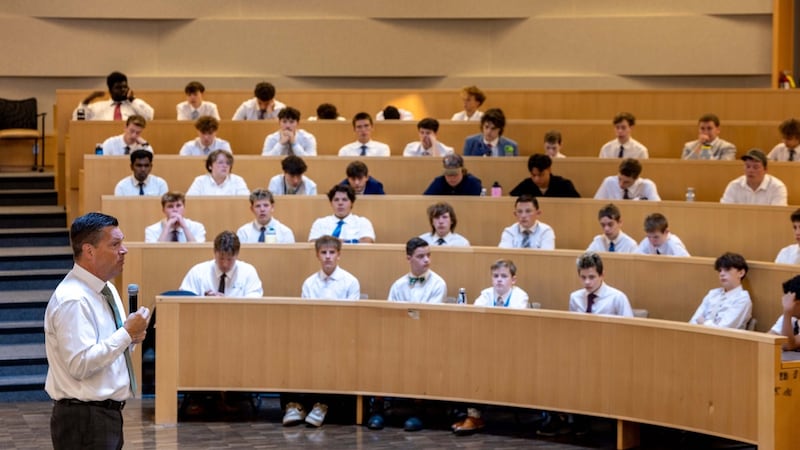
As I look back on my life, I can, if we had time, I could tell you about a few of who those men and leaders and women were in my life who met me in a divine appointment and set me on the course of life that I’m on today. And so I just hope that we can all have that in our minds, like, “How can I individually, one by one, like the Savior did, impact a life and help them to come unto Christ?”
But I’d just like to bear my witness that Jesus is alive and He is well and He is the one that is leading this great work. And as leaders, we’re His instruments, we’re His hands, we’re His eyes, we’re His mouth, but it’s Him that’s leading the work. And when I get overwhelmed and wonder how I can do what it is that I’ve been called to do, I just have to remember: “Wait, this isn’t my work. This is God’s work, and I’m His instrument. And as His instrument, I can do all things necessary to help with whatever it is that needs to happen.”
And I just love the Savior, and I’m so grateful for how much He is in the center of everything that we do in this Church and in the Young Men program. And I offer that in the name of Jesus Christ, amen.
32:54
Brother David J. Wunderli: The question is, “What do I now know, right, after being in this?” And I think that it’s just a reinforcement of what I think I have felt throughout my life, and that is that our Heavenly Father and His Son, Jesus Christ, are engaged in this work at a level that is far beyond what we can comprehend, that They are in the details of the details. And I just love knowing that we have that kind of captain here with us that is asking us and pleading with us to abide with Him and to walk with Him.
I think that what I’ve felt greatly is that He is asking that we live in a higher and holier way. And as I think about these youth, you think about these refinements that have happened, and He’s asking: “OK, the pillar of gospel learning, I really want that the intention behind that is that you believe in me. Don’t just learn facts and doctrines. Adapt them into your heart so that you will believe in me. Don’t just serve and create activities so that you can be together. Do it in a way that you will feel like you belong to me,” to Him.
And the same thing with personal development, that we become even like He is. So as I think about what they’re challenged with, and we all know this, never before have we seen such a fast-paced, moving information age where they have got voices and influences coming from them, and all of us do. And I think that what I appreciate most and what I know now is His plea to focus on Him, to be thinking about Him, focused on Him, and be there.
And as adults and as leaders, I think He’s also asking us to extend hands, to stand next to our youth and put our arms around them and to expect that they’re going to be taking bullets out there on the front line, that they’re going to be stepping on land mines, that they’re going to be hurt, and they’re going to need to be bandaged up. He’s not wanting shaking fingers. He’s wanting extended hands. And He wants us to stand right next to them, to lift them and to walk yoked with them and help them through these times because they have been called to be valiant in a time that we’ve never seen before.
And they already are, the way that they’re lighting up at temples, the way they’re going to seminary in the mornings. What they’re doing is incredible. These are incredible youth. But they need us too. They need us to stand with them and to love them. And so what I know now is that this work is the work of our Savior and of our Heavenly Father, and He’s asking us to be engaged and to love and to be next and to walk with them as they walk with Him.
So I bear my testimony too that this is His work. This is His work. I have such a strong testimony that Jesus Christ lives, and this is what He cares about, and He’s asking us to also care deeply about this. And I say that too in the name of Jesus Christ, amen.

36:13
President Timothy L. Farnes: I love my counselors. It’s been a joy to serve with them. I pray they know that and feel heaven’s love for the sacrifice they make and the devotion they have to the Savior.
I know that God loves His children. He loves His youth. I know that we’ve got a Father in Heaven who knows them personally. He knows what they struggle with. He knows their joys and their sorrows. And He sent His Son, Jesus Christ, to more fully understand that for us and to be able to turn to Him and make our way back home because of Him and through His Atonement.
But it should be reassuring to every young man, every young woman in the Church and in the world that we have a loving Father in Heaven who knows us and cares for us deeply. And a great indicator of that love is that He sent His Son, who was willing to sacrifice and die, and that He lives today. And I’ve felt that time and time again, that more than anything else, we’ve got a Father in Heaven who loves His children and has a particular strong strength of love for His children, His sons and daughters, His young men and young women of the Church. And they should feel every confidence in knowing of that love.
I witness to them that Jesus is the Christ, our Savior and Redeemer, your Savior and mine. And He is there with hand extended always. That no matter where you’re at, where you’ve turned or where you’ve fallen short, there’s no place that you’ve gone that He can’t rescue as you turn to Him. And I pray that you would turn to Him today in this moment and even call out and recognize that He is there for you, hand extended, and will walk with you every step of the way.
But I know that they’ve got a Father in Heaven who loves them in a perfect way, and I pray that they’ll feel that warm embrace, that assurance, that confidence of that love each and every day as they walk with Him. And I say that in the name of Jesus Christ, amen.