

The Children and Youth program, first implemented in January 2020, has been refined to help the rising generation become lifelong disciples of Jesus Christ.
The first refinement came in early 2026 with new age-group names for young women. Then the Sunday youth curriculum was refined in September. Additional refinements are coming in January 2027 to help young women Believe in Christ, Belong to Christ and His Church and Become more like Christ.
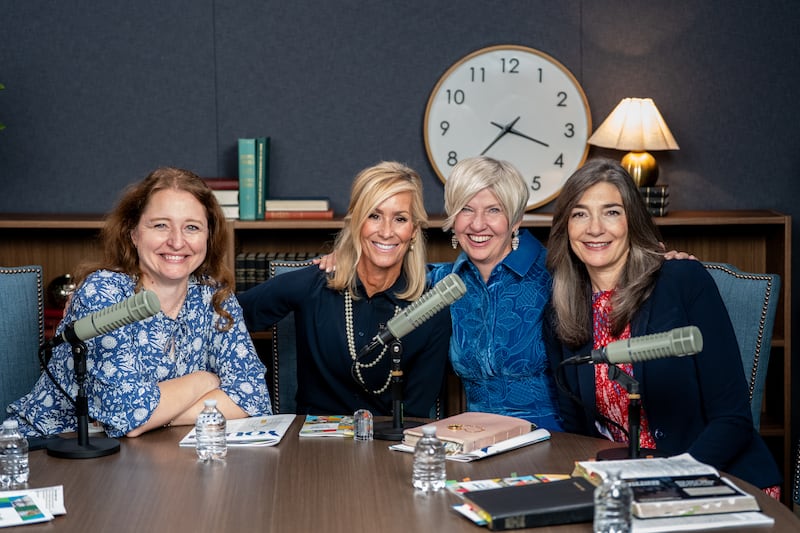
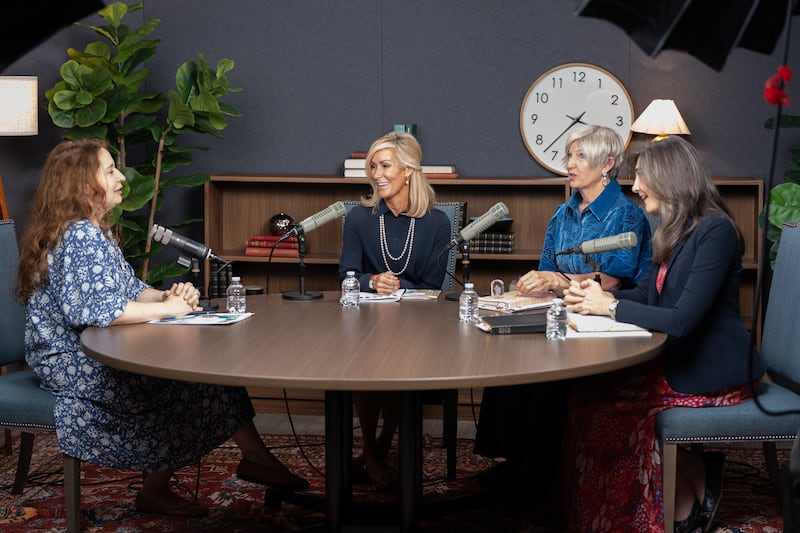
On this episode, Young Women General President Emily Belle Freeman, and her counselors, Sister Tamara W. Runia and Sister Andrea Muñoz Spannaus, join Church News reporter Mary Richards to talk about what the refinements mean for young women, their parents and leaders.
Two other podcasts released today with the Primary general presidency and the Young Men general presidency outline what the refinements mean for those organizations.
Listen to this episode of the Church News podcast on Apple Podcasts, Amazon, Spotify, bookshelf PLUS, YouTube or wherever you get podcasts.
Transcript:
Mary Richards: I’m Mary Richards, a reporter with the Church News.
Refinements to the Children and Youth program of The Church of Jesus Christ of Latter-day Saints have now been announced. These refinements are designed to help children and youth believe in Christ, belong with Christ and become more like Christ.
Before you listen to or watch this podcast, it might be helpful for you to go to youth.ChurchofJesusChrist.org or the Youth tile in the Gospel Library app and download the Youth Tool Kit. Also, have a copy of your “For the Strength of Youth” guide to better understand what we’ll be talking about today.
To help us understand what this means for the young women in particular, I’m joined on this episode of the Church News podcast by the Young Women general presidency.
0:45
Mary Richards: We have President Emily Belle Freeman. Welcome.
President Emily Belle Freeman: Thank you.
Mary Richards: And her counselors, Sister Tamara W. Runia, welcome.
Sister Tamara W. Runia: Thank you.
Mary Richards: And Sister Andrea Muñoz Spannaus.
Sister Andrea Muñoz Spannaus: Happy to be here.
0:55
Mary Richards: Thank you all. Thank you so much.
So, let’s begin with this. What are the main things that youth, parents and leaders should know about these refinements?
President Emily Belle Freeman: Oh, it is such a good question. And let’s start out by saying, “Where can you even find them?” Because that will be the No. 1 question.
And so today, up on the Gospel Library app, you will be able to find the Youth Tool Kit either by going to the January magazine, where it is, right inside of the January magazine, or it will also be in the Youth tile. You’ll be able to find it both places.
The January magazine is set up with eight pages at the front that tell us about the new theme for next year, which will be so fun, all the rejoicing in Christ for the temple. Then there is a whole tool kit, and you’ll notice the numbering in the tool kit changes. That’s how you’ll know you’re in the tool kit. And the last eight pages are our January curriculum. That is what’s happening there.
Now, if you’re like me, you’re probably going to get this January magazine, and you’re going to carefully rip off the first and the last eight pages, and so you actually have a tool kit to work with. And this is something you are going to want to keep with you. And here’s what I love about this. It’s for the youth, it’s for the leaders, and it’s for the parents, everything in one guide. So everybody just uses this. That’s what will be happening.
2:22
And it might be interesting to talk about what isn’t changing before we talk about what is changing. That might be helpful, because this is still the Children and Youth program. When the Children and Youth program was announced, there were three pillars. We called them — and if you look in the handbook right now, you’ll still see — gospel learning was the first pillar, service and activities was the second pillar, and personal development was the third pillar. There are still those three pillars, but instead of defining what they are, we’re going to define them by the outcome that we hope they will achieve.
So gospel learning will be called “Believe in Christ.” And service and activities will be called “Belong with Christ.” And personal development will be called “Become more like Christ.” And so we did a little bit of shifting. And you’re going to notice that we will no longer be using the four quadrants for the goals in the personal development section because we have now moved that personal development to be, “What does it look like to be a Builder of Faith, a Messenger of Hope, a Gatherer of Light and to enter into the Relief Society?” That will become the third pillar.
3:41
But we didn’t want to lose goals. That’s an important part of the program. And so those have been moved into gospel learning, and we will refer to them more as invitations. And it will be something that you do every single month that will match up to the FSY guide curriculum on Sundays. And so that goal-setting will always be a really important part of youth development.
You are seeing this arc of discipleship that President [Dieter F.] Uchtdorf keeps talking about now reflected within this youth program. And that’s going to be something that is, I think, going to be a great blessing to our youth within the Church.
4:23
Mary Richards: Yes, that arc and that more seamless transition, then, in growing and learning from age group to age group to then to Relief Society. Yes.
Let’s talk, then, about each of these things that you mentioned, the Believe, Belong, Become. So, we have Believe, gospel learning, like you said. This goal-setting kind of model that we’ve seen in the current form, that’s being refined. So tell me a little about that, Sister Runia. Tell me about that.
4:49
Sister Tamara W. Runia: Well, we love these invitations, and it takes place on that fast Sunday each month. And, as President Freeman said, it corresponds with what they’re studying in the FSY guide.
And the thing that’s so beautiful, I think, is for that full month, they will have a chance to experience and apply that one thing that they have chosen and really kind of think about their discipleship. And we’ve talked as a presidency about how maybe they’re reading scriptures with their family, saying family prayer, all those things, but something that President Uchtdorf said was, “Traditions alone will not be enough to withstand the heat of the day.”
So we wanted to think about them becoming more independent, having personal scripture study, personal prayer, that sort of thing. And it reminded us of Joseph Smith when he came from the grove and leaned against the mantle and said, you know, his mom asked how he was doing, and he said, “I have learned for myself” (Joseph Smith — History 1:20).
And that’s the goal, is that they become these individual disciples of Jesus Christ. And when they launch, they will be able to take those beautiful principles and practices along with them when they leave, and just to help them kind of become independent.
6:00
President Emily Belle Freeman: These invitations, they’re not just Sunday invitations. They should be fun. You can take them individually, or you can accept them as your whole class might want to learn something together that month. And we want these to be joyful, we want them to be exciting, and we want them to become something, to learn for themselves from that.
6:21
Sister Andrea Muñoz Spannaus: You will have some, they will have some ideas on the invitations in the “For the Strength of Youth” guide, but they can come up with their own ideas. We know how important it is to write an invitation. Something that we want to do needs to be in writing, right?
So in the lessons, starting in January, you will find in the fast-Sunday space here with lines where they will be able to write their invitations. It says here “My invitation.” So then they will find also other ideas on invitations here.
And on the fourth Sunday, the last Sunday that we call “last Sunday,” they will have another space here in this square where they will be able also to write: “What have you learned about that invitation? After four weeks trying to put this knowledge in action, what have you learned?” So we love these two places to write the invitations.
7:23
President Emily Belle Freeman: They can also have a digital experience. So for the youth who have a phone, they will be able to go right into the FSY guide on their phone, and a button will pop up that will say, “What is the invitation that you are going to accept?”
And then they’ll click on that invitation, and then they’re going to write what they learned, and it will stay right there. Every time they’re in there, it will pop up and remind them, “Here’s your invitation that you are working on.”
These are invitations that parents can ask about, that they can counsel about with their youth, but also leaders can be involved in, classmates can be involved in. So this is going to be a really fun thing.
8:04
Mary Richards: Yeah. There’s a power in writing things down, like you said, Sister Spannaus, in your phone or in the actual physical copy.
Sister Andrea Muñoz Spannaus: And we know that we become disciples as we are doers. We cannot be disciples just by being in our class on Sunday, listening to a teacher, right? But we need to go during the week and start doing all the things that we were learning during the week.
8:28
Mary Richards: Yeah. Well, and as we talk about this gospel learning and “Believe,” there’s some exciting things — and you’ve brought them to show us. Tell me about the emblems.
President Emily Belle Freeman: OK, this is going to be fun. One thing you’re going to notice about these refinements is there is a lot of simplification taking place. So some of the simplification was adding a little bit of structure to make that easier.
But this is a place where you’re going to notice that we will go overall in the youth program from six emblems down to three. If you’re just looking at the Young Women program, we will go from four. We will be retiring the first three of those, and we’ll be moving into a different direction.
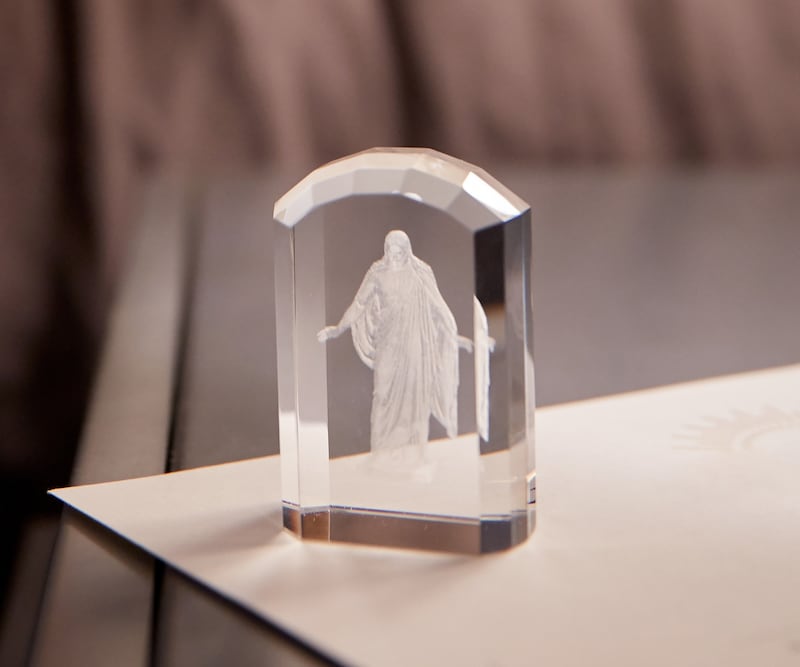
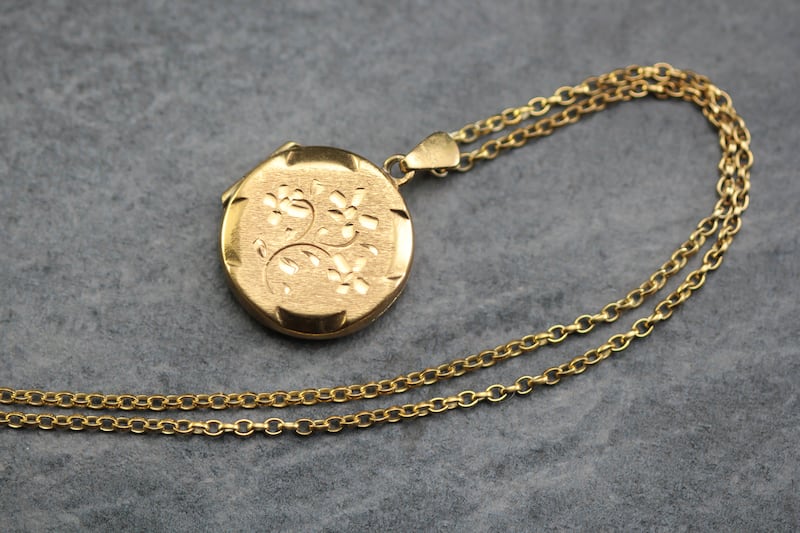
But this will be fun because we will still be having the Christus statue, and then we will be having a locket for the young women. And Sister Runia is going to talk a little bit about this, but these will be the emblems for the Young Women program, just two emblems.
9:24
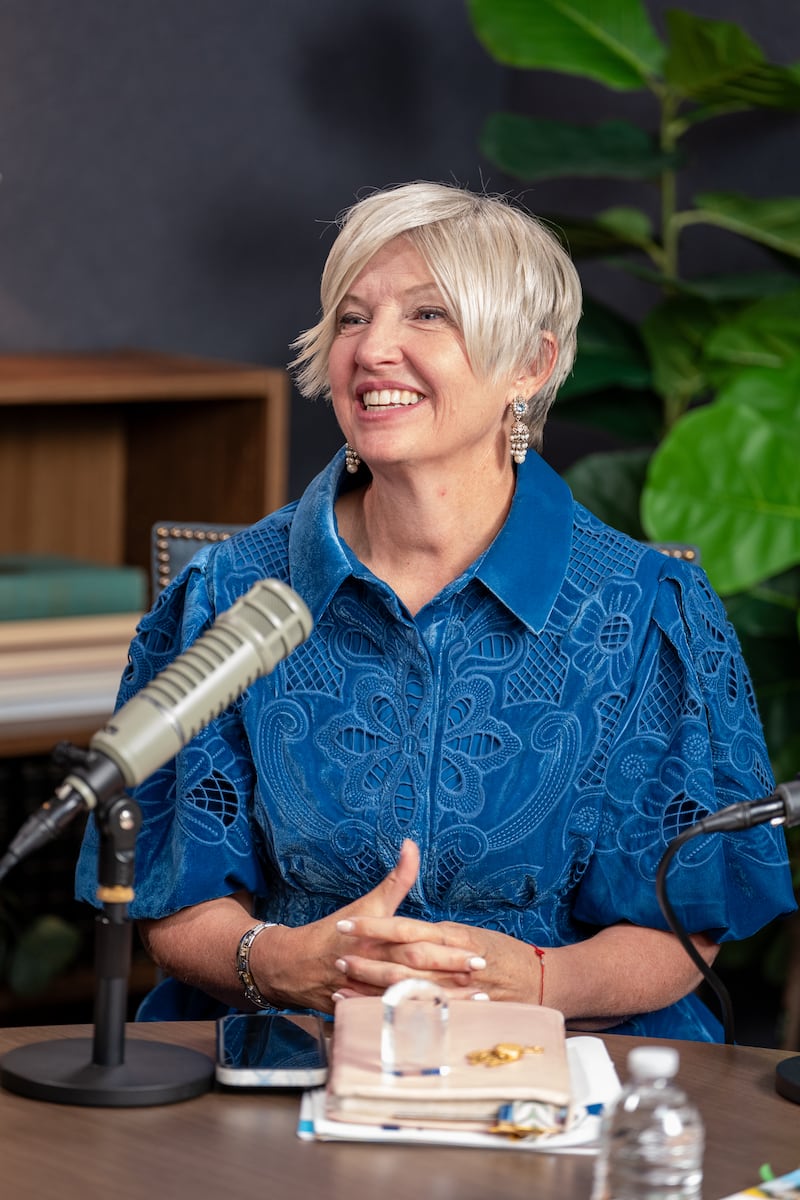
Sister Tamara W. Runia: Yes, that crystal Christus is the emblem of belonging — or discipleship, actually. And they will receive that right at the beginning of the program when they enter. And then this beautiful medallion, which Emily will model for us here — we love it so much — a young woman will receive this the first year that she begins the Gatherer of Light program or section, age group. And the medallion has a lot of meaning to it, as maybe you can hold it up and we can talk about it.
So, the significance of the medallion will tell and teach the young women that the medallion represents your experience in the Young Women program.
As a Builder of Faith, inside the locket, you can place a picture of Jesus Christ as a reminder of your faith in Him. And these small pictures can be found in the monthly youth magazine, so they’ll be able to cut those out and put those in.
As a Messenger of Hope, the patterns of hearts on the front of the locket taken from the design of an early temple — it was at the Salt Lake Temple, that’s right — will remind you of your love for God and your willingness to minister to others as a witness of Him.
And as a Gatherer of Light, a small temple is engraved inside the locket to remind you of the light, knowledge and the enabling strength that will come through Jesus Christ as you participate in priesthood ordinances and covenants.
10:39
President Emily Belle Freeman: And you might wonder why we’ve chosen for them to receive this the year they turn 16 or as they become a Gatherer of Light. And so let’s talk a little bit about what this emblem, this medallion, will signify.
There are five things that it will signify now. First, that you’re growing as a lifelong disciple of Christ because you’ve acted on invitations from the FSY guide over time, often four years. So it’s all four years have helped you become this lifelong disciple who is now ready to do some things.
So, the second thing is you’re ready to lead, teach and encourage other young women, or Aaronic Priesthood holders if you’re a young man. So that will be true. This will signify: “I can now help other people with their invitations because I’ve gone through the learning process, and now I can be a resource. I can be a support. I can encourage other people.”
It also signifies that they’re entering into a sacred season of preparation. They are now preparing to become a woman of righteous influence. So that includes preparing to receive a temple endowment, serving a mission if desired and preparing for an eternal family. It signifies that you have faith in Jesus Christ and that you make and keep covenants with Him.
And it signifies that you have either read or listened to the entire Book of Mormon at some point during those first four years. And once you’ve done these and you are in this place, then this will signify that you are ready now to help support and encourage younger youth in the program.

12:28
Sister Andrea Muñoz Spannaus: So maybe you are asking yourself, “Where is the space to be receiving these emblems?” So I’m going to talk about these two events that we all love. These are two new events that they are going to have during the year.
So the first one, it’s called the Brand New Year event. Of course, they will be held in the first quarter of the year. And this is the place where you are going to be talking or learning about the new annual youth theme, and also the new Builders of Faith will receive this emblem that we love so much, just to remind them that they will want their disposition to be a disciple of Jesus Christ.
So then also at this Brand New Year event, the bishop will give the other emblem of the achievement to the girls that are starting the year as a Gatherer of Light. So, because this is new, the first girls that will receive this medallion, it will not be happening until January 2028, after a year of accepting the invitations or the opportunity to read in the Book of Mormon, or listening to that. So you need to keep that in mind. But after that, every year you will have this.
13:54
OK, so the other event that we will have is the Celebration of Lifelong Discipleship. And we love that event because it’s going to be at the end of the year to just celebrate all the achievements for the girls. If they were acting on invitations and they want to do like a display of the thing that they were learning, this is the place to do it. Or just sharing what they learn during the year at camps or at conferences, at whatever event they have.
So this is a beautiful and very happy event. And when you have wonderful things that you can share, you want to share that with your family, with your friends, with your leaders. So these two events are that good invitation for your friends, your family, your leaders to be with you and to celebrate, so you can invite your grandpa and your grandma and your family to go and cheer for you and congratulate you. This is the feeling that we want the girls to have, that they were doing wonderful things and now it’s the time to celebrate that.
15:10
President Emily Belle Freeman: Yep. And the young men and young women will both be having these two events. And so you can decide as a ward or as a branch if you want to combine. The young men and young women can have the Brand New Year together. And you can also celebrate lifelong discipleship together.
One other fun thing that you’ll learn in the tool kit is the Gatherers of Light and the priests plan these two events. They will be in charge of those. And so that will be something that you’ll counsel together and decide. People will be asking this question, so let’s answer it here. Historically, these were given as you graduated the program.

15:49
Mary Richards: Oh, the Christus emblem.
President Emily Belle Freeman: Now the Christus will be given as you enter into the program, whether you’re baptized, newly baptized, or if you’re an 11-year-old coming into the program. And so the question is, “How do we catch up for all of the youth who are in the program right now for them to all have one of these so that in January 2028 we give these just to the 11-year-olds coming in?” And don’t worry, there is a plan for that.
So, about mid-year of 2027, these will be available, and you can decide how you want to give them out to all of your youth. And we will give you more details on that as we get closer to knowing exactly what that date is. But doesn’t that sound fun?
Mary Richards: Yes, those are beautiful. I’m very excited. I have a 10-year-old daughter. So by the time she enters, she’s going to have that Christus to begin. And that’s very exciting.
Sister Tamara W. Runia: And place it somewhere that she can see it every day, right? That’s our hope.
16:49
Mary Richards: Yes. Yes. So, we’ve been talking a little about these events, right? The beginning of the year event and then the celebration of discipleship.
As we’re talking about events, let’s now move to then talking about “Belong” and the service and activities, which now we’re calling Belong.
What’s new here, Sister Runia, in the Belong section?
17:07
Sister Tamara W. Runia: Well, some of the same principles that we’ve always talked about with belonging. I believe that everybody wears sort of an invisible sign that says “See me, notice me, include me,” that sort of a feeling. And that’s what we want to create for our youth, is a place where they feel like: “This is the Church of Jesus Christ, and I belong to Him, and I belong to this church. I’m a part of it. It’s my church, not just my parents’ church.”
We’ve talked about that before. And I remember being on assignment in California where we had planned an activity. They had talked about it. And the youth were singing and playing games and just having fun together. And somebody approached someone about their age who was not of our faith.
And they said, “I don’t know what’s happening here, but I want to be a part of it, and I’d love to attend.” And that’s what we want to create, something that’s fun, something that they’ll think: “I want to invite my friends to this, and also I want to brag about it the next day. I want to have that kind of fun.”
18:01
And we’ve heard our leaders talk about that, that these activities should be fun. And the thing that’s beautiful is allowing our young people, especially the young women as they get older, to help counsel together and create these activities, to plan them, because they are “unusually gifted.” A prophet has said that about them.
And I believe before they came to this earth, they were wired for inclusion, this generation, to see past differences and outward appearance and present circumstance, to just reach out and love like Christ. And while we’re gathering, that’s really important to say we’re gathering, we’re doing the gathering, but I think it’s important we’re not just gathering to a place, but we’re gathering to a person, to Jesus Christ.
And this is always done in love. I think that’s important to remember. What would you add there, anything?
18:44
President Emily Belle Freeman: That is so good. So, pick up on the words she said about “fun.”
Sister Tamara W. Runia: I don’t know if I said it enough times.
President Emily Belle Freeman: Yes. If President Uchtdorf was here, he would say, “But do they know the activities are supposed to be fun?” And so there is a whole page here where we are telling you adventure awaits.
That is what is supposed to be happening at these activities. You’re supposed to plan excursions, experience new things, embrace challenges, build friendships, serve. Be thinking about, “What do the kids at their high school want to come to?” That’s what the activities should look like. Sister Runia said the youth are unusually gifted in the gathering. We know this about them. So they might be smarter than we are at what is actually fun. And so how do we come up with that?

19:34
Sister Andrea Muñoz Spannaus: Yes, so while they are planning, we include this template on the tool kit. It says, “Disciples belong,” and then it says, “Counseling together,” because we know that at church we never come up with one person deciding, right? It’s like we all decide together, and we counsel together.
We counsel together in our families, we counsel together as a presidency, we counsel together in our age group or class or quorum. So we found this very useful for the youth. I’m not going to read everything, but I’m going to read just in the middle of it several steps to counsel together.
It says, “Gather everyone’s ideas, listen and speak with respect, discuss the best options and agree on one or two,” and another step, “make a plan with support from adult leaders.” So I think I love this template. I think that they will use it, and we want them to use it every time they counsel together to decide what activity they want to do or what are the things that they want to achieve.
20:49
President Emily Belle Freeman: Oh, that is so good. And right next to the council together, you’re going to find an activity planner. This sheet is going to become really, really important. This is your girls camp guide right here. But it’s also your youth conference guide, and it’s also your weeknight activity guide.
We went through the whole camp manual. We went through every resource we’ve ever had. Everything you need is here on one page, which we’re hoping is going to make this easier.
So, when you gather together to plan camp, print this out for everybody. When you’re in your presidency meeting with your presidency, you’re going to pull this out and plan. And these have a place where you can print them so you can print for every new presidency meeting one of these to be using for any time you are planning any event.
This is going to help our youth learn not just how to plan something fun, but: “What does the budget have to do with it? And how are we getting people there? And should we be thinking about safety?” And all of these things.
21:53
And one of our very most favorite parts is this very bottom part, “Evaluate the event.” I fell in love with this part at a girls camp many years ago. I was the camp director, and we decided those young women were going to run all of girls camp, and I wasn’t going to say a word the whole week. That was the goal that we made. And if they needed help, they would come find me in the background, and then they would go forth and lead.
And what made that work is that every night after they had put all the girls to bed — note the word “they” — I was making coals on the fire. And after everyone was put to bed, they would come sit around the fire, and we would have s’mores. I brought the best s’mores anyone has ever had in their life, every night. So good.
And we would evaluate every single day with these questions. And every day I saw girls camp lift because we were counseling together, we were evaluating, we were talking about what could we do. And these questions, although there are only five, could become a really valuable part of your youth program if you let them become a valuable part.
23:08
Mary Richards: It’s all about looking at it and really using what we have in this tool kit. Yeah.
Well, OK, so we’ve talked about Belong and Believe. So now, let’s get into personal development, or Become. So this — I do want to point out it has been an exciting few months, right, for our young women. We’ve had a lot of questions. You’ve had a lot of questions.
We’ve had a lot of neat things happen. We’ve had the new age-group names that was earlier this year, and then our new Sunday youth curriculum. So these refinements, now that we’re talking about the Children and Youth program, how does this build on that?
And we’ve been talking about how it’s really right there with the Strength of Youth guide, for example, and all these things.
So, Become. What can you tell me about this?
23:54
President Emily Belle Freeman: So, this is probably our favorite pillar. In the same way you’re not supposed to have a favorite child, you’re probably not supposed to have a favorite pillar. But we are so excited about this. And it’s been fun for us to watch as these things have rolled out just a little over time.
You’ve seen us preparing. Rolling out the names was preparing for this. Rolling out that last Sunday curriculum was preparing for this. You’ve kind of seen this coming in steps, but now you get to see it all together in one piece.
Sister Tamara W. Runia: The big reveal.
24:24
President Emily Belle Freeman: And this is the piece we are so excited about. Because one of the things that the youth today want to know is: “What is my identity? And what do I want to know about priesthood and covenant?” And these are important questions. And I think they’re important questions now because of the time that we’re living in. And it’s really critical for them to understand this.
And so this is the part that may feel a little bit different but might be one of the most important refinements that we made. And I want to just walk you quickly through what this looks like.
So, the very first thing is going to start out, and it’s going to talk about “What is God’s great work for me?” You’ll notice in the tool kit that the Believe section is the same for the Young Men and the Young Women. The Belong section, same, Young Men, Young Women. But as soon as you get here, something different is going to happen.
And the boys are going to start off talking about Moses and the quote that we’re so familiar with, “I am the Lord God Almighty, and you are my son, and I have a work for you, Moses, my son” (see Moses 1:3–6). Well, that same experience similar happened in Doctrine and Covenants 25 to one of God’s daughters, where you will read a series of verses that feel similar to that, where the Lord says to Emma, “Hearken unto the voice of the Lord your God.”
And then He says, “While I speak unto you, Emma Smith, my daughter” (verse 1). And then He says in verse 3, “and thou art an elect lady, whom I have called.” And it’s important for our young women to know this, to know who they are, to know whose they are and to know that they have a great work in His kingdom. And the beginning of this section will talk about that.
26:23
Then they will have an opportunity to actually look at five remarkable women in the history of God’s plan and how their decisions and their actions became critical to the work that was moving forth. And right after that comes a page of becoming statements. It says, “Becoming a covenant daughter of God.” And on this page are 12 statements, one for every month. So January, February, March, April, each has a different becoming statement.
Now, you might wonder where these statements came from. And when you read, you will find out that the young men will be studying Doctrine and Covenants section 20, section 84 and section 107. The young women will be studying Doctrine and Covenants section 25, 84 and 107. Many of these statements come out of Doctrine and Covenants section 25, the section that was given to Emma but was the voice of the Lord unto all.
And some of these will be familiar because they come out of the Young Women theme. And you’ll see hints of that theme all through here. These statements are used on the last-Sunday lessons, where you will repeat this becoming statement for this month. So this would be January. We’ll be studying Eve. This is the becoming statement that helps us understand more about the topic in the FSY guide; what it means to us, with a scripture that helps us to understand it; and last, a woman who lived like that in scripture that we can learn from.
Most important on this lesson is the statement. Second most important is the scripture. And third most important is the woman that we’re going to learn from. Because these will become what teach us our identity and what priesthood and covenant looks like in the life of a young woman. And this is going to become critically important to us, understanding who we are, whose we are and the great work that is ours to do.
We will recite this every fourth Sunday. I love when President [Timothy L.] Farnes said, “There’s no reason why you can’t be reciting this at the beginning of every lesson that month if you want to,” because what this becomes is the affirmation of what you’re learning, of who you’re becoming and what you’re hoping to achieve that month.
29:06
Mary Richards: I’m thinking about all of this, and we’ve been pointing it out where it all is and all of these things, as we wrap our brains around this.
How can parents and leaders really support the youth in what they do? What would you say, Sister Spannaus, for parents and for leaders?
Sister Andrea Muñoz Spannaus: Yes, there is one scripture that I love about parenting. And this is Adam and Eve living in the Garden of Eden. And the Lord is teaching them about the plan of salvation. So, after teaching, the Lord tells them, “I give unto you a commandment, to teach these things freely unto your children” (Moses 6:58).
So it’s a commandment to teach these things, the plan of salvation, to our children. So I love because we love the Lord so much and we love our families, our children so much, that the family is the perfect place where we can nurture this concept, this truth about who we are to our children.
So I love that in the tool kit — again, in the tool kit — we have some tips that we can do as parents to support our children in everything that they will be doing.
30:24
So this is the last page, the last page in the tool kit. It says “Parents and Family.” And it will give us a tip for every one of these pillars. So I’m going to be reading one tip for Believe, one for Belong and one for Become.
So it says, in Believe, “Ask about how your child is building faith in Christ, including with their monthly FSY invitations.” So you can, as President Freeman was saying, you can ask them, “What is your invitation this month?” and also offer help.
And Belong, It says, “Encourage your child to participate in activities, camps and conferences.” We know how important it is to feel when we are a teenager that we have this feeling of belonging. “I belong here.” So to participate in these activities will be very important to be with friends that have the same beliefs that you have. So for them, it’s really, really important. And so we want parents to tell: “What is your activity? Where are you going? What are you doing? What did you learn in your activity or camp?”
OK, so the other one, in Become, the tip is: “Support your child as they grow spiritually. Discuss their experiences often.” So we need to be involved in the lives of our children. We need to open our hearts, express our testimonies in natural ways and teach these truths that are changing our lives and our hearts.
We need to live the gospel with joy. And we know that parents are, for good or for bad, the most influential people in their children’s life. So we have a commandment to teach the truth.
32:22
Mary Richards: This is so great. I think about in my own house, I would tell my — because I had these four boys before my girl — and when my oldest started, I’d say: “Well, we go to activities. We just do.” And by the time the fourth son entered, became a young man, his older brother: “Well, we go to activities. It’s what the Richards do.”
And hopefully this is something where parents listening can think: “OK, I can support. I am an important influence in my child’s life. I can support.” Thank you for sharing those.
And also I think too, Sister Runia, about leaders and maybe some of the things that they’re thinking what they can do to support the youth.
32:55
Sister Tamara W. Runia: Yes. And I love that you started with the scripture, and I think that’s the template that I want to use as well. And the setting of 3 Nephi, where the Savior is there with the people, and just kind of go through quickly some of the things that I’ve really kind of pulled out of that and thought about in the context of a leader, a Young Women leader, how they might be able to emulate these things.
First, when the Savior perceives after teaching them that they’re tired. And then He has this moment when He can see that, without them saying anything, that they want to stay. So think about an activity, maybe a Church activity, where you’ve seen somebody that’s arrived, and maybe they’re misbehaving or angry or acting out unkind. I know sometimes in my experience I’ve become a little frustrated, maybe, but I think what we could do possibly, like the Savior, is to find a private moment to pull someone aside and just ask: “How are you doing? How can I help?”
Because I promise if there’s anger or misbehavior here, there’s usually pain and sadness underneath, and that’s something that we could do. He also had compassion for them. I love this idea that the Savior had that in Him, and He exuded that. And He knew when something was a big deal to them, it was a big deal to Him.
34:09
Also, the Savior smiled at them. I love that His countenance smiled upon them. And if we are to have the countenance of Christ, I believe we will have that joy in our countenance as well. I talked about this before: When I walk down the hall at church, I play a game — whoever smiles first wins. And I always win because nobody even knows we’re playing the game. But I love that the Savior modeled that for us.
The other thing I think He did, He looked in their eyes. It doesn’t say this specifically, but could you imagine Him healing someone or interacting, looking around like this when that’s taking place? No, I believe He looked right at the person that He was with. And I think we can do that for others as well.
And the other thing that I wanted to share is that He ministered one by one. And this is something that we can do. And really, when you think about the Savior’s experience, He did it oftentimes when it wasn’t convenient, but the Savior was willing to be inconvenienced. And I love, I remember that and think about that often, that the Savior was willing to be inconvenienced. But I love this template for leaders.
35:08
Mary Richards: So, all these things we’ve talked about, again, let’s tell people where to find them. We’ve got the tool kit already online and coming in the January magazine. For folks who have, like I mentioned, my four boys, they might have more than one youth in their home, or they think about their class and how to get them another copy.
What should we tell people about that?
President Emily Belle Freeman: I love what you told us right when you came into the podcast this morning.
Mary Richards: I printed it out. I have the tool kit. So there is a way, yes, the store, but also there’s printing the Youth Tool Kit. I think I just went online, and there were like three dots in the corner. And I clicked there, and it was just download and print. And so I had it all here. And you can make copies like that, I guess, for more youth.
There are other ways that bishops and local units can order more of these as well, I think.
President Emily Belle Freeman: Yup. And it will be in the January magazine, like you said, so lots of different places. And if you come to Young Women Worldwide on Instagram, we’ll be giving you tips every week for several months of where to find it, how to use it. So that will be an ongoing resource.
36:10
Mary Richards: Yeah. Let’s point people, too. So, we’ve got Young Women Worldwide, but there’s the site that I think is the best spot to go, in Gospel Library, the Youth tile you mentioned earlier in our conversation, or if you’re going online, it’s youth — tell me that one.
President Emily Belle Freeman: Yeah, youth.ChurchofJesusChrist.org is going to become a resource and a webpage that you want to live on. It’s going to have all the theme, activity ideas. It’s got everything you need for the tool kit. It’s going to have instruction. So that’s going to become somewhere that will be constantly updating, and it’s going to be helping you with all of these refinement changes. So that will be a great place to go.
Mary Richards: OK, good. There are answers. It’s all out there.
Sister Tamara W. Runia: Help is on the way.
President Emily Belle Freeman: And we’ll take it a step at a time. We’re all going to be learning together, and we’re going to be growing together.
And on Wednesdays right now at Young Women Worldwide, we’ve got just encouraging, cheerleading posts, because we realize this is a lot, and it might feel a little overwhelming, but we are in it with you. We are all working shoulder to shoulder, and we are going to be so grateful for this inspiration that has come.
Sister Andrea Muñoz Spannaus: And the tool kit could be your best friend.
37:24
Mary Richards: Yes. You’re going to keep it from when you’re very first beginning all the way through when you’re done. And this it’s all in there, your best friend. I love that, Sister Spannaus.
We’ve talked about a lot today, and I so appreciate your time and your love and care for the young women of our Church and of the world, really. I always give our guests the last word on the Church News podcast and wanted to ask our last question, which is, “What do you know now?”
And so, as we’ve talked about all of this time together, maybe I’ll start with you, Sister Spannaus, and then Sister Runia, and then President Freeman, if you’ll close.
As we’ve talked about these refinements to the children and youth, and as you ponder on these wonderful young women, what do you know now?
38:09
Sister Andrea Muñoz Spannaus: Thank you. I found this Psalm that I love so much this last year, and it was — I have it written on a Post-it over there where I can see it every day — and it is [Psalm] 143, verse 10.
It says, “Teach me to do thy will” — teach me to do thy will — “for thou art my God.” And I think that this was my motto in this last year, because we know that God can teach us. And I understand that this is the most valuable lesson that we can receive is from Him. So as we were doing everything with these refinements and counseling together and praying and trying to receive revelation, this is one thing that is in my heart: “Teach me to do Thy will.”
39:12
And I know that He is my God. I love the plan of salvation. I think it’s a plan of happiness. I love Jesus Christ. He is my Savior, my Redeemer. I love the guidance that we can have from the Holy Ghost. If we try to be in tune, align with the heavens, we can receive all the help that we need.
So, I love the gospel of Jesus Christ. I hope I could live my life with joy, feeling joy in the gospel. And I’m very happy to be alive at this season of the earth where we can have prophets and this rising generation that is amazing. We have a lot of things to do. We need to help them, and we need to trust in them.
But we have all these programs. One thing that I always think is having said all the things that we were saying, people are more important than programs. I have this very clear in my head. So we need to love people. We need to adapt. We need to help them in any way we can. We need to minister to them as Christ.
So this is what I feel, what I learn and what I continue learning. One of my favorite phrases is “I am learning,” and I hope I will be learning till my last breath here on earth. I say this in the name of Jesus Christ, amen.
41:02
Sister Tamara W. Runia: Amen. Beautiful. I love this guide so much. It sends them to the Lord, it points them to Christ, and they have experiences with Him so that they can get to know Him. And when this works, I believe it’s so much better than just obeying out of obligation or a sense of duty or fear — which, to be honest, I’ve done that at times.
But I believe God is asking for something more, something better. He wants our hearts. And when we do this because we love Him and we know His doctrine, then everything changes. It’s not just obedience. It’s that affectionate obedience. We’re doing it for the right reason.
And when I see that happening with the youth — and I know it will, because this is an inspired document — I think everything changes. I think for them, they will have that relationship, as we talk about this lifelong discipleship, so they will want to stay close to Him because they love Him and they know these truths and they live inside them. And just as Andrea said, I think it’s so important also to remember that all of this is done in love, after we’ve talked about the particulars and all of the specifics.
42:14
There’s a great story that I heard about a bishop calling a Young Women leader and kind of asked her about her circumstances. And she was really busy. And he articulated what would be required of her, kind of the parameters and the things that she would be asked to do. And she said, in return to him: “I don’t know if I can do all those things perfectly, I’ll be honest, with what I have going on. But I can tell you I will love those girls. If you call me to be their leader, I can love them.” And then fast-forward a couple of years, this bishop, his daughter’s getting sealed in the temple, and there’s room for one more person. And she says to her father, “I want my Young Women leader to come, because I know she loves me.”
And that’s what this is about. It’s about love. And we have felt this so keenly that when you are called and set apart in a calling, you are entitled to an added measure of God’s love for those that you serve with and serve. And we have felt that, even at a general level, in such powerful ways, and we know that this is a true principle.
I bear testimony of Jesus Christ, that His love and His care for His children — His adopted children, right, the children of Christ — that we will feel that love as we draw closer to Him through using the gift of His Atonement; the redeeming, cleansing part, but the reforming, changing part as well, as we become, as President Freeman so beautifully explained, that that becoming piece, they will be able to see not just identity and purpose but potential, who they can become as daughters of God. And I say that in the name of Jesus Christ, amen.
All: Amen.
43:57
President Emily Belle Freeman: I love that question so much. Over the years, it’s one that I’ve started to look forward to. “What do you know now?” Because we don’t often have a chance to look back. We’re so busy going forward, and it is a sweet time of reflection every time you ask that question. And I would say what I know now is that the Lord loves His daughters, and that has become really clear to me over time.
If you were to ask me my favorite general conference talk that I’ve given in my tenure, I would tell you it was the talk that I gave about Emma Smith and living up to your privileges. And we had so many sweet opportunities as we were studying Doctrine and Covenants 25 together as a presidency and as a council that we will never forget what we learned.
And during that last year, I also had several unique opportunities that I feel like were divinely orchestrated that began in Emma Smith’s home in Harmony, where I had the opportunity to spend a full day and write that general conference talk from her kitchen. And just by chance over the course of that year, I ended up in every home Emma has that the Church owns, both in Kirtland and then in Nauvoo.
And the weekend we turned in this full program, I had the opportunity to sit in the home and in the very bedroom where Emma passed away. And I sat there for that time and just thought to myself what I had learned, which was simply this: The Lord will speak to His daughters. He will call them by name, and He has a work for them to do, and it is a great work. I believe that with my whole heart.
46:07
And if we can, with these program refinements, help these daughters, these young women, to recognize that they are elect, that they are called, that there is a great work for them in these final scenes of the last days of the Lord, if they can rise up and join this great missionary force that is on the earth today, if they can be looking toward a temple endowment at the age of 18, if they can take upon themselves His name and character of ministering, this generation will become the strongest generation the world has ever seen. And that will be such a great blessing to all of the world because of that.
And I bear testimony that He knows His girls and He is working in their hearts. And I say that in the name of Jesus Christ, amen.