


“Together” is a word that has many definitions. It could pertain to how close in proximity individuals are to each other. It could be the way ingredients are combined in a recipe. It could be a feeling that like-minded individuals have about a specific topic. It could describe the collaboration of individuals working together toward a common goal.
And all of those definitions fit the “Together” theme of the 2026 RootsTech family history conference held in Salt Lake City from March 5 to 7. At continuation are the links to 18 stories published by Church News that cover different aspects of the three-day conference.
Actors, journalists, athletes, developers, musicians, astronauts, genealogists and many others shared their experiences over three days. They spoke of the importance of family legacy, family support, family history, family traditions, family heritage, family worship and family inclusion.
At the conclusion of the October 2025 general conference, President Dallin H. Oaks said: “The doctrine of The Church of Jesus Christ of Latter-day Saints centers on the family.”
RootsTech 2026 featured many opportunities to learn how to link family members together through family history and genealogy work.
1. Elder and Sister Rasband at Family Discovery Day

Elder Ronald A. Rasband of the Quorum of the Twelve Apostles spoke with his wife, Sister Melanie Rasband, at Family Discovery Day as part of RootsTech.
“We recognize that our faith is not ours alone. It is a gift passed from generation to generation as we honor the sacrifices and devotion of those who came before us, with testimonies often born through trial and unwavering trust in the Lord. Their stories now become linked to and a part of our own.”
Elder and Sister Rasband at RootsTech: ‘Build your family’s legacy of faith,’ unite and bind generations in Christ
2. Elder Kearon’s message at Temple and Family History Leadership Instruction

Elder Patrick Kearon of the Quorum of the Twelve Apostles said during the Church’s 2026 Temple and Family History Leadership Instruction that Heavenly Father has provided a way to permanently connect families across time through the plan of salvation and its corresponding covenants and ordinances.
“We cannot see our Father in Heaven, we cannot see our Savior, but we have these presented to us — these options, like stepping stones, like opportunities, like a handhold to draw us back, and that is, I think, why it feels so beautiful,” he said.
Keep Christ at the center of family history, Elder Patrick Kearon teaches
3. Steve Young and the example of ancestors

Hall of Fame quarterback Steve Young spoke about going through hard times and following the examples of family members who have also overcome difficulties in their lives. He said his own family has always provided him examples of perseverance.
“The most important thing that I learned, going back to our theme of ‘Going through it,’ was to own what I say is the ‘truest truth’ — there were a lot of things that happened that I couldn’t control, but the truest truth was the ball’s in my hands, yeah, and so I am ultimately accountable," Young said.
‘Go through’ hard things, be accountable and help others heal, Steve Young says at RootsTech
4. Brazilian professional soccer player Zico
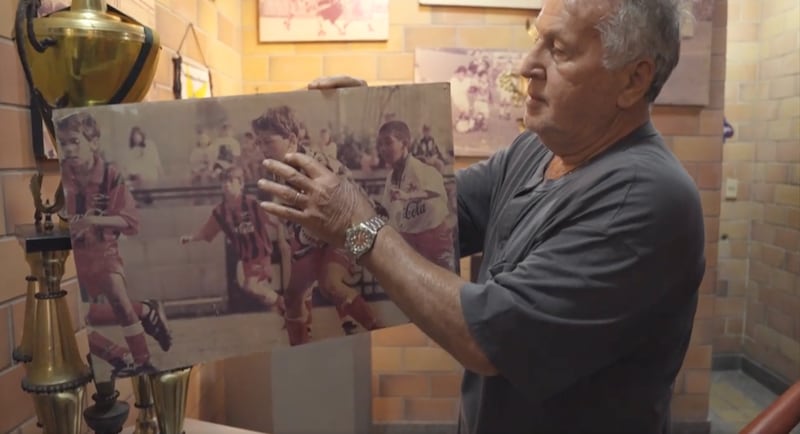
And a renowned football player from a different kind of football also spoke in another keynote address. Arthur Antunes Coimbra, known as Zico, played professional soccer in Brazil for many years and represented that country in the World Cup multiple times.
Zico said his parents taught him in ways that helped him develop courage to make his own decisions and be willing to take responsibility for his actions.
“I think that my parents were able to give us the freedom and instill in us the kind of personality that allows you to make your own decisions,” he said.
Brazilian soccer star says his road to success started in his childhood home
5. Jessica Soho, award-winning Filipina Philippines
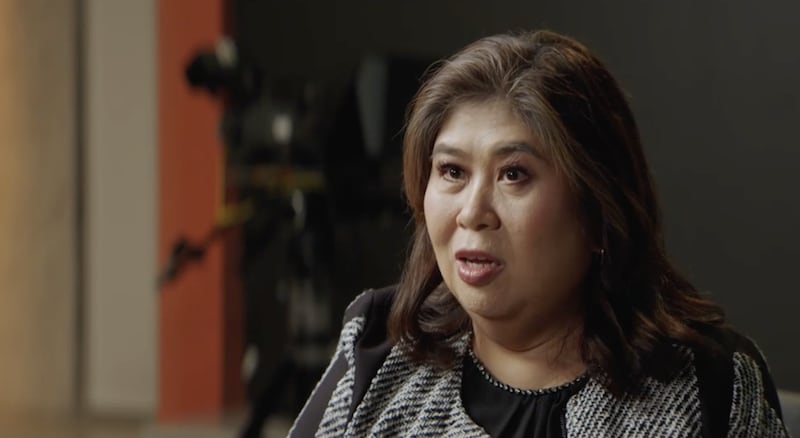
Jessica Soho, an award-winning journalist from the Philippines, said being a journalist helped her tell stories of others and see how stories could bind families and communities together.
“We’re the storytellers; we are not the story,” Soho said.
But in telling stories, Soho witnessed sad and challenging moments in history. She said prayer sustained her.
“I’ve had a lot of dangerous assignments. Had I not learned how to be prayerful enough in life, I don’t know if I’d still be here,” Soho said.
Filipina journalist for 40 years shares the power of stories
6. National Geographic explorer Tara Roberts

National Geographic explorer Tara Roberts has dived for sunken slave ships for the last eight years. She said she believes “profound healing” can occur through connecting with ancestors.
“We are a part of each other,” Roberts said. “So what if we could lean into that connection? Could it change how we see each other? And if how we see each other changes, could that change how people are responsible for each other?”
RootsTech 2026: Tara Roberts on how connecting with ancestors can change lives
7. Mexican American astronaut José Hernández

Mexican American astronaut, José Hernández, said he attributes his resilience to immigrant parents.
Speaking in a virtual keynote at RootsTech, Hernández reflected on being rejected from NASA and putting family first.
Mexican American astronaut attributes resilience to immigrant parents at RootsTech 2026
8. Podcast with director of events for FamilySearch
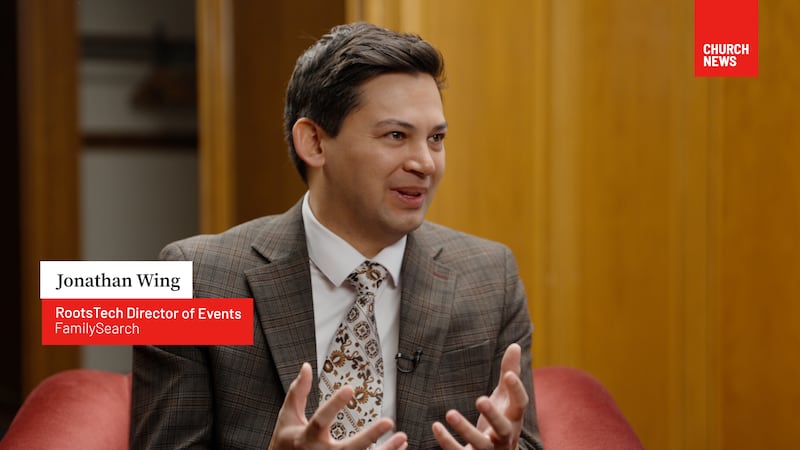
In episode 283 of the Church News podcast, Jonathan Wing, director of events for FamilySearch International, previewed the 3-day global event and shared his testimony of how family history work helps strengthen testimonies of Heavenly Father’s plan of salvation.
“To see individuals come together and connect over the subject of family and family history is a fulfillment of the scripture. But it is also something that’s so universal that it doesn’t matter where you’re from; where your culture, heritage and traditions tie back to; or what your religious beliefs may be, because everybody has a family, and everybody has a family history,” he said.
Podcast Episode 283: Behind the scenes of RootsTech 2026 — Bringing families ‘Together’
9. Deaf award-winning actress Marlee Matlin

Academy Award-winning actress Marlee Matlin spoke in the first keynote of RootsTech 2026. Matlin, who is deaf, spoke about inclusion in family history, saying inclusion is a “historical responsibility.”
“Inclusion [in family history] means learning to read records with empathy. It means asking different questions,” she said.
RootsTech 2026: Actress Marlee Matlin on inclusion in family history
10. Elder Bragg shares 3 principles for family history
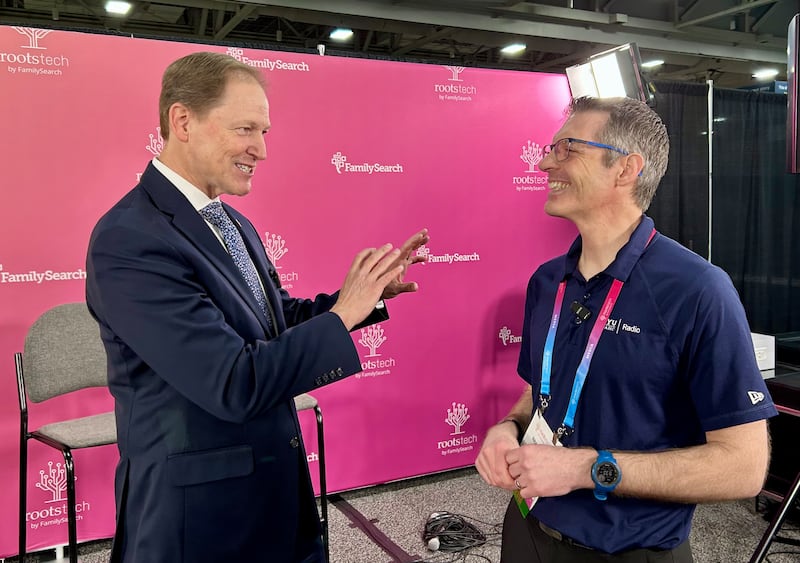
Elder Mark A. Bragg, a General Authority Seventy, encouraged members of The Church of Jesus Christ of Latter-day Saints to feel good about their family history efforts. He gave three key principles for doing such work. And he testified that the “Lord’s hand is involved.”
“I think we feel too much guilt about not doing enough, while ‘so and so has 82 generations documented,’” Elder Bragg said. “I think the Lord would say, ‘Slow down. Well done, thou good and faithful servant.’ I want them to know that the Lord is pleased with what they have done.”
What Latter-day Saints should know about temple and family history
11. World renowned Irish tap dancing brothers

Matthew and Michael Gardiner are world renowned Irish dancers. The brothers shared their journey through their own family history in a virtual keynote address for RootsTech 2026.
As part of their virtual keynote, the brothers traveled with their parents to various locations of importance to their ancestors. They were joined by their parents in visiting some of the locations. Together, they learned about where family members lived and worked in Ireland over the past two centuries.
Gardiner brothers discover deeply rooted Irish heritage through FamilySearch
12. AI use in family history

Lynn Broderick led a panel discussion about the responsible use of AI in family history. Broderick is a writer and researcher who focuses on family, community and social history and conducts research at the FamilySearch Library and university archives across the United States.
“AI is truly a wilderness, not the Wild West,” said Broderick. “And we really do not know which direction we are going. So as we educate and consider these principles, we can maximize its benefits and minimize the risks.”
Researchers provide genealogists and members guidelines for responsible AI use in family history
‘Boom, you’re connected’: RootsTech leaders and attendees enthusiastic for AI updates at tech forums
13. Involving youth in family history

Youth from the Orem and Alpine, Utah, areas participated in a panel at RootsTech to discuss involving younger generations in family history. The youth featured all help at the Alpine Family History Center, at summer family history camps and in their wards.
Quincy Adams, 12, said that besides gathering Israel, which is the top priority, he enjoys finding ancestors’ stories and learning about what life was like. “It’s like a puzzle; finding one person unlocks others that have never been found.”
Landon Reynold’s, 16, advice is for people to jump right into FamilySearch apps like Family Tree app, Together app, Get Involved app and Memories app.
Involving youth in family history: ‘What we are doing is putting them on the covenant path’
14. Future of Salt Lake Temple

Shaun Stahle — a retired journalist and now service missionary for the Liahona magazine — presented a March 7 class at RootsTech 2026 titled “Every Stone a Sermon: Contemplating the Incomprehensible Future of the Salt Lake Temple.”
“This is a place that will ‘please the eye’ and ‘gladden the heart,’” said Stahle, quoting Doctrine and Covenants 59:18. “And I suggest that, like Brigham Young, we should look on this ground, and we should always see the divine.”
Salt Lake Temple is a testament to ‘heaven’s big thinking,’ says RootsTech presenter
15. Tips from RootsTech

Experts at the 2026 RootsTech Conference shared several resources and practical tips for Latter-day Saints in their family history efforts.
The Church provides multiple mobile apps, has FamilySearch Centers, and encourages the calling of ward temple and family history consultants to help individuals identify their ancestors.
Tips from RootsTech for Latter-day Saints doing family history — or wanting to get started
16. 3 ways to get started

Step into family history with indexing, family photos and artificial intelligence tools.
Advances in technology mean that a lot of the difficult searching through census records and obituaries for family names saves time and removes the need to be an expert at searching records.
Want to get involved in family history? 3 ways to get started from experts at RootsTech 2026
17. Experts share about the Utah pioneers

Hundreds of classes offered at RootsTech 2026 taught family history researchers how to use records from specific regions and countries, such as Africa, Australia, Europe and more.
Though many presentations focused on faraway places, at least two were rooted in the history of Salt Lake City — where the conference took place — and highlighted Utah pioneers.
RootsTech 2026: What family history experts taught about Utah pioneers
Links to these and many other presentations and classes about family history work and blessings can be found at RootsTech.org. Coverage of many of them can be found at TheChurchNews.com/roots-tech.
