




With 2026 marking the 250th anniversary of the signing of the Declaration of Independence in the United States, leaders of The Church of Jesus Christ of Latter-day Saints have emphasized the significance of having and preserving the freedom to believe and exercise religion worldwide.
“At no point should we rest on our laurels in the United States, thinking that we’ve figured out religious freedom,” said Spencer McBride, a historian with the Church History Department. ”There’s still work to be done.”
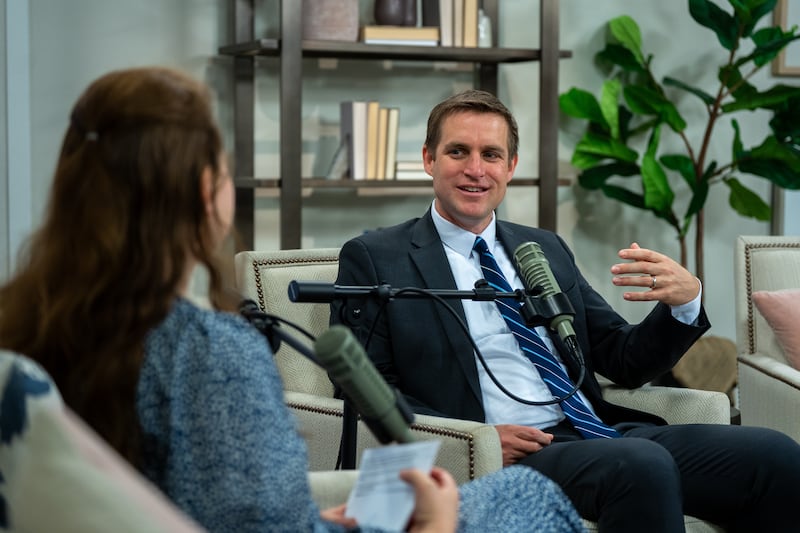
McBride, who has worked on projects such as the Joseph Smith Papers, discussed the significance of religious freedom leading up to Restoration of the gospel of Jesus Christ in a Church News podcast episode that aired July 7.
He said religious freedom in the U.S. has unfolded over time, much like the unfolding of the Restoration, and religious freedom neither started nor stopped at the founding of the nation.
Religious ideas to reality
Religious ideas inspired the formation of the United States. However, the Revolution was “not a war fought for religious freedom,” McBride clarified.
See a timeline of Church and American historical events here.
Prior to the American Revolution, colonists experienced religious toleration but not full freedom; for example, they still had to pay taxes to a state-sponsored church of which they were not a part.
State constitutions allowed for more religious freedom after the Revolution, which led to a rise in affiliation and membership in various churches and faiths.
“You give more Americans a choice of where they go to church, of how they worship, of what they choose to believe, and the number of people who actually participate in religion increases,” said McBride.
These initial steps made way for the Bill of Rights, which was ratified in 1791, though full religious freedom was not recognized until 1833 in some states.
McBride highlighted the impact of a lesser-known 18th-century law: the Proclamation Line of 1763, which forbade colonists to settle west of a line along the Appalachian and Adirondack mountains.

With the Revolution, the line was dissolved, and new Americans began to migrate westward, resulting in belief changes and the reactionary cultural nervousness that provoked religious revivals and cultivating the familiar environment in which Joseph Smith grew up.
When considering the setting for the Restoration, the three decades leading up to its beginning were crucial; without other religious movements and truth-seeking individuals, the Church might not have been restored, McBride said.
Heavenly Father “can do just as miraculous things in those gradual, small changes as He can in those big, magnificent moments,” he remarked.
‘Facilitate the worship of others’
Mob violence toward early members of the Church and other denominations illustrates the absence of “universal religious freedom,” said McBride.
In 1833, the Saints were expelled from Jackson County, Missouri; Joseph Smith reacted by going to Congress, invoking religious freedom in the Constitution and running for president.
He saw that the Bill of Rights protected people from the infringement of the federal government, but it did not apply to individual states. He also noted how important it was to have religious freedom for all, not just one religious group.

Though unsuccessful in his appeals, Joseph’s actions reflected his vision of the nation.
For example, when Joseph Smith was mayor of Nauvoo, he paid the dues for a Catholic priest in need to travel across the Mississippi River to visit a dying parishioner.
“It does not hurt our belief to facilitate the worship of others,” said McBride.
The Church’s complicated history with the United States reveals the “complexities of religious pluralism,” he added, and how religious freedom is a process, not a one-time event.
National vision
For Joseph, the beauty of the founding of the United States was what it “brought about in God’s bigger plan for the redemption of humankind,” McBride said.
While freedoms in the United States allowed the Church to grow, even from the early days, it was a global church. Those freedoms also come with responsibility, said McBride, quoting Church President Dallin H. Oaks.
In a democratic society, “we are responsible for being informed, for understanding and for standing up for what’s right.
“If the power is coming from the people, then we have the responsibility as well.”
In the context of the recent July 5 fast for religious liberty, McBride noted that even from the beginning of the nation, the colonists were asked by leaders to fast for liberty.
“It’s fitting, then, that our Church leaders have asked us to fast and pray in gratitude for the rights we have, but also to know how best to protect them moving forward.”
