



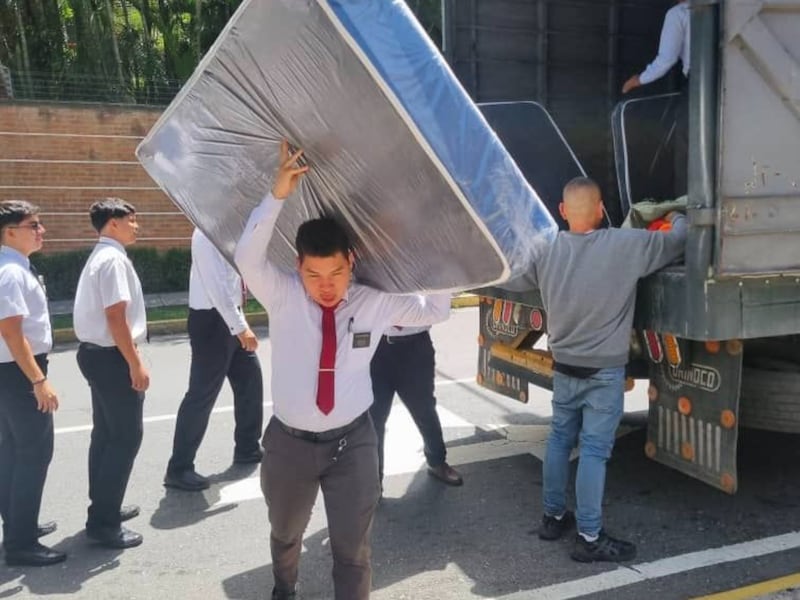

After two deadly earthquakes devastated several parts of Venezuela in June 2026, members of The Church of Jesus Christ of Latter-day Saints turned to their faith in Jesus Christ to serve neighbors and friends in need.
“One of the most powerful ways we have felt the Lord has been by serving one another,” said Caracas Venezuela Stake President Fidel Alberto Castillo Gomez. “During these days, we have remembered that relying on the Lord does not mean we will not have trials, it means we are not alone in them.”
Even while dealing with the results of natural disasters themselves, members of the Church around the world have responded in recent months with service to help others. This has included — but is not limited to — comforting neighbors in Venezuela, organizing the delivery of food kits to remote islands in the Philippines, providing a safe place to sleep for wildfire evacuees in Spain, gathering hygiene supplies for families in Colombia and cleaning up after a destructive tornado in Wisconsin.
Bringing peace to people in distress
The Church provides emergency help to people everywhere regardless of their political, cultural or religious background. As disciples of Jesus Christ, Latter-day Saints follow His teachings to “love the Lord thy God with all thy heart, and with all thy soul, and with all thy mind … [and] love thy neighbour as thyself” (Matthew 22:37–39).
In his speech in the Washington National Cathedral on Wednesday, Sept. 16, Church President Dallin H. Oaks spoke of the Church’s helping hands program as an example of peacemaking around the world.

“It is an effort that brings peace to people who are in distress,” he said. “But it also teaches us the power that comes when individuals put aside their differences and work together to find common ground. When our volunteers bring help, people in distress do not ask for their beliefs. Likewise, the volunteers help everyone, not just fellow believers.”
The helping hands program is one of the Church’s programs for members to volunteer in yellow shirts for humanitarian projects and especially to help after natural disasters.
Service, faith in Jesus Christ helped Venezuelans after deadly earthquakes
Deadly 7.2 and 7.5 magnitude earthquakes shook the country of Venezuela late Wednesday, June 24.
In the immediate aftermath, local Latter-day Saint leaders formed committees and support groups to inspect homes, accompany affected families and coordinate the collection and distribution of emergency supplies.
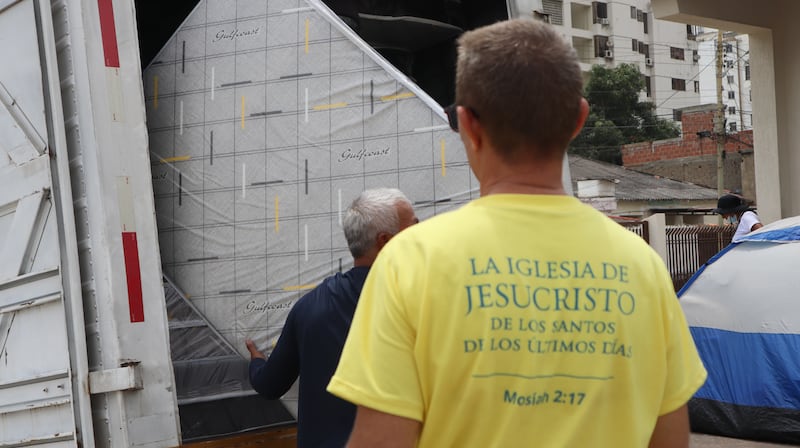
“Our priority is to act with prudence, protect life and serve our neighbor as the Savior would,” said President Castillo.
The Church also announced $2.8 million in relief projects, working with local partners Adventist Development and Relief Agency, Project HOPE and Catholic Relief Services, reported a July 23 news release on ChurchofJesusChrist.org.
The Church worked alongside the Adventist Development and Relief Agency to provide 5,000 15-day food kits for households with canned goods, energy bars, cookies, dried milk, bottled water and other nonperishable products.
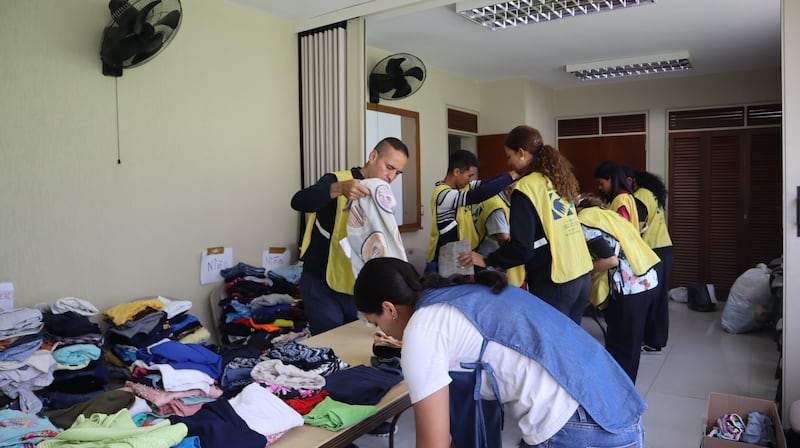
In efforts with Project HOPE, a global health and humanitarian organization, the Church’s funding is helping to repair seven health facilities, provide medicine and medical supplies, make psychological first aid available to more than 100,000 individuals and train 230 health staff and community responders in emergency response and first aid.
With Catholic Relief Services, the Church provided temporary shelters for 400 people; household, hygiene and water purification kits for 700 families; food baskets and water filters for 1,075 families; and water for 12,000 individuals.
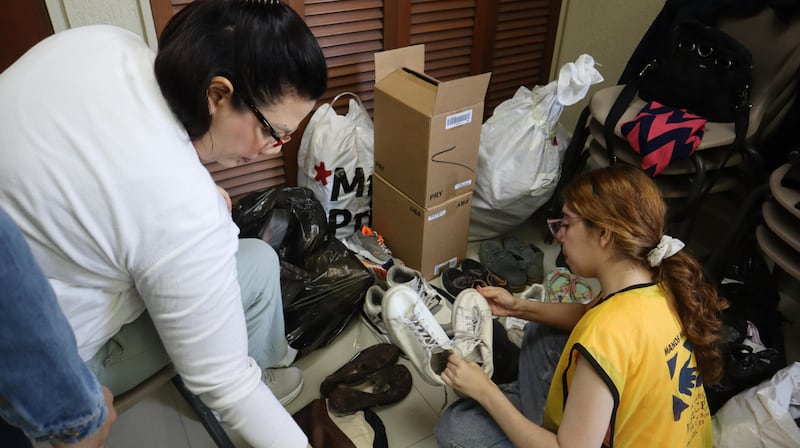
“Following Jesus Christ means standing beside those who are going through difficult times,” said Elder Juan F. Zorrilla, an Area Seventy from Caracas, Venezuela.
Reaching remote islands in the Philippines
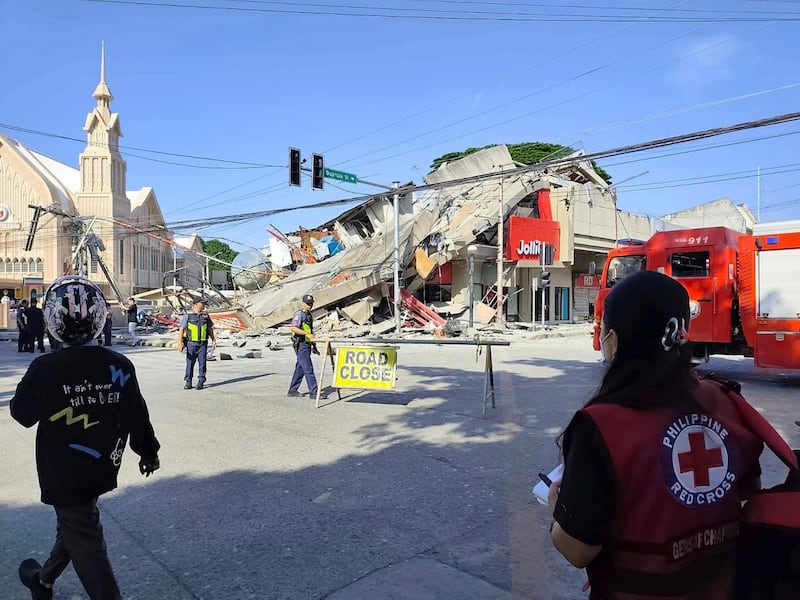
Members of the Church in the Philippines immediately jumped into action to help complete strangers after a 7.8 magnitude earthquake hit the southern Philippines on Monday, June 8.
The earthquake was centered at sea near Mindanao, the second-most-populated island in the Philippine archipelago, and was the largest to hit the Philippines this year.
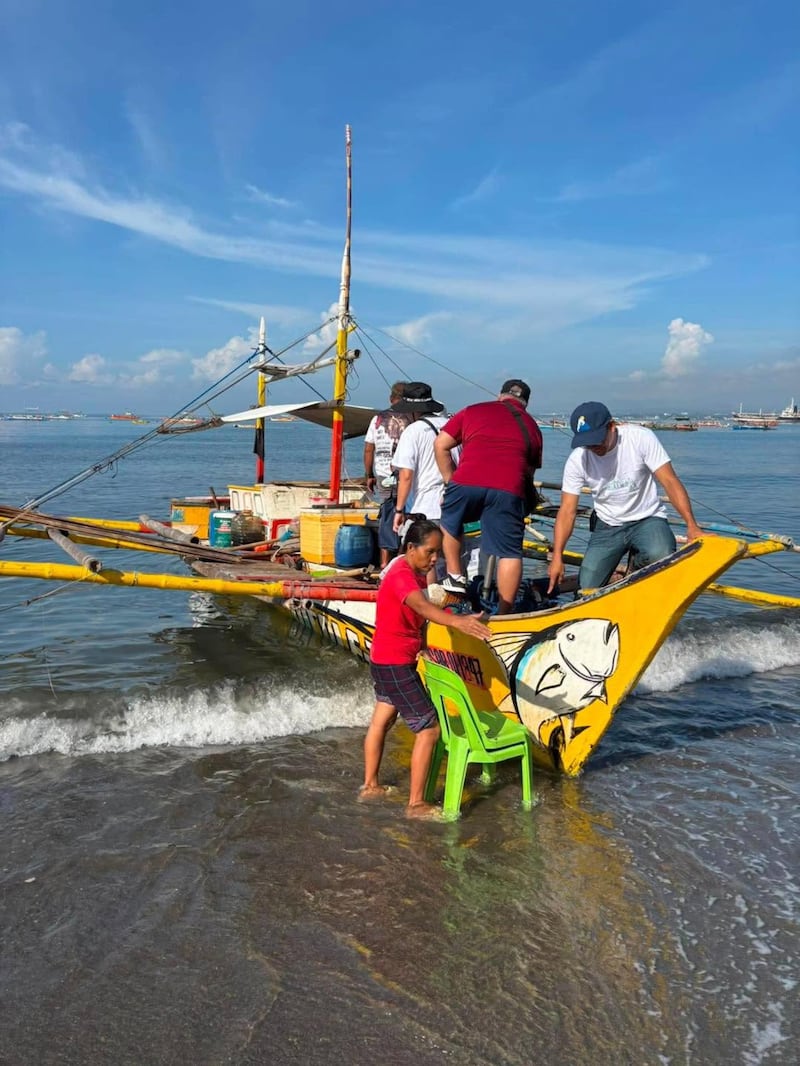
Members in the Church’s General Santos Philippines Stake immediately began coordinating relief efforts after the earthquake, preparing and transporting 200 food kits via a double-motorized boat from General Santos City to Glan and Alabel in the Sarangani province — about a two-hour journey.
Several Church meetinghouses in hard-hit areas were also opened to house evacuees.
This kind of emergency aid isn’t uncommon for Latter-day Saints in the Philippines. They also conducted rescue and relief operations for thousands of people impacted by intense flooding brought about by the southwest monsoon, locally known as Habagat, from late August to early September.
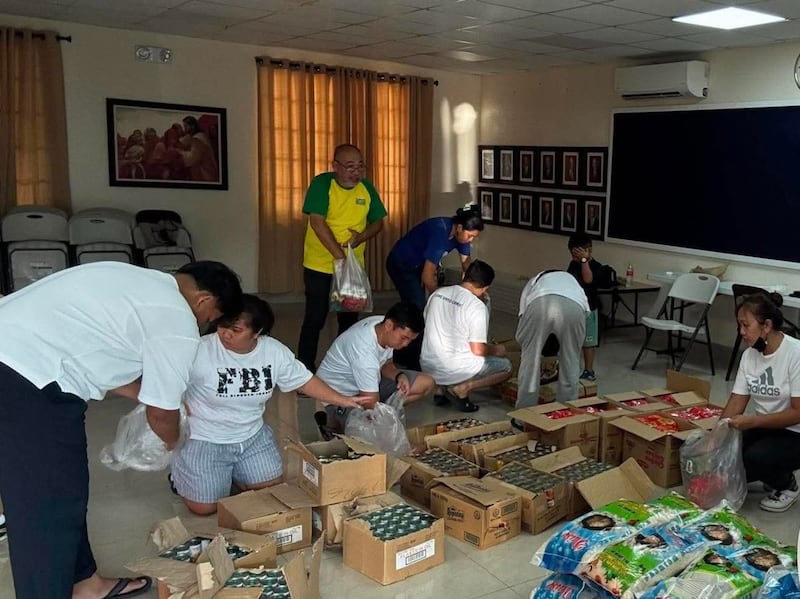
Despite experiencing the impacts of the flooding themselves, in Dagupan City, Pangasinan, 150 volunteers from the Dagupan Philippines Stake prepared 3,000 food relief packs for local families, according to a news release on the Church’s Philippines Newsroom website.
Dagupan City Mayor Belen T. Fernandez personally thanked Church volunteers.
“You are the ones who give help openly without asking anything in return,” she said.
Ministering house by house, block by block after tornadoes in Wisconsin
Members of the Church in northwest Wisconsin showed up in their communities wearing yellow helping hands T-shirts in the aftermath of an EF3 tornado that destroyed homes, trees and power lines, on Monday, July 27. This was the fourth severe-level tornado to hit the state this year.
As of early September, it is estimated over 1,000 volunteers had participated in recovery efforts and collectively given more than 10,000 service hours, said Anjanette Pond, Appleton Wisconsin Stake communication director.
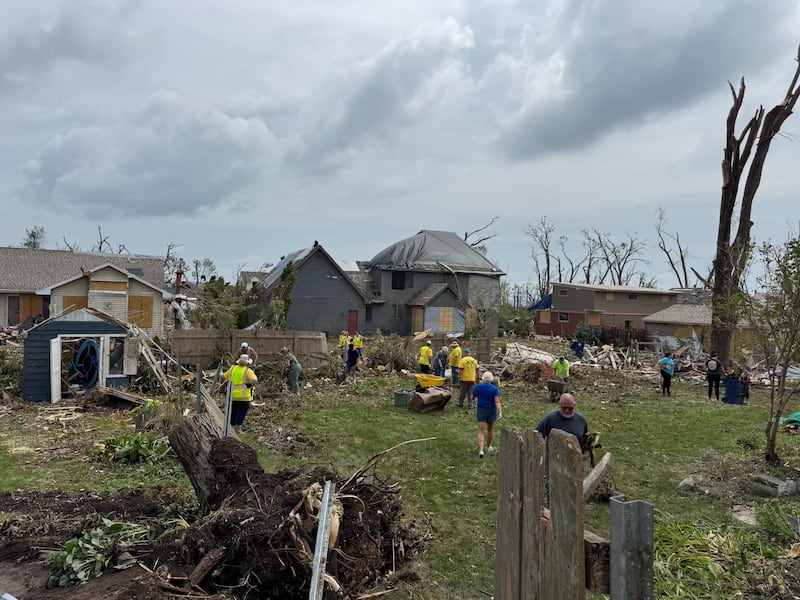
Appleton Wisconsin Stake President Ryan Cropper said that while the tornado was devastating, he saw miracles that showcased both God’s power and the Christlike nature of those around him. He said he knows of one Church member who drove to the impacted areas every evening after work, bringing his own equipment to cut trees. Other Latter-day Saints traveled long distances and gave time and money to serve strangers.
“Through their efforts, many lives and hearts were touched,” President Cropper said, adding, “They grew spiritually and our neighbors saw that they were loved by God.”
Bishop Matt Thiel of the Neenah Ward added that Latter-day Saints and their friends ministered house by house, block by block, “bringing the hope of Jesus Christ to each individual we came in contact with.”
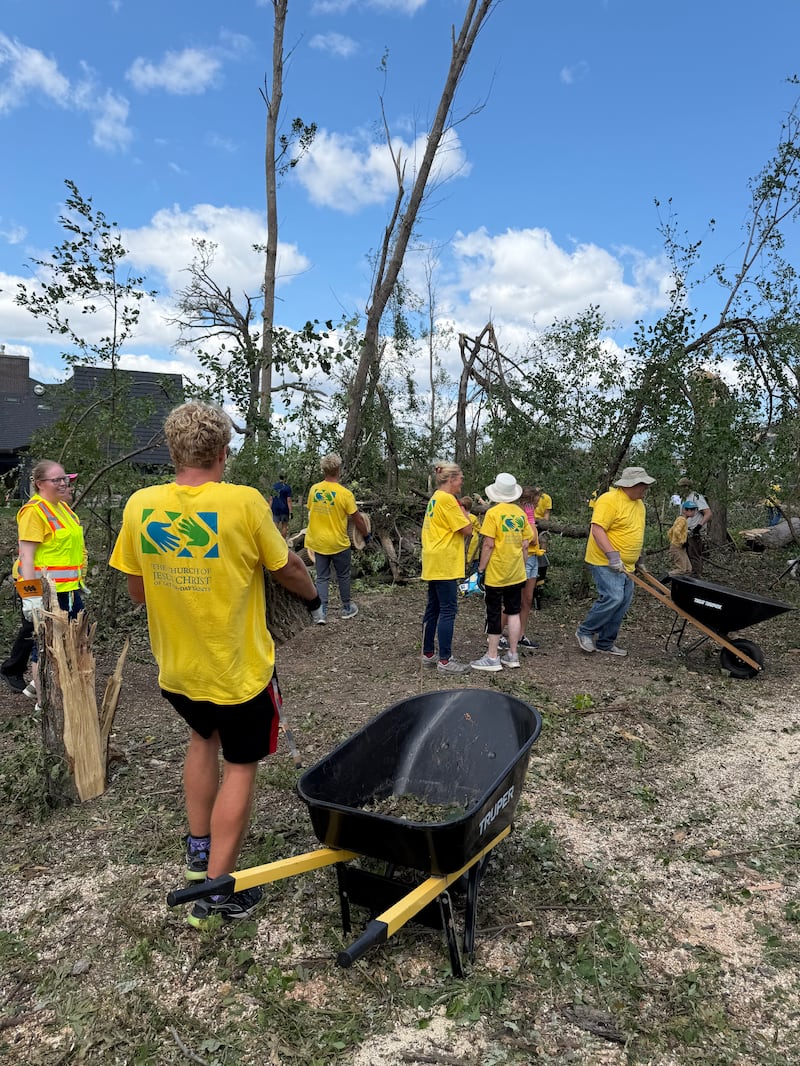
This experience, he continued, “strengthened the knowledge I already had that God the Father and His Beloved Son, Jesus Christ, love all of Their children.”
Providing relief in a drought-stricken area of Kenya
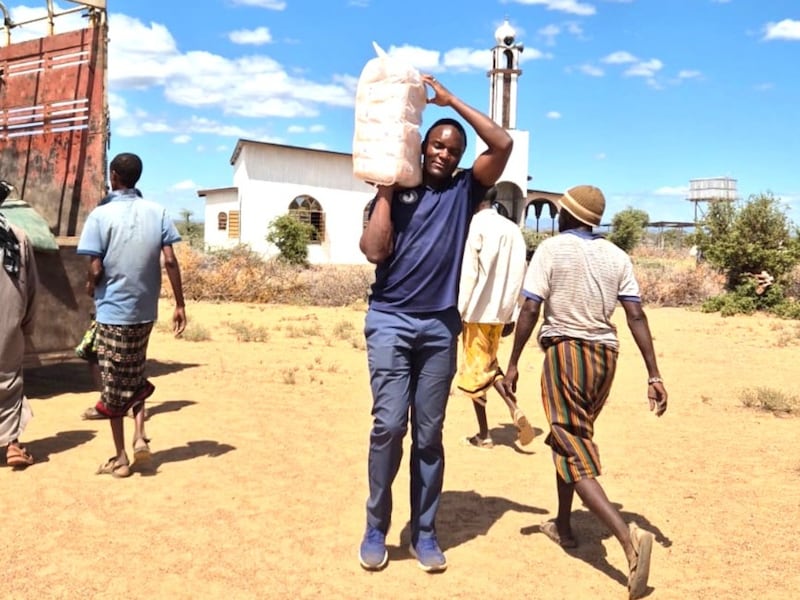
The Church worked with the National Muslim Leaders Forum, an interfaith council in Kenya, to provide emergency relief to thousands of vulnerable families in a drought-stricken area of Kenya.
Church representatives and teams from the forum brought food and water to nomadic pastoralist communities in isolated sub-locations of northeast Kenya at the end of May — distributing 250 tons of food rations to 3,011 households spread across 24 villages as well as providing clean water to 16 locations, directly serving 2,142 households, as reported by the Church’s Africa Newsroom.
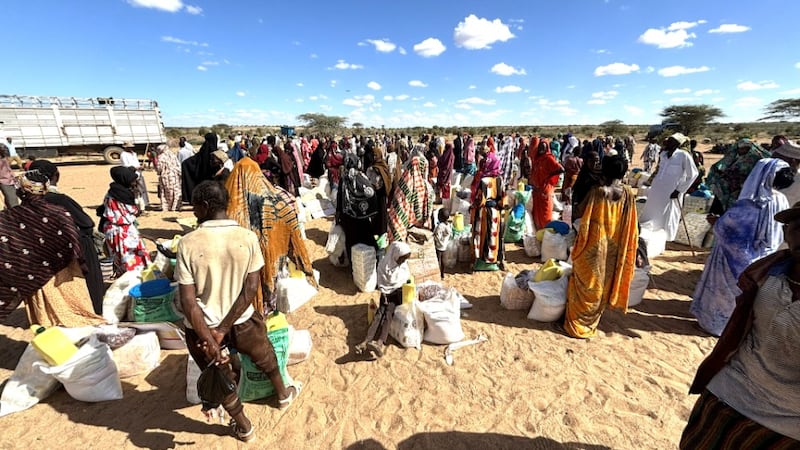
The report said the emergency intervention “effectively staved off imminent acute malnutrition and dehydration crises” and served to build bonds of friendship and commitment between the organizations that work to care for those in need.
Denis Mukasa, the humanitarian manager for the Church’s Africa Central Area, explained, “We do this work so that we can help the world save lives that are affected by the adverse climatic effects that affected this area and also to bring religion to this community so that they can be able to raise their families in unity and love.”
Following the example and teachings of the Savior in Colombia
The Church delivered 3,300 food kits to the city of Cali, Colombia, after an Aug. 10 earthquake. The 7.4 magnitude quake left cities across the country ravaged, according to reporting by the Associated Press.
Elder Harold Truque, an Area Seventy from Cali, led the first delivery of 1,000.
Natalia Lasso, adviser to the Cali mayor’s office, received the donation at the main collection center on behalf of Cali’s mayor. She explained the importance of joining efforts to support victims and thanked the Church for its willingness to aid those affected.
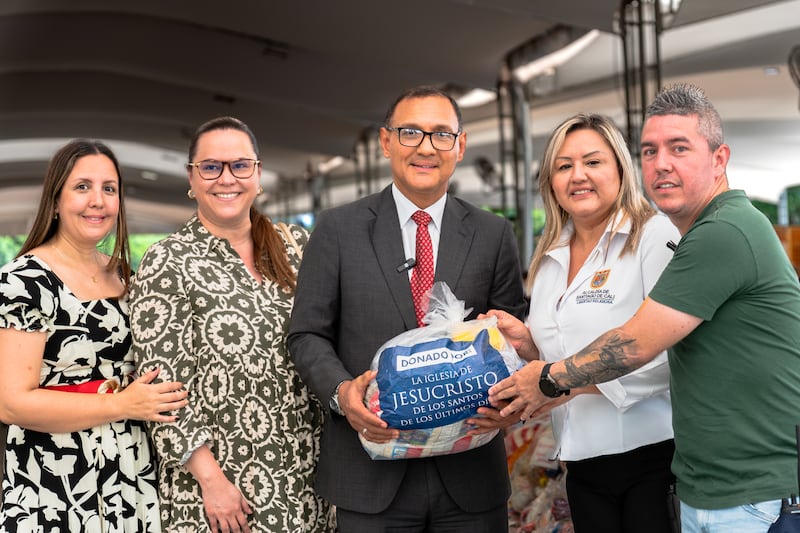
“All this aid will reach the people affected by the earthquake, and we will ensure that, efficiently and transparently, the needs of all those who are suffering at this time are met,” she said in an Aug. 25 news release on the Church’s Colombia Newsroom.
The Church also provided emotional support, with Latter-day Saint psychologists listening to, guiding and empathizing with those in the community.
Elder Juan Pablo Villar, a General Authority Seventy and member of the Church’s South America Northwest Area presidency, posted a video message on social media and on YouTube to encourage those affected and express their gratitude to volunteers offering support.
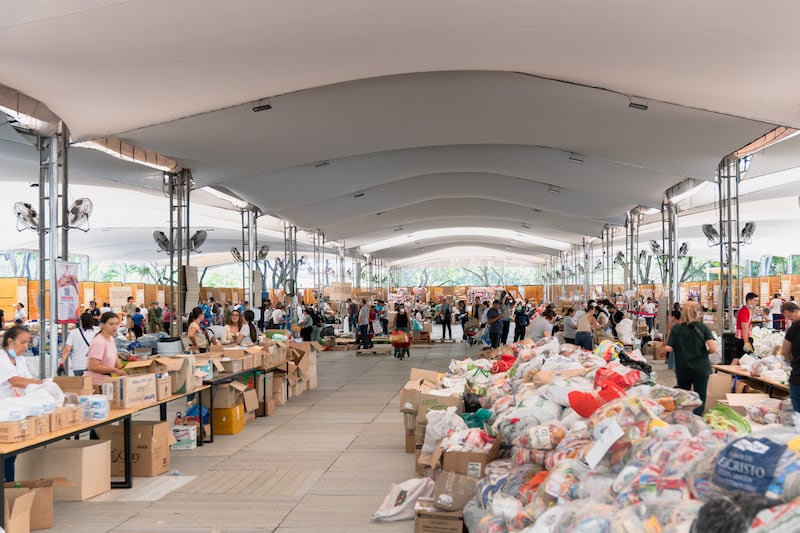
“You have shown love, genuine service and generosity to those who need it most, following the example and teachings of the Savior,” he said. “We continue to pray for you.”
Helping after wildfires in France and Spain
After a large wildfire in Bordeaux, France, led to the evacuation of more than 250,000 people across the region in July and August, leaders of the Church in nearby Lormont, France, quickly opened their local meetinghouse’s doors to accommodate evacuees, transforming it into an emergency reception center.
Church volunteers also supported evacuees at two other reception centers nearby with food, clothing and other essential supplies. Local members sorted donations and identified unmet needs of those affected.
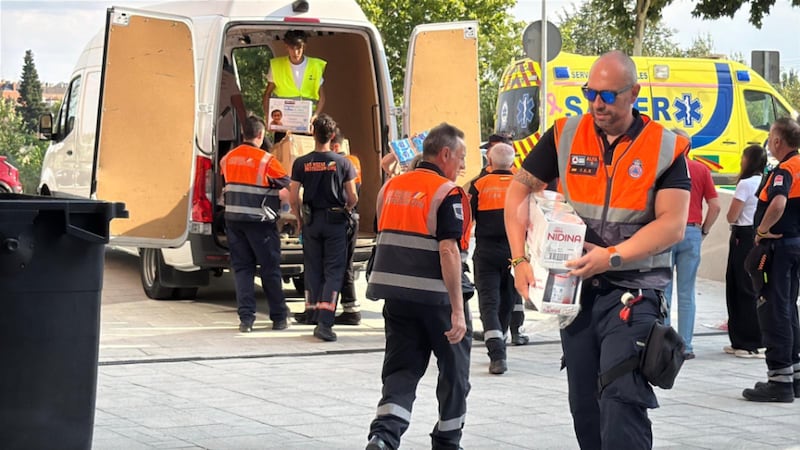
The Church also worked to support firefighters on the frontlines, delivering several trucks loaded with large water containers.
In Madrid, Spain, another wildfire spread rapidly in July and August. More than 60,000 people were evacuated at the height of the crisis around Madrid and Ávila.
Helping after earthquake in Japan
After a powerful earthquake struck central Kumamoto Prefecture in southern Japan on July 28, nearly 4,000 people were forced to flee their homes for evacuation shelters.
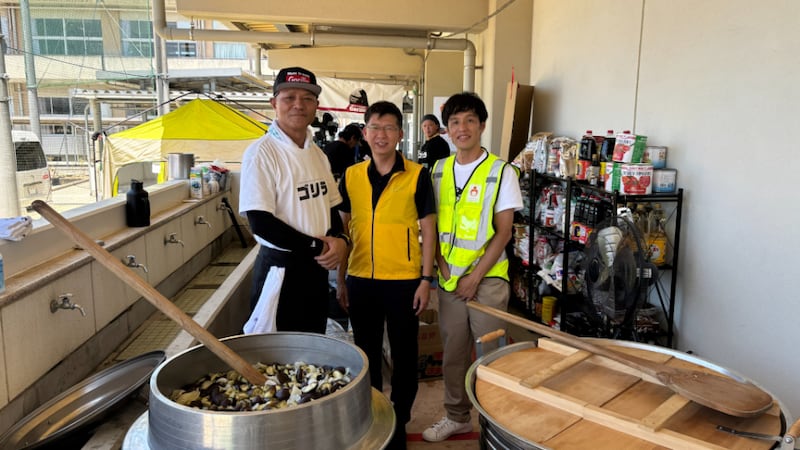
In the immediate aftermath, the Church worked to ensure evacuees had enough supplies, including water, food and hygiene items.
The Yatsushiro area experienced some of the most significant damage. There, Church leaders and members of the Kumamoto Japan Stake coordinated relief efforts with the Church’s Welfare and Self-Reliance Services in the Church’s Asia North Area. The Church also worked with local government officials and volunteer centers throughout the region to identify local community needs and provide support.
