


DAVAO CITY, Philippines — Just a few days ago, on April 28, The Church of Jesus Christ of Latter-day Saints reached 65 years in the Philippines. When he offered a prayer on the country in 1961, President Gordon B. Hinckley, then an assistant to the Quorum of the Twelve Apostles, asked that “many thousands who shall receive this message will be blessed.”
This weekend, the Davao Philippines Temple will be dedicated by Elder Dale G. Renlund of the Quorum of the Twelve Apostles.
This will be the 215th house of the Lord for the Church, the fifth operating temple in the Philippines and the first in Mindanao, which is the second-largest and southernmost major island group in the Philippines.
When ground was broken for the Davao temple on Nov. 14, 2020, Elder Taniela B. Wakolo — a General Authority Seventy and then the president of the Philippines Area — said to the attendees, “It never ceases to amaze me how the hand of the Lord has been over this nation — how He has prepared its people and its land to receive the gospel and the blessings of the temples of the Lord.”

On the first day of the open house, Elder William K. Jackson, General Authority Seventy and second counselor in the Philippines Area presidency, noted that many members in Mindanao have traveled long distances to attend temples in Manila or Cebu.
“The temple is all about family,” Elder Jackson said. “In the temple, we learn how families can be united eternally with God. What we do there reflects love, both love of God and love of family.”
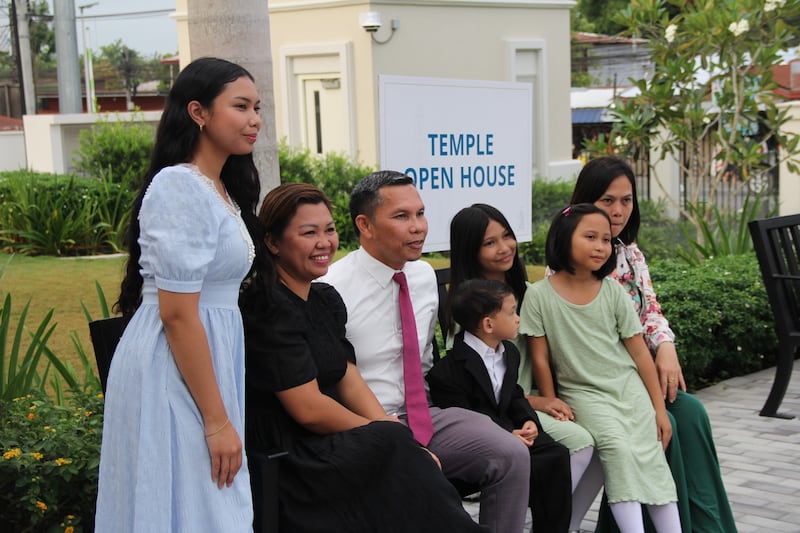
Finding peace and calm at the Davao temple open house
Almost 30,000 people came to see the temple during the open-house period — March 26 through April 10, excluding Sundays.
Many described a sense of calm and peace when they walked inside, including Philippine Vice President Sara Duterte, who was among the prominent guests, explained the Church’s Philippines Newsroom.
“It was so serene and so calm and so peaceful that I felt as if my thoughts were being spoken,” she said. “We would like to thank you for accepting us and welcoming us today here in your community.”
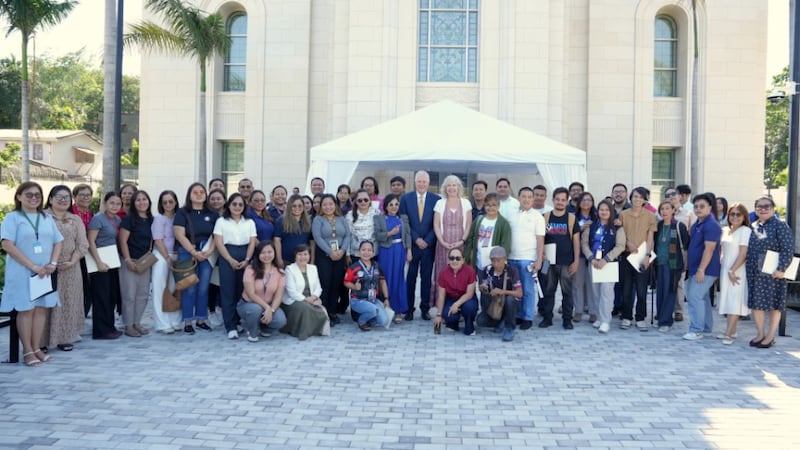
Elected officials and invited guests spoke about having a deeper understanding of what the Church represents and its purposes after going to the open house.
One of the city councilors, Melchor Quitain Jr., spoke of the temple’s larger significance for the city.
“While obviously now there’s so much chaos happening in the world and in the Philippines, ... in this time you need to find solace,” he said. “Going through this open house tour, I think it will help give you peace of mind because inside it’s so serene and peaceful.”
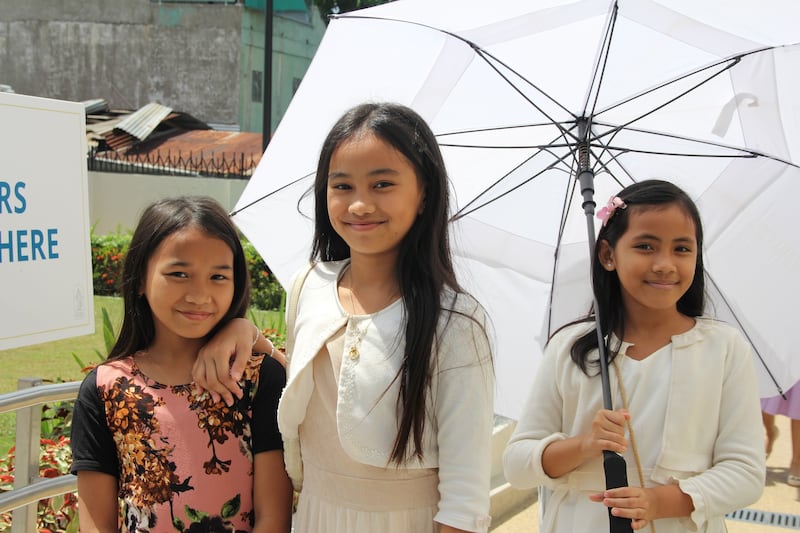
Another councilor, Temujin Ocampo, said his favorite place in the temple was the celestial room.
“It’s every man’s wish to have peace, especially peace given by God. … It was really a place where you can meditate, commune with God. The feeling was different, so quiet, very solemn, and really you can connect to the Lord,” he said.
The mayor of Mati City, Joel Mayo Almario, said seeing the sealing room meant a lot to him.
“You connect with ancestors, and you see the family, husband and wife and the children. It gives so much value to the family,” he said.
The Rev. Dr. Deepak Kataria of Ori-El Shalom Ministries joined the interfaith visitors.
“We all are striving towards knowing the Lord Jesus personally,” he said.

On the first day of the open house, members of the media toured the temple and had a question-and-answer session with Church leaders. Merlyn Manos, a journalist from Cagayan de Oro, said: “This is my first time inside a temple, and I felt peace. It is very beautiful.”
Rico Jumuad, senior manager of GMA Radio Operations Group for Mindanao, described the visit as uplifting.
“It was a very good experience,” he said. “It was a heavenly experience. There is a sense of peace inside.”
During the open-house period, a religious freedom forum was also held in Davao City where participants toured the temple as well.
History of the Church in Mindanao and Davao
Latter-day Saint servicemen stationed in the country during World War II introduced Filipinos to the Church in the 1940s. Missionary work began in earnest in 1961, and the growth accelerated quickly. By the end of the 1960s, the Church had a presence on eight major islands, including Mindanao.
That decade in Davao City, Daniela dela Victoria received a copy of the Book of Mormon after one of her children visited Manila. She invited other people to read it, including Cipriano Mumar, minister of an evangelical church in the city. Mumar knew this was the stick of Ephraim he had read about in Ezekiel 37:15-19. He gained a testimony of the Book of Mormon and wrote to Church leaders, asking for missionaries to come to Davao.
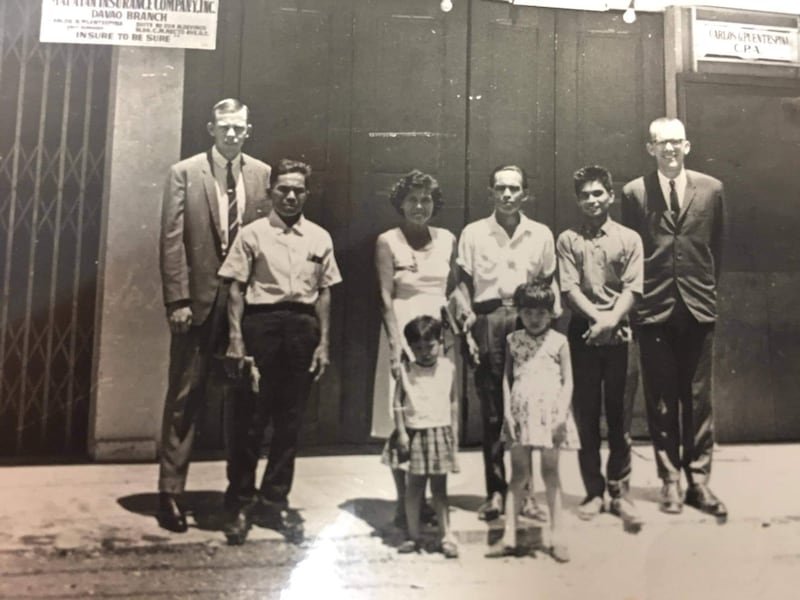
In May 1968, the mission president and three missionaries visited the island and officially got permission to proceed in Davao. The first meeting of the Church in the city was held on June 2, 1968, in a rented room on Juan Luna Street, with eight people attending a Sunday School class.
When the missionaries taught Mumar about the plan of salvation, he knew that the Church was Jesus Christ’s Church restored in modern times. On June 29, 1968, Cipriano Mumar and his family were baptized at Kabacan Beach, becoming among the first Church members in Davao City. Within a few months, a branch was organized.
“According to his children, even before his baptism, Cipriano was a man of great faith. After his baptism, he was a stalwart Latter-day Saint throughout the remainder of his life,” explained an essay from the Church’s Philippines Newsroom about this pioneer in the country.
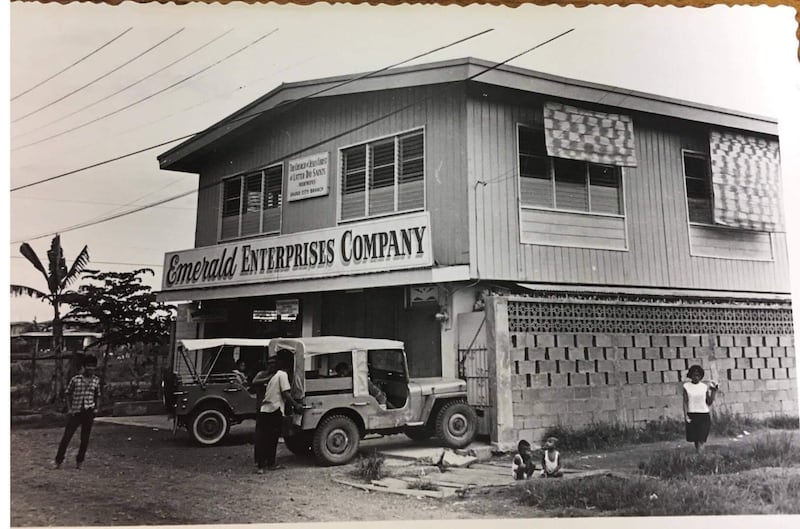
In 1976, the Church built a meetinghouse at San Pedro Village, Buhangin District. This was the first chapel built in all of Mindanao. The Davao Philippines Stake was organized five years later, on Nov. 14, 1981. Three stakes now exist in the city itself.
Pioneers from Mindanao include the Revillo family. Missionaries knocked on their door in 1971, in General Santos City. Carlos Revillo Sr. was baptized first, and the family followed. His son, Elder Carlos G. Revillo Jr., General Authority Seventy, is currently serving as the president of the Philippines Area.
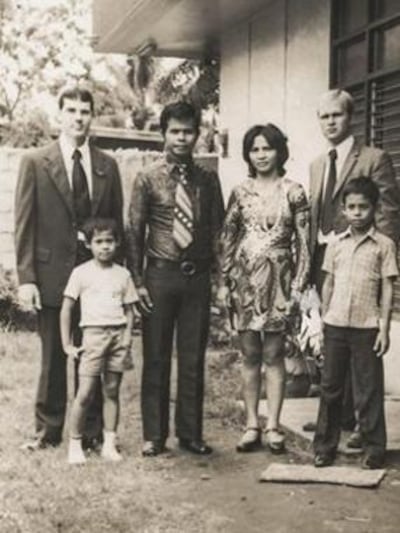
“Many of the early Latter-day Saints in Mindanao remained true and faithful and have passed on their restored Christian faith down to their descendants to this day,” the Philippines Newsroom reported.
The country’s first temple was dedicated in 1984 in Manila, and the Church began translating materials into multiple Philippine languages.
The numbers most recently available on ChurchofJesusChrist.org list 905,000 members of the Church in the Philippines. The country has the fourth-largest number of Latter-day Saints in the world.
Davao honors the Church
In a formal act on March 24, the city council of Davao passed a unanimous resolution congratulating the Church on completing the Davao Philippines Temple.
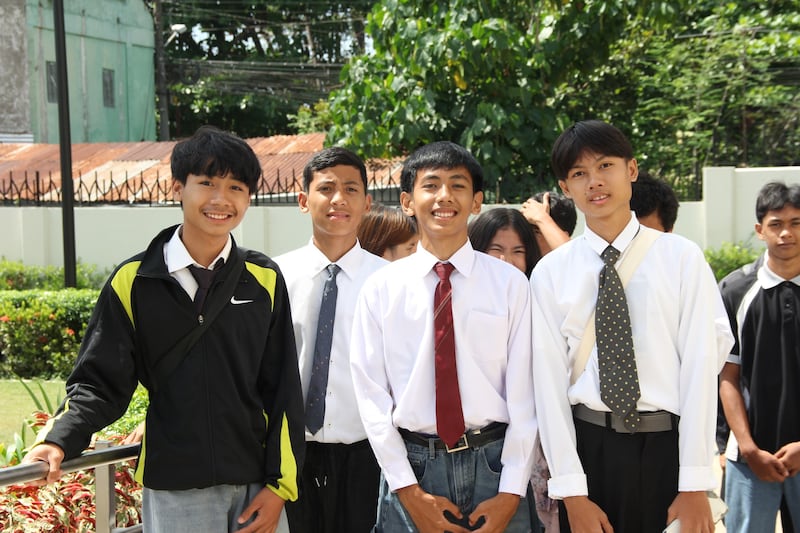
The resolution described temples of the Church as sacred houses of worship where members participate in religious ordinances, make sacred covenants with God and strengthen their commitment to follow the teachings and example of Jesus Christ.
The council noted that this house of the Lord in this city reflects the Church’s continuing commitment to religious freedom, moral values, family unity and community development within Davao City and the island of Mindanao.
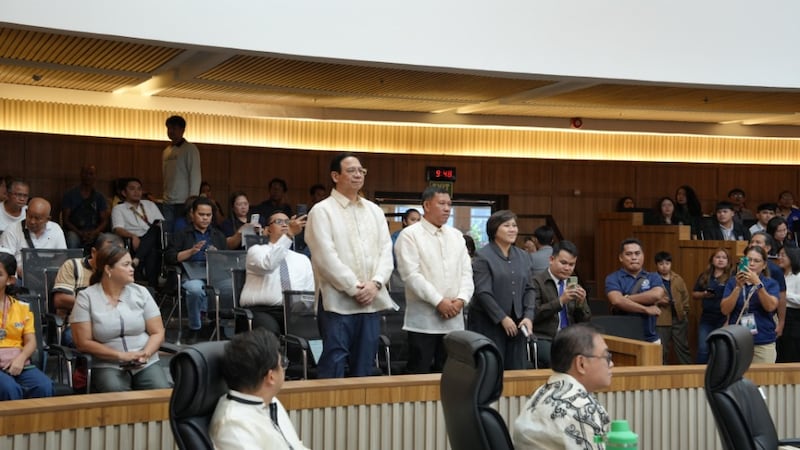
The resolution also formally acknowledged the long record of service and humanitarian efforts from the Church in the Philippines and in Davao City specifically, such as food assistance, educational support, clean water projects and disaster response for all in need, regardless of faith or background.
Davao hosted Light the World Giving Machine kiosks during the 2025 Christmas season for the second year in a row. This allowed opportunities for Davao residents to uplift children and families in need through giving to local charitable organizations, with the Church covering all operating costs.
Recently, the Church initiated several humanitarian campaigns in the Davao region, including providing water, sanitation and electricity to Maa Elementary School, supporting local hospitals and clinics with essential equipment, funding a community water system project and working with interfaith, local government and business entities to help those in need.
From open house to school house
During the open house, four television sets helped welcome people with a recorded message before the guests walked into the temple itself. Following the conclusion of the open house, local Church leaders decided that the equipment could serve a greater purpose just steps away from the temple grounds, reported the Church’s Philippines Newsroom.

The TVs were donated to Ma-a Central Elementary School, which sits adjacent to the Davao Philippines Temple grounds on Ma-a Road.
The school’s principal, Ami Lyne Rose Yurong, said the television sets will directly support classroom instruction and audio-visual learning resources that make a measurable difference in the daily educational experience of her students.
Fernando Pareja, first counselor in the Davao Philippines Stake presidency and temple recorder, spoke about why local Church leaders felt the need to donate the TVs.
“The Church’s donation to the school reflects the love and generosity of Jesus Christ, who taught us to care for others selflessly,” he said. “Through this act of service, we follow His example by sharing blessings and supporting those in need. We do these good works not for recognition but to glorify God and spread His compassion in our community.”
Temples in the Philippines
Fourteen houses of the Lord are dedicated, under construction or announced in the Philippines.
Four of them are in operation: the Manila (dedicated in 1984), Cebu City (2010), Urdaneta (2024) and Alabang (January 2026) temples.
In addition to the Davao temple, a second is planned for dedication this month: in Bacolod, on May 31.
Another two temples are under construction: in Cagayan de Oro, since August 2024, and in Tacloban City, since January 2025.
That leaves six houses of the Lord in planning stages: in Naga (announced 2022), Santiago (2022), Tuguegarao City (2023), Iloilo (2023), Laoag (2023) and San Jose del Monte (2025).


